
Creating a harmonious community aquarium with a betta fish as the centerpiece is both an art and a science. While bettas are known for their striking colors and flowing fins, they also have strong personalities and territorial tendencies. Choosing the right tank mates requires understanding not only the temperament of the betta but also the behavior, size, and environmental needs of potential companions. Done correctly, a mixed-species tank can be visually stunning and biologically balanced. Done poorly, it can lead to stress, injury, or even fatalities. This guide provides practical, expert-backed advice on selecting compatible fish, setting up the ideal environment, and maintaining peace in your aquatic ecosystem.
Understanding Betta Behavior and Compatibility
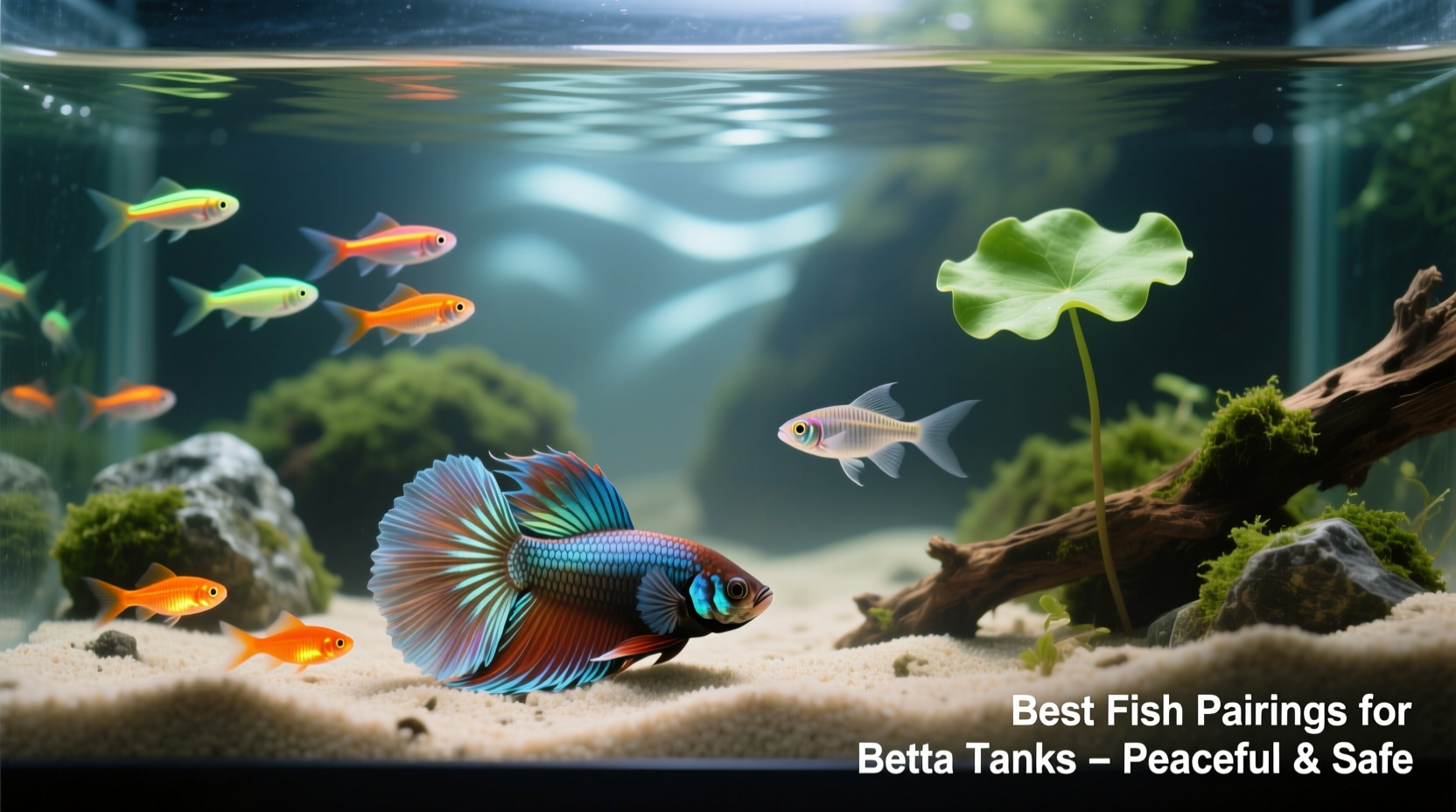
Betta splendens, native to the shallow waters of Southeast Asia, are naturally solitary and often aggressive—especially males toward other males. Their aggression stems from instinctual breeding and territorial defense behaviors. However, this doesn’t mean bettas can't coexist with other species. The key lies in selecting non-threatening, non-aggressive fish that occupy different zones of the tank and don’t resemble bettas in appearance (particularly long-finned or brightly colored fish, which may trigger aggression).
Females are generally less aggressive than males and can sometimes live in small groups (called \"sororities\") under strict conditions. But when mixing with other species, gender matters less than individual temperament. Some bettas are naturally calm and curious; others are quick to flare. Always observe your betta’s behavior before introducing new fish.
Top Peaceful Fish Species Compatible with Bettas
The best tank mates for bettas are small, fast-moving fish that stay out of the betta’s primary territory (typically the upper to middle water column). They should be non-nippy, non-aggressive, and thrive in similar water conditions (78–80°F, pH 6.5–7.5, soft to moderately hard water).
- Ember Tetras – Tiny, orange-hued schooling fish that occupy the lower to mid-level. Their swift movement avoids confrontation, and their color contrasts beautifully with bettas.
- Corydoras Catfish (Pygmy or Panda) – Bottom-dwellers that help clean the substrate. Nocturnal and peaceful, they rarely interact with bettas.
- Otto Cats (Otocinclus affinis) – Small algae eaters that cling to glass and plants. Ideal for keeping tanks clean without competing for space.
- Hatchetfish (Dwarf) – Surface dwellers that jump, so a tight lid is essential. They ignore bettas and add dynamic motion to the top level.
- Harlequin Rasboras – Slightly larger than tetras but gentle and active. Best kept in groups of six or more to reduce skittishness.
Avoid fin-nippers like tiger barbs or serpae tetras, as well as slow-moving, long-finned species such as guppies or angelfish, which may provoke aggression.
Tank Setup Essentials for a Peaceful Community
A well-designed tank reduces stress and minimizes conflict. A minimum of 10 gallons is recommended for any betta community setup—smaller tanks make it difficult to establish territories and dilute aggression.
| Element | Recommendation | Rationale |
|---|---|---|
| Minimum Tank Size | 10 gallons | Allows space for territories and reduces ammonia spikes |
| Plants (Live or Silk) | Dense around edges, open center | Provides hiding spots and visual barriers |
| Substrate | Soft sand or fine gravel | Safe for bottom feeders like corydoras |
| Filter Type | Sponge or low-flow hang-on-back | Bettas prefer gentle currents |
| Heater | Yes, with thermostat | Maintains stable tropical temperature |
Incorporate floating plants like frogbit or water lettuce to diffuse light and give the betta shaded retreats. Driftwood and ceramic caves offer shelter for shy tank mates.
“Overcrowding is less about numbers and more about perceived space. Visual breaks via plants and decor are critical in preventing aggression.” — Dr. Alicia Nguyen, Aquatic Veterinarian and Behavioral Specialist
Step-by-Step Guide to Introducing Tank Mates
Introducing new fish incorrectly is one of the most common causes of conflict. Follow this timeline to ensure a smooth integration:
- Prepare the Environment (Day 1–7): Cycle the tank fully, stabilize water parameters, and establish plant growth. Ensure filtration and heating are functioning optimally.
- Add the Betta First (Day 8): Let the betta acclimate and claim its space. Observe feeding and swimming behavior for normalcy.
- Introduce Bottom Dwellers (Day 9–10): Add corydoras or otocinclus. They’ll settle into lower zones without drawing attention.
- Add Mid/Top-Level Fish (Day 14): After two weeks, introduce schooling fish like ember tetras or rasboras in groups of 6+ to reduce individual targeting.
- Monitor Closely (Days 15–21): Watch for chasing, nipping, or hiding. Have a backup tank or divider ready if needed.
Common Mistakes and How to Avoid Them
Even experienced aquarists can misstep when combining species. Here are frequent errors and how to correct them:
- Overstocking: More fish don’t always mean more harmony. Overcrowding increases waste, stress, and competition.
- Ignoring Water Parameters: Betta-friendly temperatures may not suit coldwater species like white cloud mountain minnows long-term.
- Skipping Quarantine: New fish can carry diseases like ich or velvet, which spread rapidly in stressed communities.
- Using Bright, Reflective Decor: Mirrors or shiny ornaments can cause bettas to flare continuously, leading to exhaustion.
Checklist: Preparing for a Betta Community Tank
- ✅ Choose a tank of at least 10 gallons
- ✅ Complete nitrogen cycle before adding fish
- ✅ Install sponge filter and heater
- ✅ Add live or silk plants for cover
- ✅ Select non-aggressive, appropriately sized tank mates
- ✅ Quarantine all new fish for 7 days
- ✅ Introduce fish in the correct order
- ✅ Monitor behavior daily for first three weeks
Real-Life Example: A Successful 12-Gallon Betta Community
Jamie, an intermediate aquarist in Portland, wanted to create a vibrant yet tranquil tank featuring her royal blue crown-tail betta, “Indigo.” She set up a 12-gallon planted tank with a sponge filter, LED lighting, and a mix of java fern, anubias, and hornwort. After letting Indigo settle for ten days, she introduced six ember tetras and a group of five pygmy corydoras. Two weeks later, she added a single otocinclus.
At first, Indigo chased the tetras briefly, but they darted into dense foliage and were never harmed. Within a week, he ignored them entirely. The corydoras remained on the bottom, sifting through sand, while the otto cleaned algae without interaction. Jamie performs 25% weekly water changes and feeds varied diets—pellets for the betta, sinking wafers for corys, and biofilm-rich surfaces for the otto.
Nine months later, the tank remains stable, colorful, and peaceful. “The key,” Jamie says, “was patience and research. I didn’t rush introductions, and I picked fish that had different roles in the tank.”
Frequently Asked Questions
Can I keep shrimp with my betta?
Yes, but with caution. Small shrimp like cherry shrimp may be eaten, especially by hungry or aggressive bettas. Larger species like Amano shrimp often survive, particularly in heavily planted tanks. Introduce them after the betta is settled and provide ample hiding places.
Is it safe to house two bettas together?
Generally no, especially with males. Female bettas can sometimes coexist in groups of five or more (a sorority) in tanks 20 gallons or larger, with heavy planting and multiple sight breaks. Never house two male bettas together.
What signs indicate my betta is stressed or aggressive?
Flaring gills constantly, rapid breathing, loss of color, lethargy, or persistent chasing are red flags. If a tank mate is being bullied, remove it immediately to prevent injury.
Final Thoughts and Action Steps
A peaceful aquarium with a betta and compatible fish is achievable with careful planning, observation, and respect for natural behaviors. Success isn’t measured by how many fish you can fit in a tank, but by how well they coexist. Start small, prioritize water quality, and choose companions wisely. Remember, every betta has a unique personality—what works for one may not work for another.




 浙公网安备
33010002000092号
浙公网安备
33010002000092号 浙B2-20120091-4
Comments
No comments yet. Why don't you start the discussion?