
Raw denim is more than just fabric—it’s a commitment to craftsmanship, character, and personal evolution. Unlike pre-washed or distressed jeans, raw denim starts stiff and untouched, gradually molding to your body and absorbing the marks of your daily life. The result? A pair of jeans that becomes uniquely yours over time. But with so many brands, weights, and fits on the market, choosing the right pair can be overwhelming. This guide cuts through the noise, highlighting the top raw denim options built for longevity, offering styling versatility, and delivering an impeccable fit from day one.
Understanding Raw Denim: Why It Matters
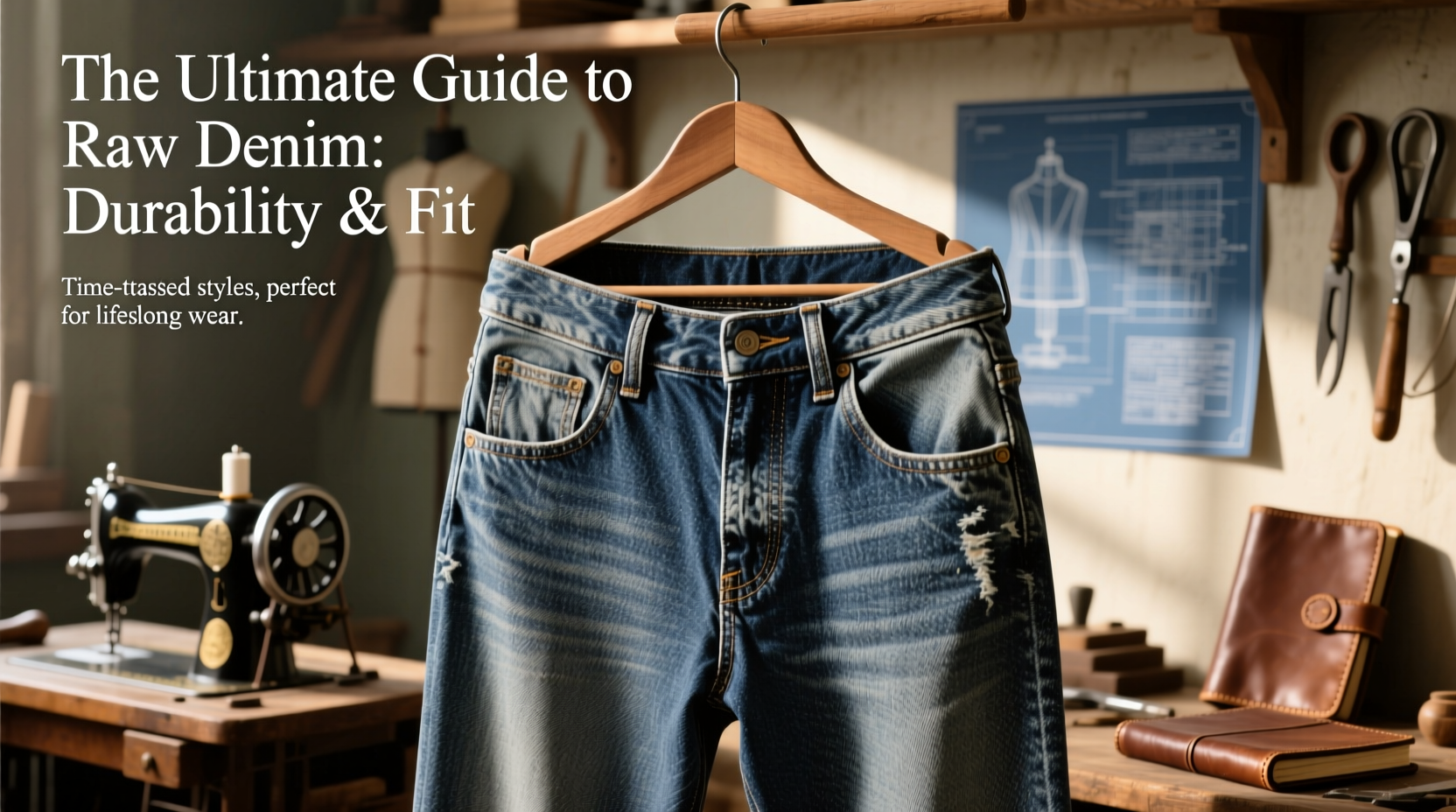
Raw denim, also known as “dry” denim, is unwashed and unprocessed after leaving the loom. It hasn’t been subjected to sanforization (pre-shrinking), stonewashing, or chemical treatments. This means it will shrink slightly when washed and develop unique fade patterns based on how you wear and move in them.
The appeal lies in authenticity. High-quality raw denim is typically made on vintage shuttle looms, producing a tighter weave and self-edge (selvedge) that resists fraying. These jeans are designed to last years—not seasons—and improve with age. They reward patience: the longer you go between washes, the more defined the fades become.
“Raw denim isn’t about looking good immediately—it’s about becoming good over time.” — James Chen, Founder of Naked & Famous Denim
Top 5 Raw Denim Brands for Durability and Fit
Not all raw denim is created equal. The best brands combine premium cotton, precise construction, and thoughtful pattern engineering. Below is a curated list of labels consistently praised by denim enthusiasts and industry experts alike.
| Brand | Signature Weight | Fit Range | Origin | Price Range |
|---|---|---|---|---|
| Naked & Famous | 14.5 oz (standard) | Slim, tapered, regular | Canada / Japan | $160–$220 |
| 3sixteen | 13.5 oz – 15.5 oz | Slim-straight, athletic cut | USA / Japan | $210–$270 |
| Samurai Jeans | 18 oz – 21 oz (heavyweight) | Tapered, relaxed, bootcut | Japan | $240–$320 |
| Imogene + Willie | 14 oz selvedge | Skinny, straight, modern | USA | $225–$275 |
| Flat Head | 13.75 oz (ring-spun) | Regular taper, mid-rise | Japan | $260–$300 |
Each of these brands emphasizes traditional techniques: rope-dyed indigo, unsanforized options, and attention to stitching detail. Samurai and Flat Head focus on Japanese heritage, while 3sixteen blends American aesthetics with Japanese fabric quality. For beginners, Naked & Famous offers accessible entry points with bold styles like their famous \"Assault Khaki\" or \"Octopus\" black denim.
How to Choose the Right Fit and Size
Finding the perfect fit begins with understanding your body type and lifestyle. Raw denim behaves differently than stretch or washed denim—it won’t give much initially and may shrink 3–7% after the first soak or wash, especially if unsanforized.
Measure your current best-fitting jeans and compare them to brand-specific size charts. Pay close attention to:
- Waist: Should feel snug but allow room for movement. You should be able to fit two fingers inside the waistband.
- Rise: Low (7–8\"), mid (9–10\"), high (11\"+). Higher rises offer better support and a cleaner silhouette under jackets.
- Thigh and seat: Must accommodate sitting without pulling at the seams.
- Leg opening: Tapered cuts work well with sneakers or boots; straight legs suit casual and semi-formal looks.
Step-by-Step Sizing Guide
- Measure a well-fitting pair of jeans flat: waist (doubled), inseam, thigh (across crotch), rise (from crotch to top button).
- Check the brand’s garment measurements (not body size).
- Account for shrinkage: Add 1–1.5 inches to the measured waist if buying unsanforized denim.
- Try before committing: Many brands offer sample sales or in-store try-ons.
- Wear for 2–3 weeks before washing to assess true fit and comfort.
Maintaining Your Raw Denim: Care That Preserves Character
Proper care ensures your jeans last for years and develop meaningful fades. Overwashing strips indigo and weakens fibers. Under-cleaning risks odor buildup. Balance is key.
“I recommend going at least 6 months without washing—spot clean only. When you do wash, hand-soak in cold water with pH-neutral soap.” — Diego Valdez, Denim Restoration Specialist
Do’s and Don’ts of Raw Denim Care
| Do’s | Don’ts |
|---|---|
| Freeze jeans in a sealed bag to kill odor-causing bacteria | Machine wash frequently (especially hot water) |
| Spot clean stains with a damp cloth and mild soap | Tumble dry—heat damages cotton fibers |
| Soak fully submerged in cold water when ready to wash | Use bleach or strong detergents |
| Air dry inside-out, away from direct sunlight | Iron directly on denim—use steam if needed |
Real Fade Journey: A Case Study
Mark, a graphic designer in Portland, bought his first pair of unsanforized 18 oz Samurai S700XX jeans two years ago. He wore them nearly every day during winter commutes, cycling to work and spending hours at his desk. After six months, he noticed honeycombs forming behind his knees and whiskers radiating from his front pockets—classic signs of natural wear.
He avoided washing them for 11 months, using the freezer method monthly to refresh them. When he finally soaked them in cold water, the indigo bled heavily but stabilized afterward. Today, his jeans show deep contrast fades shaped exactly by his posture and routine. “They look like a map of my life,” he says. “I’ll never buy pre-distressed jeans again.”
Frequently Asked Questions
How long should I wait before washing raw denim?
Most experts recommend waiting at least 3–6 months. Some go a year or more. The goal is to let natural creases form so fades reflect your lifestyle. Spot cleaning and freezing help manage odor in the meantime.
Can I resize raw denim jeans after purchase?
Yes, but only by a skilled tailor familiar with denim. Hemming is common, especially for unsanforized pairs that shrink. Avoid altering the waist or hips unless absolutely necessary—denim doesn’t stretch back easily.
Are raw denim jeans worth the price?
If you value sustainability, craftsmanship, and long-term style, yes. A $250 pair worn daily for five years costs less per wear than fast-fashion jeans replaced annually. Plus, they gain aesthetic value over time.
Final Thoughts: Invest in Denim That Evolves With You
Choosing the best raw denim jeans isn’t just about brand prestige or fabric weight—it’s about finding a pair that aligns with how you live, move, and express yourself. Whether you opt for the rugged density of Samurai or the refined tailoring of 3sixteen, what matters most is consistency. Wear them often, care for them thoughtfully, and let time do the rest.
Your jeans will transform from stiff, indigo-stained fabric into a second skin—etched with memories, shaped by motion, and unmistakably yours. In a world of disposable fashion, raw denim stands as a quiet rebellion: slow, deliberate, and enduring.




 浙公网安备
33010002000092号
浙公网安备
33010002000092号 浙B2-20120091-4
Comments
No comments yet. Why don't you start the discussion?