
Loading fishing line onto a reel might seem straightforward, but doing it incorrectly can lead to poor casting, line twist, backlashes, and premature wear. Whether you're using a spinning reel, baitcasting reel, or spincast model, proper line spooling is foundational to a successful day on the water. A well-loaded reel ensures consistent performance, maximizes line capacity, and reduces the risk of costly tangles when a trophy fish strikes.
This guide breaks down the correct techniques for each reel type, shares field-tested advice from seasoned anglers, and outlines common mistakes that even experienced fishermen often overlook.
Step-by-Step: How to Load Fishing Line Onto Any Reel
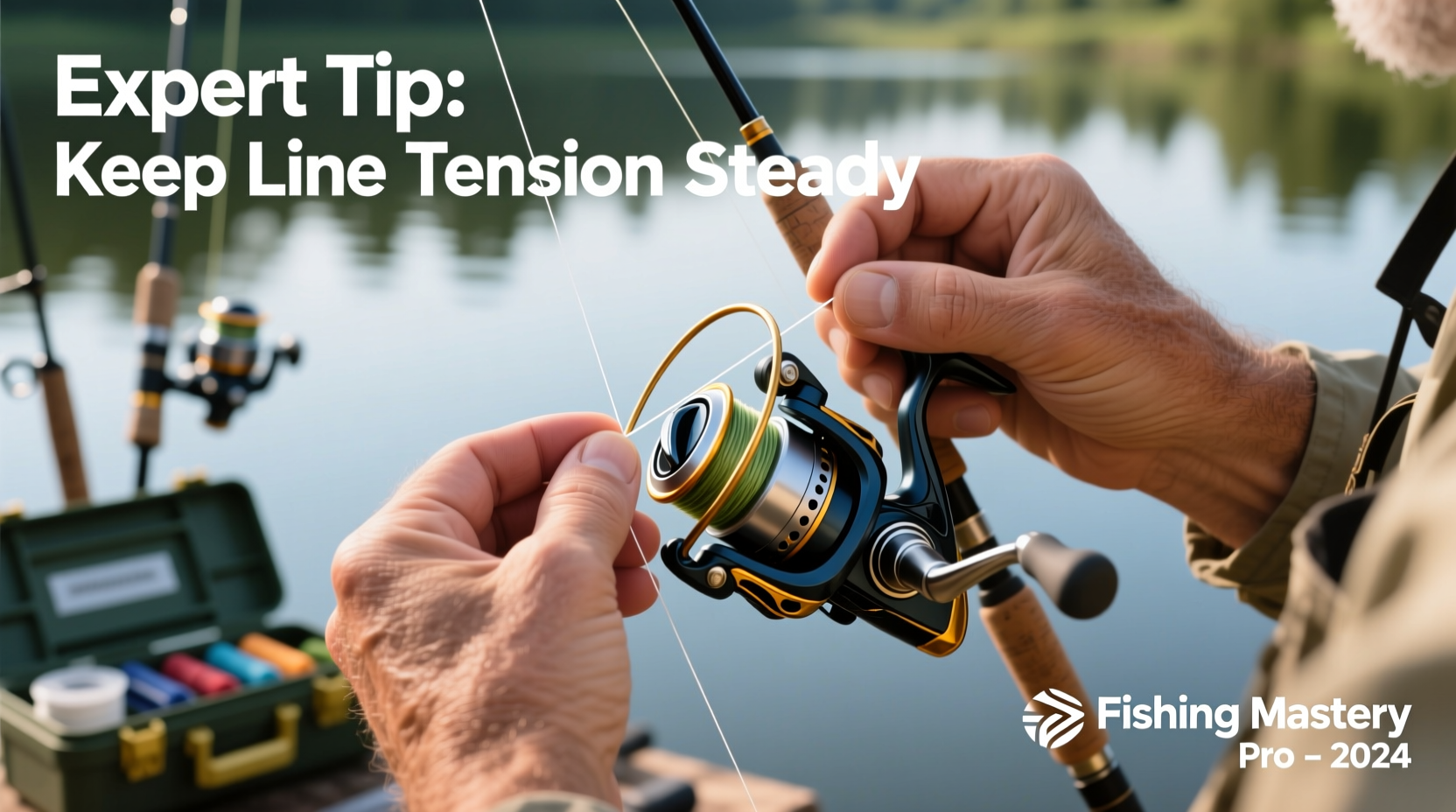
The process varies slightly depending on your reel type, but the core principles remain consistent: eliminate slack, maintain tension, and avoid introducing twists during spooling.
- Prepare Your Equipment: Gather your reel, rod, new fishing line, a pair of scissors, and a line arbor knot tool (optional). Ensure the reel is clean and free of old line debris.
- Secure the Reel: Mount the reel securely on the rod. This stabilizes the setup and prevents movement during winding.
- Attach the Line to the Spool: Use an arbor knot or uni knot to tie the line directly to the spool’s arbor. For monofilament or fluorocarbon, moisten the knot before tightening to prevent weakening.
- Apply Light Tension: Have a partner gently pinch the line between their fingers about halfway down the rod. This provides consistent tension—critical for even layering.
- Begin Winding Slowly: Turn the reel handle steadily, keeping the line tight as it winds. Avoid jerky motions or rapid cranking.
- Fill to Optimal Capacity: Leave about 1/8 inch of space between the line and the spool’s outer rim. Overfilling causes line to jump off during casting; underfilling reduces casting distance.
- Trim and Secure: Once full, cut the line and use electrical tape or a rubber O-ring to secure the tag end if storing for later use.
Reel-Specific Techniques: Matching Method to Mechanism
Different reels require different loading approaches due to mechanical design and line delivery systems.
Spinning Reels
These are the most common for beginners and light tackle. Because the line comes off the spool freely during a cast, proper alignment is essential.
- Place the line spool on a flat surface with the label facing up. As you wind, this orientation matches the natural lay of the line.
- Run the line through all the rod guides before tying to the reel to simulate real-world conditions.
- Keep steady pressure on the line with your non-dominant hand while cranking slowly.
Baitcasting Reels
Baitcasters demand precision. Incorrect spooling leads to backlash, especially under high-speed retrieves.
- Use a line spooler tool or electric drill with a slow speed setting for uniform winding.
- Set the reel’s brake system to neutral or low tension during loading.
- Do not overfill—baitcaster spools are smaller and more sensitive to excess line.
Spincast Reels
Often used by children or casual anglers, these have enclosed spools but still benefit from correct loading.
- Tie the line directly to the small pin inside the spool.
- Wind slowly by hand or with gentle power assist.
- Avoid twisting the line during installation—keep the spool rotating freely.
Common Mistakes and How to Avoid Them
Even experienced anglers make errors that compromise line integrity. Awareness is half the battle.
| Mistake | Why It’s Bad | Solution |
|---|---|---|
| No tension during spooling | Causes loose coils, leading to tangles and loops | Have a helper apply light, consistent pressure |
| Overfilling the spool | Line flares over edges and sheds during casts | Stop winding when 1/8 inch from the rim |
| Using old or degraded line | Weakens performance and increases breakage | Inspect line annually; replace every 1–2 years |
| Ignoring manufacturer specs | Can overload reel mechanics or reduce efficiency | Check max line capacity and test strength ratings |
“Most line failures I see aren’t due to gear quality—they’re from improper spooling. A perfectly good reel can be ruined by bad line management.” — Dale Richards, Professional Bass Guide and Reel Technician
Expert Tips for Long-Term Line Performance
Proper loading is just the beginning. Maintaining line health extends its usable life and keeps your gear performing at peak levels.
- Rotate Line Seasonally: If you fish year-round, rotate between two pre-spooled rods to extend line life.
- Check for Memory: Coiled line that doesn’t lay flat has “memory”—common with older mono. Replace it.
- Use a Line Conditioner: For braided line, a light application of reel lubricant reduces friction and improves casting.
- Avoid Direct Sunlight Storage: UV rays degrade all line types over time. Store rods in a shaded, climate-controlled area.
Real Example: The Tournament Angler’s Edge
During the 2022 FLW Regional on Lake Guntersville, angler Marcus Tran noticed inconsistent casting distances despite using premium gear. After reviewing footage, he realized his new spool of fluorocarbon had been loaded without tension, creating uneven layers. He respooled using a partner to maintain pressure and immediately gained 15 feet in casting range. That adjustment helped him reach a crucial offshore ledge on Day Two, resulting in a 4.8-pound kicker bass—the largest of the round. “It wasn’t the rod or the lure,” he said later. “It was the line job.”
Frequently Asked Questions
Should I wet monofilament before spooling?
Yes. Wetting monofilament before tightening knots and during initial spooling helps the line stretch slightly and settle into place, reducing the chance of loosening later. Use freshwater—never saltwater—for this step.
Can I mix line types on the same spool?
You can—but only as a backing. Many anglers use a filler like old monofilament to take up space, then tie on braided line using a strong knot like the double uni. Never splice different lines mid-spool without a reliable connection.
How often should I respool my reel?
At minimum, once per season. Heavy users should respool every 3–4 months. Signs it’s time include fraying, discoloration, reduced casting distance, or visible coiling.
Final Checklist: Perfect Line Spooling in 7 Steps
- Choose the right line type and weight for your reel and target species.
- Clean the reel and inspect for damage or wear.
- Tie a secure arbor knot to attach the line.
- Thread the line through all rod guides.
- Apply consistent tension during winding (use a helper or tool).
- Fill to within 1/8 inch of the spool edge.
- Test the drag and perform a short cast to check line flow.
Conclusion
Loading fishing line correctly isn’t just maintenance—it’s preparation. Every twist avoided, every inch of casting gained, and every silent drag pull under pressure starts with how the line sits on the spool. By following these proven methods and listening to experts who’ve spent decades refining their craft, you ensure your equipment works as hard as you do.




 浙公网安备
33010002000092号
浙公网安备
33010002000092号 浙B2-20120091-4
Comments
No comments yet. Why don't you start the discussion?