
Aquariums offer more than just a glimpse into underwater life—they provide immersive experiences that inspire wonder, spark curiosity, and deepen our connection with marine ecosystems. Across the United States, world-class aquariums combine cutting-edge exhibits, conservation efforts, and educational programs to create unforgettable visits for guests of all ages. Whether you're planning a family trip, a school excursion, or a solo exploration of oceanic marvels, these top 10 aquariums stand out for their scale, innovation, and commitment to marine stewardship.
Why Visit an Aquarium?
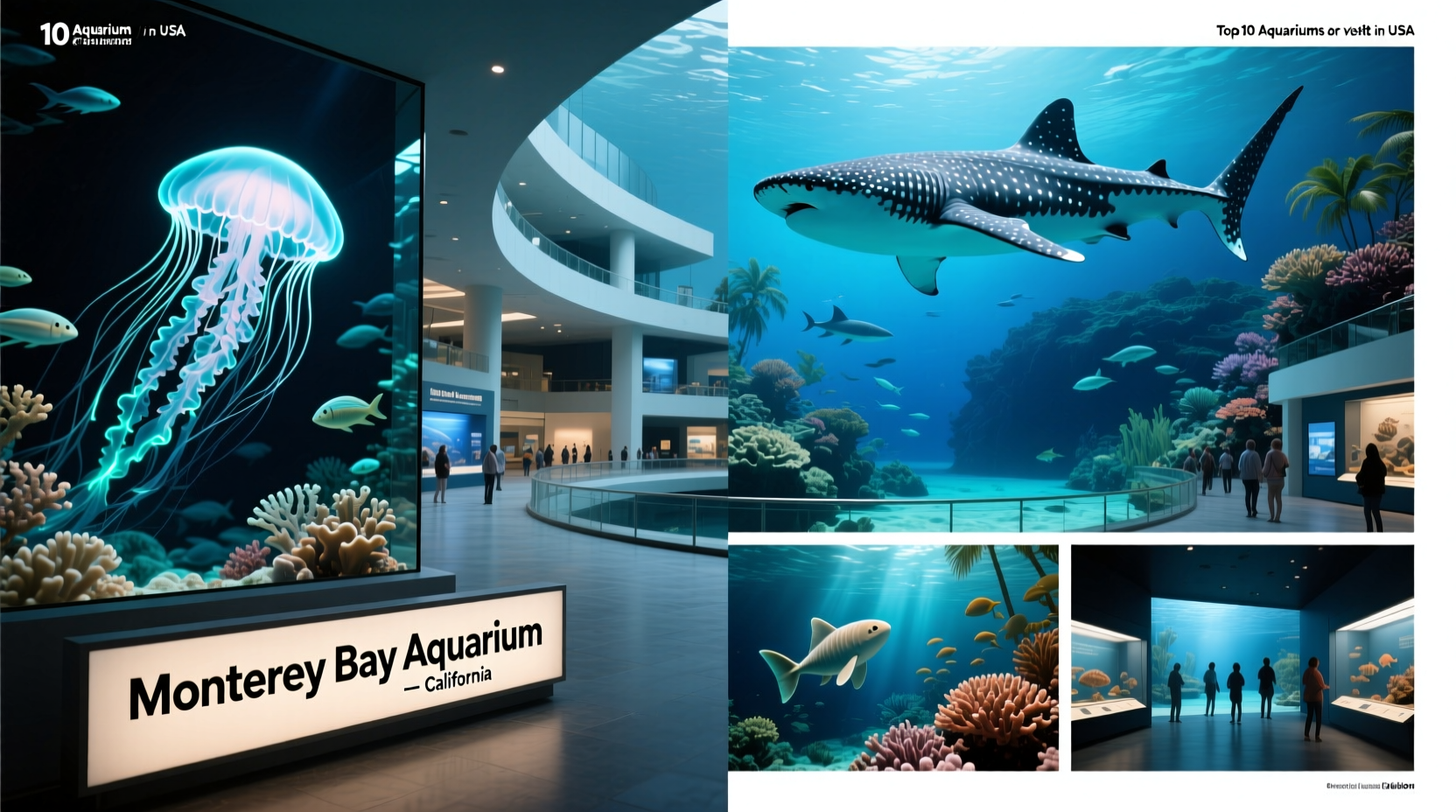
Beyond entertainment, modern aquariums serve as vital hubs for marine research, species preservation, and public education. Many institutions collaborate with global conservation organizations to rehabilitate endangered species, track migration patterns, and restore coral reefs. A visit supports these efforts while offering guests the chance to witness rare animals up close—from glowing jellyfish to majestic sea turtles and apex predators like sand tiger sharks.
Interactive touch pools, behind-the-scenes tours, and diver feeding demonstrations make these destinations dynamic learning environments. For children, aquariums can ignite lifelong passions for science and nature. For adults, they offer serene spaces to reflect on the fragility and beauty of aquatic life.
The Top 10 Aquariums in the USA
- Georgia Aquarium (Atlanta, GA)
- Monterey Bay Aquarium (Monterey, CA)
- Shedd Aquarium (Chicago, IL)
- National Aquarium (Baltimore, MD)
- SEA LIFE Kelly Tarlton’s Aquarium (Orlando, FL)
- Texas State Aquarium (Corpus Christi, TX)
- Adventure Aquarium (Camden, NJ)
- New England Aquarium (Boston, MA)
- Oregon Coast Aquarium (Newport, OR)
- Florida Aquarium (Tampa, FL)
1. Georgia Aquarium – Atlanta, GA
Holding over 10 million gallons of water, the Georgia Aquarium is the largest in the Western Hemisphere. It's home to whale sharks, manta rays, beluga whales, and thousands of fish species. The Ocean Voyager exhibit, featuring a 100-foot underwater tunnel, allows visitors to walk beneath swimming sharks and schools of fish.
2. Monterey Bay Aquarium – Monterey, CA
Situated on the historic Cannery Row, this aquarium focuses on local marine habitats, including kelp forests and intertidal zones. Its sea otter rehabilitation program is internationally recognized. The Open Sea exhibit simulates the deep Pacific, showcasing tunas, sea turtles, and sunfish.
3. Shedd Aquarium – Chicago, IL
Located on Lake Michigan, Shedd combines architectural grandeur with ecological depth. Highlights include Caribbean Reef, Amazon Rising, and the Wild Reef exhibit, where guests can view sharks through floor-to-ceiling windows. The aquarium also leads freshwater conservation initiatives across the Great Lakes.
4. National Aquarium – Baltimore, MD
Dominated by a striking glass spire in downtown Baltimore, this aquarium spans multiple levels and features a living seashore, dolphin shows, and a lush indoor rainforest. Its Animal Care and Rescue Center treats stranded marine animals, reinforcing its role in regional conservation.
5. SEA LIFE Kelly Tarlton’s Aquarium – Orlando, FL
Though part of a global chain, the Orlando location stands out with its Antarctic Encounter, complete with real snow and penguins. The 360-degree underwater tunnel provides panoramic views of stingrays, sharks, and colorful reef fish.
6. Texas State Aquarium – Corpus Christi, TX
This Gulf Coast gem emphasizes native wildlife, from bottlenose dolphins to brown pelicans. Its Flight Finder aviary and kayak trail enhance the outdoor experience. The aquarium also operates a robust sea turtle hospital.
7. Adventure Aquarium – Camden, NJ
Directly across from Philadelphia, this aquarium offers shark tunnels, hippo encounters, and hands-on tide pool experiences. Its two resident Nile hippos, Tidbit and Henry, are crowd favorites.
8. New England Aquarium – Boston, MA
Located on the waterfront, this aquarium features a giant ocean tank replicating a Caribbean reef, complete with green sea turtles and nurse sharks. Its blue whale skeleton outside serves as a powerful reminder of ocean conservation.
9. Oregon Coast Aquarium – Newport, OR
Perched on Yaquina Bay, this aquarium highlights Pacific Northwest ecosystems. Notable for housing \"Lupine,\" the sea otter who starred in *Free Willy*, it also features an immersive Shark & Ray Touch Pool and an underground viewing area for harbor seals.
10. Florida Aquarium – Tampa, FL
With a focus on Florida’s unique habitats—from wetlands to coral reefs—this aquarium includes a splash pad for kids, a walk-through mangrove forest, and a state-of-the-art coral propagation lab aiding reef restoration.
Planning Your Visit: A Step-by-Step Guide
- Research Exhibit Schedules: Check daily feeding times, dive shows, and animal talks on the aquarium’s website.
- Purchase Tickets Online: Skip lines and often save money by booking in advance.
- Arrive Early: Most aquariums open around 9–10 AM; arriving at opening reduces wait times and crowding.
- Plan Your Route: Start with major exhibits (e.g., ocean tunnels) before peak hours set in.
- Engage with Staff: Ask questions during keeper talks—many staff members are scientists or educators.
- Take Breaks: Use cafes or outdoor areas to rest, especially when visiting with children.
- Support Conservation: Consider adopting an animal or donating to rescue programs before leaving.
“Public aquariums are not just attractions—they’re classrooms without walls, where empathy for marine life begins.” — Dr. Sylvia Earle, Marine Biologist and National Geographic Explorer-in-Residence
What to Bring: Essential Checklist
- Camera or smartphone for photos (check if flash is permitted)
- Reusable water bottle (most facilities have refill stations)
- Light jacket (exhibit halls are often cool and humid)
- Snacks (if allowed; useful for young children)
- Notebook or journal (great for kids doing school projects)
- Masks or face coverings (required in some locations during peak seasons)
Comparison Table: Key Features at a Glance
| Aquarium | Signature Exhibit | Unique Feature | Best For |
|---|---|---|---|
| Georgia Aquarium | Ocean Voyager Tunnel | Whale sharks on display | Families, first-time visitors |
| Monterey Bay Aquarium | Kelp Forest | Sea otter rehabilitation | Educational trips, eco-tourists |
| Shedd Aquarium | Wild Reef | Indoor Caribbean reef | Urban travelers, school groups |
| National Aquarium | Jungle-themed exhibits | Dolphin sanctuary | Animal behavior enthusiasts |
| Adventure Aquarium | Shark Bridge | Nile hippo encounter | Thrill-seekers, teens |
Real Example: A Family Trip to the Monterey Bay Aquarium
The Thompson family from Denver planned a California road trip centered around marine education. At the Monterey Bay Aquarium, their 9-year-old daughter participated in a junior biologist program, using magnifiers to examine plankton. The parents attended a lecture on sustainable seafood, later applying what they learned at local restaurants. “We didn’t just see fish,” Mrs. Thompson said. “We understood their world—and how we impact it.” This experience led the family to start a recycling initiative at their school upon returning home.
Frequently Asked Questions
Are aquariums safe for young children?
Yes. Most aquariums are stroller-friendly and offer diaper-changing stations, nursing rooms, and child-sized interactive displays. Many also host storytime sessions and scavenger hunts to keep younger visitors engaged.
Can I touch the animals?
Some exhibits allow supervised touching, such as stingray pools or tide tanks. Always follow staff instructions and wash hands before and after contact. Touching is never permitted with larger or protected species like sharks or sea turtles.
Do aquariums contribute to animal welfare?
Accredited aquariums follow strict guidelines from organizations like the Association of Zoos and Aquariums (AZA). They prioritize animal health, enrichment, and breeding programs for endangered species. Many also lead rescue and release operations for injured wildlife.
Make the Most of Your Experience
To truly maximize your visit, consider adding a behind-the-scenes tour or a sleepover event, available at select aquariums like Shedd and Georgia. These programs offer access to food prep areas, veterinary labs, and nocturnal animal behaviors rarely seen by daytime guests. Evening events often include live music, gourmet dining, and diver interactions—all under shimmering schools of fish.
Final Thoughts
The best aquariums in the U.S. do more than display marine life—they transform visitors into advocates for the ocean. Each facility on this list offers a distinct lens into aquatic ecosystems, whether through groundbreaking exhibits, scientific research, or community outreach. No matter which one you choose, prepare to be amazed by the silence and motion of underwater worlds, and inspired to protect them long after you leave.




 浙公网安备
33010002000092号
浙公网安备
33010002000092号 浙B2-20120091-4
Comments
No comments yet. Why don't you start the discussion?