
Spice level is more than a personal preference—it’s a culinary language that shapes flavor, texture, and even cultural identity. Whether you're navigating a Thai curry menu or seasoning a homemade salsa, understanding how heat is measured, perceived, and applied ensures better control over your dishes. Misjudging spice intensity can turn a balanced meal into an overwhelming experience. This guide demystifies the science and art of spiciness, offering clear frameworks for identifying, measuring, and managing heat in food—whether you're a cautious home cook or an adventurous eater.
Definition & Overview: What Is Spice Level?
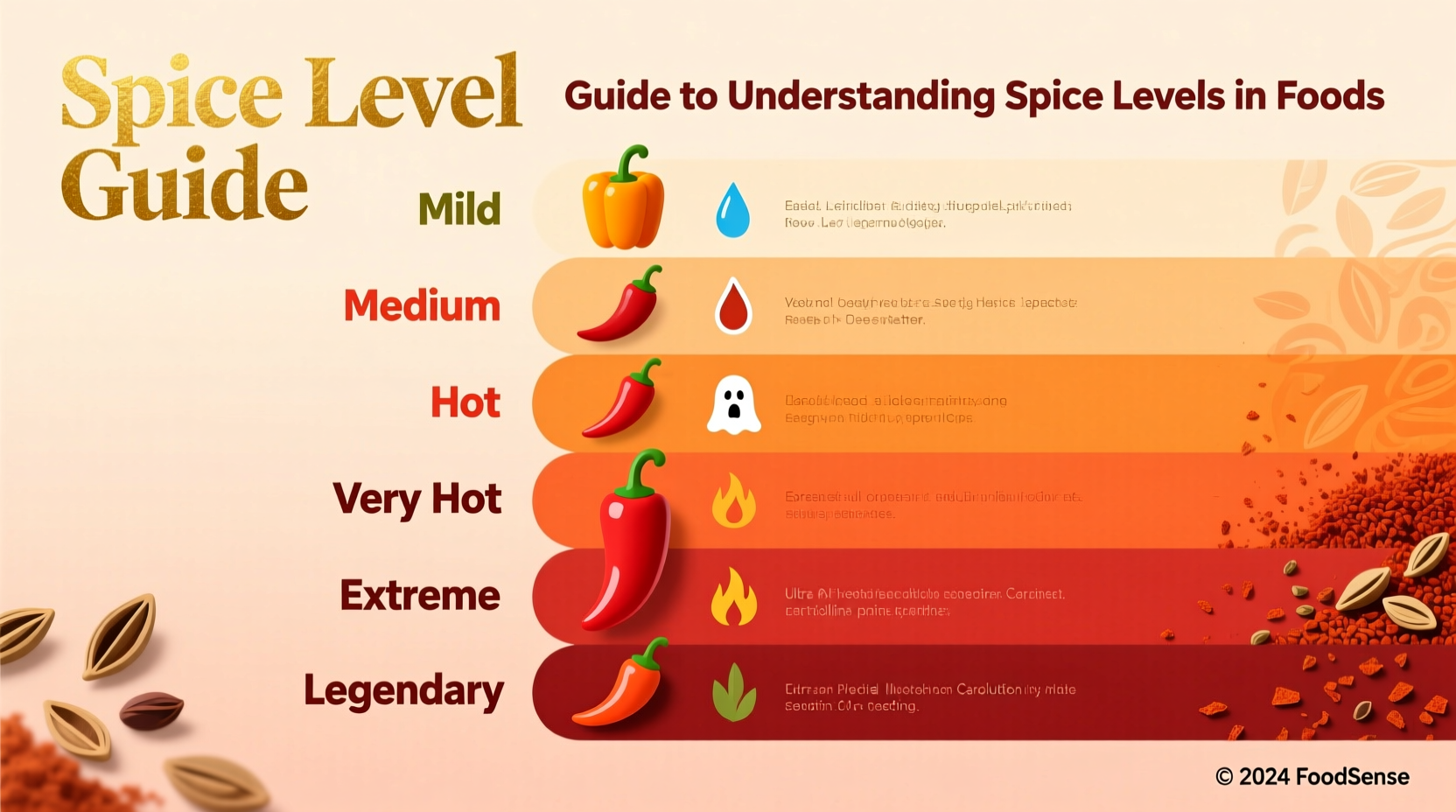
Spice level refers to the degree of pungency or heat in food, primarily caused by compounds like capsaicin found in chili peppers. It is not synonymous with flavor complexity; a dish can be highly spiced (aromatic) without being hot, or intensely hot without much aromatic depth. However, in everyday usage, “spicy” often connotes heat rather than overall seasoning.
The perception of spice originates from chemesthetic stimulation—specifically, the activation of TRPV1 receptors in the mouth and throat, which respond to heat, acidity, and certain chemical irritants. Capsaicin mimics thermal burn, tricking the brain into sensing actual temperature rise. This biological response explains why spicy food induces sweating, flushing, and endorphin release—the so-called “chili high.”
Globally, spice tolerance varies widely. In regions like Sichuan Province in China, Northeast India, or Oaxaca, Mexico, daily diets regularly include extreme heat levels that might overwhelm unaccustomed palates. These preferences are shaped by climate, tradition, and even microbiological adaptation—some studies suggest capsaicin has antimicrobial properties beneficial in warm climates where food spoilage is rapid.
Key Characteristics of Spiciness
- Primary Compound: Capsaicin (and related capsaicinoids like dihydrocapsaicin)
- Heat Source: Mostly derived from plants in the *Capsicum* genus (chili peppers)
- Sensory Effect: Burning or tingling sensation on lips, tongue, and throat
- Delayed Onset: Heat builds gradually and may linger after swallowing
- Pain Response: Triggers endorphin and dopamine release, creating pleasurable feedback loops
- Culinary Role: Adds dimension, contrast, and excitement—not just heat for its own sake
Pro Tip: Fat, sugar, and dairy mitigate capsaicin’s effects more effectively than water. A spoonful of yogurt or a slice of bread with butter cools the palate faster than drinking water, which spreads the oil-based irritant.
Measuring Heat: The Scoville Scale and Beyond
The most widely recognized method for quantifying spiciness is the Scoville Heat Unit (SHU) scale, developed by pharmacist Wilbur Scoville in 1912. Originally a subjective test involving human tasters diluting chili extracts until heat was undetectable, modern methods use high-performance liquid chromatography (HPLC) to measure capsaicin concentration precisely, then convert results to Scoville units.
While imperfect due to individual variation in heat perception, the Scoville scale remains a practical reference. Below is a comparative overview of common peppers and prepared foods:
| Pepper / Food | Scoville Heat Units (SHU) | Perceived Heat Level |
|---|---|---|
| Bell Pepper | 0 | Mild (no heat) |
| Poblano | 1,000–2,000 | Mild |
| Jalapeño | 2,500–8,000 | Moderate |
| Serrano | 10,000–23,000 | Hot |
| Habanero | 100,000–350,000 | Very Hot |
| Ghost Pepper (Bhut Jolokia) | 800,000–1,041,427 | Extreme |
| Carolina Reaper | 1,400,000–2,200,000 | Extra Extreme |
| Pepper X (holder of Guinness World Record as of 2023) | 2,693,000+ | Maximum Human Tolerance |
Note that SHU values represent ranges, not fixed numbers. Growing conditions, soil composition, sunlight exposure, and plant stress significantly affect capsaicin production. A stressed pepper plant under drought may produce fruit twice as hot as one grown in ideal conditions.
“The Scoville scale is essential for standardization, but it doesn’t capture the full sensory profile—some peppers deliver sharp, immediate fire, while others build slowly with fruity undertones.” — Dr. Paul Bosland, Director, Chile Pepper Institute, New Mexico State University
Practical Usage: How to Use Spice Levels in Cooking
Managing heat in cooking involves more than choosing a pepper based on SHU. It requires understanding timing, preparation, and balance.
Step-by-Step Guide to Controlling Heat in Dishes
- Select the Right Pepper: Match the pepper’s heat and flavor to the dish. Smoked chipotles add warmth and smokiness to stews; fresh bird’s eye chilies bring bright, piercing heat to Thai salads.
- Control Seed and Membrane Content: Capsaicin concentrates in the placental tissue (white ribs) and seeds. Remove them to reduce heat without sacrificing flavor.
- Adjust Timing: Add whole or crushed dried chilies early to infuse oil gradually. Fresh minced chilies added at the end preserve their volatile aromatics and sharper bite.
- Balance with Complementary Flavors: Sweetness (honey, fruit), acidity (lime, vinegar), salt, and fat (coconut milk, cheese) all counteract perceived heat.
- Taste Incrementally: Always taste as you go. Heat compounds intensify during cooking and mellow slightly upon resting—but never assume dilution will fully neutralize excessive spice.
Professional Techniques
- Dry Toasting: Lightly toasting dried chilies before rehydrating enhances depth and reduces raw bitterness, making heat more rounded.
- Infused Oils: Steeping mild chilies like guajillo in warm oil creates a flavorful base for sautéing without overwhelming heat.
- Layered Heat: Combine multiple chili types—for example, using ancho for sweetness and jalapeño for kick—to create complex, multidimensional spice profiles.
Chef’s Note: In restaurant kitchens, consistency is key. Chefs often pre-test batches of chilies using small sample sauces before scaling up recipes. This avoids batch-to-batch variability in heat.
Variants & Types: Forms of Spicy Ingredients
Chilies and spices come in many forms, each affecting heat delivery differently:
| Form | Examples | Heat Characteristics | Best Uses |
|---|---|---|---|
| Fresh Chilies | Jalapeño, serrano, Thai bird’s eye | Immediate, bright, sometimes grassy heat | Salsas, stir-fries, garnishes |
| Dried Whole Chilies | Guajillo, ancho, pasilla, arbol | Deeper, earthier, more concentrated heat | Moles, stews, rehydrated sauces |
| Ground Chili Powders | Cayenne, paprika (sweet/hot), chili powder blends | Uniform dispersion; cayenne is pure heat, paprika adds color | Dry rubs, soups, marinades |
| Flakes and Crushed Chilies | Red pepper flakes, Aleppo, Urfa biber | Textural crunch with bursts of heat; some have smoky or raisin-like notes | Pasta, pizza, finishing oils |
| Pastes and Sauces | Sriracha, gochujang, harissa | Heat blended with fermentation, sweetness, or umami | Glazes, dips, condiments |
| Extracts and Pure Capsaicin | Pepper sprays, lab-grade capsaicin | Extremely dangerous if mishandled; not for culinary use outside controlled environments | Industrial applications only |
Not all “spicy” ingredients are chilies. Mustard, horseradish, and wasabi activate different receptors (TRPA1), producing a nasal-clearing, fleeting heat that dissipates quickly. Black pepper’s piperine delivers a short-lived, sharp warmth. These should not be confused with capsaicin-driven heat, though they’re often grouped under “spicy” in casual conversation.
Comparison with Similar Ingredients
Many ingredients are mistaken for one another due to naming confusion or similar appearances. Understanding differences prevents recipe errors.
| Ingredient Pair | Differences |
|---|---|
| Habanero vs. Scotch Bonnet | Genetically similar, both extremely hot (100,000–350,000 SHU), but Scotch bonnets are squatter and often fruitier. Common in Caribbean cuisine; habaneros dominate Mexican and Central American dishes. |
| Cayenne vs. Red Pepper Flakes | Cayenne is ground dried chili (usually capsicum annuum), consistent in heat. Red pepper flakes are crushed dried chilies (often mixed types), varying in seed content and intensity. One teaspoon cayenne ≈ 1.5 tsp flakes, but adjust to taste. |
| Thai Bird’s Eye Chili vs. Jalapeño | Bird’s eye chilies (50,000–100,000 SHU) are 6–10x hotter than jalapeños (2,500–8,000 SHU). Visually similar when green, but smaller and thinner. Never substitute one-for-one without adjustment. |
| Paprika vs. Chili Powder | Paprika can be sweet, smoked, or hot—but “chili powder” in the U.S. usually refers to a blend (paprika + cumin, garlic, oregano). Check labels: pure paprika lacks supporting spices. |
Practical Tips & FAQs
How do I increase my spice tolerance?
Regular exposure trains your pain receptors to adapt. Start with mild chilies like poblano or Anaheim, consuming them consistently. Over weeks, your threshold will rise as neural sensitivity decreases. Pair new heat levels with familiar foods to ease the transition.
Why does spice feel hotter when I’m eating alone versus in a group?
Psychological and social factors influence pain perception. Eating spicy food in a social setting triggers distraction, shared laughter, and positive reinforcement—all of which reduce the subjective experience of burn.
Can children eat spicy food?
Yes, in moderation. There's no physiological reason to avoid chilies entirely, but immature digestive systems may react more strongly. Introduce mild forms (e.g., a pinch of paprika in soup) early to build familiarity. Avoid extreme heat until adolescence.
What are non-chili sources of heat?
- Wasabi: Real wasabi (from *Wasabia japonica*) delivers a fast, clean nasal heat that fades quickly. Most commercial “wasabi” is a mix of horseradish, mustard, and green dye.
- Black Pepper: Piperine causes a brief, sharp warmth, primarily on the tongue.
- Horseradish: Volatile allyl isothiocyanate stimulates nasal passages more than the mouth.
How should I store spicy ingredients?
- Fresh chilies: Store in crisper drawer, unwashed, in perforated bag. Lasts 1–2 weeks. For longer storage, freeze whole or slice first.
- Dried chilies: Keep in airtight container away from light and moisture. Shelf life: 6–12 months (flavor diminishes over time).
- Ground spices: Lose potency faster than whole. Replace chili powders every 6 months for optimal flavor.
- Hot sauces: Refrigerate after opening. Vinegar-based versions last up to 2 years; fresh pepper sauces (like sriracha) degrade in 6–12 months.
What if a dish becomes too spicy?
Rescue strategies depend on the dish type:
- Add bulk: Stir in more unsalted base ingredients (rice, beans, tomatoes).
- Incorporate dairy: Swirl in sour cream, yogurt, or coconut milk.
- Introduce sweetness: A touch of honey, maple syrup, or fruit balances heat.
- Dilute acidity: If already acidic, adding more vinegar worsens perception. Instead, add starch or fat.
- Serve with cooling sides: Cucumber raita, plain rice, or banana slices provide relief.
Are there health benefits to eating spicy food?
Studies link regular chili consumption to lower risks of cardiovascular disease, improved metabolism, and reduced inflammation. Capsaicin has been studied for its potential role in weight management and pain relief. However, those with GERD, ulcers, or IBS should moderate intake, as heat can exacerbate symptoms.
Summary & Key Takeaways
Understanding spice levels transforms cooking from guesswork into precision. Key points to remember:
- Spice level is measured scientifically via the Scoville scale, but perception varies by individual and context.
- Capsaicin is the primary compound responsible for heat, concentrated in pepper membranes and seeds.
- Different chili forms—fresh, dried, powdered, pastes—deliver heat differently and serve distinct culinary functions.
- Balancing heat with fat, sugar, acid, and salt improves palatability and complexity.
- Never substitute hot peppers one-for-one without adjusting for SHU differences.
- Storage and freshness impact both flavor and heat intensity—replace old spices regularly.
- Building tolerance is possible through gradual, consistent exposure.
Next time you reach for a chili, consider not just how hot it is, but how that heat behaves—its onset, duration, and synergy with other flavors. Mastering spice levels isn't about enduring burn; it's about harnessing fire to elevate your food.




 浙公网安备
33010002000092号
浙公网安备
33010002000092号 浙B2-20120091-4
Comments
No comments yet. Why don't you start the discussion?