
Guinea pigs are sensitive creatures, and frequent sneezing is often one of the first signs that something in their environment isn’t quite right. While occasional sneezing can be normal—especially if your pet is exploring a new area or reacting to dust—consistent or repeated sneezing should never be ignored. Unlike humans, guinea pigs don’t develop colds in the same way, but they are highly susceptible to respiratory irritation and infections caused by poor air quality, allergens, or stress. The good news is that most causes of frequent sneezing are preventable with simple adjustments to their habitat and routine care.
Understanding what’s triggering your guinea pig’s sneezing allows you to act quickly before minor irritation escalates into a more serious health issue. This guide breaks down the most common environmental culprits, offers practical solutions, and provides a clear action plan to restore your pet’s comfort and well-being.
Common Environmental Triggers of Guinea Pig Sneezing
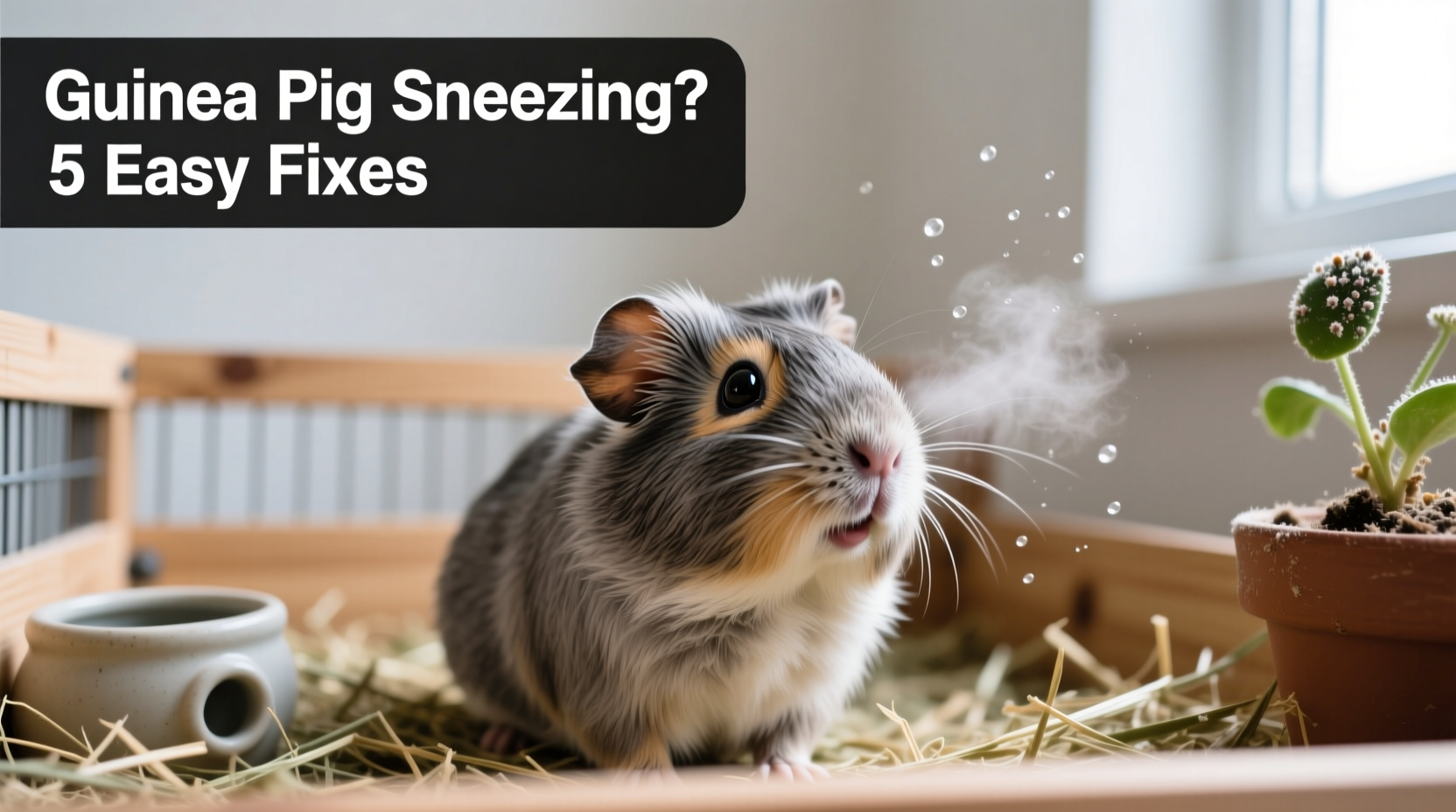
Guinea pigs have delicate respiratory systems. Their small lungs and fast breathing rate make them vulnerable to airborne irritants. Identifying the source of irritation is key to stopping the sneezing and preventing long-term damage.
- Dusty bedding: Cedar and pine shavings are notorious for releasing aromatic oils and fine dust particles that irritate the nasal passages. Even some recycled paper beddings can be dusty if not processed properly.
- Poor ventilation: Stale air, especially in rooms with little airflow, traps ammonia from urine and other pollutants, leading to chronic nasal irritation.
- Cleaning product fumes: Strong-smelling disinfectants, air fresheners, or scented candles near the cage can overwhelm a guinea pig’s sensitive nose.
- Allergens: Pollen, mold spores, or household dust can enter the enclosure, particularly if it's placed near windows or damp areas.
- Hay quality: Moldy or overly dusty hay is a major culprit. Guinea pigs root through hay constantly, inhaling particles with every movement.
- Nearby appliances: Vacuum cleaners, heaters, or fans can stir up dust and create drafts that carry irritants directly into the cage.
Step-by-Step Guide to Reducing Sneezing Triggers
Addressing sneezing requires a systematic approach. Follow this timeline to identify and eliminate the most likely causes:
- Day 1: Inspect the current setup
Examine the bedding, hay, cage location, and cleaning products used. Remove any cedar, pine, or strongly scented materials. Check for visible mold or dampness. - Day 2: Switch to safe bedding
Replace dusty or aromatic bedding with fleece liners, aspen shavings (not cedar or pine), or high-quality paper-based bedding like Carefresh (unscented). Fleece is reusable and produces zero dust when washed correctly. - Day 3: Evaluate hay quality
Source fresh, mold-free hay from a reputable supplier. Store hay in a cool, dry place in sealed containers. Fluff a small amount before adding it to the cage to release trapped dust. - Day 4: Improve ventilation
Move the cage away from corners, basements, or bathrooms where air stagnates. Ensure the room has natural airflow or use an air purifier with a HEPA filter nearby (not directly blowing on the cage). - Day 5: Eliminate chemical exposure
Stop using perfumed cleaners, air fresheners, or aerosols in the same room. Clean the cage with mild white vinegar and water (1:1 ratio) or a pet-safe disinfectant approved for small animals. - Day 6–7: Monitor changes
Observe your guinea pig closely. Note frequency of sneezing, appetite, activity level, and any nasal discharge. Improvement within 3–5 days suggests environmental success.
“Respiratory issues in guinea pigs are often misdiagnosed as infections when the real problem is environmental. A thorough habitat review should always come before antibiotics.” — Dr. Laura Silverman, DVM, Exotic Animal Specialist
Do’s and Don’ts: Quick Reference Table
| Action | Do | Don't |
|---|---|---|
| Bedding | Use fleece, aspen, or paper-based bedding | Use cedar, pine, or scented bedding |
| Hay Storage | Store in sealed bins in a dry, dark place | Leave open in humid or sunny areas |
| Cage Location | Place in quiet, draft-free room with airflow | Put in basement, bathroom, or near kitchen stove |
| Cleaning Products | Vinegar solution or pet-safe disinfectants | Bleach, ammonia, or scented sprays |
| Air Quality | Use HEPA air purifier nearby | Run strong fans or heaters near the cage |
Mini Case Study: Bella the Sensitive Squeaker
Sarah noticed her two-year-old guinea pig Bella sneezing multiple times a day for over a week. There was no nasal discharge or lethargy, but the sneezing worsened after cage cleaning. Concerned, Sarah brought Bella to a small animal vet. After a physical exam ruled out infection, the vet asked about the cleaning routine.
Sarah revealed she had recently switched to a “natural” citrus-scented cleaner to replace bleach. The vet advised her to stop using it immediately. She also discovered that the hay bag had been stored under the sink, where a slow leak had increased humidity. Though the hay looked dry, it carried a faint musty odor.
Sarah changed the hay source, moved the storage to a dry closet, and began using a vinegar-water mix for cleaning. Within four days, Bella’s sneezing stopped completely. This case highlights how subtle environmental factors—often overlooked by owners—can significantly impact a guinea pig’s health.
Checklist: 7-Day Action Plan for a Healthier Habitat
Follow this checklist to systematically reduce sneezing triggers:
- ☐ Remove all cedar, pine, or scented bedding
- ☐ Switch to low-dust alternatives like fleece or unscented paper bedding
- ☐ Inspect hay for mold, dust, or odor—discard if questionable
- ☐ Store hay in airtight containers in a dry, dark space
- ☐ Relocate cage away from drafts, direct sunlight, and high-humidity zones
- ☐ Replace chemical cleaners with vinegar solution or pet-safe alternatives
- ☐ Introduce an air purifier with HEPA filtration in the room (optional but effective)
- ☐ Monitor your guinea pig daily for improvement or worsening symptoms
When to Worry: Signs Beyond Environmental Irritation
While most sneezing resolves with environmental fixes, some symptoms indicate a more serious condition requiring veterinary care. Guinea pigs are experts at hiding illness, so subtle changes matter.
Seek immediate veterinary attention if your guinea pig shows any of the following:
- Thick yellow or green nasal discharge
- Laborious or wheezing breathing
- Loss of appetite or reduced fecal output
- Lethargy or huddling in a corner
- Sneezing accompanied by eye discharge
- Weight loss over several days
These could signal bacterial pneumonia, dental disease affecting the sinuses, or fungal infection—all of which require prescription treatment. Delaying care can lead to severe complications, as guinea pigs deteriorate quickly once ill.
Frequently Asked Questions
Is it normal for guinea pigs to sneeze occasionally?
Yes, an occasional sneeze—such as when disturbed by dust while burrowing—is normal. However, repeated sneezing (more than a few times a day) or persistent episodes over several days warrant investigation.
Can I use a regular vacuum near my guinea pig’s cage?
It’s best to avoid vacuuming in the same room while your guinea pig is present. The noise stresses them, and the machine stirs up dust that lingers in the air. If necessary, remove the cage temporarily or wait until after cleaning to return them.
How often should I clean the cage to prevent sneezing?
Spot-clean droppings and soiled bedding daily. Perform a full cage change weekly, including washing accessories. Consistent cleaning prevents ammonia buildup, a major respiratory irritant.
Final Thoughts and Call to Action
Frequent sneezing in guinea pigs is rarely harmless. It’s a signal—an early warning system—that their environment needs adjustment. By taking prompt, informed action, you can often resolve the issue before it leads to illness. The key is vigilance: paying attention to subtle cues, making thoughtful changes, and knowing when to seek professional help.
Your guinea pig relies entirely on you for a safe, healthy living space. Small improvements—like switching to dust-free bedding or storing hay properly—can dramatically enhance their quality of life. Don’t wait for symptoms to worsen. Start today by auditing your pet’s habitat using the checklist above.




 浙公网安备
33010002000092号
浙公网安备
33010002000092号 浙B2-20120091-4
Comments
No comments yet. Why don't you start the discussion?