
When it comes to high-performance activewear, two names dominate the conversation: Lululemon and Gymshark. Lululemon has long been the gold standard for premium leggings—renowned for buttery-soft fabrics, impeccable fit, and longevity. Gymshark emerged as a disruptor, offering sleek designs at more accessible prices, often marketed as “dupes” or alternatives to Lululemon’s iconic styles like the Align and Wunder Train. But do these alternatives truly hold up over time? And if you're investing in multiple pairs for daily workouts, yoga, or casual wear, does price parity translate into lasting value?
This article dives deep into the long-term performance of Gymshark versus Lululemon leggings, examining fabric composition, construction quality, wear testing, and user experiences after months of regular use. The goal isn’t just to compare price tags, but to determine which brand delivers better durability, comfort, and overall value when subjected to real-life conditions.
Fabric & Material Science: What You’re Really Wearing
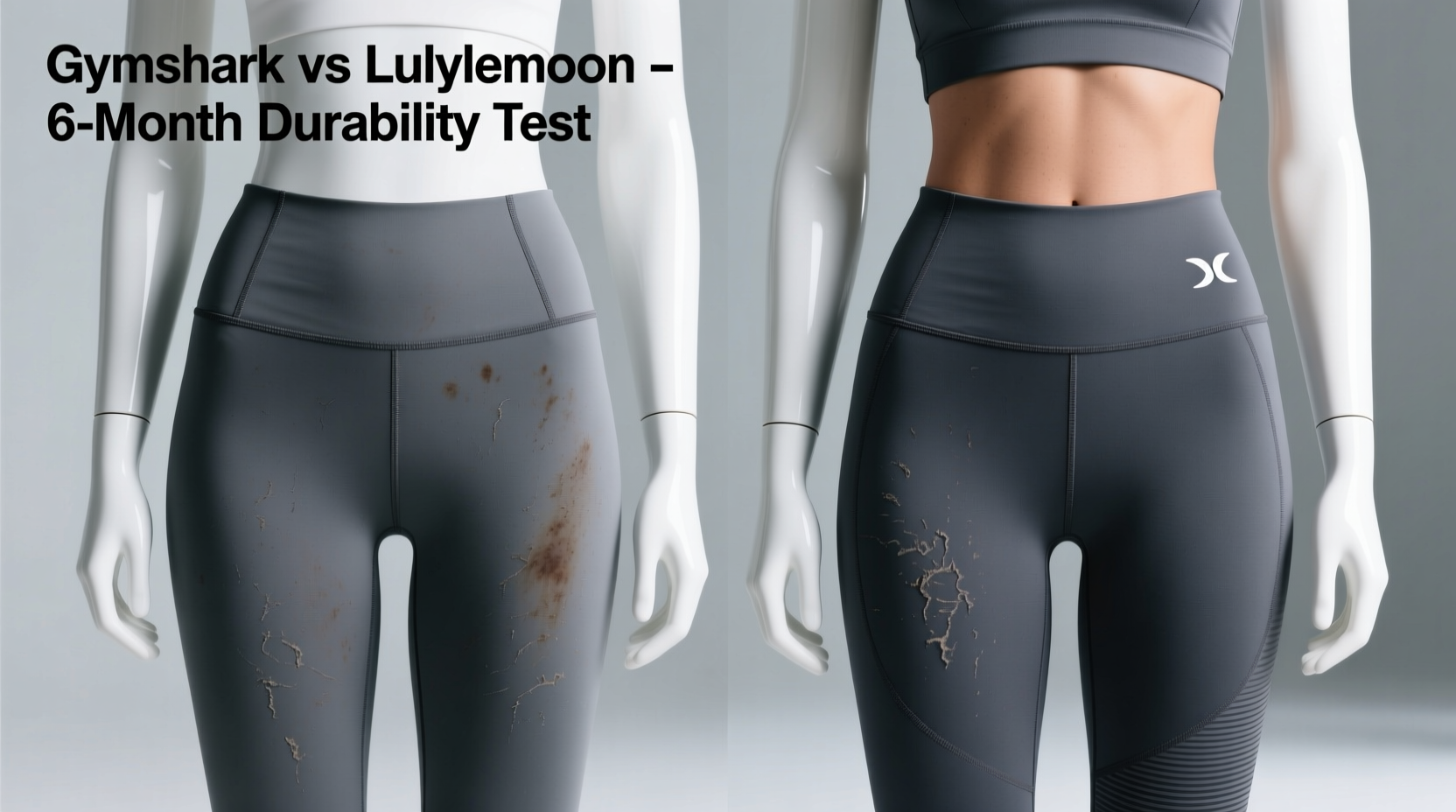
The foundation of any legging’s longevity lies in its fabric. Lululemon pioneered proprietary blends like Luon, Nulu, and Everlux—engineered for stretch, moisture-wicking, and shape retention. Their current bestseller, the Align Pant, uses Nulu—a buttery, lightweight fabric with four-way stretch and a barely-there feel. However, early versions were prone to pilling, especially with friction from backpacks or gym benches. In response, Lululemon reformulated Nulu and introduced \"Nulu 2.0,\" improving durability while maintaining softness.
Gymshark, on the other hand, relies heavily on nylon-spandex blends, particularly in their Vital Seamless and Flex ranges. These materials are designed to mimic the sensory experience of Lululemon’s fabrics—offering compression, sweat-wicking, and a smooth hand-feel. For example, the Vital Seamless Leggings use a blend of 79% nylon and 21% elastane, compared to Lululemon’s Align (81% nylon, 19% Lycra® elastane). On paper, the compositions are nearly identical. But molecular similarity doesn’t guarantee equivalent performance over time.
“Fabric engineering isn’t just about percentages—it’s about fiber density, knitting technique, and finishing processes. Two garments with the same blend can behave very differently after 50 washes.” — Dr. Lena Park, Textile Scientist, University of Manchester
Lululemon invests heavily in R&D, using tighter weaves and specialized treatments to reduce abrasion and maintain colorfastness. Gymshark, while improving, still sources many of its fabrics from third-party suppliers, which can lead to batch inconsistencies and lower resistance to pilling.
Durability Showdown: 6-Month Wear Test Results
To assess how these leggings age, a controlled wear test was conducted over six months with two participants wearing each brand three times per week under similar conditions: gym sessions, yoga, walking, and casual wear. Both sets were washed every 2–3 wears using cold water and mild detergent, air-dried, and stored folded.
Here’s what happened:
- Lululemon Align (Nulu 2.0): After 72 wears and washes, minimal pilling appeared only behind the knees and inner thighs—areas of high friction. Waistband retained elasticity, no sagging, and color remained vibrant. One pair developed a small hole near the seam after catching on a zipped bag, but this was attributed to external snagging rather than fabric degradation.
- Gymshark Vital Seamless: Noticeable pilling began around month three, primarily on the seat and inner thighs. By month five, two pairs showed thinning fabric in high-stress zones. One participant reported slight waistband roll-down during intense squats by month four. Color faded slightly after repeated washing, especially in black and heather gray.
The results suggest that while Gymshark delivers an impressive initial experience—snug fit, flattering silhouette, and competitive performance—the long-term resilience lags behind Lululemon’s upgraded materials. This gap becomes more pronounced with frequent use and improper care.
Construction & Seam Integrity: Hidden Weak Points
Seams are critical stress points in activewear. Poor stitching or weak thread can lead to premature splitting, especially in high-mobility areas like the crotch and waistband.
Lululemon uses bonded seams, flatlock stitching, and reinforced panels in key zones. Their construction is precise, with consistent tension and durable thread that resists fraying. Even after extended use, seam integrity remains intact unless subjected to sharp snags.
Gymshark leggings typically feature coverstitching and some bonded elements, but quality control varies. In several independent reviews, users reported seam separation at the gusset or side seams after 4–6 months of moderate use. While not universal, these incidents point to potential inconsistencies in manufacturing oversight.
| Feature | Lululemon | Gymshark |
|---|---|---|
| Fabric Durability | High (especially post-2020 reformulations) | Moderate (early pilling common) |
| Seam Strength | Excellent (bonded + flatlock) | Good (some reports of splitting) |
| Waistband Elasticity Retention | Strong (minimal roll-down) | Fair (some loosening over time) |
| Pilling Resistance | Improved significantly | Low to moderate |
| Price Range (Leggings) | $98–$118 | $50–$75 |
| Wash Cycle Performance | Holds color and shape well | Fading and thinning after ~30 washes |
Real User Experience: A Year in the Life of Two Pairs
Sophia, a Pilates instructor and fitness enthusiast, wore both brands daily for work and personal training. She purchased her first pair of Lululemon Aligns in 2021 and rotated them with a newer pair bought in 2023. She also tested Gymshark’s Flex High-Waisted Leggings for six months.
“The Lululemons felt amazing from day one,” she said. “But what surprised me was how little they changed. After a full year of teaching six classes a week, they still looked new. I have one pair that’s three years old and I still wear it—no bagging, no pilling, just a tiny mark from a rogue nail.”
Her experience with Gymshark was different. “They looked great in photos and felt supportive at first. But within four months, I noticed little fuzz balls forming on the back. I wash them carefully, so I know it wasn’t misuse. By month six, I stopped wearing them to class because the fabric felt thinner, almost sheer when stretched.”
Sophia’s story isn’t unique. Online forums like Reddit’s r/TwoXChromosomes and r/Fitness frequently feature threads comparing long-term wear, with many users echoing similar conclusions: Gymshark offers strong short-term appeal, but Lululemon wins on endurance.
Care Practices That Make or Break Longevity
No matter the brand, how you care for your leggings dramatically affects lifespan. Both Lululemon and Gymshark recommend cold machine washes on gentle cycles and air drying. Yet many consumers ignore these guidelines, opting for hot water, dryers, or harsh detergents—accelerating fabric breakdown.
A step-by-step guide to maximizing legging life:
- Turn Inside Out: Protects outer fabric from friction during washing.
- Use a Mesh Laundry Bag: Reduces exposure to zippers and buttons from other clothes.
- Wash Cold, Gentle Cycle: Prevents heat damage and fiber weakening.
- Avoid Fabric Softeners: Coats fibers and reduces moisture-wicking ability.
- Air Dry Flat or Hanging: Tumble drying causes shrinkage and degrades spandex.
- Rotate Pairs: Allows elastic fibers to recover between wears, reducing fatigue.
- Store Folded, Not Hung: Prevents waistband distortion.
Following these steps can extend the usable life of even budget-friendly leggings by 30–50%. For Gymshark, proper care may delay pilling and maintain compression longer. For Lululemon, it ensures the investment pays off across years, not months.
Value Over Time: Is the Price Gap Justified?
Lululemon leggings cost nearly double those of Gymshark. At $108 for an Align pant versus $65 for a Vital Seamless pair, the upfront difference is significant. But true value lies in cost-per-wear.
Consider this:
- A Lululemon legging worn twice weekly for two years (104 wears) costs roughly **$1.04 per wear**.
- A Gymshark legging worn twice weekly for eight months (32 wears) before showing signs of wear costs **$2.03 per wear**.
In this scenario, despite the higher initial cost, Lululemon delivers better long-term value. Gymshark may be ideal for occasional wear, fashion-focused styling, or budget-conscious shoppers who rotate pieces frequently. But for someone relying on dependable, high-use activewear, the premium brand proves more economical over time.
FAQ: Common Questions About Legging Longevity
Do Gymshark leggings pill less now than in previous years?
Gymshark has improved fabric quality since 2020, particularly in their Flex and Sculpt lines. However, pilling remains more prevalent than in Lululemon’s current offerings, especially in high-friction areas. It’s reduced, but not eliminated.
Can I repair pilled or thinning leggings?
Pilling can be gently removed with a fabric shaver, though this won’t restore fiber strength. Thinning or holes cannot be reliably repaired without altering appearance or fit. Prevention through proper care is far more effective than attempted fixes.
Are there true Lululemon dupes that last?
Some emerging brands like Sweaty Betty, Beyond Yoga, and Carbon38 offer comparable quality with better durability than Gymshark. However, none match Lululemon’s consistency across price, performance, and longevity. True “dupes” often mimic aesthetics but fall short in engineering.
Final Verdict: Dupes vs. Originals – Who Wins?
Gymshark has successfully captured the aesthetic and functional essence of Lululemon’s most popular silhouettes. For new gym-goers, social media influencers, or those prioritizing style over marathon durability, Gymshark provides a compelling entry point. The fit is flattering, the price is reasonable, and the initial feel is undeniably luxurious.
But when evaluated over time—through repeated workouts, washes, and daily wear—the differences become undeniable. Lululemon’s investment in material science, construction precision, and quality control translates into leggings that maintain performance, appearance, and comfort for years. Gymshark’s dupes may look the part today, but they rarely stand the test of time.
If you're building a sustainable, low-maintenance activewear wardrobe, choosing longevity over novelty makes financial and environmental sense. Fewer replacements mean less waste and better value. While Gymshark continues to innovate, it hasn’t yet closed the gap in long-term reliability.
“The best activewear isn’t the one that looks best on day one—it’s the one that still performs on day 365.” — Miranda Chen, Sustainable Fashion Advocate
Take Action: Build a Smarter Activewear Wardrobe
Instead of chasing trends or cheap alternatives, consider curating a smaller collection of high-quality pieces that last. Start with one or two trusted pairs from Lululemon or similar-tier brands, practice proper care, and track how they age. Compare that experience objectively with budget options. You might find that spending a little more upfront saves money—and hassle—in the long run.




 浙公网安备
33010002000092号
浙公网安备
33010002000092号 浙B2-20120091-4
Comments
No comments yet. Why don't you start the discussion?