
In an age of constant distractions and overflowing to-do lists, habit tracker apps have surged in popularity. From simple checkbox interfaces to gamified streaks and progress bars, these tools promise to help users build better routines—one tap at a time. But beneath the satisfying ping of a completed task lies a deeper question: Do checkmarks actually change behavior, or are they just digital placebo buttons?
The answer isn’t as straightforward as app marketers suggest. While millions swear by their daily streaks in apps like Habitica, Streaks, or Loop, others abandon them after a week, frustrated by unmet goals and fading motivation. The truth is, habit tracker apps can be effective—but only under specific psychological and behavioral conditions.
The Psychology Behind the Checkmark
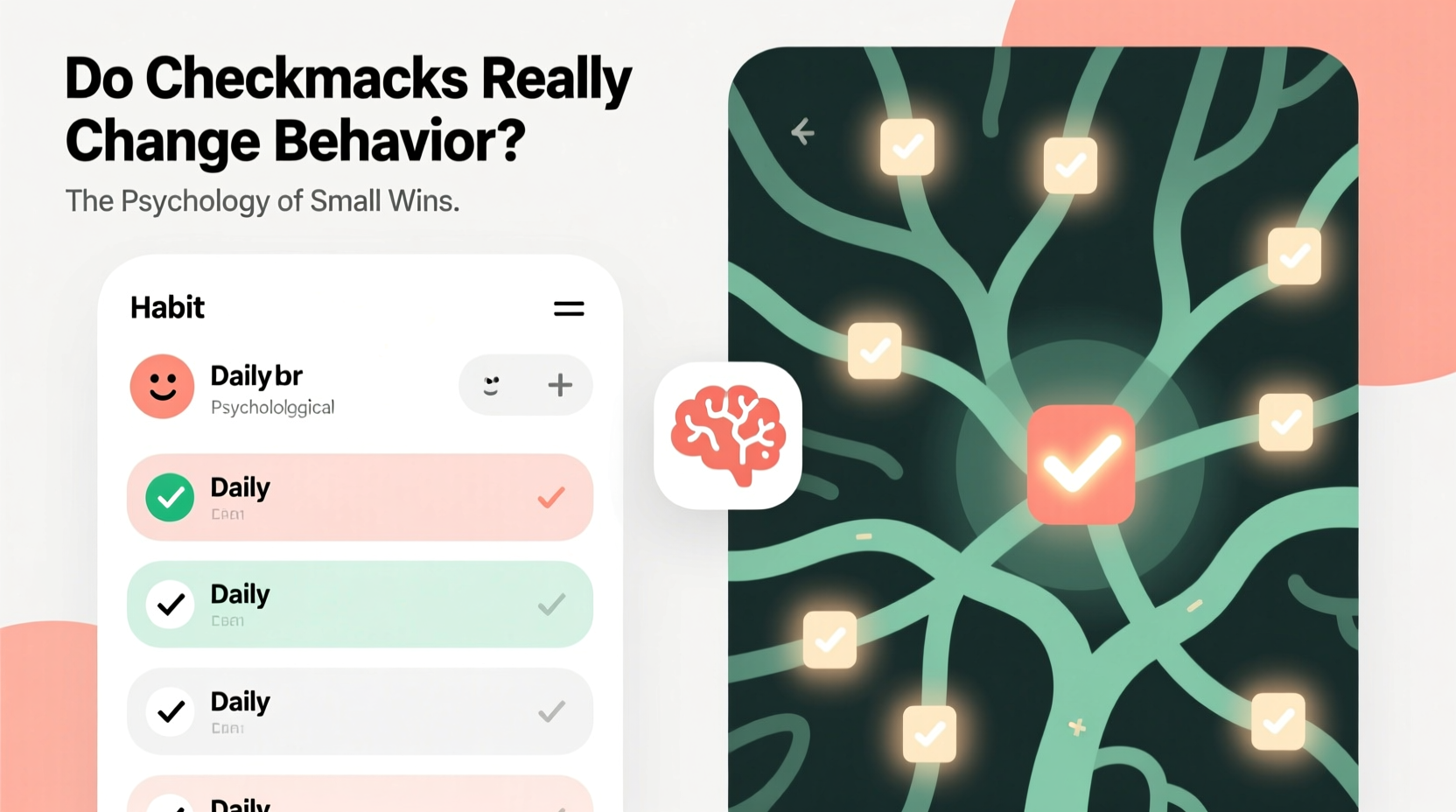
The appeal of ticking off a box runs deep in human psychology. It taps into our brain’s reward system. When we complete a task—no matter how small—our brain releases dopamine, a neurotransmitter associated with pleasure, motivation, and reinforcement. This neurological response is central to habit formation.
According to Dr. Judson Brewer, neuroscientist and author of The Craving Mind, “Rewards that are immediate and tangible reinforce behavior more effectively than distant outcomes.” A checkmark acts as an instant signal of completion, providing a micro-reward that strengthens the neural pathways associated with the behavior.
“We don’t repeat behaviors because they’re good for us in the long run. We repeat them because they feel rewarding right now.” — Dr. Katy Milkman, Behavioral Scientist, University of Pennsylvania
This explains why people often stick to habits tracked via apps more consistently than those done silently. The visual feedback loop—the act of seeing a growing chain of checkmarks—creates a sense of momentum. Miss one day, and the streak breaks. That loss aversion, a principle well-documented in behavioral economics, becomes a powerful motivator.
When Habit Trackers Work—and When They Don’t
Effectiveness depends not on the tool itself, but on how it aligns with human behavior patterns. Research from the European Journal of Social Psychology suggests it takes an average of 66 days to form a habit, though this varies widely depending on complexity and individual differences.
Trackers work best when they support three key principles:
- Clarity: The habit must be defined with precision (e.g., “meditate for 5 minutes” vs. “be mindful”).
- Consistency: Daily tracking reinforces routine and reduces decision fatigue.
- Immediate Feedback: The checkmark serves as real-time acknowledgment of effort.
However, trackers fail when they become sources of guilt or anxiety. If missing a day leads to discouragement rather than reflection, the app shifts from being a supportive tool to a judge. In such cases, the pressure to maintain a streak can undermine intrinsic motivation—the internal desire to perform a behavior for its own sake.
A Closer Look: Features That Enhance Effectiveness
Not all habit tracker apps are created equal. Some include features grounded in behavioral science, while others rely purely on aesthetics. Below is a comparison of common features and their actual impact on habit formation.
| Feature | Effectiveness | Why It Works (or Doesn’t) |
|---|---|---|
| Daily Checkmarks | High | Provides instant feedback and reinforces small wins through dopamine release. |
| Streak Counters | Moderate to High | Leverages loss aversion; however, can lead to burnout if users prioritize the streak over well-being. |
| Reminders & Notifications | Moderate | Useful for cueing behavior, but excessive alerts may cause notification fatigue. |
| Progress Charts & Analytics | Low to Moderate | Long-term insights are valuable, but delayed feedback lacks motivational power. |
| Sharing/Accountability Features | Moderate | Social accountability increases commitment, especially when shared with a trusted partner. |
| Gamification (badges, points) | Low | Fades quickly in adults; novelty wears off, leading to disengagement. |
The most effective apps combine simplicity with behavioral nudges. For example, Loop Habit Tracker (Android) and Streaks (iOS) limit users to a small number of habits, reducing overwhelm and increasing focus. Simplicity prevents decision paralysis—a major obstacle in early habit formation.
Real-World Example: Can a Checkmark Help You Exercise Daily?
Consider Sarah, a 34-year-old project manager who wanted to start exercising regularly. She’d tried multiple times before, using fitness journals and calendar notes, but always quit within two weeks. Frustrated, she downloaded a minimalist habit tracker app focused solely on logging workouts with a single tap.
She set a goal: “Walk for 20 minutes, 5 days a week.” Each time she completed a walk, she tapped the screen. A green checkmark appeared, and her streak counter increased. After ten days, she reached “10-day streak!” with a subtle animation. She noticed something unexpected: she didn’t want to break it.
Even on rainy days, she put on her coat and walked around the block—just to keep the streak alive. Over time, the walk became enjoyable. She started listening to podcasts, then upgraded to brisk walking, then jogging. Six months later, she ran her first 5K.
Was it the checkmark that changed her behavior? Not directly. But the checkmark acted as a catalyst. It transformed an abstract goal into a visible, ongoing commitment. It reduced the mental effort required to decide whether to exercise each day. And it provided just enough positive reinforcement to bridge the gap between intention and action.
Step-by-Step: How to Use a Habit Tracker Effectively
To maximize the benefits of a habit tracker app, follow this evidence-based sequence:
- Choose One Habit at a Time: Start small. Focus on a single, clearly defined behavior (e.g., “drink a glass of water after brushing teeth” instead of “drink more water”).
- Select the Right App: Pick one with minimal distractions. Avoid apps cluttered with social features or complex dashboards. Prioritize ease of use.
- Anchor the Habit to an Existing Routine: Pair the new behavior with a current one (e.g., meditate for 2 minutes after morning coffee). This creates a natural trigger.
- Log Immediately: Record the habit as soon as it’s completed. Delayed logging weakens the association between action and reward.
- Review Weekly, Not Hourly: Check your progress once per week. Obsessing over daily results increases stress and reduces long-term adherence.
- Adjust, Don’t Quit: If you miss days, reflect on why. Was the habit too ambitious? Poorly timed? Modify the plan instead of abandoning it.
- Phase Out the Tracker: Once the habit feels automatic (typically after 2–3 months), consider stopping the app. Relying on external tracking indefinitely can weaken self-awareness.
Checklist: Building a Sustainable Tracking Practice
Before adopting a habit tracker app, ensure you’re setting yourself up for success:
- ☑ Define the habit in specific, measurable terms
- ☑ Choose a realistic frequency (daily is not always best)
- ☑ Link the habit to an existing daily cue (time, location, or preceding action)
- ☑ Limit to 1–3 habits initially to avoid overload
- ☑ Use the same device or app consistently
- ☑ Schedule a weekly review to assess progress and adjust goals
- ☑ Prepare a recovery plan for missed days (e.g., “I’ll resume tomorrow, no judgment”)
Limitations and Risks of Over-Reliance
Habit trackers are tools—not magic solutions. Their limitations become apparent when users misunderstand their role. Some common pitfalls include:
- Data Illusion: Seeing a full grid of checkmarks can create a false sense of accomplishment, even if the habit lacks depth or quality.
- Quantification Bias: People tend to prioritize what’s easy to track (e.g., steps) over what’s truly important (e.g., mental clarity).
- Moral Licensing: Completing a tracked habit may justify skipping related healthy behaviors (“I logged my workout, so I can skip stretching”).
- Externalization of Motivation: Over time, users may only perform habits when the app reminds them, losing internal drive.
A 2022 study published in Health Psychology Review found that participants who relied heavily on tracking devices were more likely to discontinue healthy behaviors once the device was removed—suggesting a dependency on external validation.
“Tracking should serve awareness, not replace it. The goal is to internalize the habit, not outsource your discipline to an algorithm.” — Dr. BJ Fogg, Director, Stanford Behavior Design Lab
FAQ
Do habit tracker apps work for everyone?
No. They are most effective for individuals who respond well to structure and visual feedback. People with high intrinsic motivation or those practicing intuitive self-regulation may find them unnecessary or even counterproductive.
How long should I use a habit tracker?
Most experts recommend using a tracker for 4–12 weeks per habit. Once the behavior becomes automatic, gradually phase it out to avoid dependency. Use it again only if the habit starts to slip.
Are physical journals better than digital apps?
It depends. Writing by hand can enhance memory and mindfulness, making paper journals ideal for reflective tracking. Digital apps offer convenience, reminders, and data backup. Choose based on your lifestyle and cognitive preferences.
Conclusion: The Checkmark Is a Mirror, Not a Motor
The checkmark in a habit tracker app doesn’t change behavior by itself. It reflects behavior. Its power lies not in the symbol, but in what it represents: attention, intention, and continuity. When used wisely, it can illuminate patterns, reduce friction, and sustain momentum during the fragile early stages of habit formation.
But lasting change comes from understanding your motivations, designing realistic routines, and treating setbacks with compassion—not from chasing perfect streaks. The most effective habit builders aren’t those with the longest digital chains, but those who learn from every checked—and unchecked—box.




 浙公网安备
33010002000092号
浙公网安备
33010002000092号 浙B2-20120091-4
Comments
No comments yet. Why don't you start the discussion?