
Noticing more hair coming out than usual with just a light tug or during routine grooming can be unsettling. While some shedding is normal, hair that pulls out too easily may signal an underlying health condition, nutritional deficiency, or psychological behavior such as trichotillomania. Understanding the root causes—and knowing when to take action—can make a significant difference in preserving your hair and overall well-being.
Common Causes of Hair That Pulls Out Easily
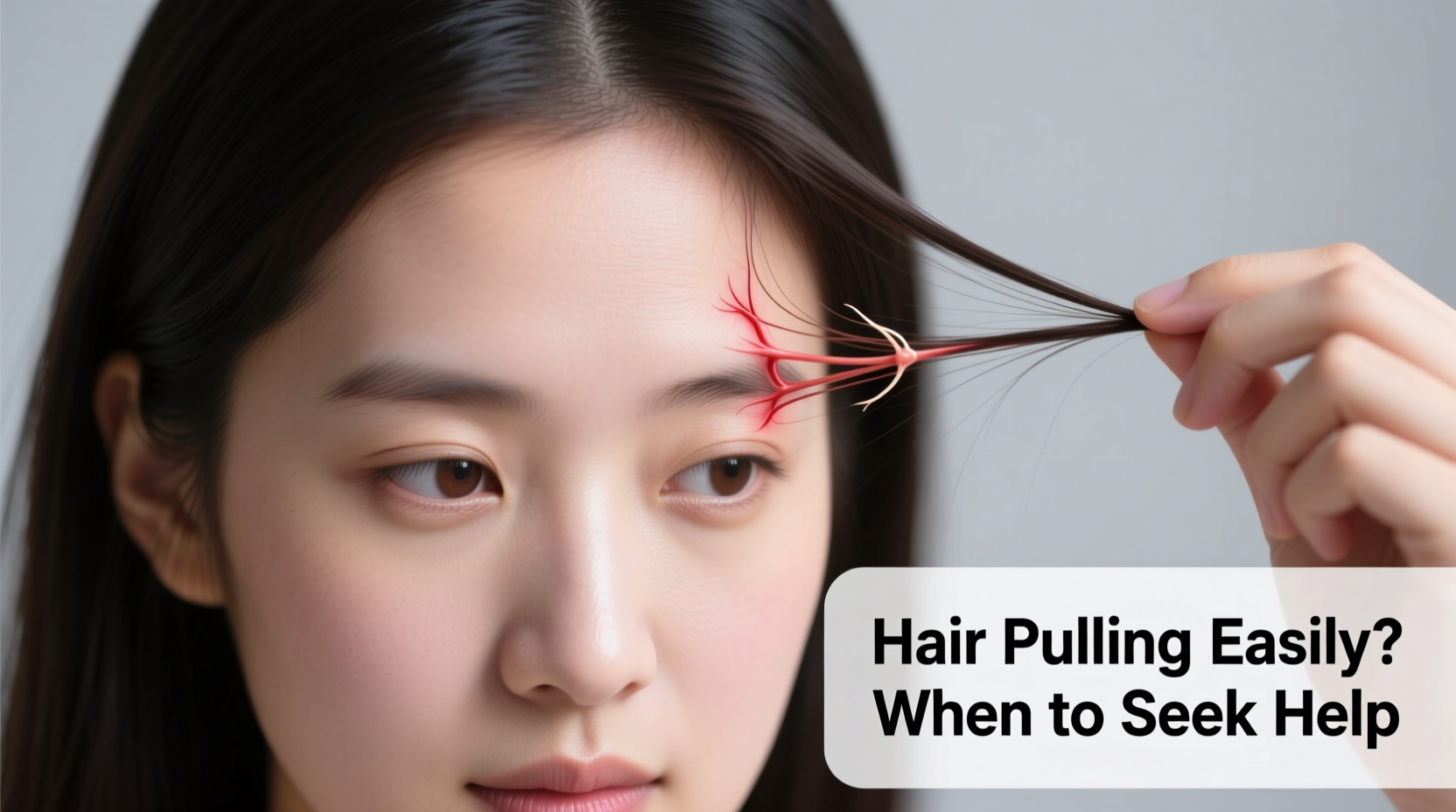
Hair naturally goes through growth cycles, and losing 50–100 strands per day is considered normal. However, if clumps come out with minimal effort or you notice thinning patches, several factors could be at play:
- Nutritional deficiencies: Lack of iron, zinc, vitamin D, or protein weakens hair follicles, leading to increased shedding.
- Hormonal imbalances: Conditions like thyroid disorders (hypothyroidism or hyperthyroidism) disrupt the hair cycle.
- Stress-induced shedding (telogen effluvium): Physical or emotional stress can push large numbers of hair follicles into a resting phase, causing sudden shedding weeks later.
- Scalp infections: Fungal infections like tinea capitis damage the hair shaft and root, making hair fragile and easy to pull out.
- Medications: Chemotherapy, anticoagulants, antidepressants, and certain blood pressure drugs list hair loss as a side effect.
- Autoimmune conditions: Alopecia areata causes the immune system to attack hair follicles, resulting in smooth, round bald patches.
When Hair Pulling Becomes a Compulsive Behavior
Sometimes, the act of pulling hair isn't passive—it's intentional and difficult to stop. Trichotillomania, also known as hair-pulling disorder, is a mental health condition classified under obsessive-compulsive and related disorders in the DSM-5.
People with trichotillomania experience strong urges to pull hair from the scalp, eyebrows, or eyelashes. The behavior often provides temporary relief or satisfaction but leads to distress, shame, and visible hair loss. It typically begins in childhood or adolescence and affects more females than males.
“Trichotillomania is not a habit or lack of willpower—it’s a complex neuropsychiatric condition that responds best to behavioral therapy.” — Dr. Rebecca Walton, Clinical Psychologist specializing in OCD-related disorders
The exact cause isn’t fully understood, but research suggests a combination of genetic predisposition, brain chemistry imbalances, and environmental stressors contribute to its development. Some individuals pull hair automatically, without awareness, while others do so intentionally to relieve anxiety.
Signs You Might Have Trichotillomania
- Recurrent pulling resulting in noticeable hair loss
- Repeated attempts to stop or reduce pulling without success
- Feelings of tension before pulling or when resisting the urge
- Relief, pleasure, or gratification after pulling
- Avoidance of social situations due to appearance concerns
- Hiding bald spots with hats, wigs, or makeup
When to Seek Professional Help
Occasional shedding doesn’t always require medical intervention. But there are clear warning signs indicating it’s time to consult a healthcare provider:
- You’re losing hair in clumps—especially outside of seasonal changes (common in spring and fall).
- Bald patches appear suddenly, particularly if they’re smooth and increasing in size.
- Scalp irritation accompanies hair loss, including redness, scaling, burning, or pain.
- You catch yourself pulling hair repeatedly and feel unable to stop despite wanting to.
- Hair loss impacts your self-esteem, relationships, or daily functioning.
For physical causes, start with your primary care physician or dermatologist. They may order blood tests to check for hormonal imbalances, nutrient deficiencies, or autoimmune markers. For compulsive hair-pulling behaviors, a mental health professional trained in cognitive-behavioral therapy (CBT), particularly habit reversal training (HRT), is essential.
Timeline: When to Act Based on Symptoms
| Symptom Onset | Action Step |
|---|---|
| First notice of increased shedding (less than 3 months) | Monitor pattern, improve nutrition, reduce heat styling |
| Shedding persists beyond 3 months or worsens | See a dermatologist; request blood panel |
| Visible thinning, patchy loss, or scalp discomfort | Schedule urgent appointment; rule out infection or alopecia |
| Intentional pulling, rituals around hair removal, secrecy | Consult psychologist or psychiatrist for behavioral evaluation |
| Emotional distress or avoidance behaviors develop | Begin therapy even if physical causes are being treated |
Mini Case Study: Sarah’s Journey with Hair Pulling
Sarah, a 28-year-old graphic designer, began noticing thinning on the left side of her scalp. At first, she blamed stress from a tight project deadline. But when small bald patches appeared near her temples and she found herself twisting and pulling strands while working, she realized something deeper was happening.
After avoiding mirrors and declining video calls, Sarah visited a dermatologist who ruled out medical causes. Referred to a therapist, she was diagnosed with trichotillomania. Through weekly CBT sessions focused on identifying triggers and replacing pulling with alternative behaviors—like using a fidget tool—she gradually regained control.
Within six months, Sarah reduced pulling episodes by over 80%. Her hair began growing back, and she joined an online support group to stay accountable. “I thought I was alone,” she said. “Learning this was a real condition changed everything.”
Practical Checklist: What to Do If Your Hair Pulls Out Too Easily
- ☐ Assess how much hair you're losing daily (use a consistent method like counting strands after brushing)
- ☐ Review recent life changes—stress, illness, new medication, diet shifts
- ☐ Examine your scalp for redness, scaling, or broken hairs
- ☐ Eliminate harsh hair treatments (bleaching, tight styles, excessive heat)
- ☐ Schedule a medical evaluation if shedding lasts more than 12 weeks
- ☐ Consider speaking with a therapist if you engage in repetitive hair pulling
- ☐ Start a symptom journal to track progress and triggers
Frequently Asked Questions
Is it normal for hair to come out when I run my fingers through it?
Some shedding is normal—especially after washing or brushing. However, if multiple strands come out with gentle touching, or you see visible thinning, it may indicate telogen effluvium, nutritional deficiency, or another condition requiring assessment.
Can pulling my own hair cause permanent damage?
Yes. Chronic pulling can traumatize hair follicles, leading to scarring alopecia—a type of irreversible hair loss. Early intervention significantly improves the chances of regrowth.
What kind of doctor treats hair-pulling disorder?
A psychiatrist or clinical psychologist experienced in treating obsessive-compulsive spectrum disorders can diagnose and manage trichotillomania. Dermatologists often collaborate to assess physical damage and monitor recovery.
Take Action Before It Progresses
Hair that pulls out too easily shouldn’t be ignored—whether the cause is physiological, environmental, or behavioral. Early detection allows for timely treatment, better outcomes, and prevention of long-term consequences. Don’t wait until hair loss becomes severe or emotional distress sets in.
If you suspect a medical issue, get tested. If you struggle with compulsive pulling, know that effective therapies exist. Recovery is possible with the right support. Your hair—and your mental health—are worth prioritizing.




 浙公网安备
33010002000092号
浙公网安备
33010002000092号 浙B2-20120091-4
Comments
No comments yet. Why don't you start the discussion?