
The choice between a halter top and a spaghetti strap isn’t just about fashion—it’s a decision that affects comfort, support, silhouette, and even confidence. While both styles fall under the broader category of sleeveless tops and dresses, their structural differences create distinct experiences for the wearer. The neckline, shoulder configuration, and back design all contribute to how these garments perform in different settings, from beach days to evening events. Understanding the nuances can help you choose not just what looks good, but what feels right.
Anatomy of the Neckline: How Design Shapes Function
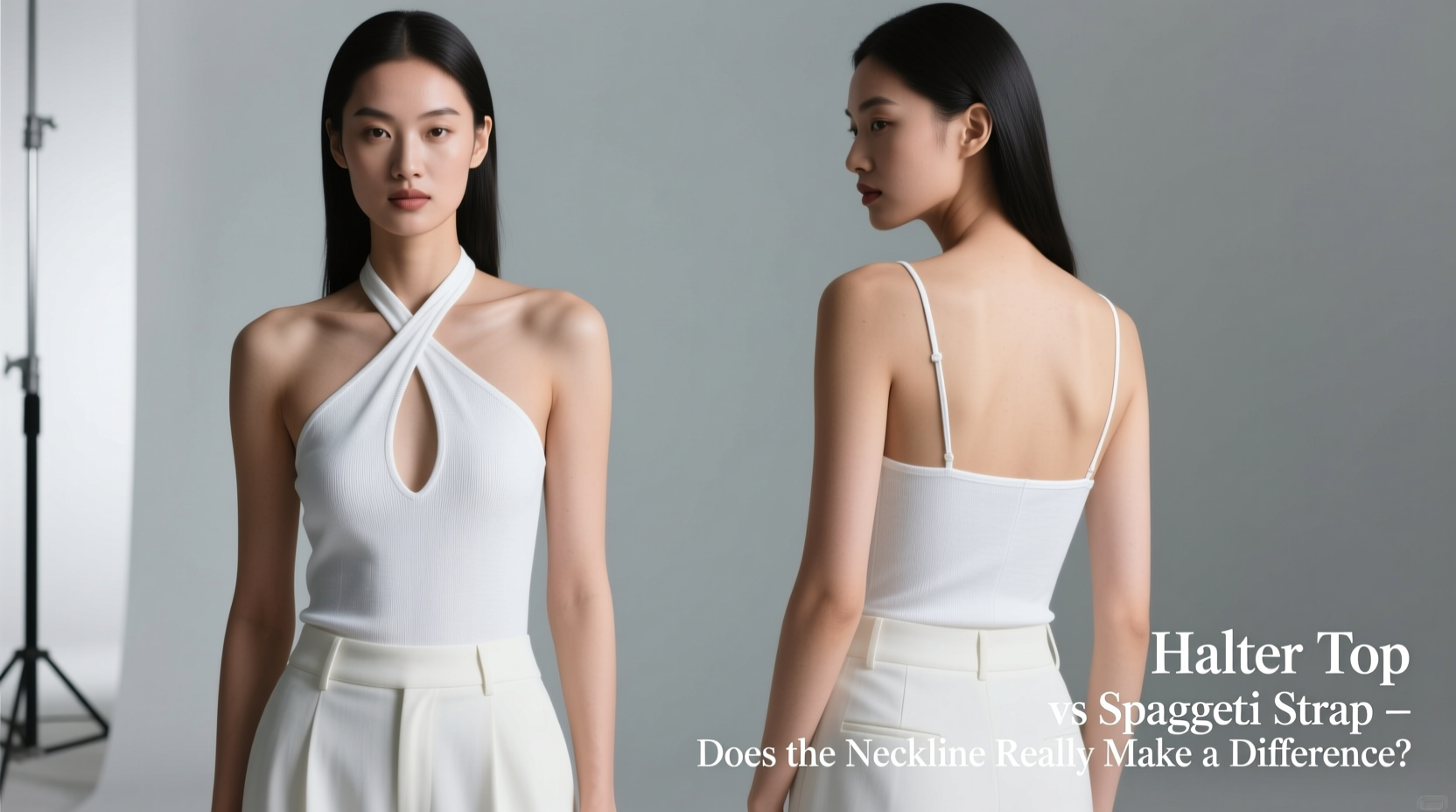
The neckline is more than a decorative feature—it’s a functional anchor point that determines weight distribution, coverage, and mobility. Halter tops rise from the shoulders and tie or fasten behind the neck, creating a triangular support system that lifts the bust and draws attention upward. This design redistributes weight from the shoulders to the neck and upper back, offering more lift and stability than spaghetti straps, which rely on two thin straps over each shoulder with minimal anchoring.
Spaghetti straps, named for their narrow, delicate appearance, are often used in lightweight fabrics like silk, chiffon, or cotton voile. They offer minimal coverage and support, making them ideal for low-impact occasions. Because they sit directly on the shoulder without connecting at the neck, they allow greater freedom of movement—but at the cost of security, especially during active wear or windy conditions.
Support and Comfort: A Practical Comparison
When it comes to support, halter tops generally outperform spaghetti straps. The wrap-around structure of a halter provides natural lift, making it a preferred choice for those with larger busts or anyone seeking more secure coverage. This support also reduces strain on the shoulders, as the load is shared across the neck and upper back.
In contrast, spaghetti straps place full weight-bearing responsibility on the delicate shoulder bones. Over time, this can lead to discomfort, slipping, or chafing—particularly with heavier fabrics or unsupported designs. While aesthetically pleasing, spaghetti straps are less practical for long wear or physical activity unless reinforced with adjustable hardware or internal structure.
“Halter necklines evolved from functional swimwear design—they were engineered to stay put during movement. That legacy still holds true today.” — Lila Monroe, Fashion Historian & Textile Designer
Styling and Occasion: Matching Cut to Context
The right neckline enhances not only your outfit but also your presence in a given environment. Halter tops project confidence and structure. Their bold lines frame the collarbones and elongate the neck, making them ideal for evening wear, outdoor festivals, or swimwear where staying power matters. They pair well with high-waisted bottoms, as the vertical line draws the eye upward and balances proportions.
Spaghetti strap pieces, by comparison, exude softness and femininity. They work beautifully in romantic settings—a summer dinner, a garden party, or loungewear—where ease and elegance take precedence over durability. Their minimalist look complements layered jewelry and off-the-shoulder outerwear, allowing for subtle transitions between day and night.
| Feature | Halter Top | Spaghetti Strap |
|---|---|---|
| Support Level | High – distributes weight across neck and shoulders | Low – relies on shoulder placement |
| Bust Accommodation | Ideal for fuller busts | Better suited for smaller to average busts |
| Mobility | Moderate – limited by neck closure | High – unrestricted arm and shoulder movement |
| Style Vibe | Dramatic, structured, sporty-chic | Delicate, romantic, effortless |
| Best For | Beach cover-ups, dance events, warm weather | Indoor gatherings, date nights, layering |
Finding Your Fit: Body Type and Proportion Considerations
Not all necklines flatter all bodies equally. The key is understanding how each style interacts with your proportions.
Halter tops emphasize the shoulders and décolletage, making them excellent for pear-shaped figures looking to balance wider hips. They also suit athletic builds by adding softness to broad shoulders. However, individuals with shorter necks or fuller faces may find halter styles visually shortening, so opting for a looser tie or open-back variation can mitigate this effect.
Spaghetti straps offer versatility across body types due to their minimalism. They work particularly well for rectangular or hourglass shapes, enhancing natural curves without overwhelming the frame. But because they provide little shaping, pairing them with tailored or cinched garments below helps define the waist and avoid a shapeless look.
Mini Case Study: Choosing for a Destination Wedding
Sophia was attending a beachside wedding in Bali. She wanted something elegant yet practical for the tropical climate. Her two options: a beaded halter gown and a flowing spaghetti strap maxi dress. The halter offered better support for her C-cup bust and wouldn’t slip during dancing, but she worried it might feel too structured. The spaghetti strap dress was airy and romantic, but required a strapless adhesive bra and constant adjustment.
She ultimately chose a hybrid: a deep-V back dress with thick spaghetti straps and a subtle halter back detail. This gave her the breathability she wanted while ensuring security throughout the event. Her experience highlights that the best choice often lies in thoughtful adaptation—not rigid adherence to one style.
Step-by-Step Guide: How to Choose Between Halter and Spaghetti Strap
- Assess the occasion. Is it active or stationary? Windy or indoor? High movement favors halter support.
- Evaluate your bust size and desired coverage. Larger busts typically benefit from halter construction.
- Consider fabric weight. Heavy materials need stronger support—spaghetti straps may sag.
- Check the back design. Open backs on halter styles enhance airflow; spaghetti straps often come with crisscross or racerback options for added hold.
- Try before committing. Move around in the garment—raise your arms, lean forward, sit down. Does it stay in place?
- Layer realistically. Will you wear a jacket or shawl? Halter necklines can clash with collared layers.
FAQ
Can I wear a halter top if I have a short neck?
Yes, but choose styles with a lower neckline or a looser tie to avoid crowding the base of the neck. Avoid high, tight halter knots, which can shorten the appearance further.
Are spaghetti straps appropriate for formal events?
Absolutely—if styled correctly. Pair them with luxurious fabrics like satin or velvet, add statement earrings, and consider a tailored blazer or wrap for sophistication.
Which neckline is easier to nurse in?
Spaghetti straps are generally more nursing-friendly due to their loose shoulder access. Some adaptive halter tops feature detachable ties, but they’re less common.
Final Thoughts: It’s Not Just About Looks
The neckline does make a difference—far beyond aesthetics. It influences posture, comfort, confidence, and functionality. A halter top isn’t just a bolder style choice; it’s an engineering solution for support. A spaghetti strap isn’t merely delicate—it’s a commitment to lightness and simplicity. Recognizing these distinctions empowers you to dress with intention, aligning form with function.
Your wardrobe should serve you, not challenge you. Whether you reach for the secure embrace of a halter or the whisper-thin grace of spaghetti straps, let your choice reflect not just the moment, but your body, your needs, and your lifestyle.




 浙公网安备
33010002000092号
浙公网安备
33010002000092号 浙B2-20120091-4
Comments
No comments yet. Why don't you start the discussion?