
Choosing between a hamster and a gerbil as a pet often comes down to subtle but important differences in behavior, hygiene, and temperament. While both are small, intelligent rodents that make popular starter pets for children and apartment dwellers, they differ significantly in how much they smell and how likely they are to bite. These two factors—odor and biting—can heavily influence the day-to-day experience of pet ownership. Understanding these distinctions helps ensure you pick the right companion based on your lifestyle, tolerance for maintenance, and expectations for interaction.
Odor Comparison: Hamsters vs Gerbils
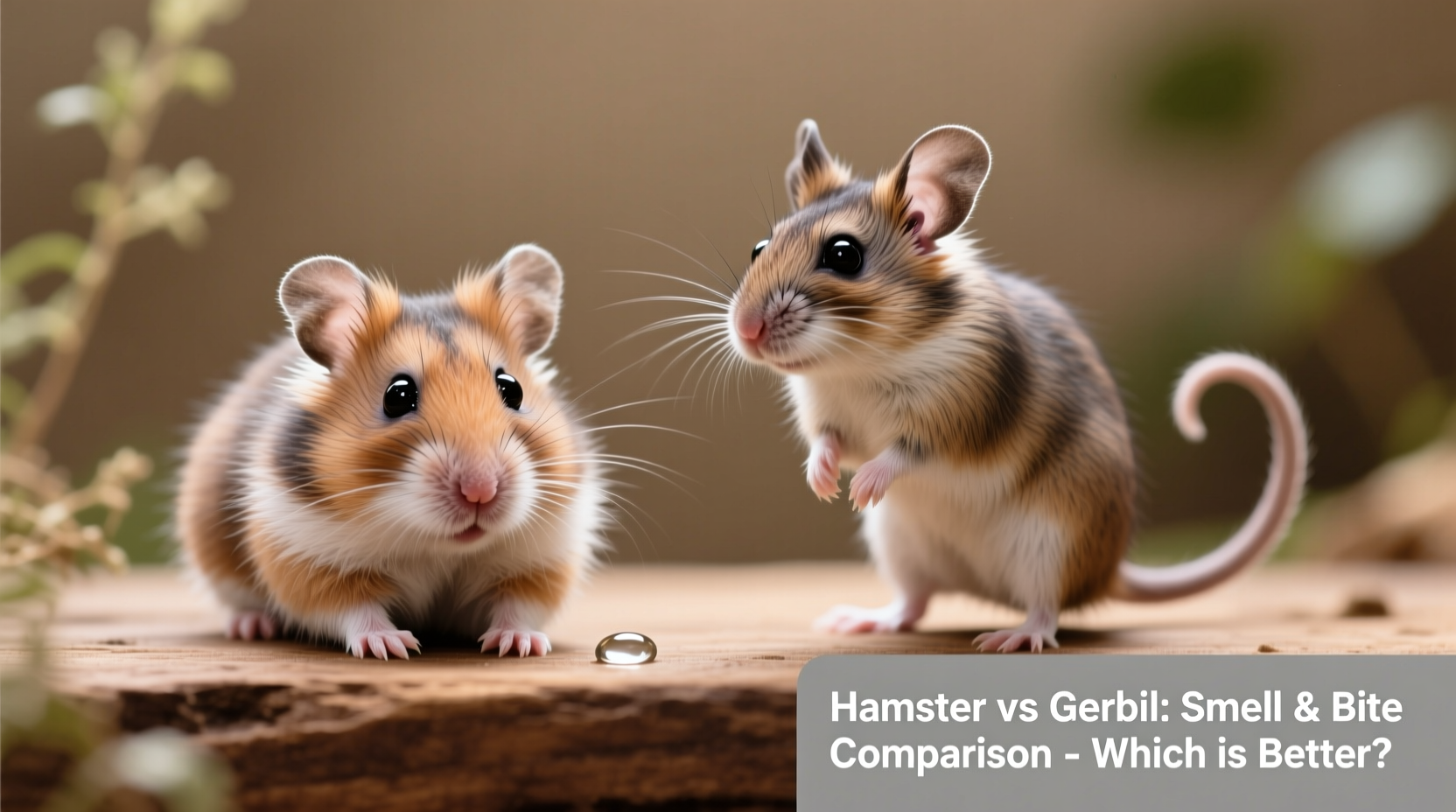
One of the most common concerns among rodent owners is cage smell. No one wants a pet that turns their living space into an unpleasant environment. The good news is that both hamsters and gerbils can be low-odor pets—if properly cared for. However, there are biological and behavioral reasons why one may naturally produce less odor than the other.
Hamsters are solitary animals and typically use one corner of their cage as a dedicated bathroom area. This instinctive behavior makes spot-cleaning easier and helps contain odors. Because they don’t share space with others, waste accumulation happens more slowly. Additionally, hamsters groom themselves frequently and have relatively dry urine, especially if fed a balanced diet low in protein and moisture-rich foods.
Gerbils, on the other hand, are social creatures usually kept in pairs or small groups. More animals mean more waste. While gerbils also designate certain areas for elimination, their urine tends to be slightly more concentrated due to their desert-adapted physiology, which conserves water. In warm environments or poorly ventilated rooms, this can lead to a stronger ammonia-like smell over time, particularly if the bedding isn’t changed regularly.
The type of bedding plays a crucial role. Recycled paper products like Carefresh are highly absorbent and do a better job controlling ammonia buildup than wood shavings. Regardless of species, deep cleaning once a week is essential. Skipping even one cycle can result in noticeable odor, especially with multiple gerbils.
Diet’s Role in Odor Control
Nutrition directly impacts waste smell. Diets high in corn, fillers, or sugary treats increase fermentation in the gut, leading to stronger-smelling feces and urine. High-quality lab blocks or pellets formulated specifically for hamsters or gerbils help maintain digestive health and minimize odor at its source.
Water quality matters too. Stale or contaminated water promotes bacterial growth in the urinary tract, potentially increasing odor. Change water daily and clean bottles weekly with vinegar to prevent biofilm buildup.
Biting Tendencies: Who’s More Likely to Nip?
Biting is another major concern, especially for households with young children. Neither hamsters nor gerbils are inherently aggressive, but both can bite when startled, mishandled, or stressed. Their likelihood, however, differs based on temperament and handling needs.
Hamsters, particularly dwarf varieties (like Roborovskis or Campbell's), are fast-moving and easily frightened. They rely on speed and hiding rather than confrontation, but when cornered or woken suddenly, they may react defensively. Syrian hamsters tend to be calmer and more tolerant of gentle handling, especially when socialized from a young age.
Gerbils are generally more outgoing and curious. They enjoy climbing, exploring, and interacting with their owners. Because they’re diurnal—active during the day—they’re easier to observe and handle outside of nighttime hours. This predictability reduces accidental disturbances that could lead to defensive biting. When properly tamed, gerbils often climb onto hands willingly and show little aggression unless provoked.
“Gerbils are among the least aggressive small rodents we see in behavioral clinics. With consistent, calm handling, biting incidents are rare.” — Dr. Lena Torres, Exotic Animal Behaviorist
That said, gerbils have strong incisors and can deliver a quick nip if they feel threatened—especially during feeding or cage cleaning. Still, their bites are usually superficial and more startling than harmful.
Socialization and Handling: Keys to Reducing Bites
Early and frequent handling is critical for minimizing biting in either species. Start by letting the animal get used to your scent—place a worn cotton glove near the cage (not inside) so they associate your smell with safety. Then, offer treats from your hand inside the cage before attempting to pick them up.
Always support the entire body when lifting. Never grab from above, as this mimics predator behavior. Allow the rodent to climb onto your hand voluntarily whenever possible. Sudden movements, loud noises, or chasing them around the cage dramatically increase stress and the risk of a defensive bite.
Comparative Overview: Hamster vs Gerbil
| Factor | Hamster | Gerbil |
|---|---|---|
| Odor Level | Low to moderate (solitary, dry urine) | Moderate (group living, concentrated urine) |
| Bathing Behavior | Self-grooming only | Dust bathing required |
| Biting Risk | Higher (nocturnal, easily startled) | Lower (diurnal, curious nature) |
| Lifespan | 2–3 years | 3–5 years |
| Social Needs | Solitary (must be housed alone) | Social (best in pairs or groups) |
| Cage Cleaning Frequency | Weekly spot-clean, full change weekly | Spot-clean every 2–3 days, full change weekly |
| Best For | Quiet observers, night handlers | Families, daytime interactors |
Step-by-Step Guide to Minimizing Smell and Biting
Regardless of which rodent you choose, proactive care drastically reduces odor and biting risks. Follow this timeline to build healthy habits from day one.
- Day 1–3: Let Them Settle In
Do not handle the new pet. Speak softly near the cage and offer treats through the bars to build trust. - Day 4–7: Begin Hand-Feeding
Sit by the cage and place treats in your open palm inside the enclosure. Retract slowly if they approach. - Week 2: Introduce Gentle Handling
Scoop them gently with both hands, supporting their body. Keep sessions under 5 minutes. - Week 3–4: Establish Routine
Handle daily at the same time. Clean soiled bedding spots every 2–3 days. - Ongoing: Weekly Deep Clean
Replace all bedding, scrub surfaces with mild pet-safe disinfectant, rinse thoroughly, and refill with fresh substrate. - Monthly: Review Diet & Enrichment
Ensure food isn’t expired or moldy. Rotate toys and tunnels to reduce stress and boredom-related behaviors.
Real-Life Example: A Family’s Choice
The Rivera family wanted a first pet for their 8-year-old daughter. They were concerned about smell affecting their small apartment and nervous about potential bites. After researching both options, they visited a local breeder who allowed supervised interaction with both species.
Their daughter reached toward a Syrian hamster, but it froze and hissed when picked up. In contrast, a pair of Mongolian gerbils sniffed her fingers curiously and took sunflower seeds from her palm without flinching. Though the gerbil cage had a faint earthy scent, the breeder explained it was normal and manageable with proper care.
The Riveras chose the gerbils. They committed to bi-weekly dust baths and daily 10-minute handling sessions. Within three weeks, the gerbils would run to the front of the cage when they heard voices. Six months later, the cage requires only a quick spot-clean midweek and a full refresh on weekends. There has been one minor nip—when a gerbil mistook a finger for a treat—but no injuries.
This case highlights how temperament and compatibility matter more than generalizations. With commitment, either rodent can thrive, but gerbils’ natural curiosity gave this family the confidence they needed.
Essential Checklist for Low-Odor, Low-Bite Ownership
- ✔ Choose appropriate bedding: paper-based or aspen, never cedar
- ✔ Clean soiled areas every 2–3 days
- ✔ Perform full cage changes weekly
- ✔ Feed high-quality, low-moisture pellets
- ✔ Offer treats sparingly (no sugary human food)
- ✔ Handle daily using gentle, predictable movements
- ✔ Provide dust bath access for gerbils (2–3x/week)
- ✔ House hamsters alone; gerbils in compatible pairs
- ✔ Monitor behavior for signs of stress (biting, excessive grooming, hiding)
- ✔ Consult a vet if odor becomes persistent (may indicate infection)
Frequently Asked Questions
Do gerbils really smell worse than hamsters?
Not necessarily. Gerbils may produce a stronger odor if kept in groups and not cleaned regularly, but with proper care—including spot-cleaning and quality bedding—the difference is minimal. Hamsters are solitary, so waste volume is lower, giving them a slight edge in odor control.
Which rodent is safer around kids?
Gerbils are generally safer due to their diurnal schedule and willingness to interact. They’re less likely to bite out of fear because they’re awake and aware during handling. Hamsters, especially dwarfs, are nocturnal and may bite if woken abruptly. Supervision is essential with either pet, but gerbils tend to be more predictable.
Can I keep a hamster and gerbil together to compare?
No. They should never be housed together. Hamsters are fiercely territorial and will attack other animals. Gerbils live socially but only with their own kind. Cross-species cohabitation leads to stress, injury, or death.
Conclusion: Making the Right Choice for Your Home
When comparing hamsters and gerbils for smell and biting tendencies, gerbils generally come out ahead in both categories—provided they’re kept in clean, enriched environments and handled consistently. Their social nature, daytime activity, and lower startle response make them less likely to bite. While their group living can increase odor potential, diligent maintenance keeps this under control.
Hamsters remain excellent pets for quiet, observant owners who appreciate a more reserved companion. With careful handling and routine cleaning, they too can be low-odor and rarely aggressive. However, their nocturnal habits and sensitivity to disturbance make them slightly higher-risk for unexpected bites.
In the end, success depends less on species and more on care quality. Whichever you choose, commit to regular cleaning, proper nutrition, and patient socialization. These habits transform even the most skittish rodent into a calm, clean, and enjoyable pet.




 浙公网安备
33010002000092号
浙公网安备
33010002000092号 浙B2-20120091-4
Comments
No comments yet. Why don't you start the discussion?