
Hamsters are naturally active creatures, often covering the equivalent of several miles each night in the wild. To replicate this essential movement in captivity, owners commonly provide exercise wheels. While a wheel seems like a simple solution, its size has profound implications on a hamster’s long-term health. Too many well-meaning pet owners unknowingly place their hamsters on wheels that are too small—leading to chronic spinal stress, muscle strain, and irreversible posture damage. Understanding why hamster wheel size matters is not just about comfort; it's about preventing preventable suffering.
The Anatomy of a Hamster: Built for Movement, Not Contortion
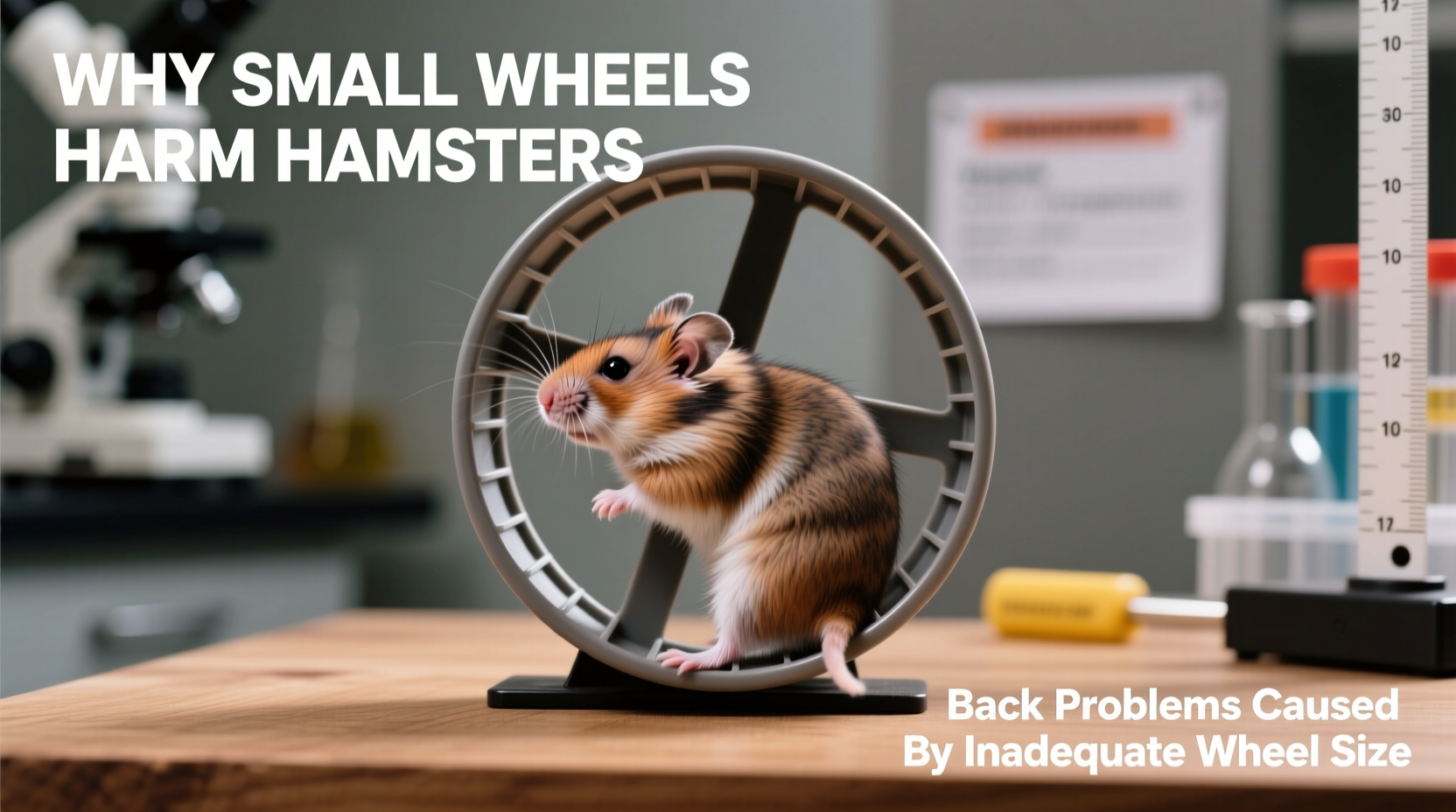
Hamsters have compact, flexible spines adapted for burrowing and quick bursts of motion. However, their skeletal structure is not designed to support prolonged unnatural postures. When a hamster runs, its spine should remain as straight and level as possible to distribute force evenly across vertebrae and muscles. On an appropriately sized wheel, the animal can run with a neutral spine, head forward, and body fully extended. This mimics natural locomotion and supports cardiovascular fitness without physical cost.
In contrast, a wheel that is too small forces the hamster into a severely arched position. The head dips downward, the hips rise, and the spine bends into a pronounced C-shape. This posture compresses vertebrae, strains back muscles, and over time leads to chronic pain and musculoskeletal deformities. Young hamsters are especially vulnerable because their bones are still developing. Repeatedly running in a hunched position during growth can result in permanent spinal curvature.
“Small wheels are one of the most common causes of preventable back injuries in pet hamsters. We see cases of chronic kyphosis—excessive outward curvature of the spine—directly linked to undersized wheels.” — Dr. Lena Torres, Exotic Animal Veterinarian, Midwest Small Mammal Clinic
How Small Wheels Cause Long-Term Back Problems
The harm caused by a small wheel isn’t always immediate. A young, energetic hamster may appear enthusiastic about using a tiny plastic wheel, but the cumulative effect of thousands of nightly laps takes a toll. Over weeks and months, repeated unnatural bending stresses the intervertebral discs and weakens supporting muscles. Common consequences include:
- Spinal misalignment: Chronic C-shaped running can lead to kyphosis or scoliosis-like conditions.
- Muscle atrophy: Imbalanced use of back muscles results in weakness and reduced mobility.
- Nerve compression: Discs under constant pressure may herniate, causing pain and impaired coordination.
- Reduced lifespan: Painful movement discourages exercise, leading to obesity and secondary health issues.
Many owners don't realize their hamster is in distress until the animal begins limping, refusing to run, or showing signs of lethargy. By then, structural damage may already be present. Unlike humans, hamsters rarely vocalize pain. Subtle behavioral changes—such as less activity, awkward gait, or reluctance to climb—are often the only indicators.
Recommended Wheel Sizes by Species
Not all hamsters are the same size, and wheel requirements vary accordingly. Dwarf hamsters (Campbell’s, Winter White, Roborovski) are smaller than Syrian hamsters, but even dwarfs need adequate space to run properly. Here’s a species-specific guide to minimum recommended wheel diameters:
| Hamster Species | Minimum Wheel Diameter | Ideal Wheel Diameter | Notes |
|---|---|---|---|
| Syrian Hamster | 8 inches (20 cm) | 12 inches (30 cm) | Larger wheels prevent hunching; essential due to size and activity level. |
| Dwarf Hamsters (Campbell’s, Winter White) | 6.5 inches (16.5 cm) | 8–9 inches (20–23 cm) | Avoid wheels under 7\"; small wheels still risk back strain despite smaller body size. |
| Roborovski Hamster | 6.5 inches (16.5 cm) | 8 inches (20 cm) | Fast runners; need smooth, silent wheels to match high-speed habits. |
Note: These measurements refer to the interior running surface diameter—not the outer frame. Many commercially sold \"hamster wheels\" are marketed generically but fall below these thresholds, especially those included in starter cages or toy sets.
Choosing the Right Wheel: Features That Promote Health
Size isn’t the only factor. Even a correctly sized wheel can be harmful if poorly designed. Prioritize safety, comfort, and usability when selecting a wheel. Key features include:
- Solid surface: Avoid wire or mesh wheels. They can trap feet and injure toes or legs.
- Quiet operation: Noisy wheels disrupt sleep cycles. Hamsters are nocturnal, and excessive noise may deter use.
- Secure mounting: The wheel should be stable and not wobble, which can throw off balance and cause falls.
- Smooth edges: Check for sharp seams or protrusions that could scratch or snag fur.
- Proper alignment: The wheel must sit flat so the hamster doesn’t tilt sideways while running.
Popular safe options include the Wodent Wheel, Ekho Silent Runner, and Blue One Plastic Flying Saucer (for dwarf species). While saucers offer wide running space, ensure they are used on a flat surface and do not spin too freely, which can cause loss of control.
Mini Case Study: Luna the Syrian Hamster
Luna, a 9-month-old female Syrian hamster, was adopted from a local pet store. Her previous owner used a 6-inch wire wheel included in her cage setup. Within three months, Luna began running less frequently and developed a visible hunch in her lower back. Her new caregiver noticed she would stop mid-run and stretch awkwardly. A visit to an exotic vet confirmed mild lumbar compression and muscle strain. After replacing the wheel with a 12-inch silent runner and adding floor-based exercise opportunities, Luna gradually resumed normal activity. While some stiffness remained, further deterioration was halted. This case underscores how early intervention and proper equipment can mitigate long-term harm.
Step-by-Step Guide to Upgrading Your Hamster’s Wheel
If you suspect your hamster’s wheel is too small, follow this practical timeline to make a safe transition:
- Assess current wheel size: Measure the inner diameter. If it’s below the minimum for your hamster’s species, plan a replacement.
- Research safe models: Choose a solid-surface, appropriately sized wheel. Read reviews focusing on stability and noise.
- Introduce the new wheel gradually: Place it in the enclosure alongside the old one for 2–3 nights. Some hamsters take time to adapt.
- Monitor behavior: Watch for confident running, neutral spine posture, and absence of slipping or wobbling.
- Retire the old wheel: Once consistent use of the new wheel is observed, remove the old one to prevent injury.
- Provide alternative enrichment: Add tunnels, dig boxes, and climbing structures to encourage diverse movement patterns.
Common Myths About Hamster Wheels Debunked
Several misconceptions persist among pet owners, often passed down through outdated care guides or misleading product marketing. Addressing these helps promote better practices:
- Myth: “Hamsters will self-regulate and stop if it hurts.”
Reality: Hamsters are prey animals and instinctively hide pain. They’ll continue using a harmful wheel because exercise is a strong drive. - Myth: “Dwarf hamsters don’t need large wheels.”
Reality: While smaller, dwarf hamsters are just as prone to spinal stress. Their faster metabolism means they run more—increasing exposure to risk. - Myth: “Any wheel is better than no wheel.”
Reality: A harmful wheel is worse than none. Forced contortion causes injury, whereas lack of a wheel simply reduces activity—both require correction.
Checklist: Is Your Hamster’s Wheel Safe?
Use this checklist to evaluate your current setup:
- ✅ Inner diameter meets or exceeds species-specific minimums
- ✅ Solid, continuous running surface (no gaps or wires)
- ✅ Mounted securely without wobbling
- ✅ Quiet during use (does not squeak or grind)
- ✅ Positioned on a flat, stable area of the cage
- ✅ No sharp edges or loose parts
- ✅ Hamster runs with a straight back, not a C-shape
- ✅ Clean and free of debris or buildup
Frequently Asked Questions
Can a hamster recover from back problems caused by a small wheel?
Mild cases of muscle strain or temporary posture issues can improve once the harmful wheel is removed and replaced with a proper one. However, severe spinal deformities such as advanced kyphosis are often irreversible. Early detection and intervention are critical to minimizing long-term impact.
Are flying saucer-style wheels safe?
Yes, if used correctly. Saucers provide a large running surface and are popular among dwarf hamsters. However, they must be placed on a flat surface and not elevated. Some models spin too easily, causing hamsters to lose control. Supervise initial use and ensure your hamster maintains balance.
Do hamsters really need wheels?
While not the only form of exercise, wheels are the most effective way to meet a hamster’s high activity needs. Without a wheel, hamsters may develop stress, obesity, or behavioral issues. If a wheel isn’t feasible, extensive daily supervised out-of-cage playtime in a secure area is necessary—but difficult to sustain consistently.
Conclusion: Prioritizing Health Over Convenience
The choice of a hamster wheel is far more than a matter of preference—it’s a fundamental component of responsible pet care. Small wheels may seem convenient or fit neatly into compact cages, but they come at a steep cost to the animal’s physical well-being. Back problems caused by inadequate exercise equipment are entirely preventable with informed choices. By selecting a properly sized, well-designed wheel, you give your hamster the chance to thrive, not just survive.




 浙公网安备
33010002000092号
浙公网安备
33010002000092号 浙B2-20120091-4
Comments
No comments yet. Why don't you start the discussion?