
In the daily shuffle of modern life, keys are among the most frequently handled personal items. Whether clipped to a handbag or tucked in a pocket, they endure drops, friction, and exposure to the elements. As a result, accessories like handbag keychains and car key cases have gained popularity—marketed as stylish solutions that also offer protection. But do they actually safeguard your keys from damage, loss, or wear? Or are they more about fashion than function?
This article examines both options in depth: their construction, protective capabilities, real-world performance, and long-term value. By understanding how each functions, you can make an informed decision about whether these accessories truly deliver on their promises.
Understanding the Purpose: Protection vs. Convenience
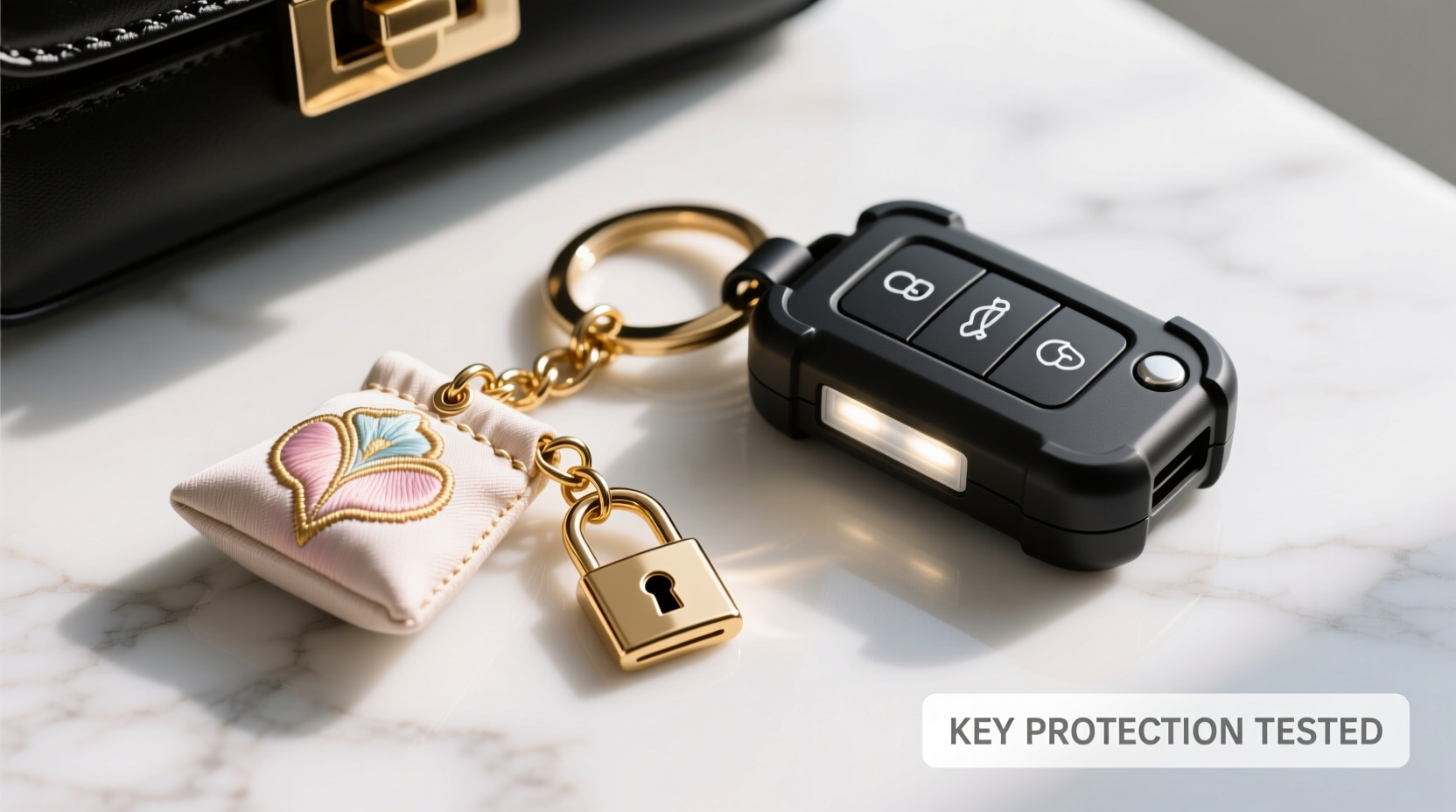
The core idea behind both handbag keychains and car key cases is twofold: organization and protection. However, the emphasis differs significantly between the two.
A handbag keychain is typically a decorative metal or leather loop designed to attach keys to a purse or bag. Its primary role is to prevent keys from getting lost in the depths of a tote. While some models include minimal shielding, most prioritize aesthetics over structural defense.
In contrast, a car key case, often made of silicone, rubber, or hard plastic, fully encases the key fob. It’s engineered to absorb impact, resist scratches, and shield electronic components from dust and moisture. This makes it inherently more functional when it comes to physical protection.
So while both aim to improve key management, only one is built with genuine protection as a central goal.
Material Matters: What Each Is Made Of and Why It Counts
The materials used define not only the look but also the longevity and protective capacity of these accessories.
- Handbag Keychains: Often crafted from plated metals (like zinc alloy), leather, or fabric. While visually appealing, metal links can scratch against other items, and soft materials may fray over time. Most offer no internal padding.
- Car Key Cases: Typically constructed from shock-absorbent materials such as TPU (thermoplastic polyurethane) or silicone. These materials flex on impact, reducing the risk of cracked circuit boards or broken buttons. High-end versions may include reinforced corners and water-resistant seals.
One critical factor often overlooked is how material affects signal transmission. Poorly designed key cases—especially those with metallic linings or thick shielding—can interfere with the remote’s wireless signal, requiring you to remove the fob to unlock your vehicle. Quality cases address this with precise cutouts and thin, conductive zones.
“Most people don’t realize that even minor drops can damage the internal microchips in smart keys. A good case isn’t just cosmetic—it’s insurance.” — Daniel Ruiz, Automotive Electronics Technician
Comparative Analysis: Keychain vs. Key Case
| Feature | Handbag Keychain | Car Key Case |
|---|---|---|
| Primary Function | Prevent loss in bags | Protect from impact, dust, moisture |
| Material Durability | Moderate (metal/leather) | High (silicone/TPU) |
| Impact Resistance | Low to none | High (cushions drops) |
| Signal Interference Risk | None | Low to moderate (depends on design) |
| Aesthetic Flexibility | High (fashion-forward designs) | Limited (functional focus) |
| Price Range | $5–$30+ | $8–$25 |
As the table shows, neither option is universally superior. The best choice depends on your priorities: visibility and style favor keychains; durability and device safety favor key cases.
Real-World Example: Two Users, Two Outcomes
Consider Sarah and James, both urban professionals who rely heavily on their car keys.
Sarah uses a sleek gold-plated handbag keychain attached to her designer tote. It keeps her keys accessible and adds a touch of elegance. However, after three months, she notices the fob casing has cracked from repeated contact with her phone and wallet. The buttons now stick, and the battery drains faster—likely due to internal stress from impacts.
James, meanwhile, uses a molded silicone key case. His keys survive daily drops onto pavement, coffee spills, and being crushed at the bottom of his gym bag. After six months, his fob remains fully functional, with no sign of wear.
The difference isn’t just material—it’s intent. Sarah’s accessory prioritizes appearance; James’s prioritizes preservation.
How to Choose the Right Option for Your Lifestyle
Selecting between a keychain and a key case shouldn’t be arbitrary. Consider these factors:
- Usage Environment: If you carry your keys in a crowded bag or frequently set them down in public spaces, a protective case is advisable.
- Type of Key: Traditional metal keys benefit less from full encasement. Smart fobs with electronics, however, are highly vulnerable and warrant serious protection.
- Access Frequency: If you use your key fob dozens of times a day (e.g., parking garages, gated homes), a snug-fitting case with responsive button covers is essential.
- Style Preferences: Some high-end key cases now blend functionality with minimalist design. Look for matte finishes, slim profiles, and color coordination with your vehicle or wardrobe.
Frequently Asked Questions
Can a handbag keychain damage my keys?
Yes. Metal keychains can cause micro-scratches and dents over time, especially when keys rub against them inside a bag. For smart keys, this friction may compromise seals or weaken solder joints in the circuitry.
Do key cases prevent water damage?
Many silicone and rubber cases offer splash resistance, but few are fully waterproof. They can handle light rain or accidental spills, but submersion should be avoided unless the product explicitly states IP67 or similar ratings.
Are expensive key cases worth it?
Not necessarily. Mid-range cases ($12–$18) from reputable brands often outperform luxury fashion versions. Focus on precise molding, flexible material, and button responsiveness rather than brand name.
Action Checklist: Protecting Your Keys Effectively
- ✅ Assess whether you have a traditional key or a smart fob (the latter needs more protection)
- ✅ Avoid loose keychains if carrying electronics in a busy bag
- ✅ Choose a form-fitting key case made of TPU or silicone
- ✅ Check that the case allows full signal transmission without interference
- ✅ Replace worn cases immediately—cracks reduce shock absorption
- ✅ Clean your case monthly with mild soap and water to prevent grime buildup
Final Verdict: Does a Keychain Really Protect Your Keys?
The short answer: not really. A handbag keychain offers organizational benefits and aesthetic appeal but provides negligible physical protection. It won’t shield your key fob from drops, moisture, or abrasive contact with other objects.
A car key case, on the other hand, is specifically engineered for defense. It absorbs shocks, reduces wear, and extends the lifespan of sensitive electronic components. Given that replacing a modern key fob can cost $200 or more, investing $10–$15 in a quality case is a practical safeguard.
If you value convenience and style, a keychain has its place—especially for non-electronic keys. But if you're serious about protecting your investment, particularly with today’s sophisticated remote systems, a dedicated key case is the smarter, more responsible choice.




 浙公网安备
33010002000092号
浙公网安备
33010002000092号 浙B2-20120091-4
Comments
No comments yet. Why don't you start the discussion?