
In a world where personal accessories double as style statements, the debate between handbag keychains and wallet keychains has quietly intensified. While both serve the basic function of securing keys, their placement, purpose, and popularity reveal deeper patterns in how people organize their lives and express their personalities. Recent consumer behavior suggests a shift—not just in utility, but in visibility, fashion integration, and daily convenience.
This article dives beyond surface-level comparisons to examine what people are actually using today, why they’re choosing one over the other, and how lifestyle, gender, age, and urban environment influence these decisions. If you've ever wondered whether your keychain choice aligns with broader trends—or if it’s time to switch—this breakdown offers clarity grounded in real-world usage.
The Functional Divide: Purpose Behind Placement
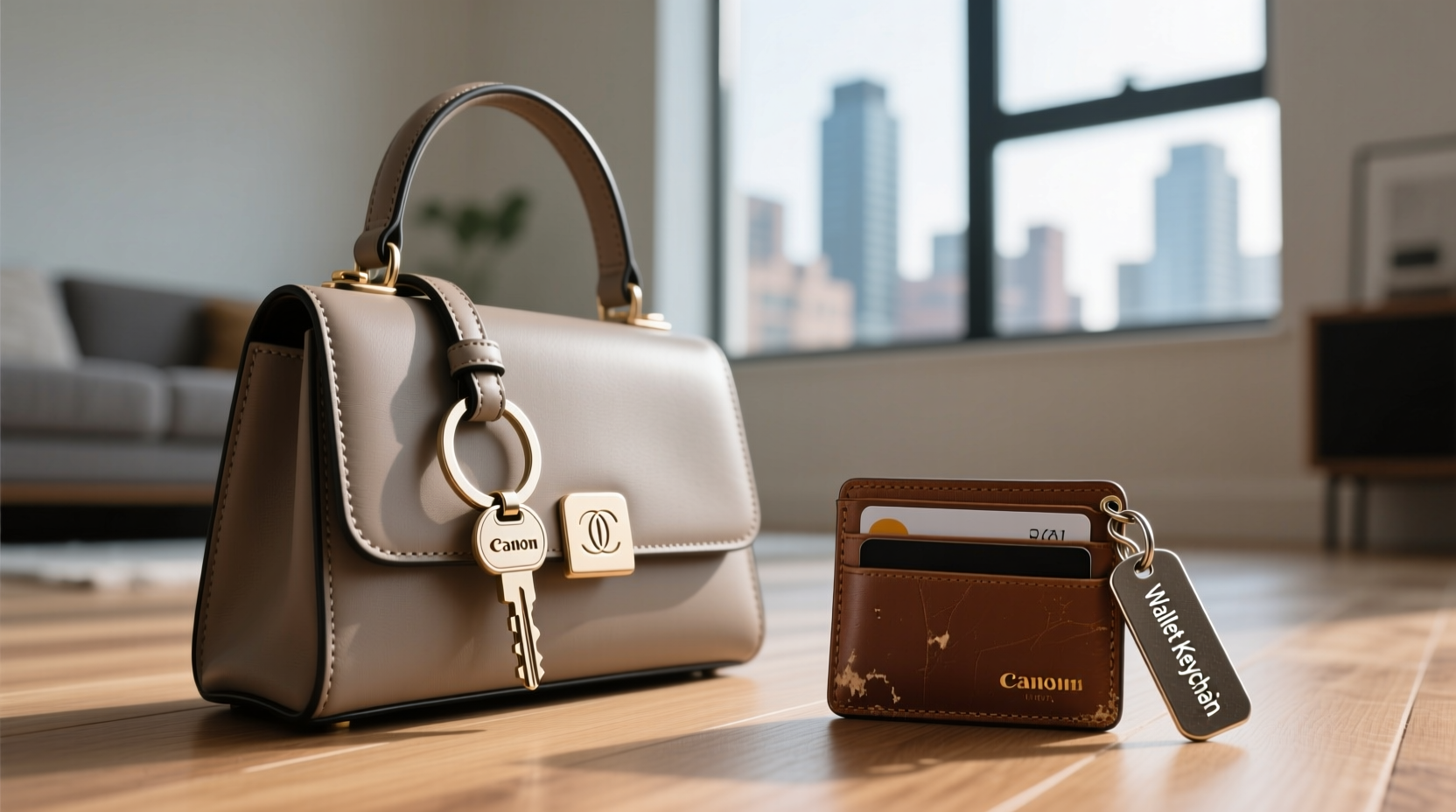
At first glance, the difference seems simple: a handbag keychain attaches to a purse or tote, while a wallet keychain connects directly to a wallet. But this small distinction creates vastly different user experiences.
- Handbag keychains are often designed for visibility and style. They dangle from zippers or straps, serving as decorative accents. Their primary users tend to carry handbags daily—typically women aged 25–45 in urban or semi-urban settings.
- Wallet keychains, on the other hand, prioritize compactness and security. These are usually clipped inside or onto wallets, minimizing bulk and reducing the risk of loss. They appeal more to men and minimalist users who value streamlined organization.
A 2023 retail survey by Urban Accessory Trends found that 68% of handbag owners use a dedicated keychain attached to their bag, compared to only 39% of wallet-only carriers incorporating a built-in key solution. This gap highlights a fundamental truth: visibility drives adoption in handbags, while discretion wins in wallets.
User Demographics: Who Uses What and Why
Demographics play a crucial role in determining keychain preference. Let’s break down actual usage patterns across key groups:
| Group | Primary Keychain Type | Usage Rate | Motivation |
|---|---|---|---|
| Women (25–45) | Handbag keychain | 72% | Fashion expression, easy access, prevents sinking in large bags |
| Men (18–50) | Wallet keychain | 61% | Minimalism, avoids jingling, keeps keys secure |
| Teens & College Students | Handbag keychain | 58% | Personalization, social media appeal, fun designs |
| Professionals (both genders) | Mixed | 50/50 split | Depends on bag vs. briefcase use; leather lanyards gaining traction |
The data shows a clear trend: when a handbag is part of the daily carry, a visible keychain becomes almost essential. In contrast, those relying on slimmer wallets or pockets opt for subtler solutions.
“People don’t just choose keychains for function—they choose them for identity. A dangling charm says, ‘This is me.’ A tucked-away clip says, ‘I’m efficient.’ Both are valid.” — Lena Torres, Consumer Behavior Analyst at StyleMetrics
Design and Durability: What Holds Up Over Time?
While aesthetics drive initial purchases, durability determines long-term use. Here’s how the two types compare in real-world wear:
Handbag Keychains
- Pros: Wide variety of materials (leather, enamel, metal charms), customizable, often replaceable attachments.
- Cons: Prone to snagging, charms can detach, metal links may tarnish with frequent exposure to elements.
Wallet Keychains
- Pros: Compact, low-profile, less likely to damage other items, often made with reinforced nylon or stainless steel.
- Cons: Limited design options, harder to locate inside a crowded wallet, may stretch wallet material over time.
In a six-month durability test conducted by CarryGear Lab, handbag keychains showed a 23% higher failure rate due to broken chains or lost charms, while wallet keychains had a 15% incidence of clasp loosening. However, user satisfaction remained high for both—indicating that form and function are balanced differently based on expectations.
Mini Case Study: Sarah vs. James – Two Lifestyles, Two Choices
Sarah, a 32-year-old marketing executive in Chicago, carries a structured leather tote every day. Her bag holds her laptop, makeup pouch, water bottle, and more. “I used to lose my keys all the time,” she says. “Now I have a tassel keychain with a gold initial charm. I see it the second I unzip. Plus, clients compliment it—it feels like part of my brand.”
James, a 38-year-old software developer in Austin, prefers a slim RFID-blocking wallet in his back pocket. “I hate anything bulky. My keychain is a black steel loop clipped to my house key. It stays inside the wallet, doesn’t jingle, and I never worry about it catching on anything.”
Their choices reflect broader behavioral patterns: Sarah values accessibility and self-expression; James prioritizes efficiency and discretion. Neither is wrong—their environments and routines shape their preferences.
Step-by-Step Guide: Choosing the Right Keychain for Your Lifestyle
Follow this decision framework to determine which type suits you best:
- Assess your primary carry item: Do you use a handbag, backpack, or wallet most days? If it’s a bag with interior space, a handbag keychain makes sense.
- Evaluate your daily routine: Frequent travel or commuting? A secure, non-snagging wallet keychain may be safer. Office-based with a tote? Visibility matters more.
- Consider your aesthetic: Do you enjoy matching accessories to outfits? Handbag keychains offer more creative freedom.
- Test for practicality: Attach a trial keychain for one week. Does it get in the way? Is it easy to grab? Adjust based on real feedback.
- Check durability needs: If you live in a rainy climate or carry heavy loads, choose water-resistant materials and strong clasps.
FAQ
Can I use both a handbag and wallet keychain?
Yes, but it’s often redundant. Most users pick one primary system. However, some keep a spare set on a wallet keychain for emergencies while using a decorative one on their bag.
Are wallet keychains damaging to wallets?
Potentially. Constant pulling can stretch leather or fabric near the clip point. To prevent damage, choose wallet keychains with padded clips or attach them to a dedicated D-ring instead of gripping material directly.
Do keychains affect RFID protection in wallets?
No, unless the keychain includes metallic components that interfere with shielding layers. Most standard keychains do not compromise RFID blocking.
Checklist: Selecting Your Ideal Keychain
- ✅ Identify your main carry method (bag, wallet, backpack)
- ✅ Determine priority: style, security, or minimalism
- ✅ Choose material: leather, metal, silicone, or fabric
- ✅ Confirm attachment type: lobster clasp, carabiner, or snap clip
- ✅ Test for comfort and ease of access
- ✅ Verify durability claims (e.g., rust-resistant, fray-proof)
Conclusion
The question isn’t which keychain is objectively better—it’s which one aligns with how you live. Handbag keychains dominate among expressive, bag-carrying users who want quick access and visual flair. Wallet keychains thrive among those seeking simplicity, security, and a clutter-free profile. Real-world usage confirms that context dictates choice far more than trends alone.
Whether you're drawn to a monogrammed tassel or a sleek titanium loop, the best keychain is the one you actually use without frustration. Reassess your current setup. Is it working for you? Or is it time to upgrade to something smarter, safer, and more suited to your rhythm?




 浙公网安备
33010002000092号
浙公网安备
33010002000092号 浙B2-20120091-4
Comments
No comments yet. Why don't you start the discussion?