
When shopping for headbands, a common dilemma arises: should you choose the affordable, widely available machine-made option or invest in a pricier handmade alternative? At first glance, the difference may seem purely aesthetic. But a deeper look reveals distinctions in materials, construction, comfort, and long-term value that can significantly impact your experience. Understanding these differences helps clarify whether the premium price of handmade headbands is truly justified.
Craftsmanship and Attention to Detail
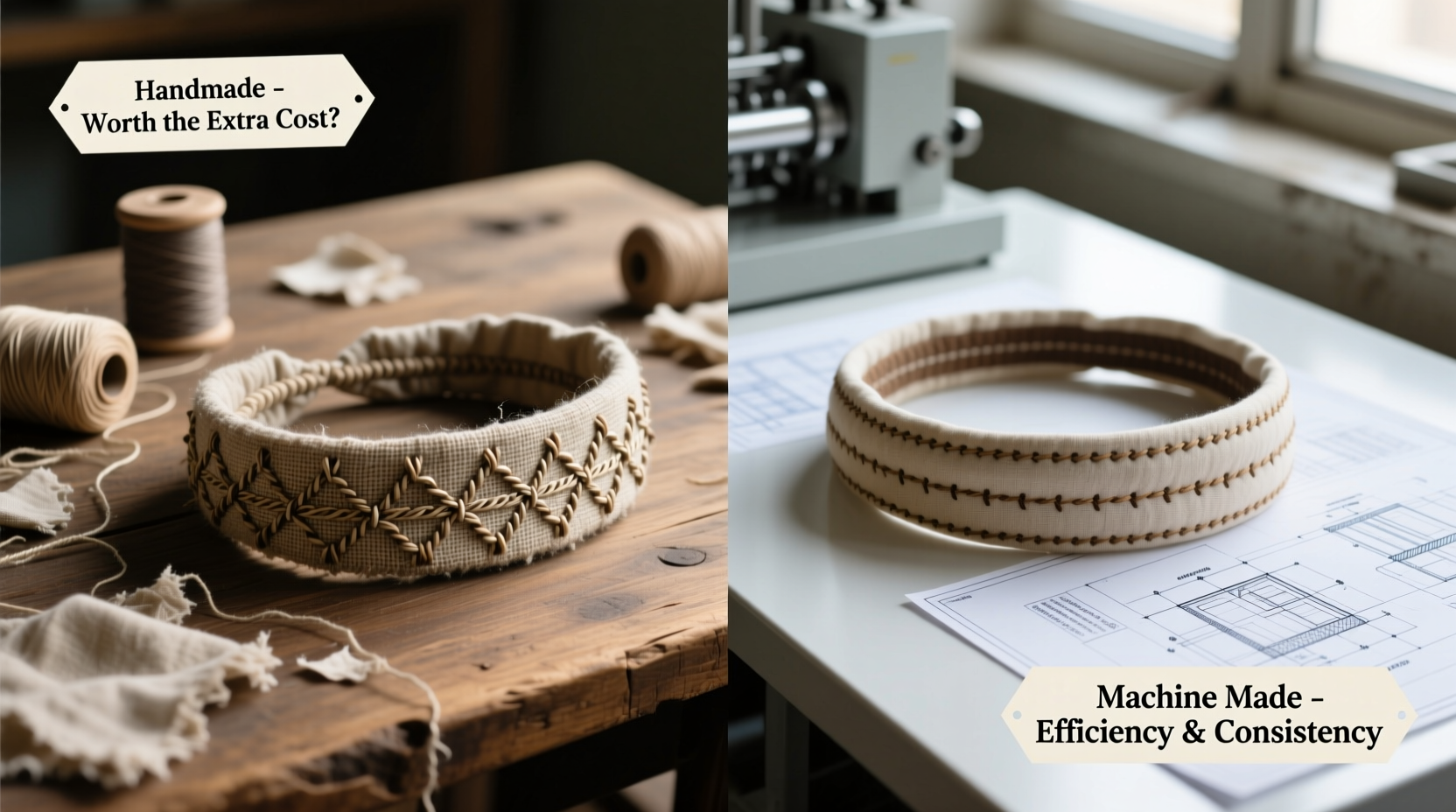
The most fundamental distinction between handmade and machine-made headbands lies in how they are produced. Machine-made headbands are typically mass-produced using automated processes designed for speed and consistency. While this ensures uniformity, it often sacrifices nuance. These headbands are usually stitched with synthetic threads, assembled from standardized patterns, and finished with minimal human oversight.
In contrast, handmade headbands are crafted individually by artisans who invest time in every stage—from selecting fabrics to hand-stitching seams and adding embellishments. This hands-on process allows for greater attention to detail. For example, a handmade headband might feature reinforced stitching at stress points, carefully aligned fabric patterns, or custom-fit adjustments based on customer preferences. The result is often a more refined, intentional product.
“Handmade doesn’t just mean ‘made by hand’—it means care, intention, and adaptation. Each piece carries a subtle uniqueness that machines can’t replicate.” — Lena Patel, Textile Artisan & Sustainable Fashion Advocate
Material Quality and Sustainability
Machine-made headbands frequently use synthetic materials like polyester, nylon, or elastic blends chosen for their low cost and ease of manufacturing. While functional, these materials can lack breathability, cause irritation for sensitive skin, and degrade faster under regular wear. Additionally, large-scale production often prioritizes volume over environmental responsibility, contributing to textile waste and carbon emissions.
Handmade headbands, especially those from independent makers, tend to emphasize sustainable sourcing. Many artisans use organic cotton, bamboo fibers, silk, or upcycled fabrics. Elastic components are often higher-grade and encased in soft fabric to prevent chafing. Because production is small-batch, there’s less overproduction and lower environmental impact. This focus on ethical sourcing appeals to eco-conscious consumers who value transparency in their purchases.
Comfort, Fit, and Longevity
Fit and comfort are critical when wearing a headband regularly. Machine-made options often follow generic sizing, which can lead to slippage, tight pressure behind the ears, or uneven tension. Over time, the elastic may lose its stretch, or seams may fray due to repetitive stress.
Handmade headbands frequently offer better ergonomics. Artisans can customize band width, adjust elasticity, and tailor the interior lining for maximum comfort. Many use techniques like French seams or flat-felled stitching to reduce bulk and irritation. Because they’re built with durable materials and reinforced construction, they often last longer—even with daily use.
Real-Life Example: A Yoga Instructor’s Experience
Sophie, a yoga instructor from Portland, used machine-made headbands for years until she developed recurring scalp irritation. After switching to a handmade linen-cotton blend headband with soft internal elastic, she noticed immediate improvement. “It stayed in place during inversions, didn’t leave marks, and held up through weekly washes,” she said. “I paid more upfront, but I’ve used it daily for 14 months without signs of wear. That’s three machine-made bands saved.”
Price Comparison: Breaking Down the Cost
At retail, machine-made headbands typically range from $5 to $12, while handmade versions often start at $18 and can go up to $40 or more. The gap raises a valid question: does the higher price reflect real value?
The answer depends on what you're paying for. With machine-made headbands, much of the cost covers branding, packaging, and distribution—not necessarily quality. In contrast, the price of a handmade headband usually reflects fair wages for the artisan, premium materials, and small-scale overhead. You're not just buying an accessory; you're supporting individual craftsmanship and sustainable practices.
| Feature | Machine-Made Headbands | Handmade Headbands |
|---|---|---|
| Average Price | $5 – $12 | $18 – $40+ |
| Materials | Synthetic blends, standard elastic | Natural/organic fabrics, high-grade elastic |
| Production Scale | Mass-produced | Small-batch or custom |
| Lifespan (with regular use) | 3–8 months | 12–24+ months |
| Environmental Impact | Higher (waste, energy, transport) | Lower (local, sustainable sourcing) |
| Customization Options | Rare | Common (size, fabric, design) |
When Handmade Is Worth the Investment
Not every situation demands a handmade headband. For occasional use, children’s costumes, or disposable events, machine-made options remain practical and economical. However, handmade becomes a smart investment in specific scenarios:
- Daily wear: If you wear a headband regularly—for work, workouts, or hair management—a well-made one pays for itself over time.
- Sensitive skin: Natural fabrics and seamless interiors reduce irritation and allergic reactions.
- Supporting small businesses: Purchasing handmade supports independent creators and ethical labor practices.
- Unique style: Handmade pieces often feature original designs, limited runs, or personalized touches unavailable in mass markets.
Checklist: How to Choose the Right Headband for You
- Assess how often you’ll wear it—daily, occasionally, or for special events.
- Evaluate your sensitivity to materials—do synthetics irritate your skin?
- Consider fit needs—do you need adjustable sizing or extra grip?
- Determine your budget over time—can you afford a higher upfront cost for longer durability?
- Research the maker or brand—do they disclose materials, production methods, and ethics?
- Check return policies or reviews if buying online.
Frequently Asked Questions
Are all handmade headbands better than machine-made ones?
Not automatically. Quality varies among artisans just as it does among manufacturers. Some handmade products may use low-cost materials or inconsistent techniques. Always check reviews, examine product descriptions, and buy from reputable sellers—whether on Etsy, craft fairs, or boutique sites.
Can machine-made headbands be sustainable?
Possibly. Some brands now use recycled materials and ethical factories. However, true sustainability includes production scale and longevity. Even eco-friendly machine-made headbands may contribute to overconsumption if they wear out quickly and require frequent replacement.
How do I care for a handmade headband to extend its life?
Follow the care instructions provided. Most handmade headbands should be hand-washed in cool water with mild detergent and laid flat to dry. Avoid wringing or machine drying, which can damage delicate fabrics and elastic. Store them flat or rolled to maintain shape.
Making the Decision: Value Beyond Price
The choice between handmade and machine-made headbands ultimately comes down to personal priorities. If your main concern is immediate affordability and disposability, machine-made models make sense. But if you value comfort, durability, ethical production, and unique design, the extra cost of handmade is often justified.
Think of it this way: spending $25 on a headband that lasts two years equates to about $1.04 per month. Compare that to buying four $8 machine-made headbands over the same period—totaling $32—with potentially more discomfort and environmental impact. In many cases, the handmade option isn’t just better quality; it’s also more economical in the long run.
Final Thoughts
The extra cost of handmade headbands isn’t about luxury for luxury’s sake—it’s about investing in thoughtful design, superior materials, and lasting performance. While not every consumer needs or can afford handmade items, those who prioritize quality, sustainability, and comfort will likely find the upgrade worthwhile.
Next time you’re browsing headbands, look beyond the price tag. Consider who made it, what it’s made of, and how long it will serve you. When you support handmade, you’re not just accessorizing—you’re making a choice that values craftsmanship, individuality, and mindful consumption.




 浙公网安备
33010002000092号
浙公网安备
33010002000092号 浙B2-20120091-4
Comments
No comments yet. Why don't you start the discussion?