
The moment you unbox a new smartphone, one of the first decisions you face is what kind of case to use. It might seem like a minor accessory, but your phone case plays a critical role in protecting your device from drops, scratches, and everyday wear. With so many options available—silicone sleeves, rugged polycarbonate shells, slim TPU covers, and hybrid designs—it’s natural to wonder: does the type of case really matter? The short answer is yes. The difference between a hard case and a soft case goes beyond feel; it affects drop resistance, longevity, grip, and even heat dissipation.
Understanding the Basics: Hard Case vs. Soft Case
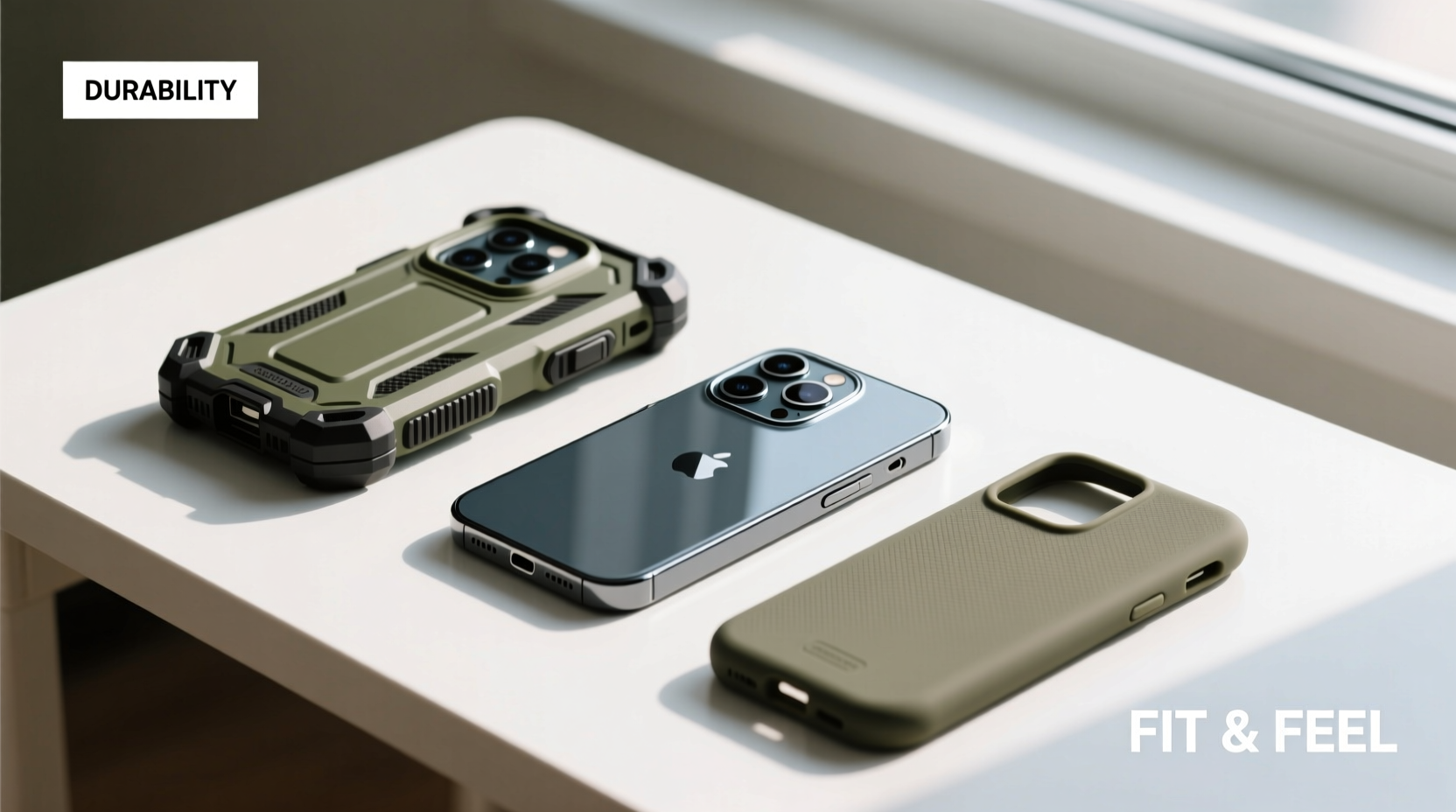
At their core, hard cases and soft cases are built from different materials and serve slightly different purposes. A hard case is typically made from rigid polycarbonate or plastic, offering a solid outer shell that resists scratches and provides structural support. These cases often snap tightly onto the phone and may include raised edges to protect the screen and camera when placed face-down.
Soft cases, on the other hand, are usually crafted from thermoplastic polyurethane (TPU) or silicone. They’re flexible, rubber-like, and designed to absorb impact through compression. Because they conform closely to the phone’s shape, they offer excellent shock absorption during falls, especially from moderate heights.
While both types aim to protect your device, their performance varies depending on usage patterns, environment, and personal preferences.
Material Differences and Real-World Performance
| Feature | Hard Case | Soft Case |
|---|---|---|
| Material | Polycarbonate, rigid plastic | TPU, silicone |
| Impact Absorption | Moderate – deflects impact but doesn’t compress | High – compresses to absorb shock |
| Scratch Resistance | Excellent – surface resists scuffs | Poor – prone to micro-scratches over time |
| Grip | Fair – can be slippery | Excellent – non-slip texture |
| Durability | Long-lasting, less deformation | May yellow or degrade over time |
| Heat Dissipation | Better airflow due to rigidity | Can trap heat against the phone |
Protection Levels: Which Case Offers Better Defense?
When evaluating protection, consider how each case handles common threats: drops, bumps, and abrasions. Hard cases excel at resisting surface damage. Their rigid structure prevents keys, coins, or sand from scratching the phone’s finish. However, during a fall, the lack of flexibility means the force transfers more directly to the phone, increasing the risk of internal damage or cracked glass—especially if dropped on a corner.
Soft cases perform better in impact scenarios. TPU acts like a cushion, compressing on impact to dissipate energy. This makes them particularly effective for everyday drops from waist or pocket height. Independent lab tests have shown that soft cases reduce peak impact force by up to 30% compared to bare phones, while hard cases show only marginal improvement unless combined with internal bumpers.
“In controlled drop tests, flexible TPU cases consistently outperformed rigid shells in preventing screen fractures from heights under 1.5 meters.” — Dr. Lena Torres, Materials Engineer at Mobile Safety Labs
Hybrid Cases: The Best of Both Worlds?
Many modern cases combine a soft inner TPU layer with a hard outer shell. These hybrid designs aim to deliver dual protection: impact absorption from the inside and scratch resistance from the outside. They also tend to include reinforced corners and air-cushion technology to redirect shock away from vulnerable areas.
If maximum protection is your priority—especially if you're accident-prone or work in high-movement environments—a hybrid model is often the smartest investment. While slightly bulkier, they offer balanced defense without sacrificing too much in aesthetics or pocketability.
Lifestyle Considerations: Matching Your Case to Your Routine
Your daily habits should heavily influence your choice. Ask yourself: where do I carry my phone? How often do I drop it? Do I prioritize style or function?
- Office workers who keep phones on desks may prefer sleek hard cases for their minimalist look and resistance to desk scratches.
- Outdoor enthusiasts or parents juggling multiple tasks benefit from soft or hybrid cases that provide superior grip and shock absorption.
- Travelers exposed to dust, sand, or humidity might lean toward hard cases that are easier to wipe clean and resist material degradation.
Silicone soft cases, while grippy, can attract lint and dirt over time. Hard plastic cases are easier to maintain but may crack if subjected to repeated stress, such as being sat on or bent in tight pockets.
Mini Case Study: Two Users, Two Choices
Consider Sarah, a graphic designer who commutes daily on public transit. She carries her phone in a crowded bag alongside chargers, notebooks, and pens. After three months with a soft silicone case, she noticed fine scratches on the back panel. Switching to a matte-finish hard case eliminated the issue—her phone stayed pristine despite constant contact with sharp objects.
Then there’s James, a construction site supervisor. He drops his phone frequently—from ladders, tool belts, and concrete floors. His previous hard case shattered after two major falls. Since switching to a rugged hybrid model with reinforced corners, he hasn’t had a single screen crack, even after dropping it from chest height onto gravel.
Their experiences highlight a key truth: context determines effectiveness. There’s no universal “best” case—only the best fit for your lifestyle.
Step-by-Step Guide: Choosing the Right Case for You
- Assess your risk factors: Do you walk quickly? Work in dynamic environments? Frequently remove and replace your phone?
- Evaluate past damage: Has your phone ever cracked? Was it from a drop, pressure, or abrasion?
- Test grip comfort: Hold sample cases—if available—or read user reviews about slip resistance.
- Check compatibility: Ensure the case doesn’t block ports, buttons, or wireless charging.
- Decide on priorities: Rank protection, thinness, color options, and price.
- Choose material accordingly: Opt for soft or hybrid if drops are common; choose hard if scratch prevention is key.
FAQ: Common Questions About Phone Cases
Does a thicker case always mean better protection?
Not necessarily. While added thickness can improve shock absorption, poorly designed thick cases may concentrate impact forces rather than disperse them. Look for cases with internal air channels or corner reinforcements instead of relying solely on bulk.
Can soft cases cause my phone to overheat?
Possibly. TPU and silicone retain heat more than hard plastics. In hot climates or during intensive gaming or GPS navigation, this insulation effect may lead to thermal throttling. If your phone runs hot, opt for a ventilated hard case or remove the case when charging wirelessly.
How long should a phone case last?
A well-maintained hard case can last 2–3 years without degrading. Soft TPU cases typically last 12–18 months before showing signs of yellowing, stiffness, or tearing. Silicone cases may lose elasticity sooner if exposed to oils or UV light.
Final Checklist Before Buying
- ✅ Drop-tested to military standards (MIL-STD-810G)
- ✅ Raised edges for screen and camera protection
- ✅ Precise cutouts for speakers, ports, and buttons
- ✅ Compatible with wireless charging
- ✅ Easy to install and remove without tools
- ✅ Available in colors that won’t show dirt easily
Conclusion: Yes, It Matters—Choose Wisely
The decision between a hard case and a soft case isn't trivial. Each offers distinct advantages shaped by material science, real-world testing, and user behavior. A hard case keeps your phone looking new and defends against scratches, while a soft case cushions impacts and improves grip. For most people, a hybrid design strikes the ideal balance—delivering both structural integrity and impact resilience.
Your phone is an expensive, essential tool. Protecting it properly isn’t about vanity; it’s about preserving functionality, resale value, and peace of mind. Take a few minutes to evaluate your habits, environment, and priorities. Then choose a case that aligns with how you actually live—not just how you wish you lived.




 浙公网安备
33010002000092号
浙公网安备
33010002000092号 浙B2-20120091-4
Comments
No comments yet. Why don't you start the discussion?