
Every dog owner knows the frustration of a strong-pulling pup dragging them down the sidewalk. But beyond the inconvenience lies a serious health concern: the choking effect caused by traditional collars. When a dog pulls on a neck collar, pressure is applied directly to the trachea, thyroid, lymph nodes, and cervical spine—structures vital to breathing, circulation, and neurological function. This repeated strain can lead to chronic injury, coughing, collapsed trachea, or even eye damage in extreme cases. So, what’s the safer alternative? The answer often lies in choosing between a harness and a collar—but not all harnesses are created equal. Understanding the mechanics, risks, and real-world effectiveness of each option is essential for protecting your dog’s long-term well-being.
The Anatomy of Pulling: How Pressure Affects Your Dog
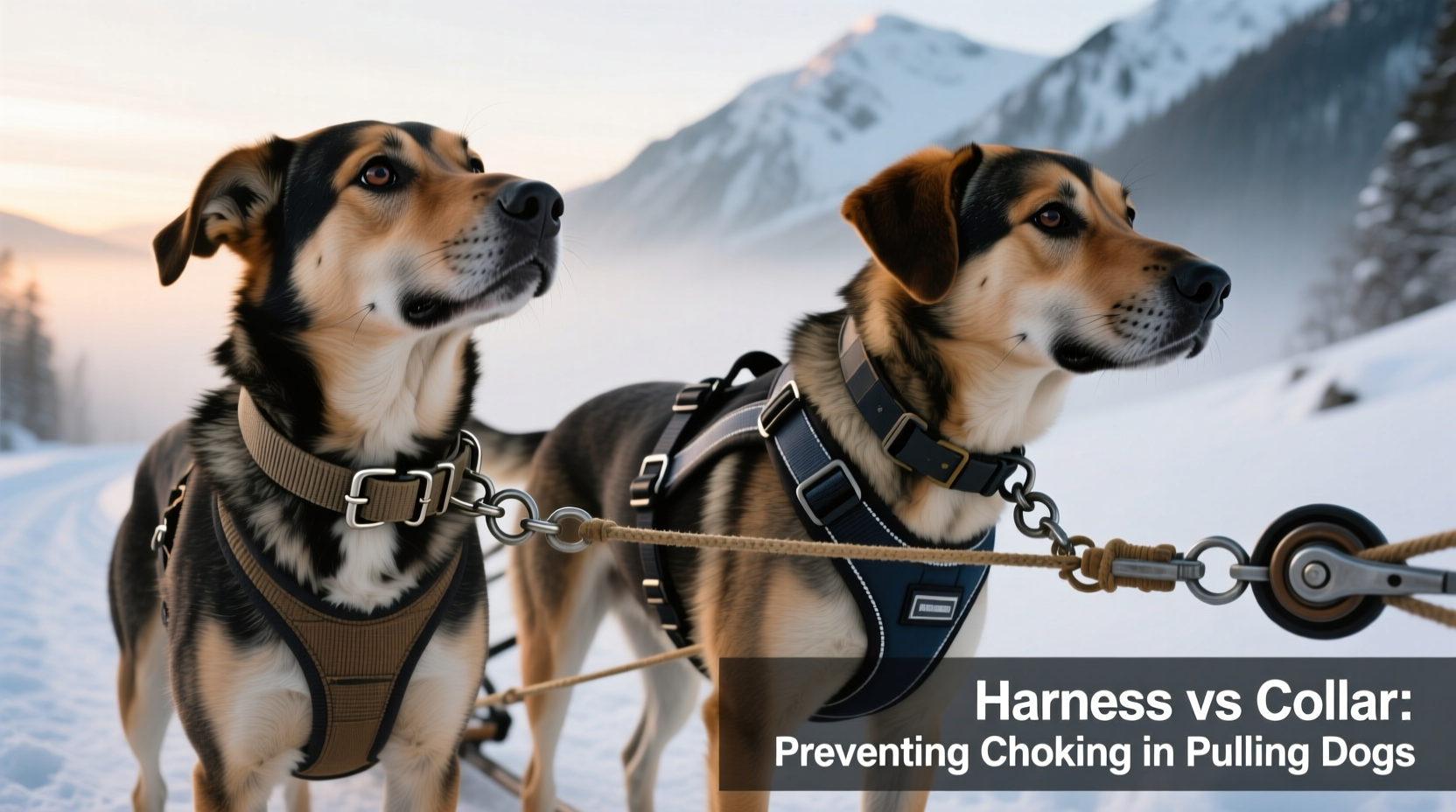
Dogs are naturally curious and energetic, but their instinct to explore doesn’t always align with leash manners. When a dog pulls forward while wearing a standard neck collar, the force is concentrated around the throat. Research published in the *Journal of Veterinary Behavior* shows that even moderate tension from a collar can compress the trachea by up to 40%, disrupting airflow and causing discomfort. Over time, this repetitive stress may contribute to conditions like:
- Tracheal collapse (especially in small breeds)
- Inflammation of the larynx or esophagus
- Thyroid dysfunction due to vascular compression
- Glaucoma or increased intraocular pressure from jugular vein restriction
Veterinarians and canine rehabilitation specialists increasingly warn against prolonged use of restrictive collars, particularly for dogs prone to pulling. Dr. Sophia Yin, renowned veterinary behaviorist, emphasized:
“Even brief episodes of high-pressure pulling can cause microtrauma to delicate tissues in the neck. Over months or years, this accumulates into significant pathology.” — Dr. Sophia Yin, DVM, MS
This growing awareness has shifted focus toward more humane walking solutions—primarily harnesses designed to distribute force away from sensitive areas.
Harness vs Collar: A Functional Comparison
At first glance, the choice seems simple: a collar goes around the neck; a harness wraps over the chest and shoulders. But the differences go far beyond placement—they affect safety, control, training outcomes, and comfort.
| Feature | Traditional Neck Collar | Front-Clip Harness | Back-Clip Harness |
|---|---|---|---|
| Pressure Location | Neck (trachea, spine) | Chest and shoulders | Shoulders and back |
| Choking Risk | High | Very Low | Moderate (if dog lunges) |
| Control Level | Poor (dog can pull freely) | High (redirects movement) | Moderate |
| Training Support | Limited (reinforces pulling) | Strong (encourages loose-leash walking) | Weaker (allows forward momentum) |
| Breed Suitability | Risky for brachycephalic or small breeds | Suitable for most breeds | Generally safe but less ideal for strong pullers |
The data clearly favors harnesses—especially front-clip models—for reducing the choking effect. Unlike collars, which act like levers on the neck, a well-fitted harness spreads force across broader musculoskeletal structures, minimizing point pressure. However, not all harnesses eliminate risk equally. Back-clip harnesses, while better than collars, still allow dogs to lean into the pull, maintaining some forward drive and potential strain if used without proper training.
Why Front-Clip Harnesses Are Most Effective Against Choking
Front-clip harnesses attach the leash to a ring located on the dog’s chest, typically between the front legs. When the dog pulls forward, the design causes a gentle turn toward the handler—a natural redirection that discourages pulling without pain or fear. This biomechanical advantage makes front-clip harnesses the gold standard for preventing tracheal stress.
Studies conducted at the University of Pennsylvania School of Veterinary Medicine found that dogs wearing front-clip harnesses exhibited significantly reduced cervical pressure compared to both collar and back-clip users. Additionally, owners reported improved attention and responsiveness during walks.
Key benefits of front-clip harnesses include:
- Distributes pulling force across the chest rather than the neck
- Encourages self-correction through natural turning motion
- Reduces strain on joints and spine during sudden lunges
- Improves communication between dog and handler
However, fit is critical. A poorly adjusted harness can rub under the armpits, restrict shoulder movement, or slip off. Always measure your dog’s girth behind the front legs and choose adjustable straps for a snug, non-binding fit.
Real-World Example: Transforming a Strong Puller
Consider Max, a two-year-old Australian Shepherd adopted from a shelter. Despite his intelligence, Max would yank his owner halfway down the block every morning, gasping slightly after intense bursts. His veterinarian noticed mild tracheal irritation during an exam and recommended switching from a nylon collar to a front-clip harness.
Within one week of using a no-pull harness combined with positive reinforcement training (rewarding slack-leash walking), Max’s pulling decreased by over 70%. After three weeks, he walked calmly beside his owner, turning automatically when tension arose. Follow-up exams showed reduced inflammation, and his owner reported fewer coughing episodes during exercise.
Max’s case illustrates how equipment change alone isn’t enough—but when paired with consistent training, a front-clip harness can break the cycle of pulling and protect airway health simultaneously.
Step-by-Step Guide to Transitioning from Collar to Harness
Switching your dog from a collar to a harness requires patience and structure. Follow these steps to ensure a smooth transition:
- Choose the Right Harness Type: Opt for a front-clip model designed to discourage pulling (e.g., Freedom No-Pull, SENSE-ation, or similar).
- Introduce Off-Leash First: Let your dog wear the harness indoors with treats and praise. Remove it after meals or play sessions to build positive association.
- Check Fit Daily: Ensure you can fit two fingers beneath each strap. Straps should lie flat without twisting.
- Practice in Low-Distraction Areas: Begin walks in quiet yards or empty parking lots where distractions are minimal.
- Use Positive Reinforcement: Reward your dog every few steps for walking beside you. Clicker training works well here.
- Manage Tension Gently: If your dog pulls, stop moving and wait. Once the leash loosens, resume walking and reward immediately.
- Gradually Increase Challenge: Move to busier sidewalks only after your dog consistently walks with a loose leash in calmer environments.
This process typically takes 2–6 weeks depending on the dog’s temperament and prior habits. Consistency is key—avoid reverting to a collar during setbacks, as this confuses the learning process.
Common Misconceptions About Harnesses
Despite their advantages, some myths persist about harnesses:
- Myth: “Harnesses encourage pulling.”
Reality: Only ill-fitting or back-clip harnesses may allow sustained pulling. Front-clip designs actively discourage it. - Myth: “Harnesses are only for small dogs.”
Reality: Large, powerful breeds benefit even more from reduced neck strain. Properly built harnesses handle hundreds of pounds of force. - Myth: “Collars are necessary for ID tags.”
Reality: ID tags can be attached to harnesses or worn alongside a loose-fitting, non-weight-bearing collar used solely for identification.
Frequently Asked Questions
Can I still use a collar if my dog pulls?
It’s strongly discouraged. Even padded collars concentrate force on the neck. If you must use a collar temporarily, pair it with a head halter (like a Gentle Leader) under professional guidance. However, a front-clip harness remains the safest long-term solution.
Are all harnesses safe for puppies?
Most are, provided they’re sized correctly. Puppies’ joints and spines are still developing, so avoiding neck pressure is especially important. A well-fitted harness supports healthy musculoskeletal development during early training.
Do service dogs use harnesses or collars?
Service and working dogs almost universally use harnesses—not for control alone, but because they carry gear, support balance, or assist handlers with mobility. These roles demand distributed load-bearing, making harnesses both functional and protective.
Final Recommendation: Prioritize Health Over Habit
The evidence is clear: when it comes to stopping the choking effect caused by pulling, harnesses—particularly front-clip models—are vastly superior to traditional collars. While collars have historical familiarity and simplicity, they pose unnecessary risks to dogs who pull, lunge, or simply get excited on walks. Modern harness technology offers a humane, effective alternative that protects vulnerable anatomy while improving behavioral outcomes.
Transitioning may take effort, but the payoff is a healthier, happier dog and more enjoyable walks for both of you. Don’t let outdated norms dictate your choices. Evaluate your current setup honestly: if your dog strains against the leash, gasps, coughs, or tilts their head unnaturally, it’s time for a change.
“The best tool for walking a dog isn’t the one that gives the handler the most control—it’s the one that keeps the dog physically and emotionally safe.” — Dr. Karen Overall, CAAB, Veterinary Behavioral Medicine Specialist
Take Action Today
Your dog doesn’t need to suffer avoidable discomfort every time you step outside. Start by measuring your dog for a properly fitted front-clip harness. Combine it with reward-based training to teach loose-leash walking. Monitor for signs of improvement: easier breathing, reduced tugging, and greater focus on you during walks. Small changes now can prevent lifelong health issues later.




 浙公网安备
33010002000092号
浙公网安备
33010002000092号 浙B2-20120091-4
Comments
No comments yet. Why don't you start the discussion?