
Bringing home a new puppy is an exciting milestone, but it also comes with important decisions—especially when it comes to walking gear. One of the most critical choices involves whether to use a harness or a collar. While collars have long been the default choice, growing awareness about canine biomechanics and spinal health has shifted expert opinion toward harnesses, particularly for young dogs. Puppies are still developing physically, and excessive pressure on the neck during walks can lead to long-term issues such as tracheal damage, cervical misalignment, and behavioral resistance to walking. Understanding the differences between harnesses and collars—and how each affects your puppy’s body—is essential for promoting safe, comfortable, and positive leash experiences from day one.
Anatomy and Vulnerability: Why Neck Strain Matters in Puppies
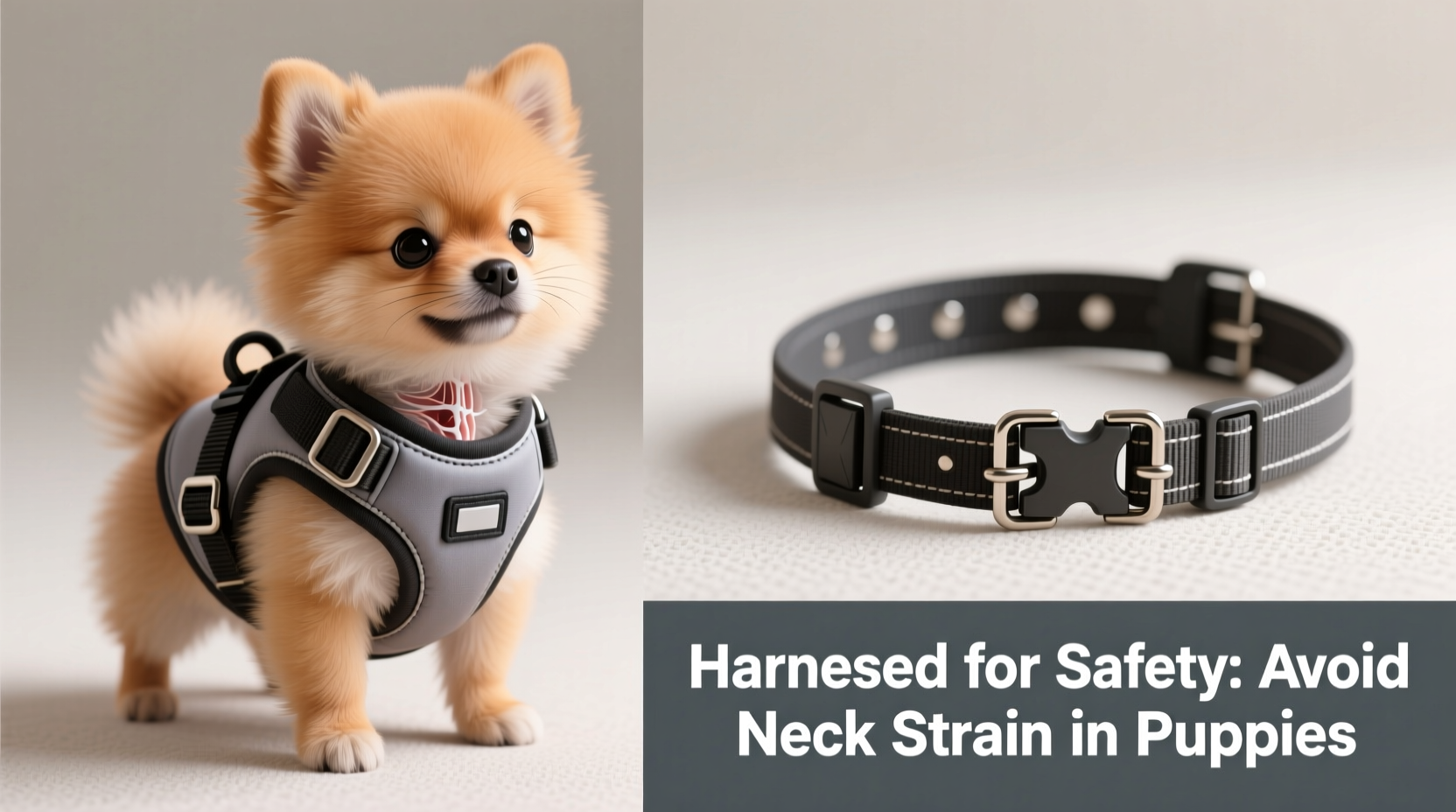
Puppies are not just small adult dogs—they are actively growing animals whose bones, muscles, and nervous systems are still maturing. The cervical spine (neck) plays a crucial role in balance, coordination, and neurological function. When a puppy pulls against a collar, even lightly, the force is concentrated directly on the trachea, larynx, and vertebrae. Repeated strain can result in inflammation, cartilage damage, or even nerve compression that may affect gait and behavior over time.
Small breeds like Chihuahuas and Yorkshire Terriers are especially prone to tracheal collapse due to genetic predisposition and delicate airways. But larger breeds aren’t immune; sudden jerks from excitement or fear can cause microtrauma in any puppy. Veterinarians and veterinary neurologists emphasize that preventing unnecessary stress on the neck isn't just about comfort—it's a preventive health measure.
“Even brief episodes of leash pulling on a collar can compromise blood flow to the eyes and brain in puppies. A well-fitted front-clip harness distributes force safely and supports healthy development.” — Dr. Lena Patel, DVM, Canine Rehabilitation Specialist
Harness vs Collar: Key Differences and Impact on Puppy Health
The fundamental difference between a harness and a collar lies in where force is applied during movement. A collar rests around the neck and transfers all tension to the throat and cervical region. In contrast, a harness wraps around the chest and shoulders, allowing force to be distributed across a broader area of the body.
This distinction becomes critically important during early training stages when puppies are learning to walk on a leash. Most puppies naturally pull because they haven’t yet learned pace control or directional cues. Using a collar under these conditions creates repeated strain. A harness, especially one with a front-clip design, gently redirects the puppy toward the handler without yanking the neck.
| Feature | Collar | Harness |
|---|---|---|
| Pressure Location | Neck (trachea, spine) | Chest and shoulders |
| Suitability for Pulling | Poor – increases injury risk | Good – especially front-clip models |
| Ease of Training | Challenging – encourages opposition reflex | Easier – allows redirection |
| Risk of Tracheal Damage | High in small or excitable pups | Very low with proper fit |
| Escape Risk | Low if properly sized | Varies by design; secure options available |
It’s worth noting that not all harnesses are created equal. Back-clip harnesses resemble collars in effect because they still allow forward momentum during pulls. Front-clip harnesses, which attach the leash to the chest, interrupt the pull instinct by turning the puppy slightly when tension occurs. This makes them ideal tools for teaching loose-leash walking.
Choosing the Right Harness: Features That Prevent Strain
Selecting a puppy-safe harness goes beyond simply avoiding collars. Look for designs that prioritize freedom of movement, structural support, and ease of adjustment. Here are the key features to consider:
- Front-Clip Attachment: Redirects pulling force to guide the puppy inward rather than forward.
- No-Rub Seams: Smooth stitching prevents chafing under the armpits, a common irritation point.
- Adjustable Straps: Allows customization as your puppy grows rapidly in the first six months.
- Wide, Padded Straps: Distribute pressure evenly and reduce localized friction.
- Quick-Snap Buckles: Make putting on and removing easier, reducing stress during transitions.
Avoid “tightening” harnesses that constrict when pulled—these defeat the purpose of strain reduction. Instead, opt for fixed-loop or semi-rigid designs that maintain shape and positioning. Brands like Easy Walk, PetSafe Freedom, and RabbitGoToo have earned strong reputations among trainers and veterinarians for combining safety with usability.
Step-by-Step Guide to Introducing a Harness
Transitioning your puppy to a harness should be gradual and positive. Follow this timeline to ensure comfort and acceptance:
- Day 1–2: Let Your Puppy Investigate
Place the harness nearby during playtime. Offer treats near it so your puppy associates it with good things. - Day 3: Touch and Reward
Gently touch the harness to your puppy’s body while giving high-value treats. Do not fasten yet. - Day 4: Brief Fitting
Put the harness on for 30 seconds while feeding a treat or playing. Remove immediately and praise. - Day 5–7: Increase Duration
Wear the harness during short indoor sessions (5–10 minutes). Practice sitting and coming when called. - Week 2: Attach Leash Indoors
Use a lightweight leash inside the house. Let your puppy drag it under supervision, then hold it and follow loosely. - Week 3: First Outdoor Walks
Begin short walks (5–10 minutes) in quiet areas. Reward calm walking and redirect pulls gently using the front clip.
This method builds confidence and prevents negative associations. Rushing the process can lead to fear or resistance, undermining future training efforts.
When a Collar Might Still Be Appropriate
While harnesses are superior for walking, collars still serve specific purposes. Most experts recommend using a collar in addition to a harness—not instead of—for identification and licensing tags. A soft, padded nylon collar worn alongside a harness ensures your puppy is always identifiable, even if the harness slips off.
However, never attach a leash to the collar when walking a puppy, regardless of breed size. Even brief walks with collar-only attachment accumulate strain. Reserve the collar solely for ID purposes.
“I tell new puppy owners: Use the collar for tags, the harness for walking. It’s the safest combination for both safety and accountability.” — Sarah Lin, Certified Professional Dog Trainer (CPDT-KA)
Real-World Example: Max, the Overexcited Beagle Puppy
Max, a 12-week-old Beagle, was adopted by a first-time owner who used a standard collar and leash for walks. Within two weeks, Max began coughing after outings and would freeze or lie down when approached with the leash. A veterinary exam revealed mild tracheal irritation and muscle tension in the neck. The vet recommended switching to a front-clip harness and enrolling in basic leash manners training.
After transitioning using the step-by-step method above, Max adapted within ten days. His coughing stopped, and he began walking attentively beside his owner. By week six, he responded reliably to directional cues and rarely pulled. The change wasn’t just physical—it improved his confidence and reduced anxiety around outdoor stimuli.
This case illustrates how seemingly minor equipment choices can significantly impact a puppy’s physical health and emotional well-being. Addressing the root cause—neck strain from improper gear—resolved both medical and behavioral symptoms.
Checklist: Selecting and Using a Strain-Free Walking System
Use this checklist to ensure you’re protecting your puppy’s neck and setting up successful walks:
- ☑ Choose a front-clip harness with padded chest and shoulder straps
- ☑ Measure your puppy’s girth and neck before purchasing
- ☑ Test fit: Two fingers should fit under each strap
- ☑ Introduce the harness gradually with positive reinforcement
- ☑ Never attach a leash to a collar on a puppy
- ☑ Use the collar only for ID and vaccination tags
- ☑ Keep initial walks short (5–10 minutes) and distraction-free
- ☑ Reward attention and loose-leash walking consistently
- ☑ Monitor for signs of rubbing, redness, or reluctance
- ☑ Adjust harness weekly as your puppy grows
Frequently Asked Questions
Can a harness hurt my puppy if it doesn’t fit right?
Yes. A poorly fitted harness—especially one that rubs under the armpits or restricts shoulder motion—can cause skin irritation, discomfort, and even gait abnormalities. Always check fit regularly and choose designs with multiple adjustment points.
Will using a harness make my puppy lazier or less obedient?
No. Research shows that puppies trained with front-clip harnesses develop better focus and responsiveness because they aren’t distracted by neck pressure. Obedience depends on consistent training, not the type of gear.
At what age should I switch from a harness to a collar for walking?
There’s no need to switch. Many adult dogs continue using harnesses throughout life, especially those prone to respiratory issues or joint problems. If you do transition later, ensure your dog walks politely on a loose leash first and consult your vet about suitability.
Conclusion: Prioritizing Long-Term Health Over Tradition
The choice between a harness and a collar isn’t merely about preference—it’s a decision that impacts your puppy’s physical development and quality of life. While collars remain useful for identification, they are outdated and potentially harmful tools for walking young dogs. Harnesses, particularly front-clip models, offer a safer, more humane way to teach leash skills without risking neck strain.
By choosing the right gear, introducing it patiently, and focusing on positive reinforcement, you lay the foundation for a lifetime of enjoyable walks and strong human-canine communication. Don’t let tradition override science and compassion. Your puppy’s neck is too important to risk.




 浙公网安备
33010002000092号
浙公网安备
33010002000092号 浙B2-20120091-4
Comments
No comments yet. Why don't you start the discussion?