
When the first crates of freshly roasted Hatch chiles appear at farmers' markets and grocery stores each late summer, food lovers across the U.S. take notice. These green chiles, grown in the fertile floodplain of the Rio Grande in New Mexico’s Hatch Valley, are prized not only for their smoky-sweet depth but also for their variable heat—ranging from barely-there warmth to a sharp, lingering burn. Understanding Hatch chile heat levels is essential for both cautious home cooks and adventurous spice enthusiasts who want to harness their full culinary potential without overwhelming a dish.
The confusion often begins with labeling: “mild,” “medium,” and “hot” are commonly used descriptors, but these terms lack standardization and can vary significantly between harvests, farms, and even individual peppers on the same plant. This guide demystifies the spectrum of Hatch chile heat, explains how it compares to other chili peppers, and provides practical advice for selecting, preparing, and using them in everyday cooking.
Definition & Overview
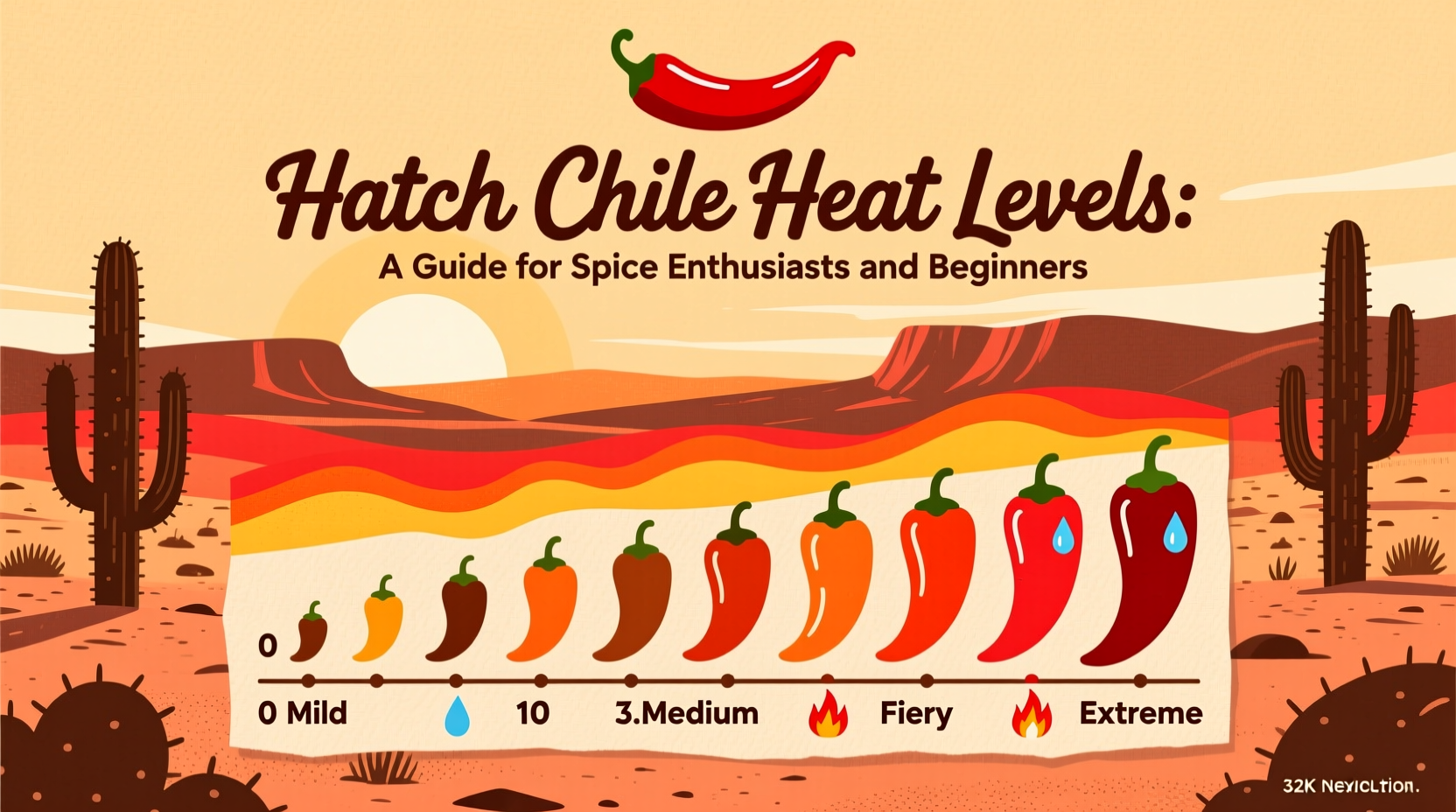
Hatch chiles are a category of New Mexican chile peppers cultivated primarily in and around the town of Hatch, New Mexico. Though the term “Hatch chile” is often used generically, it refers to specific cultivars developed over more than a century at New Mexico State University’s Chile Pepper Institute, including ‘Heritage Big Jim,’ ‘No. 6,’ ‘No. 9,’ and ‘Sandia.’ These varieties are selectively bred for flavor, yield, and adaptability to the region’s high desert climate.
Harvested annually from late July through September, Hatch chiles are typically sold fresh and roasted, though they are also available dried, frozen, or canned. Their flavor profile combines earthy sweetness with grassy, vegetal notes and a subtle fruitiness that intensifies when roasted. The heat—measured in Scoville Heat Units (SHU)—varies widely due to genetics, soil conditions, water stress, and sun exposure during growth.
Unlike mass-produced jalapeños or serranos grown for consistency, Hatch chiles embrace variability. This unpredictability is part of their appeal but demands informed handling. For cooks, understanding this range ensures better control over the final dish’s spiciness.
Key Characteristics
| Characteristic | Description |
|---|---|
| Origin | Hatch Valley, New Mexico, USA |
| Botanical Name | Capsicum annuum (New Mexican group) |
| Flavor Profile | Earthy, mildly sweet, grassy, with roasted bell pepper and citrus undertones |
| Aroma | Smoky when roasted; fresh-cut green pepper when raw |
| Color | Harvested green; ripens to red if left on plant |
| Heat Level (SHU) | 1,000–8,000 Scoville Heat Units (varies by type and growing conditions) |
| Culinary Function | Flavor base, seasoning agent, main ingredient in salsas, stews, casseroles |
| Shelf Life (Fresh) | 5–7 days refrigerated; up to 1 year frozen after roasting/peeling |
The heat in Hatch chiles comes from capsaicin, concentrated primarily in the inner membranes and seeds. However, unlike habaneros or ghost peppers, where heat dominates the experience, Hatch varieties balance spiciness with complex flavor—making them ideal for dishes where chili contributes more than just fire.
Variants & Types
Hatch chiles come in several named cultivars, each with distinct heat and texture profiles. While vendors often label them simply as “mild,” “medium,” or “hot,” knowing the actual variety offers greater predictability.
Common Hatch Chile Cultivars
- Heritage Big Jim: One of the most popular heirloom types. Typically mild (1,000–2,000 SHU), thick-walled, and excellent for stuffing. Known for its juicy crunch and low heat, it’s ideal for beginners or family-friendly meals.
- New Mexico No. 6: Slightly hotter than Big Jim (2,000–4,000 SHU), with a sharper bite and deeper color. Often used in commercial processing and sauces.
- New Mexico No. 9: A step up in heat (3,000–5,000 SHU), with bright acidity and crisp texture. Performs well grilled or blended into green chile stew.
- Sandia: Ranges from medium to hot (4,000–8,000 SHU). Frequently dried and sold as red chile powder, but fresh versions pack noticeable punch. Best suited for those who enjoy assertive spice.
- Hidalgo: Less common but notable for reaching the upper end of the scale (up to 8,000 SHU). Offers tropical fruit notes beneath its heat—closer in character to a cayenne than a bell pepper.
Pro Tip: Always taste a small piece of raw Hatch chile before adding it to a recipe. Cut a tiny sliver from the flesh near the stem (avoiding the placenta), chew carefully, and wait 30 seconds. This simple test prevents accidental over-spicing.
Forms of Hatch Chiles
Beyond fresh whole peppers, Hatch chiles are available in multiple forms, each suited to different uses:
- Fresh Whole (Green or Red): Roasted over open flames at roadside stands or in backyard setups. Ideal for immediate use in sandwiches, omelets, or casseroles.
- Roasted & Peeled (Vacuum-Sealed or Frozen): Convenient for off-season cooking. Retains much of the fresh flavor and softens during freezing, making it perfect for blending into soups or spreading on burgers.
- Dried Red Hatch Chiles: Used whole or ground into powder. Provide deeper, raisin-like sweetness and consistent heat. Essential for traditional New Mexican red chile sauce.
- Canned or Jarred Green Chiles: Commercially processed; milder and softer in texture. Useful for quick additions to casseroles, dips, or scrambled eggs.
- Purees and Sauces: Pre-made green chile sauces vary widely in heat and salt content. Check labels for additives and preservatives.
Comparison with Similar Ingredients
Hatch chiles are frequently compared to other green chilies, but key differences affect substitution decisions.
| Pepper Type | Heat (SHU) | Flavor Notes | Best Substitution For Hatch? |
|---|---|---|---|
| Jalapeño | 2,000–8,000 | Grassy, slightly tart, less sweet | Limited—use only for hot Hatch recipes; lacks depth |
| Serrano | 10,000–23,000 | Bright, sharp, intense heat | No—too hot and narrow in flavor |
| Poblano | 1,000–2,000 | Earthy, broad, meaty flesh | Yes—for mild Hatch in stuffed dishes (chiles rellenos) |
| Cubanelle | 0–1,000 | Sweet, thin-walled, minimal heat | No—lacks the signature Hatch bite and aroma |
| Anaheim | 500–2,500 | Mild, slightly tangy | Closest substitute; similar size and wall thickness |
“Hatch chiles have a terroir you can taste—the mineral-rich river soil, high-altitude sun, and cool nights create a flavor no greenhouse pepper can replicate.” — Dr. Paul Bosland, Director Emeritus, Chile Pepper Institute, New Mexico State University
While Anaheim peppers are genetically related (both belong to the New Mexican chile group), true Hatch-grown specimens exhibit more complexity due to regional growing conditions. Poblanos offer a meatier alternative for stuffing but lack the bright green pepper character of fresh Hatch.
Practical Usage
Hatch chiles shine when treated as a primary ingredient rather than a background spice. Their versatility spans casual weeknight meals to elevated restaurant fare.
Home Cooking Applications
- Roasting and Peeling: Slit peppers lengthwise, remove stems and seeds. Roast over gas flame, grill, or under broiler until blackened. Place in a bowl covered with plastic wrap for 15 minutes to steam, then peel skin away. Store in oil or freeze for later use.
- Green Chile Stew: A New Mexican staple. Brown cubed pork shoulder, add onions, garlic, and roasted diced Hatch chiles. Simmer with chicken stock, cumin, and oregano until tender. Finish with a splash of apple cider vinegar to brighten flavors.
- Breakfast Dishes: Fold chopped roasted Hatch into scrambled eggs, frittatas, or breakfast burritos. Pair with sharp cheddar and potatoes for classic Southwestern flavor.
- Chili and Casseroles: Add diced mild-to-medium Hatch chiles to white chicken chili, mac and cheese, or tuna casserole for subtle heat and moisture.
- Condiments and Spreads: Blend roasted chiles with cream cheese, sour cream, or mayonnaise for a flavorful sandwich spread. Mix with lime juice and cilantro for a quick relish.
Professional Kitchen Techniques
In restaurants, chefs leverage Hatch chiles for layering flavor. They might use multiple heat levels within one menu:
- Use **mild** chiles in appetizers like stuffed mushrooms or chile cornbread to appeal to broader palates.
- Reserve **hot** chiles for specialty items such as spicy green chile pork tacos or infused syrups for cocktails.
- Create a **heat ladder** on menus—labeling dishes as “Mild,” “Medium,” or “Fire”—to educate diners and manage expectations.
- Infuse oils or vinegars with roasted Hatch chiles for drizzling over finished plates.
Chef’s Note: When building flavor in sauces, sauté minced Hatch chiles early with aromatics to mellow their raw edge. For brighter, fresher heat, fold in roasted pieces at the end of cooking.
Practical Tips & FAQs
How do I know if a Hatch chile is mild or hot?
There’s no foolproof visual cue, but smaller, skinnier peppers tend to be hotter than plump, wide ones. Stress factors like drought increase capsaicin production, so hotter years yield spicier crops. Always taste-test before committing to a recipe.
Can I substitute canned green chiles for fresh Hatch?
Yes, but with caveats. Canned chiles (often labeled “Mexican-style” or “Hatch-style”) are usually mild and softer in texture. Use them in place of mild roasted Hatch in casseroles or soups, but avoid in dishes where freshness and crunch matter.
Are red Hatch chiles hotter than green ones?
Not necessarily. As Hatch chiles ripen from green to red, their sugar content increases and heat may slightly mellow. However, fully mature red chiles develop deeper, raisin-like flavors and are preferred for drying and grinding into chile powder.
How should I store fresh Hatch chiles?
Unroasted: Keep in a paper bag in the refrigerator crisper drawer for up to one week. Roasted and peeled: Pack in airtight containers or vacuum-seal and freeze for up to 12 months. Avoid storing in water or oil unless planning to use within a few days.
What safety precautions should I take when handling hot Hatch chiles?
Wear gloves when seeding and chopping, especially with unknown or labeled “hot” varieties. Capsaicin can transfer to eyes, nose, or skin, causing irritation. Wash hands thoroughly with soap and water afterward. Never touch your face while working.
Can I grow my own Hatch chiles?
You can grow Hatch *cultivars* (like ‘Big Jim’ or ‘Sandia’) outside New Mexico, but true “Hatch” designation applies only to peppers grown in the Hatch Valley. Plants require full sun, well-drained soil, and 70–80 frost-free days. Start seeds indoors 8 weeks before last frost.
Why are some Hatch chiles so expensive?
Authentic Hatch chiles are seasonal and labor-intensive to harvest. Most are hand-picked and roasted onsite, contributing to cost. Counterfeit “Hatch-style” peppers from California or Mexico may be cheaper but lack regional authenticity and flavor depth.
Storage Checklist:
☐ Roast and peel immediately upon purchase
☐ Portion before freezing for easy use
☐ Label bags with date and heat level (if known)
☐ Use frozen chiles directly in cooked dishes—no need to thaw
Summary & Key Takeaways
Hatch chiles are not a single pepper but a dynamic family of New Mexican cultivars defined by their origin, seasonality, and variable heat. Their Scoville range—from 1,000 to 8,000 units—means every batch requires careful evaluation before use. Mild varieties like ‘Heritage Big Jim’ suit everyday cooking, while hotter types such as ‘Hidalgo’ cater to spice seekers.
The hallmark of Hatch chiles is their balance: heat serves flavor, not the other way around. Whether roasted and tucked into a breakfast burrito or simmered into a rich pork stew, they elevate dishes with smoky-sweet complexity and a customizable kick.
To cook confidently with Hatch chiles:
- Always verify heat level by tasting a small sample.
- Use appropriate substitutions—Anaheim or poblano—when fresh Hatch aren’t available.
- Roast and freeze surplus for year-round access.
- Respect the capsaicin: handle hot peppers with care.
- Embrace the season—late summer through fall is peak time for authentic flavor.
Ready to explore? This season, buy a pound each of labeled “mild,” “medium,” and “hot” Hatch chiles. Roast them all, then taste side by side. You’ll develop an intuitive sense of their differences—and gain confidence in using them precisely in your kitchen.




 浙公网安备
33010002000092号
浙公网安备
33010002000092号 浙B2-20120091-4
Comments
No comments yet. Why don't you start the discussion?