
Nutmeg is more than a seasonal spice dusted over pumpkin lattes and eggnog. Behind its warm, sweet aroma lies a complex botanical profile with centuries of medicinal and culinary application. Often overlooked in modern kitchens, this potent seed offers surprising physiological effects, ranging from digestive support to natural sleep aid properties. Understanding how to use nutmeg safely and effectively—both as a flavor enhancer and wellness adjunct—can elevate your cooking and contribute meaningfully to daily well-being. As interest grows in plant-based remedies and functional foods, revisiting traditional spices like nutmeg provides practical insight into integrating holistic nutrition into everyday life.
Definition & Overview
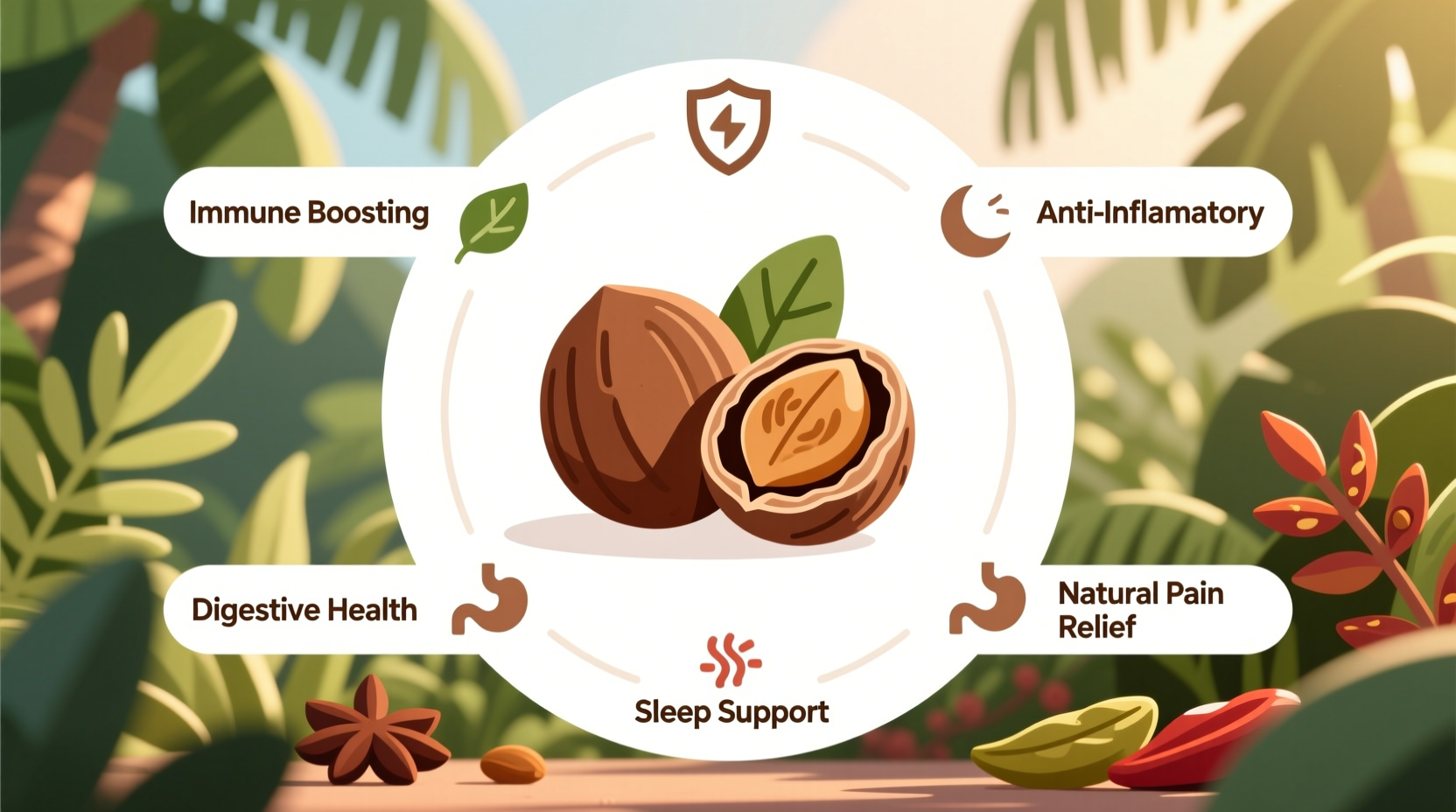
Nutmeg is the seed of Myristica fragrans, an evergreen tree native to the Banda Islands in Indonesia’s Maluku province, historically known as the “Spice Islands.” The tree produces a fruit resembling a small peach; when split open, it reveals the hard, oval-shaped nutmeg seed wrapped in a lacy red membrane—mace, a separate but related spice. Both are harvested, dried, and used globally in whole or ground form.
Culinarily, nutmeg belongs to the category of warm, aromatic spices. It delivers a subtly sweet, woody, and slightly peppery flavor with balsamic undertones. Unlike aggressive spices such as clove or cinnamon, nutmeg imparts depth without overwhelming heat, making it ideal for balancing both sweet and savory preparations. Its influence extends across European, Indian, Caribbean, and Middle Eastern cuisines, where it seasons everything from béchamel sauce to chai blends and meat rubs.
Medicinally, nutmeg has been used since antiquity. In Ayurvedic medicine, it is classified as a nervine tonic and digestive stimulant. Traditional Chinese Medicine (TCM) employs it cautiously for kidney yang deficiency and abdominal coldness. Modern research supports some of these applications while cautioning against misuse due to psychoactive compounds present in high doses.
Key Characteristics
| Attribute | Description |
|---|---|
| Flavor Profile | Warm, sweet, mildly nutty, with hints of clove and pine; slightly bitter at high concentrations. |
| Aroma | Rich, resinous, and floral when freshly grated; loses intensity when pre-ground. |
| Color & Form | Light to medium brown; available whole or ground. Whole seeds retain potency longer. |
| Heat Level | Non-pungent; does not produce capsaicin-like burn. Mild warming sensation on palate. |
| Culinary Function | Flavor enhancer, aroma modulator, background note in complex dishes. |
| Shelf Life | Whole: up to 4 years if stored properly. Ground: 6–12 months before significant flavor loss. |
| Active Compounds | Myristicin, elemicin, safrole (volatile oils); lignans; fatty acids including trimyristin. |
Practical Usage: How to Use Nutmeg in Cooking and Wellness
The power of nutmeg lies in restraint. Because its essential oils are highly concentrated, even a quarter teaspoon can transform a dish. Overuse leads to bitterness and, in extreme cases, toxicity. For optimal results, always prefer freshly grated nutmeg over pre-ground powder. A microplane or dedicated nutmeg grater unlocks volatile aromatics that degrade rapidly once exposed to air.
In savory applications, nutmeg enhances creamy sauces by adding dimension without acidity or salt. It is a standard ingredient in French béchamel, Italian besciamella, and German Mornaysauce. A light grating—about 1/8 tsp per cup of milk—is sufficient. Similarly, it complements mashed potatoes, cauliflower purée, and spinach dishes, especially those bound with dairy or eggs.
For protein-based recipes, nutmeg works particularly well with ground meats. It appears in traditional meatloaf, sausage fillings, and ravioli stuffing, where it cuts through richness and balances fat. In Indian cuisine, it is sometimes added to garam masala blends or used sparingly in biryanis and kormas for warmth.
Sweet preparations benefit most during winter months. Add a pinch to baked goods like gingerbread, spiced cakes, custards, rice pudding, and crème brûlée. It pairs exceptionally well with vanilla, dark chocolate, apples, pears, and bananas. In beverages, nutmeg elevates mulled wine, hot chocolate, chai tea, and eggnog—not just for tradition, but for its ability to round out sweetness and spice layers.
Pro Tip: Grate nutmeg directly into warm liquids or fats (like butter or cream) to maximize oil dispersion. Cold ingredients do not extract flavor efficiently. Also, never add nutmeg early in long-cooking dishes—it diminishes over time. Instead, stir it in during the final 5–10 minutes of cooking.
Dosage Guidelines
- Savory Dishes (per serving): 1/8 tsp ground or one 2-second grating from whole seed.
- Baked Goods (per batch): 1/4 to 1/2 tsp depending on size.
- Beverages (per cup): Small pinch or light dusting on foam/surface.
- Medicinal Use (culinary-safe): Up to 1/4 tsp per day; avoid exceeding 1 tsp daily.
Variants & Types
Nutmeg comes in two primary forms: whole seeds and pre-ground powder. Each serves different purposes based on frequency of use, storage conditions, and desired quality.
Whole Nutmeg
This is the preferred form for serious cooks and herbalists. Whole nutmeg retains its essential oils far longer than ground versions. Stored in an airtight container away from light and moisture, it remains potent for years. Fresh grating ensures maximum aroma and flavor impact. Look for plump, firm seeds with no cracks or mold spots. West Indian (Indonesian) nutmeg is considered superior in fragrance to commercially grown alternatives from Sri Lanka or Grenada.
Ground Nutmeg
Convenient but less durable, ground nutmeg oxidizes quickly after milling. Supermarket varieties may be stale upon purchase. If using ground, buy small quantities from high-turnover spice shops and replace every six months. Some brands now offer nitrogen-flushed packaging to extend shelf life.
Nutmeg Oil
Extracted via steam distillation, nutmeg oil is used in aromatherapy and topical formulations. It should never be ingested except under professional supervision due to concentration levels. Diluted in carrier oils, it may help relieve muscle pain or joint stiffness when applied externally.
Nutmeg Butter
A lesser-known derivative, nutmeg butter is the solidified fatty residue left after essential oil extraction. Used traditionally in ointments and poultices, it contains myristic acid and has emollient properties. Rarely found in culinary contexts today.
Comparison with Similar Ingredients
Nutmeg is often confused with other warm spices due to overlapping flavor notes. However, each plays a distinct role in formulation and physiology.
| Spice | Flavor Difference | Culinary Role | Health Notes |
|---|---|---|---|
| Cinnamon | Sweeter, sharper, more sugary; dominant top note. | Primary sweetener substitute; structural spice in baking. | Blood sugar modulation; safer in larger amounts. |
| Clove | Intense, numbing, medicinal; phenolic bite. | Used sparingly; defines holiday blends. | Eugenol-rich; antiseptic; higher irritation risk. |
| Allspice | Combines notes of nutmeg, clove, cinnamon, pepper. | Single-spice alternative in jerk seasoning, pies. | Milder psychoactive potential; generally safer. |
| Mace | More delicate, citrus-tinged version of nutmeg. | Preferred in pale sauces, fish dishes, delicate pastries. | Same active compounds but lower concentration. |
\"Nutmeg is the quiet architect of flavor—never loud, but essential to harmony in many classic dishes.\" — Chef Élise Pasquier, Culinary Instructor, Le Cordon Bleu Paris
Practical Tips & FAQs
Is nutmeg safe to consume daily?
Yes, in culinary amounts (up to 1/4 tsp per day). Chronic intake above 1 tsp may lead to myristicin toxicity, causing dizziness, nausea, tachycardia, or hallucinations. These effects are dose-dependent and typically resolve within 24–48 hours, but medical attention should be sought if symptoms persist.
Can nutmeg help with sleep?
Anecdotal evidence and preliminary animal studies suggest low-dose nutmeg may have sedative effects due to myristicin’s interaction with GABA receptors. A traditional remedy involves mixing a pinch of nutmeg into warm milk before bed. While not a replacement for clinical insomnia treatment, it may support relaxation in sensitive individuals.
Does nutmeg aid digestion?
Yes. Nutmeg stimulates gastric secretions and bile flow, aiding fat breakdown. It also exhibits carminative properties, reducing gas and bloating. In Ayurveda, a tiny amount (pinch) is taken post-meal with honey or warm water to enhance agni (digestive fire).
How should I store nutmeg?
Keep whole nutmeg in an opaque, airtight glass jar in a cool, dark cupboard. Avoid proximity to stoves or sinks due to heat and humidity. Ground nutmeg should be refrigerated if kept beyond three months, though freshness cannot be fully preserved.
What are signs of spoiled nutmeg?
Rancid nutmeg develops a musty odor and flat taste. Whole seeds may become brittle or show mold. Ground versions lose color and fail to release aroma when rubbed between fingers. When in doubt, grate a small amount into hot butter—if no fragrance emerges, discard it.
Can I substitute ground for whole nutmeg?
Yes, but adjust expectations. One whole nutmeg yields approximately 2 tablespoons of ground spice. However, flavor intensity differs significantly. As a rule: 1/4 tsp pre-ground ≈ one light grating of whole. Always err on the side of caution.
Is nutmeg safe during pregnancy?
Culinary use is generally considered safe. However, medicinal doses (e.g., supplements, teas with >1/2 tsp) are discouraged due to uterine stimulant effects observed in animal models. Consult a healthcare provider before therapeutic use.
Can nutmeg interact with medications?
Potentially. Myristicin is metabolized by liver enzymes (CYP450 system), so it may interfere with drugs processed through the same pathway, including anticoagulants, antidepressants, and anticonvulsants. Those on medication should avoid concentrated forms unless approved by a physician.
Storage & Quality Checklist
- Buy whole nutmeg whenever possible.
- Check for uniform color and absence of cracks.
- Smell before purchasing—should be fragrant, not dull or musty.
- Store in a dark, dry place in sealed container.
- Grate only what you need immediately.
- Label ground nutmeg with purchase date; replace within 6 months.
- Avoid bulk bins unless turnover is visibly high.
Summary & Key Takeaways
Nutmeg is a multifaceted spice with enduring value in both kitchen and wellness routines. Its unique combination of warm sweetness and subtle complexity makes it indispensable in creamy sauces, baked goods, and spiced beverages. Beyond flavor, emerging science supports traditional claims about its digestive, anti-inflammatory, and mild sedative properties—provided it is used responsibly.
The critical principle is moderation. Nutmeg's benefits are accessible through everyday cooking, not megadoses. Freshly grated whole nutmeg outperforms pre-ground versions in aroma, potency, and longevity. When stored correctly, a single seed can serve a household for months, offering consistent performance across seasons.
Understanding its distinctions from similar spices—especially mace, allspice, and clove—allows for precise usage and better recipe outcomes. Awareness of safety thresholds prevents accidental overconsumption, particularly important given its psychoactive potential at toxic levels.
Whether you're perfecting a béchamel, soothing an unsettled stomach, or seeking natural ways to unwind at night, nutmeg offers a bridge between ancient wisdom and modern practice. Treat it not as a novelty, but as a foundational tool in the mindful cook’s arsenal.
Next time you reach for the spice rack, pause at the nutmeg. Grate fresh, use sparingly, and appreciate how one small seed continues to shape global flavors—and well-being—one dish at a time.




 浙公网安备
33010002000092号
浙公网安备
33010002000092号 浙B2-20120091-4
Comments
No comments yet. Why don't you start the discussion?