
Celery is far more than a low-calorie snack or background ingredient in soups. Behind its crisp texture and subtle flavor lies a powerhouse of phytonutrients, antioxidants, and essential minerals that support cardiovascular health, digestion, inflammation control, and long-term disease prevention. Often underestimated in modern kitchens, celery has been used for centuries in traditional medicine systems—from ancient Greek healing practices to Ayurveda—for its diuretic, anti-inflammatory, and calming properties. Today, scientific research validates many of these historical claims, positioning celery as a functional food with measurable health impacts. Understanding its full nutritional profile and practical applications allows home cooks, wellness-focused eaters, and culinary professionals to harness its potential beyond mere crunch.
Definition & Overview
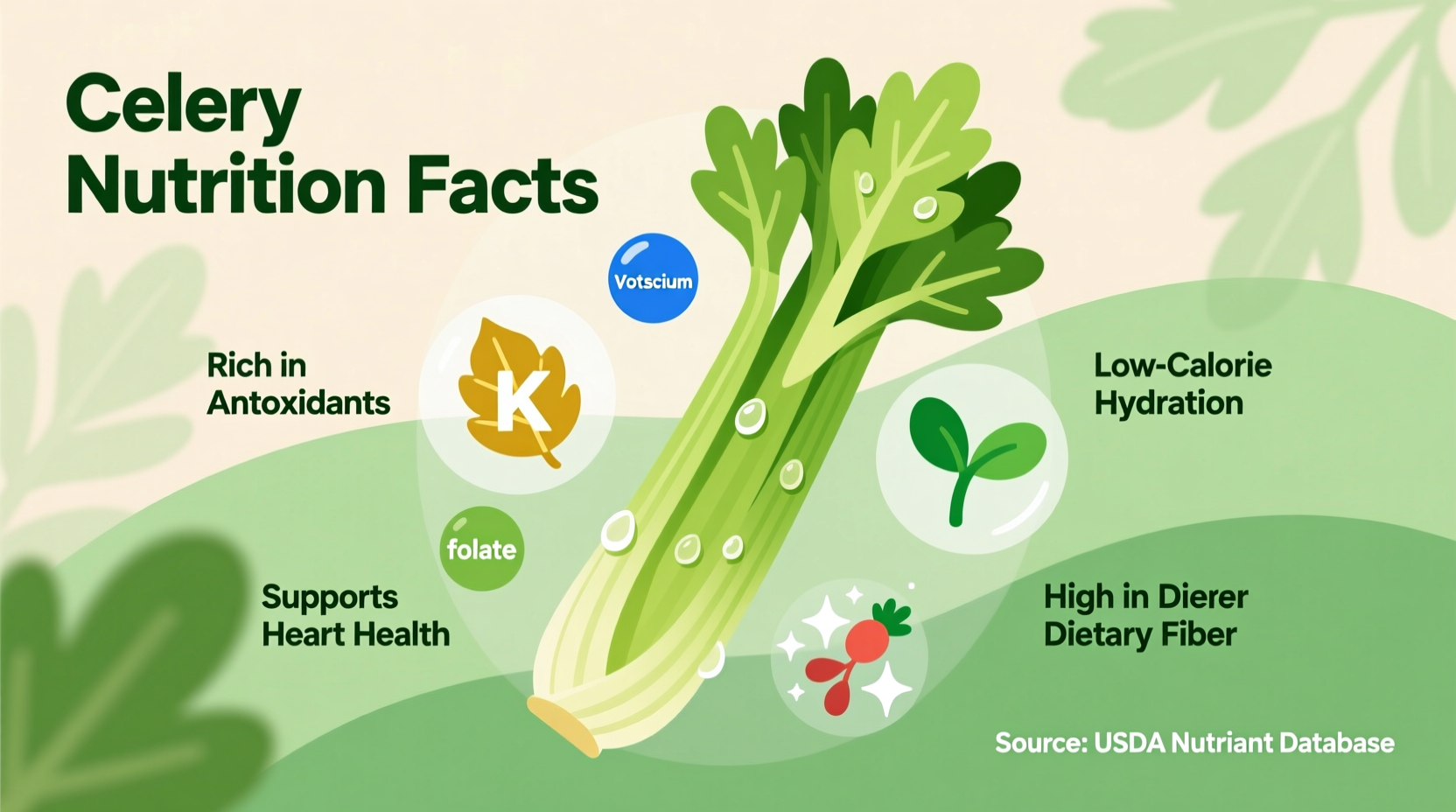
Celery (Apium graveolens) is a marshland plant species in the Apiaceae family, which includes carrots, parsley, fennel, and cilantro. The cultivated variety most commonly consumed—Apium graveolens var. dulce—is prized for its long, fibrous stalks, mild aroma, and refreshing taste. Native to the Mediterranean region, celery was originally used medicinally before becoming a staple in European and global cuisines. Both the stalks and leaves are edible, though the stalks dominate Western cooking due to their texture and versatility.
The plant grows in tight bunches of upright ribs, typically pale green to white depending on sunlight exposure during growth. Blanching techniques (covering growing stalks from light) produce paler, more tender varieties. While often categorized as a vegetable, botanically it’s a herb. Its flavor is clean, slightly salty, with grassy and herbal notes—making it an excellent base for stocks, sauces, and raw preparations where subtlety enhances rather than overpowers.
Key Characteristics
| Characteristic | Description |
|---|---|
| Flavor Profile | Mild, fresh, slightly bitter, with a hint of natural saltiness and herbal undertones. |
| Aroma | Clean, green, faintly peppery when crushed; more pronounced in seeds and leaves. |
| Color & Form | Pale green to ivory stalks; firm, ribbed structure with stringy fibers running lengthwise. |
| Texture | Crisp when fresh, becomes limp and rubbery when dehydrated or stored improperly. |
| Culinary Function | Aromatic base (part of mirepoix), textural element, juice ingredient, seasoning agent (via seeds/leaves). |
| Shelf Life (raw) | 1–2 weeks refrigerated in crisper drawer; up to 3 days cut and exposed to air. |
| Heat Sensitivity | Loses crunch quickly when cooked; best added late in simmering dishes unless desired softness. |
Nutritional Value: What’s Inside One Serving?
A standard serving of raw celery—about one cup (100 grams) of chopped stalks—contains remarkably few calories but delivers a surprising array of micronutrients and bioactive compounds:
- Calories: 16 kcal
- Water Content: ~95%, making it highly hydrating
- Carbohydrates: 3 g (including 1.6 g dietary fiber)
- Sugars: 1.3 g (naturally occurring)
- Protein: 0.7 g
- Fat: 0.2 g
- Vitamin K: 29 mcg (36% DV)—essential for blood clotting and bone metabolism
- Vitamin C: 3 mg (5% DV)—supports immunity and collagen synthesis
- Potassium: 260 mg (8% DV)—critical for heart rhythm and fluid balance
- Folate (B9): 36 mcg (9% DV)—important in cell division and pregnancy
- Magnesium: 11 mg (3% DV)
- Calcium: 40 mg (4% DV)
Beyond macronutrients, celery contains unique plant compounds such as apigenin, luteolin, phthalides, and coumarins—all of which contribute to its therapeutic effects.
TIP: To maximize nutrient retention, consume celery raw or lightly steamed. Overcooking reduces vitamin C and polyphenol content significantly. For juicing, include some pulp to retain fiber and slow sugar absorption.
Health Benefits Supported by Science
1. Natural Blood Pressure Regulation
One of the most studied benefits of celery relates to cardiovascular health. Phthalides—organic compounds found primarily in celery stalks—relax smooth muscle tissue in artery walls, improving blood flow and reducing vascular resistance. Animal studies have shown that regular consumption of celery extract leads to significant reductions in systolic and diastolic pressure. Human trials, while limited, suggest that eating four stalks daily may lower blood pressure by 10–15 mmHg over time. This effect is attributed not only to phthalides but also to potassium’s role in counterbalancing sodium.
2. Anti-Inflammatory and Antioxidant Activity
Celery is rich in flavonoids like apigenin and luteolin, which exhibit strong antioxidant properties. These compounds neutralize free radicals and inhibit pro-inflammatory enzymes such as COX-2 and LOX, similar to how nonsteroidal anti-inflammatory drugs (NSAIDs) work—but without side effects. Chronic inflammation underlies conditions like arthritis, metabolic syndrome, and neurodegenerative diseases; incorporating antioxidant-rich foods like celery can help mitigate systemic damage at the cellular level.
3. Digestive Support and Gut Health
The insoluble fiber in celery adds bulk to stool and promotes regular bowel movements. Additionally, its high water content helps prevent constipation and supports hydration of the digestive tract. Some evidence suggests that celery polysaccharides may act as prebiotics, feeding beneficial gut bacteria such as Bifidobacterium and Lactobacillus. While not as potent as dedicated prebiotic sources like chicory root, celery contributes meaningfully to overall gut microbiome diversity when consumed regularly.
4. Liver Protection and Detoxification
Despite popular \"cleansing\" myths, no food directly \"detoxifies\" the liver—but certain nutrients support its natural detox pathways. Celery contains compounds that enhance phase II liver enzyme activity, aiding in the breakdown and elimination of toxins. Rodent studies show celery extract reduces fatty liver accumulation and oxidative stress markers. While human data is still emerging, including celery in a balanced diet aligns with liver-supportive nutrition principles.
5. Sleep and Nervous System Calming Effects
Traditionally used as a sedative herb, celery seed has demonstrated mild central nervous system depressant effects in animal models. Apigenin binds to GABA receptors in the brain, promoting relaxation and potentially improving sleep onset. While you won’t fall asleep after snacking on stalks, consistent intake—especially in tea form using dried leaves or seeds—may support stress resilience over time.
6. Potential Cancer-Preventive Properties
Apigenin, abundant in celery, has been extensively studied for its anticancer potential. In vitro and animal research indicates it can induce apoptosis (programmed cell death) in various cancer cell lines—including breast, colon, prostate, and leukemia—while sparing healthy cells. Though dietary intake alone isn't a treatment, populations consuming diets rich in apigenin-containing plants tend to have lower rates of certain cancers. Including celery as part of a diverse, plant-forward diet contributes to this protective effect.
\"Celery isn’t just filler—it’s a functional food. The concentration of apigenin in a single cup of chopped celery may seem small, but combined with other herbs and vegetables like parsley and chamomile, it creates a cumulative protective benefit.\" — Dr. Elena Torres, Phytonutrition Researcher, University of California, Davis
Practical Usage: How to Use Celery in Cooking and Wellness
Celery’s utility extends across multiple culinary domains. It functions both as a foundational aromatic and a standalone ingredient, depending on preparation method and context.
In Home Cooking
- Mirepoix Base: Combine equal parts diced onions, carrots, and celery (typically 1:1:1 ratio) to build flavor in soups, stews, sauces, and braises. Sauté gently in oil until softened but not browned.
- Raw Applications: Slice thinly for salads, crudités, or tuna/chicken salad mix-ins. Pair with creamy dressings, citrus zest, or toasted nuts to enhance flavor complexity.
- Stir-Fries: Add sliced stalks in the last 2–3 minutes of cooking to retain crunch. Works well with ginger, garlic, soy sauce, and sesame oil.
- Smoothies and Juices: Blend with cucumber, apple, lemon, and leafy greens for a hydrating morning drink. Limit to 1–2 stalks per serving to avoid excessive sodium-like taste.
- Stocks and Broths: Use trimmings (ends, leaves, outer ribs) to make zero-waste vegetable stock. Freeze scraps until ready to use.
Professional & Restaurant Techniques
- Brined Celery: Quick-pickle thin slices in vinegar, sugar, salt, and spices for garnish on sandwiches or charcuterie boards.
- Celery Leaf Oil: Infuse neutral oil with finely chopped leaves for drizzling over roasted vegetables or fish.
- Purees: Cook and blend inner stalks into silky purees for soups or sauce bases—ideal for fine dining presentations.
- Dehydrated Powder: Dry outer stalks and leaves, then grind into a savory powder used as a umami booster or salt alternative.
Pairing Suggestions
Celery complements ingredients that either contrast or amplify its freshness:
- Dairy: Cream cheese, yogurt, blue cheese (e.g., Waldorf salad)
- Fruits: Apples, pears, grapes, oranges
- Nuts: Walnuts, pecans, almonds
- Herbs: Parsley, dill, tarragon, chives
- Spices: Mustard seed, black pepper, celery seed (use sparingly—it’s potent)
PRO TIP: Remove strings from tough outer stalks by peeling them with a vegetable peeler or pulling down with a paring knife. This improves texture, especially in raw or cold dishes.
Variants & Types of Celery
Celery comes in several forms, each suited to different uses:
| Type | Description | Best Uses |
|---|---|---|
| Green Stalk Celery | The standard supermarket variety; firm, fibrous, bright green. | Soups, snacks, mirepoix, juicing |
| Blanched (Pascal) Celery | Grown covered from sun; paler, more delicate, less bitter. | Raw salads, fine dining applications |
| Celeriac (Celery Root) | Same species, different cultivar; large bulbous root with earthy-celery flavor. | Roasting, mashing, shredding into slaws |
| Celery Leaves | More aromatic and flavorful than stalks; often discarded but highly useful. | Herb garnishes, pesto, stock, seasoning blends |
| Celery Seed | Small, tan-brown seeds with intense, concentrated flavor. | Curries, pickling spice, breads, rubs (use 1/4 tsp = 1 stalk) |
| Celery Salt | Ground celery seed mixed with salt; common in Bloody Marys and Chicago-style hot dogs. | Seasoning meats, cocktails, potato dishes |
| Chinese Celery | Thinner stalks, stronger aroma, more pronounced bitterness. | Stir-fries, soups, medicinal decoctions |
Comparison with Similar Ingredients
Celery is often confused with other members of the Apiaceae family or crunchy vegetables. Here's how it differs:
| Ingredient | Similarity | Key Differences |
|---|---|---|
| Fennel Bulb | Same plant family; similar crunch and layered stalks. | Fennel has distinct licorice/anise flavor; feathery fronds; better raw in salads. |
| Bunching Onion / Scallion | Used similarly in mirepoix and garnishes. | Stronger allium flavor; white base is pungent, green top milder. |
| Cucumber | High water content, crisp texture, common in raw dishes. | No herbal notes; purely refreshing; lacks fiber and mineral density. |
| Cardoon | Architecturally similar, used in Mediterranean cooking. | Bitterer, requires blanching; artichoke-relative; less accessible. |
| Parsley Root | Root vegetable in same family; sometimes substituted. | Sweeter, parsnip-like; rarely eaten raw; stores longer. |
Practical Tips & FAQs
How should I store celery to keep it fresh?
Wrap tightly in aluminum foil or place in a sealed container with a damp paper towel. Stored this way in the crisper drawer, celery lasts 10–14 days. Avoid plastic bags, which trap moisture and accelerate spoilage.
Can I freeze celery?
Yes, but only for cooking—not for raw use. Chop and blanch for 1–2 minutes, then freeze on a tray before transferring to a bag. Best used within 6 months in soups or stews.
Is celery safe for people with kidney issues?
Celery contains moderate oxalates and potassium. Those with advanced kidney disease or on dialysis should consult a dietitian before consuming large amounts, particularly in juice form.
Are there any allergens in celery?
Yes. Celery is a recognized allergen in the European Union and must be labeled in packaged foods. Reactions range from oral allergy syndrome (itching mouth) to severe anaphylaxis in rare cases, especially among individuals allergic to birch pollen or mugwort.
What’s the difference between celery juice and whole celery?
Juicing removes fiber, concentrating sugars and active compounds. While some claim celery juice cures chronic illness, clinical evidence is lacking. Whole celery provides fiber, slower nutrient release, and greater satiety. If drinking juice, limit to 8 oz/day and include pulp when possible.
How much celery do I need to eat for health benefits?
There’s no official recommendation, but consuming 1–2 cups (150–200g) several times per week offers meaningful intake of key nutrients and phytochemicals. Daily inclusion in meals—as part of a varied diet—is ideal.
Summary & Key Takeaways
Celery is a nutritionally underrated vegetable with scientifically supported benefits ranging from blood pressure reduction to antioxidant protection and digestive support. Far from being “empty” calories, its combination of hydration, fiber, and bioactive compounds makes it a valuable component of preventive health strategies.
- Celery is low in calories but rich in vitamin K, potassium, and antioxidant flavonoids like apigenin.
- Phthalides in celery contribute to natural blood pressure regulation.
- Its anti-inflammatory and liver-supportive properties are backed by preclinical research.
- All parts—stalks, leaves, seeds, and root (celeriac)—are edible and useful in cooking.
- Proper storage extends shelf life; freezing is viable for cooked applications.
- While celery juice trends lack robust evidence, whole-food consumption is consistently beneficial.
Take action today: Next time you prepare a meal, don’t discard celery leaves or ends—save them for stock, chop leaves into salads, or dry seeds for seasoning. Treat celery not as filler, but as a functional ingredient with real culinary and physiological impact.




 浙公网安备
33010002000092号
浙公网安备
33010002000092号 浙B2-20120091-4
Comments
No comments yet. Why don't you start the discussion?