
For those seeking a nutritious twist on traditional pizza, the cauliflower-based crust has emerged as a game-changing alternative. It satisfies cravings for comfort food while aligning with dietary goals such as reducing carbohydrates, eliminating gluten, or increasing vegetable intake. Unlike deep-dish or thin-crust wheat varieties that rely heavily on refined flour and starch, cauliflower crust leverages a whole-foods approach—transforming humble cruciferous vegetables into a savory, bakeable foundation. This shift reflects broader culinary trends toward plant-forward eating without sacrificing taste or texture. As demand grows for inclusive, health-conscious options, mastering this alternative empowers home cooks to create pizzas that are both indulgent and nourishing.
Definition & Overview
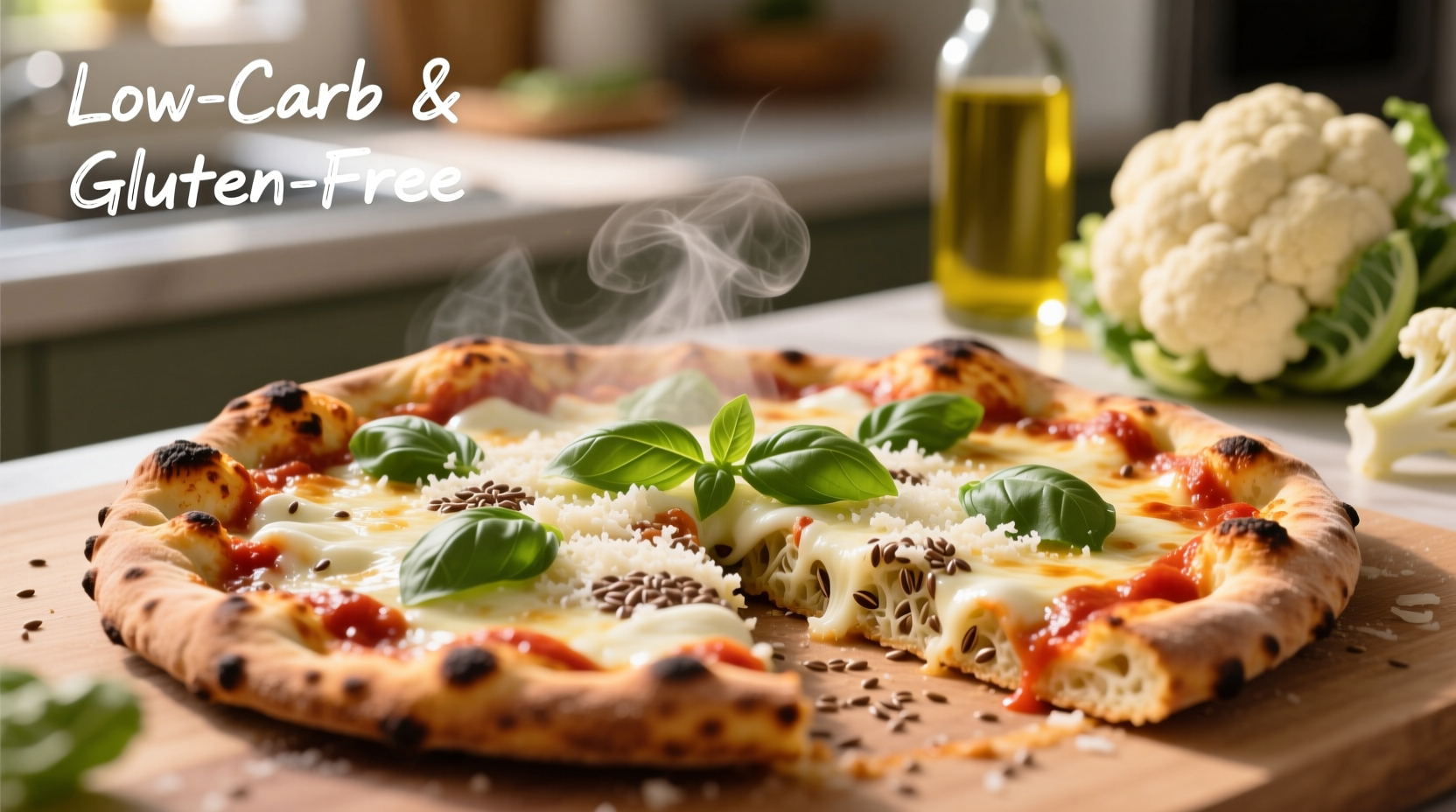
Cauliflower-based pizza crust is a grain-free, low-carbohydrate substitute made primarily from riced cauliflower, binders (typically egg and cheese), and seasonings. The base begins with fresh or frozen cauliflower that is grated or pulsed into rice-like granules, then cooked to remove excess moisture—a critical step in achieving structural integrity. Once dehydrated, it's combined with ingredients like mozzarella, Parmesan, eggs, oregano, garlic powder, and salt to form a moldable dough. This mixture is shaped into a round on a baking sheet, pre-baked until golden and firm, then topped with sauce, cheese, and other preferred ingredients before a final bake.
The concept gained widespread popularity in the early 2010s amid rising interest in paleo, ketogenic, and gluten-free diets. While its roots can be traced to Middle Eastern and Indian preparations using vegetable fritters or flatbreads, the modern iteration was popularized by health-focused chefs and packaged food brands aiming to replicate the sensory experience of pizza without nutritional compromise. Today, it exists both as a DIY kitchen project and a commercially available frozen product found in supermarkets worldwide.
What sets cauliflower crust apart is not just its ingredient profile but its functional versatility. It serves as an edible vehicle for bold flavors while contributing subtle nuttiness and earthiness from the roasted vegetable base. Its success hinges on technique rather than complexity—precision in moisture control, temperature management, and ingredient balance determines whether the result is crisp and satisfying or soggy and fragile.
Key Characteristics
| Characteristic | Description |
|---|---|
| Flavor Profile | Mildly sweet and nutty when roasted; absorbs surrounding flavors well. Enhanced by cheese and herbs in the crust blend. |
| Aroma | Toasted dairy and roasted vegetables dominate during baking. Slight sulfur note from cauliflower diminishes with proper roasting. |
| Color & Texture | Golden brown exterior with a slightly porous surface. Interior should be cohesive but tender—not gummy or crumbly. |
| Nutritional Value | Low in net carbs (~3–5g per serving), high in fiber, and rich in vitamin C, K, and antioxidants like sulforaphane. |
| Culinary Function | Serves as a structural base for toppings. Functions similarly to flatbread or thin crust but requires careful handling due to lower elasticity. |
| Shelf Life (Homemade) | Up to 3 days refrigerated; freezes well for up to 3 months if stored airtight after pre-baking. |
| Heat Tolerance | Withstands standard oven temperatures (400–450°F). Overexposure leads to drying or burning due to lack of starch buffering. |
Practical Usage: How to Make and Use It Effectively
Creating a successful cauliflower crust at home involves more than substituting ingredients—it demands understanding moisture dynamics and thermal behavior. Follow these steps for consistent results:
- Rice the cauliflower: Use a food processor to pulse fresh cauliflower florets until they resemble rice grains. Alternatively, use 4 cups of thawed frozen riced cauliflower (though fresh yields better texture).
- Remove moisture: Steam or microwave the riced cauliflower for 4–5 minutes, then transfer to a clean kitchen towel or cheesecloth. Squeeze aggressively over a bowl—up to ½ cup of water may be expelled. This step cannot be skipped; residual moisture causes sogginess.
- Combine dry and wet ingredients: In a bowl, mix the dried cauliflower with 1 cup shredded low-moisture mozzarella, ¼ cup grated Parmesan, 1 large egg, ½ tsp garlic powder, ½ tsp dried oregano, and ¼ tsp salt. Adjust seasoning sparingly—the cheese contributes significant sodium.
- Shape and pre-bake: Line a baking sheet with parchment paper. Press the mixture into a ¼-inch thick circle, ensuring even thickness around edges. Bake at 425°F for 20–25 minutes until golden and firm enough to flip. Flip carefully using a spatula, then bake another 10–15 minutes to crisp the underside.
- Add toppings and finish baking: Reduce oven temperature to 400°F. Spread ⅓–½ cup tomato sauce evenly, avoiding over-saturation. Add cheese and toppings lightly—overloading increases steam and softens the crust. Return to oven for 8–12 minutes until cheese melts and bubbles.
Pro Tip: For enhanced browning and crispness, brush the pre-baked crust with olive oil before adding sauce. Consider finishing under the broiler for 1–2 minutes to mimic pizzeria-style char—monitor closely to prevent burning.
In professional kitchens, chefs often par-bake multiple crusts in advance and store them refrigerated or frozen for quick assembly. Some upscale restaurants incorporate almond flour or psyllium husk to improve binding and reduce reliance on dairy, catering to vegan or casein-sensitive diners. Others infuse the base with smoked paprika or nutritional yeast for umami depth, appealing to gourmet palates.
Pairing suggestions include Mediterranean-inspired combinations: sun-dried tomatoes, Kalamata olives, artichoke hearts, and feta; or roasted vegetables with pesto and goat cheese. For protein, grilled chicken, shrimp, or plant-based sausage work well. Avoid watery ingredients like raw zucchini or excessive pineapple unless pre-cooked or drained thoroughly.
Variants & Types
While the classic version relies on cheese and egg for structure, several adaptations exist to meet diverse dietary needs:
- Dairy-Free/Vegan: Replace cheese with cashew ricotta or nutritional yeast, and use flax eggs (1 tbsp ground flax + 3 tbsp water = 1 egg). Add tapioca starch or chickpea flour to aid binding. Results are less crispy but still flavorful.
- Egg-Free: Substitute eggs with chia gel (1 tbsp chia seeds + 3 tbsp water) or commercial egg replacers. Ensure additional cheese is used to maintain cohesion.
- Grain-Inclusive Hybrid: Blend riced cauliflower with small amounts of almond flour, oat flour, or chickpea flour to enhance chewiness and reduce crumbling. Ideal for beginners struggling with texture.
- Pre-Made Frozen Crusts: Brands like Caulipower, Green Giant Farmhouse, and Daiya offer ready-to-top options. These vary widely in ingredient quality—check labels for added starches, sugars, and preservatives.
- Thin vs. Thick Cut: Thin versions (¼ inch) yield cracker-like results suitable for appetizers or snacks. Thicker cuts (½ inch) allow for heartier meals but require longer baking and risk interior dampness if undercooked.
| Type | Best For | Texture Outcome | Special Notes |
|---|---|---|---|
| Classic Cheese-Bound | Gluten-free, low-carb diets | Crisp exterior, tender interior | Highest success rate for home cooks |
| Vegan (Nut-Based) | Vegan, dairy-allergic | Softer, more delicate | Requires longer dehydration; prone to breakage |
| Hybrid (Flour-Enhanced) | Beginners, families | Chewier, more forgiving | Slightly higher carb count but improved stability |
| Commercial Frozen | Convenience seekers | Variable—often denser | Check for hidden fillers like potato starch |
Comparison with Similar Ingredients
Cauliflower crust is often compared to other alternative bases, but key differences affect performance and nutrition.
- Zucchini Crust: Made from grated zucchini, which contains even more water than cauliflower. Requires double squeezing and often results in a softer, more fragile structure. Higher in potassium but lower in fiber.
- Almond Flour Crust: Uses ground almonds as the primary base. Richer in fat and calories, with a distinct nutty flavor. More stable structurally but not suitable for nut allergies or strict keto due to potential blood sugar spikes from natural sugars.
- Coconut Flour Crust: Highly absorbent and requires more liquid. Can become dry or dense quickly. Best used in combination with other flours.
- Traditional Wheat Crust: Relies on gluten development for elasticity and chew. Contains significantly more carbohydrates and allergens but offers superior rise and blistering in high-heat ovens.
- Portobello Mushroom Base: Uses whole mushroom caps as individual “crusts.” Imparts strong umami and meaty texture but lacks surface area for generous topping. Best for mini-pizzas or appetizers.
\"The real advantage of cauliflower crust isn’t just what it excludes—it’s what it includes: phytonutrients, fiber, and a canvas for creative layering. When done right, it doesn’t imitate pizza—it redefines it.\" — Chef Lena Torres, Plant-Forward Culinary Institute
Practical Tips & FAQs
Why does my cauliflower crust fall apart?
This usually stems from inadequate moisture removal or insufficient binders. Ensure you squeeze the riced cauliflower until no more liquid drips out. Also verify that your cheese is freshly grated—pre-shredded versions contain anti-caking agents that hinder melting and adhesion.
Can I make it ahead of time?
Yes. Pre-bake the crust fully, cool completely, wrap tightly in plastic, and refrigerate for up to 3 days or freeze for 3 months. Reheat in a 400°F oven for 5–7 minutes before topping to restore crispness.
Is frozen cauliflower acceptable?
It works in a pinch, but fresh yields superior texture. If using frozen, thaw completely and drain in a colander before squeezing. Never use frozen directly—it introduces too much ice, leading to uneven cooking.
How do I prevent sogginess after adding toppings?
Apply a light barrier layer between the crust and sauce. Options include a dusting of finely ground Parmesan, a smear of ricotta, or a thin coat of beaten egg white, baked for 2–3 minutes before saucing. This creates a moisture-resistant seal.
Can I cook it on a pizza stone?
Possible, but risky. Transfer the shaped crust onto parchment-lined stone carefully. Avoid sliding it off parchment, as it lacks the flexibility of dough. A preheated steel or cast iron skillet also works well for faster crisping.
What are the best sauces to use?
Opt for thick, reduced sauces. Traditional marinara, pesto, white béchamel, or hummus all perform well. Strain watery sauces through a fine mesh sieve first. Avoid creamy dressings unless stabilized with xanthan gum or arrowroot.
Are there any health concerns?
Cauliflower is generally safe and beneficial. However, individuals with thyroid conditions should consume cruciferous vegetables in moderation, especially raw—cooking mitigates goitrogenic effects. Those on blood thinners should monitor vitamin K intake if consuming large quantities regularly.
Storage Checklist:
✔ Cool completely before storing
✔ Wrap in parchment, then foil or place in airtight container
✔ Label with date
✔ Freeze flat to prevent breakage
✔ Reheat uncovered to preserve crispness
Summary & Key Takeaways
The cauliflower-based pizza crust represents a thoughtful evolution in comfort food—one that prioritizes nutrition without abandoning pleasure. By replacing refined grains with a vegetable base, it delivers fiber, vitamins, and phytochemicals while accommodating gluten-free, low-carb, and diabetic-friendly diets. Success depends on meticulous moisture control, appropriate binder selection, and strategic baking techniques.
Home cooks should approach this alternative not as a perfect replica of wheat crust, but as a distinct culinary category with its own strengths: lighter density, cleaner flavor, and greater compatibility with vibrant, vegetable-forward toppings. Whether crafted from scratch or selected from a freezer aisle, the ideal cauliflower crust balances crispness with tenderness, structure with simplicity.
Among plant-based innovations, few have achieved such broad appeal. It bridges gaps between dietary restrictions and social dining, allowing individuals to share meals without compromise. With practice, customization, and attention to detail, this alternative becomes not just a substitution—but a preferred choice.
Ready to transform your next pizza night? Try making a batch this week using fresh cauliflower and experiment with one variation—add rosemary, swap in goat cheese, or go fully vegan. Share your results and refine your method with each iteration. The future of pizza isn't just delicious—it's adaptable, inclusive, and rooted in real food.




 浙公网安备
33010002000092号
浙公网安备
33010002000092号 浙B2-20120091-4
Comments
No comments yet. Why don't you start the discussion?