
Excessive sodium consumption is a leading contributor to high blood pressure, cardiovascular disease, and kidney strain. The American Heart Association recommends no more than 2,300 milligrams of sodium per day—ideally moving toward an optimal limit of 1,500 mg for most adults. Yet the average American consumes over 3,400 mg daily, much of it from processed foods and table salt added during cooking or at the table. Reducing salt doesn’t mean resigning yourself to bland meals. A well-stocked spice cabinet can transform low-sodium dishes into vibrant, satisfying experiences. By understanding how to use herbs, spices, acids, and umami-rich ingredients, home cooks can maintain depth and complexity in their food while significantly lowering sodium intake. This guide explores science-backed, flavorful alternatives to salt, offering practical strategies for seasoning with intention and culinary intelligence.
Why Reducing Salt Matters—and How Spices Can Help
Salt, chemically known as sodium chloride, enhances flavor by amplifying sweetness, suppressing bitterness, and providing a sharp contrast that heightens overall taste perception. However, its overuse comes at a cost. Chronic high sodium intake disrupts fluid balance, increases blood volume, and forces the heart and arteries to work harder. Over time, this contributes to hypertension—a silent but dangerous condition affecting nearly half of U.S. adults.
The good news: flavor does not depend solely on salt. Our palates respond powerfully to aromatic compounds, volatile oils, acidity, heat, and umami. These sensory dimensions can be harnessed through natural seasonings to create rich, layered taste profiles that make salt less necessary. Culinary traditions around the world—from Moroccan ras el hanout to Japanese dashi—rely on complex spice blends rather than salt to define their cuisine. Embracing these principles allows for healthier eating without compromise.
Definition & Overview of Key Salt Alternatives
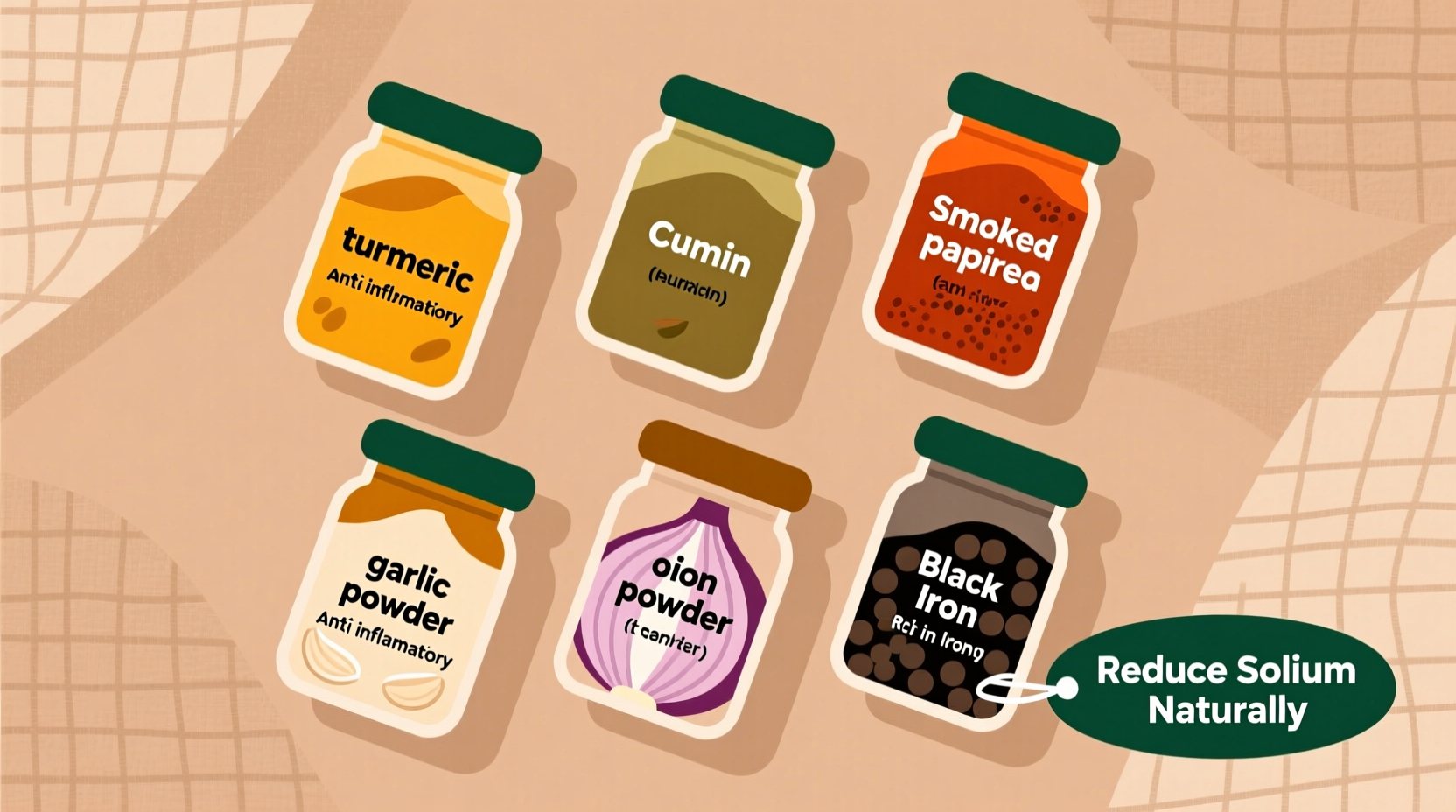
Spice alternatives to salt are whole or ground plant-based ingredients used to enhance flavor, aroma, color, and complexity in cooking. Unlike salt, which primarily affects taste through sodium ions, these alternatives engage multiple sensory pathways: olfactory (smell), trigeminal (heat/tingling), and gustatory (taste). They include dried and fresh herbs, pungent roots, citrus zest, fermented condiments, and umami-rich seasonings. Many also offer antioxidant, anti-inflammatory, or digestive benefits, making them functional ingredients beyond mere flavor enhancement.
The goal is not to replace salt one-to-one, but to reframe seasoning as a multidimensional process. Instead of relying on a single dominant agent (salt), cooks build flavor through layering: using garlic for savoriness, lemon for brightness, smoked paprika for depth, and cumin for earthiness. This approach reduces reliance on sodium while expanding culinary creativity.
Key Characteristics of Top Salt-Reducing Spices and Seasonings
| Ingredient | Flavor Profile | Aroma | Heat Level | Culinary Function | Shelf Life (Dried) |
|---|---|---|---|---|---|
| Garlic (fresh/dried) | Pungent, savory, slightly sweet | Sharp, sulfurous when raw; nutty when roasted | Low to moderate (raw more intense) | Umami base, aromatic foundation | 6–12 months (powder) |
| Onion powder | Sweet, earthy, mildly sharp | Warm, caramel-like | Low | Background sweetness, depth | 1 year |
| Smoked paprika | Smoky, sweet, slightly bitter | Rauchy, campfire-like | Mild to hot (varies by type) | Color, smokiness, visual appeal | 6–8 months |
| Cumin | Earthy, warm, nutty | Distinctive, toasted | Low | Depth in stews, rubs, curries | 6–12 months |
| Lemon or lime zest | Bright, citrusy, acidic | Fragrant, fresh | None | Acidity, lift, freshness | 1 month (dried zest) |
| Turmeric | Earthy, slightly bitter, peppery | Woody, warm | Low | Color, anti-inflammatory boost | 1 year |
| Black pepper | Sharp, piney, mildly floral | Pungent, spicy | Moderate | Heat, complexity, bite | 3–5 years (whole); 1 year (ground) |
| Fennel seeds | Sweet, licorice-like, herbal | Anise-forward, aromatic | Low | Balances richness, adds nuance | 2 years (whole) |
Practical Usage: How to Replace Salt with Flavorful Alternatives
Replacing salt effectively requires understanding when and how to apply alternative seasonings throughout the cooking process. Unlike salt, which penetrates food gradually, many spices release their oils quickly and benefit from early incorporation. Others, like fresh herbs or citrus zest, shine when added at the end to preserve volatility.
Layering Techniques for Maximum Impact
- Sauté aromatics first: Begin recipes with onions, garlic, celery, or leeks cooked in oil. This builds a flavor foundation that carries through the dish, reducing the need for salt later.
- Bloom dried spices: Add ground spices like cumin, coriander, or paprika to hot oil for 30 seconds before adding liquids. This unlocks essential oils and intensifies flavor.
- Use acid strategically: Finish soups, stews, or roasted vegetables with a splash of lemon juice, vinegar, or sumac. Acidity mimics the brightening effect of salt.
- Incorporate umami boosters: Use tomato paste, mushrooms, nutritional yeast, or soy sauce (low-sodium version) sparingly to deepen savoriness without excess sodium.
- Add fresh herbs at the end: Stir in chopped cilantro, parsley, dill, or basil just before serving to add vibrancy and aroma.
Pro Tip: Toast whole spices (cumin seeds, coriander, mustard seeds) in a dry pan over medium heat until fragrant—about 1–2 minutes. Cool and grind for exponentially more flavor than pre-ground versions. This technique enhances complexity and allows you to use less while achieving more impact.
Real-World Application: Transforming Common Dishes
Example 1: Low-Sodium Roasted Vegetables
Instead of salting before roasting, toss carrots, Brussels sprouts, and sweet potatoes with olive oil, minced garlic, smoked paprika, black pepper, and rosemary. Roast at 425°F (220°C) for 25–30 minutes. Finish with lemon zest and a drizzle of balsamic vinegar.
Example 2: Sodium-Smart Chili
Sauté onions, garlic, and bell peppers. Bloom 2 tsp chili powder, 1 tsp cumin, ½ tsp smoked paprika, and ¼ tsp cinnamon in oil. Add beans, tomatoes, and broth. Simmer 45 minutes. Stir in a tablespoon of cocoa powder and finish with fresh oregano.
Example 3: Herb-Crusted Chicken
Mix breadcrumbs (low-sodium if packaged), grated Parmesan (small amount), lemon zest, thyme, garlic powder, and black pepper. Press onto chicken breasts and bake at 375°F (190°C) until golden and cooked through. Serve with a side of arugula salad dressed in lemon juice and olive oil.
Variants & Types: Choosing the Right Form
Many spices come in multiple forms—fresh, dried, whole, or ground—each with distinct advantages.
- Fresh vs. Dried Herbs: Fresh herbs (e.g., basil, cilantro, dill) offer brighter, more delicate flavors and are best added at the end. Dried herbs (oregano, thyme, marjoram) are more concentrated; use ⅓ the amount of fresh. Ideal for long-cooked dishes like soups and braises.
- Whole vs. Ground Spices: Whole spices retain potency longer and are better for toasting. Ground spices integrate faster but lose aroma within 6–12 months. Always label and date your spices.
- Citrus Zest vs. Juice: Zest contains the highest concentration of aromatic oils. Use a microplane to grate only the colored part of the peel, avoiding the bitter white pith. Juice provides acidity but less fragrance.
- Smoked vs. Sweet Paprika: Smoked paprika (pimentón) adds deep, barbecue-like notes even without grilling. Sweet paprika offers color and mild pepper flavor. Hot paprika brings heat. Choose based on desired profile.
Comparison with Common High-Sodium Ingredients
Many cooks reach for salty staples out of habit. Understanding how to substitute them meaningfully is key to lasting change.
| High-Sodium Ingredient | Health Concern | Effective Alternative | Usage Ratio |
|---|---|---|---|
| Table salt | Direct sodium source | Herb-spice blends (e.g., Italian seasoning + garlic) | Replace entirely; adjust to taste |
| Soy sauce | ~900 mg sodium per tbsp | Low-sodium tamari or coconut aminos | 1:1, or dilute regular soy with water/vinegar |
| Bouillon cubes | Often >1,000 mg per cube | Homemade vegetable or mushroom stock | Use 1 cup stock per cube |
| Canned broth | Varies, often 700–900 mg per cup | Low-sodium or no-salt-added versions + extra herbs | 1:1, boost with umami |
| Cheese (e.g., feta, parmesan) | High in sodium per serving | Small amounts for finishing, paired with bold spices | Use 1 tsp grated parm instead of 1 tbsp |
“The secret to great low-sodium food isn’t substitution—it’s reconstruction. You’re not just removing salt; you’re rebuilding flavor from the ground up with layers of texture, aroma, and contrast.” — Chef Maria Santini, Culinary Nutrition Instructor, Institute of Holistic Gastronomy
Practical Tips & FAQs
How much spice should I use when replacing salt?
There’s no fixed conversion. Start with standard recipe amounts for spices and adjust to taste. Remember: salt suppresses other flavors, so reducing it may require increasing herbs and aromatics to maintain balance.
Can I combine multiple spices to mimic saltiness?
Yes. Blends like herbes de Provence, za’atar, or curry powder create complexity that distracts from the absence of salt. Try a homemade “no-salt” blend: 2 parts garlic powder, 2 parts onion powder, 1 part black pepper, 1 part dried thyme, ½ part cayenne. Use ½ to 1 tsp per dish.
How do I store spices to maximize freshness?
Keep spices in airtight containers away from heat, light, and moisture—never above the stove. Whole spices last 2–3 years; ground, 6–12 months. Test potency by rubbing a pinch between fingers and smelling: weak aroma means it’s time to replace.
Are salt substitutes safe?
Some potassium-based substitutes (e.g., Morton Salt Substitute) can help lower sodium intake, but they’re not suitable for people with kidney disease or those on certain medications (like ACE inhibitors). Always consult a healthcare provider before using them regularly.
What about MSG?
Monosodium glutamate (MSG) contains about 1/3 the sodium of table salt and delivers potent umami. While controversial in popular culture, scientific consensus confirms it’s safe for most people. A small amount (¼ tsp) can enhance savory depth in broths and stir-fries without raising sodium levels significantly.
How long does it take to adapt to less salt?
Taste buds begin adjusting within 2–4 weeks. Studies show that after several weeks of reduced sodium, people perceive previously “normal” salt levels as overly salty. Patience and consistency are key.
Checklist: Building a Low-Sodium Spice Strategy
- Remove the salt shaker from the table
- Stock core spices: garlic, onion, black pepper, cumin, smoked paprika, turmeric
- Use fresh citrus and vinegars for brightness
- Toast whole spices before grinding
- Make a batch of homemade no-salt seasoning blend
- Read labels: choose low-sodium broths, canned goods, and sauces
- Let dishes rest before final seasoning—flavors meld over time
Summary & Key Takeaways
Reducing salt intake is one of the most impactful dietary changes for long-term cardiovascular health. However, flavor should never be sacrificed in the process. By embracing a diverse array of herbs, spices, acids, and umami-rich ingredients, cooks can create deeply satisfying meals that naturally minimize sodium dependence.
The most effective strategy is not replacement, but reinvention: building flavor through layering, timing, and balance. Garlic, onion, smoked paprika, citrus zest, and toasted spices form the backbone of a robust low-sodium pantry. When combined with smart techniques—such as blooming spices, finishing with acid, and using fresh herbs—the result is food that is both nourishing and exciting.
Start small: pick one meal to modify each week. Reimagine your go-to recipes using spice blends instead of salt. Over time, your palate will adapt, cravings will shift, and the richness of true flavor—unmasked by excessive sodium—will become your new standard.




 浙公网安备
33010002000092号
浙公网安备
33010002000092号 浙B2-20120091-4
Comments
No comments yet. Why don't you start the discussion?