
Suddenly feeling your heart skip, race, or flip like a fish in your chest can be startling—even alarming. You might be sitting quietly, mid-conversation, or just getting up from your desk when it happens: a brief but unmistakable flutter in your chest. While most episodes are harmless, understanding why your heart randomly flutters is key to knowing when it’s normal and when it might signal something more serious.
Heart palpitations—often described as fluttering, pounding, or skipped beats—are surprisingly common. Millions of people experience them at some point, usually without any underlying heart disease. However, because they involve the organ responsible for keeping you alive, they naturally raise concern. This article breaks down the science behind heart flutters, explores their triggers, and provides practical steps to manage and reduce their occurrence.
What Causes Heart Fluttering?
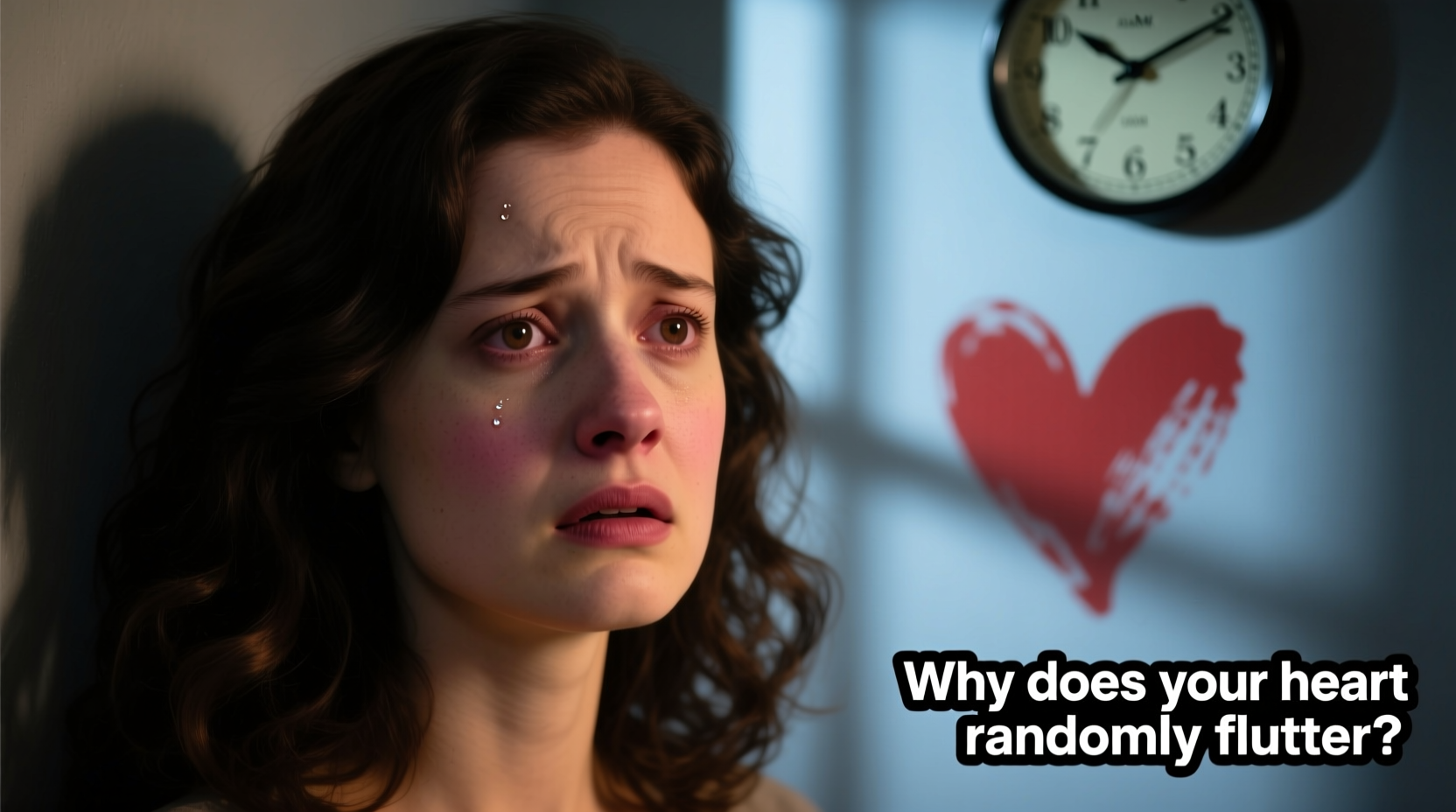
Your heart’s rhythm is controlled by a complex electrical system. With each beat, an electrical impulse travels from the upper chambers (atria) to the lower chambers (ventricles), causing coordinated contractions that pump blood through your body. A \"flutter\" occurs when this rhythm is briefly disrupted—often due to an extra or early beat originating from either the atria or ventricles.
These disruptions are medically known as premature atrial contractions (PACs) or premature ventricular contractions (PVCs). In most cases, they are benign and fleeting. But several factors can increase their frequency:
- Stress and anxiety: Elevated cortisol and adrenaline levels can trigger erratic heartbeats.
- Caffeine and stimulants: Coffee, energy drinks, nicotine, and certain medications may overstimulate the nervous system.
- Dehydration: Low fluid volume affects electrolyte balance, which is crucial for proper electrical signaling in the heart.
- Hormonal changes: Fluctuations during menstruation, pregnancy, or menopause can influence heart rhythm.
- Lack of sleep: Chronic fatigue disrupts autonomic nervous system regulation.
- Physical exertion: Intense exercise temporarily increases heart rate and can provoke palpitations in sensitive individuals.
When Should You Be Concerned?
Most heart flutters last only a few seconds and resolve on their own. However, certain red flags suggest the need for medical evaluation:
“Not all palpitations are dangerous, but persistent or symptomatic ones should never be ignored. It’s better to assess than assume.” — Dr. Lena Patel, Cardiologist at Boston Heart Institute
Seek prompt medical attention if fluttering is accompanied by:
- Dizziness or lightheadedness
- Fainting or near-fainting episodes
- Chest pain or pressure
- Shortness of breath at rest
- Palpitations lasting more than a few minutes
- A rapid pulse exceeding 120 beats per minute without exertion
People with a history of heart disease, high blood pressure, or arrhythmias like atrial fibrillation are at higher risk and should consult a doctor even for mild symptoms.
Common Triggers and How to Manage Them
Identifying and minimizing triggers is often the most effective way to reduce heart flutters. Below is a comparison of common lifestyle factors and their impact:
| Trigger | Effect on Heart | Do’s | Don’ts |
|---|---|---|---|
| Caffeine | Stimulates heart rate and irritates electrical pathways | Limited intake (under 200mg/day); switch to decaf | Energy drinks, multiple espresso shots |
| Alcohol | Can cause “holiday heart syndrome” – arrhythmias after binge drinking | Moderate consumption; hydrate between drinks | Binge drinking, especially in quick succession |
| Dehydration | Disrupts sodium, potassium, magnesium balance | Drink water consistently throughout the day | Wait until thirsty; rely on sugary drinks |
| Stress | Elevates adrenaline, increasing heart sensitivity | Practice mindfulness, deep breathing, yoga | Ignore emotional strain; overwork without breaks |
Mini Case Study: Sarah’s Experience with Heart Palpitations
Sarah, a 34-year-old project manager, began noticing frequent heart flutters during work meetings. Initially dismissing them as stress-related, she started logging her symptoms and realized most occurred after her afternoon triple-shot latte. She also wasn’t drinking enough water and regularly pulled late nights. After cutting caffeine, setting hydration reminders, and introducing 10-minute breathing exercises before bed, her palpitations decreased from nearly daily to once every few weeks. A follow-up ECG showed no abnormalities, confirming her symptoms were largely lifestyle-driven.
Step-by-Step Guide to Reducing Heart Flutter Episodes
If you're experiencing recurrent heart flutters, follow this practical five-step approach:
- Track your episodes: Note date, time, duration, activity, food/drink consumed, and emotional state. Use a notebook or app.
- Eliminate major triggers: Reduce or eliminate caffeine, alcohol, nicotine, and processed foods high in sodium.
- Hydrate properly: Aim for 2–2.5 liters of water daily, adjusting for climate and activity level.
- Improve sleep hygiene: Maintain a consistent sleep schedule, avoid screens before bed, and create a calming bedtime routine.
- Manage stress: Incorporate relaxation techniques such as box breathing (4 seconds in, 4 hold, 4 out, 4 hold) or progressive muscle relaxation.
FAQ
Can anxiety really make my heart flutter?
Yes. Anxiety activates the sympathetic nervous system, releasing adrenaline that increases heart rate and can trigger premature beats. The sensation is real, even if the heart itself is healthy.
Are heart flutters dangerous if I’m young and healthy?
In most young, otherwise healthy individuals, occasional flutters are not dangerous. However, if they’re frequent, prolonged, or worsening, it’s wise to get checked to rule out conditions like supraventricular tachycardia (SVT).
Should I see a cardiologist for heart palpitations?
You don’t need to rush to a specialist for isolated, brief flutters. But if symptoms persist, worsen, or come with other warning signs (chest pain, fainting), a visit to your doctor—and possibly a cardiologist—is recommended. Diagnostic tools like a Holter monitor or event recorder can capture irregular rhythms over time.
Conclusion: Listen to Your Body, Not Just Your Heart
Heart fluttering is more common than many realize, and in the vast majority of cases, it’s not a sign of serious illness. But it is your body’s way of signaling imbalance—whether from too much coffee, poor sleep, or unmanaged stress. Rather than brushing it off or panicking, use these moments as cues to reassess your lifestyle habits.
Small changes—drinking more water, reducing stimulants, practicing mindfulness—can have profound effects on your heart rhythm and overall well-being. If in doubt, consult a healthcare provider to gain clarity and peace of mind.




 浙公网安备
33010002000092号
浙公网安备
33010002000092号 浙B2-20120091-4
Comments
No comments yet. Why don't you start the discussion?