
At first glance, a heart-shaped keychain and a heart-shaped bag charm might seem identical—same material, same design, even the same price tag. But dig a little deeper, and the lines between function, fashion, and frugality start to blur. Are these accessories truly interchangeable, or is there a meaningful distinction that justifies owning both? More importantly, are you unknowingly doubling up on purchases without realizing it?
The answer isn’t as simple as yes or no. It hinges on how you use them, what you value in an accessory, and whether form should follow function—or the other way around.
What Defines a Keychain vs a Bag Charm?
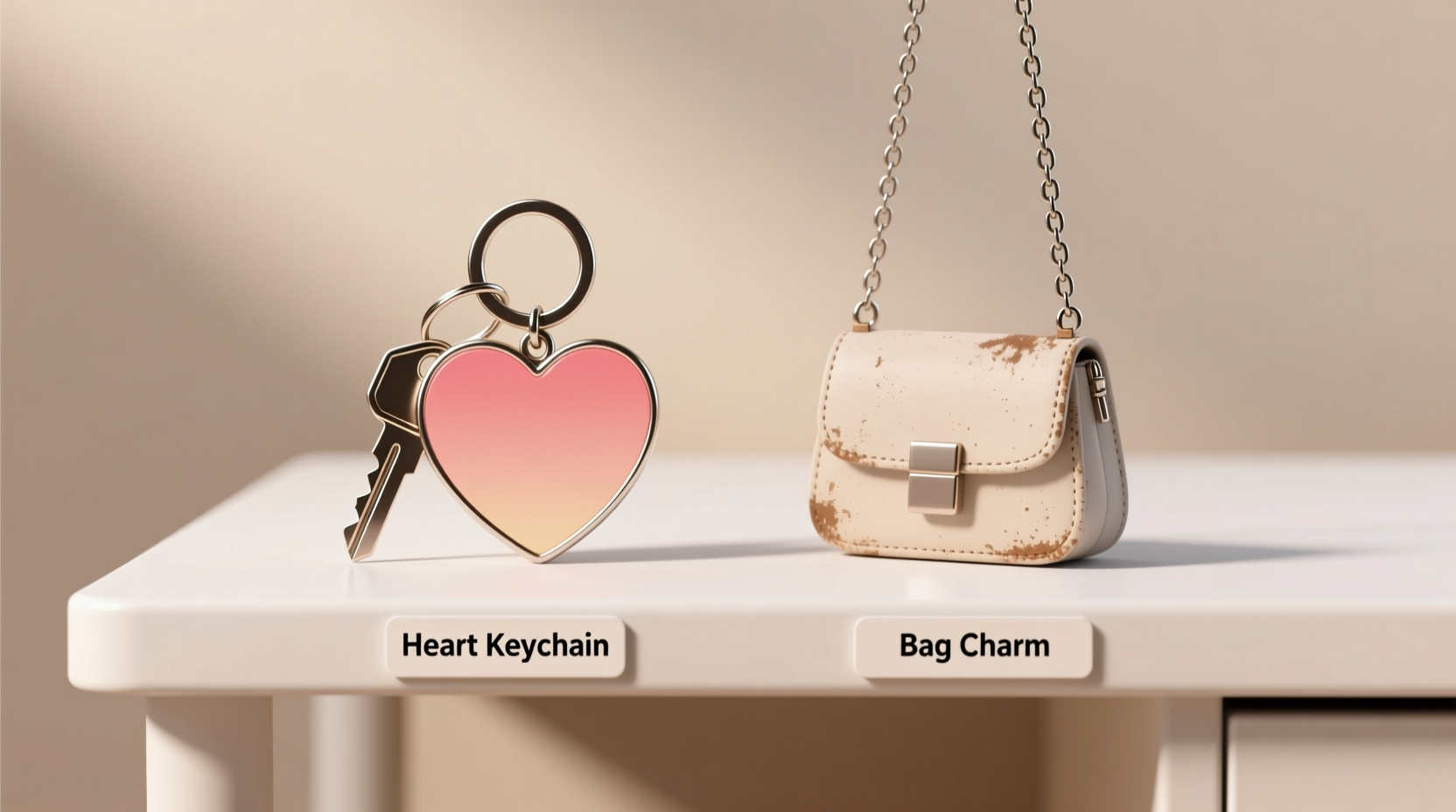
Let’s start with definitions. A keychain is primarily functional. Its job is to hold keys securely while offering a touch of personality. It needs durability, a strong attachment (like a split ring or carabiner), and often fits in your pocket or handbag without snagging.
A bag charm, on the other hand, is decorative. It’s meant to elevate the look of your handbag, backpack, or tote. While some charms come with clips or rings for practicality, their main purpose is aesthetic appeal—adding flair, expressing identity, or even serving as a status symbol.
When both happen to be heart-shaped, the visual overlap can make them appear redundant. But their roles diverge sharply when examined through the lens of utility and intention.
Design & Construction Differences
Despite similar appearances, construction details set them apart:
- Attachment Mechanism: Keychains typically feature robust metal rings or swivel hooks designed to withstand daily wear. Bag charms may use lobster clasps, magnetic snaps, or delicate chains better suited for display than heavy-duty use.
- Weight & Size: Keychains tend to be smaller and lighter to avoid bulk in pockets. Bag charms can be larger, more ornate, and heavier since they’re displayed externally.
- Materials: While both may use enamel, metal, or resin, bag charms often include embellishments like crystals, tassels, or branded logos. Keychains prioritize scratch resistance and structural integrity.
Functional Overlap: When They Serve the Same Purpose
In practice, many people use bag charms as keychains—and vice versa. That heart charm clipped to your tote today might end up holding your house keys tomorrow. This crossover is common, especially with minimalist designs.
But here’s the catch: using a delicate bag charm as a keychain risks damage. Tossing it into a crowded purse, jostling it against hard surfaces, or exposing it to moisture can dull finishes, crack enamel, or break chains. Similarly, a bulky metal keychain might look out of place dangling from a designer handbag meant for elegance, not utility.
The real issue isn’t duplication—it’s mismatched usage. You’re not necessarily wasting money by owning both; you might be misusing one or both.
Real Example: Sarah’s Stylish Mistake
Sarah bought a rose-gold heart charm with a tiny crystal center to personalize her leather crossbody bag. She loved how it caught the light and became part of her signature look. After losing her plain keychain, she repurposed the charm to hold her apartment and office keys.
Within three weeks, the crystal fell off, the plating wore thin, and the delicate chain snapped during a commute. What was once a $35 statement piece became unusable—all because it was asked to perform a job it wasn’t built for.
She ended up buying a new charm and a separate durable keychain—spending more than if she’d just purchased two appropriate items from the start.
“Accessories fail not because they’re poorly made, but because we ask them to do jobs they weren’t designed for.” — Lena Torres, Accessory Design Consultant
Cost Analysis: Are You Paying Twice for the Same Thing?
Let’s break down typical pricing and value:
| Feature | Heart Keychain | Heart Bag Charm |
|---|---|---|
| Average Price | $8–$25 | $15–$60+ |
| Purpose | Functional (holds keys) | Decorative (enhances bags) |
| Durability | High (metal rings, rugged finish) | Variable (often fragile details) |
| Portability | Fits in pockets | Bulkier, meant for display |
| Lifespan (with regular use) | 2+ years | 6 months–2 years (if used improperly) |
The data shows a clear pattern: bag charms cost more not because they’re better, but because they’re marketed as fashion extensions. A heart-shaped charm from a luxury brand may cost ten times more than a generic keychain—even if both are made in the same factory.
If you’re buying a high-end bag charm and then using it as a keychain, you’re accelerating depreciation on a decorative item. That’s where the “wasted money” concern becomes valid.
Smart Usage Checklist: Maximize Value Without Duplication
You don’t need to own both—but if you do, use them wisely. Follow this checklist to avoid unnecessary spending:
- Assess each item’s primary purpose: Is it built to last under friction and movement?
- Check the clasp type: Lobster clasps are great for charms; split rings are better for keys.
- Avoid using delicate materials (resin, plated metals, glass) for key holding.
- Invest in one high-quality, stylish keychain instead of repurposing a charm.
- Use removable charm carriers (like charm straps or D-ring attachments) to switch decor without compromising function.
- Rotate charms seasonally or by outfit, but keep one dedicated keychain for daily use.
When Owning Both Makes Sense
There are scenarios where having a heart keychain and a heart bag charm is not only reasonable but smart:
- Different Aesthetics: One is minimalist silver; the other is pink enamel with glitter. They suit different outfits or moods.
- Brand Loyalty: You want to showcase a designer logo on your bag but prefer a subtle key identifier.
- Gifting: Received a charm as a gift? Attach it proudly—even if your keys already have a trusted keeper.
- Security: A unique keychain helps you identify your keys quickly in a dark bag or at a lost-and-found desk.
In these cases, duplication adds value through personalization, convenience, or emotional significance—not redundancy.
Frequently Asked Questions
Can I use a bag charm as a keychain?
You can, but shouldn’t if longevity matters. Most bag charms aren’t built to endure constant contact with hard surfaces, moisture, or stress. Doing so shortens their life and may lead to premature replacement costs.
Is a heart keychain less fashionable than a bag charm?
Not inherently. Many modern keychains are designed with style in mind—featuring sleek metals, engraved details, or compact hearts in tasteful finishes. The key is choosing one that reflects your taste without sacrificing durability.
How do I stop myself from overspending on similar-looking accessories?
Create a personal rule: before buying any charm or keychain, ask, “Do I need this for function, fashion, or feeling?” If it’s just because it looks cute and you already own something similar, pause. Wait 48 hours. Chances are, the urge passes.
Final Thoughts: Mindful Accessorizing Saves Money
The difference between a heart keychain and a bag charm isn’t always obvious—but it matters. One serves duty; the other, delight. Confusing the two leads to broken pieces, repeated purchases, and the nagging feeling that you’re throwing money away on things that don’t last.
You’re not wasting money simply for liking hearts. You’re only overspending when you ignore purpose. By understanding the role each accessory plays, investing in quality where it counts, and respecting the boundary between form and function, you gain more than savings—you gain clarity.




 浙公网安备
33010002000092号
浙公网安备
33010002000092号 浙B2-20120091-4
Comments
No comments yet. Why don't you start the discussion?