
Choosing the right keychain isn’t just about holding your keys together—it’s a small but meaningful expression of personality, style, and practicality. Among the most popular choices are heart-shaped keychains and standard metal keychains. One promises charm and sentimentality; the other, strength and simplicity. But when it comes to real-world use, which one lasts longer? And more importantly, which one truly wins in both durability and cuteness? Let’s break down the facts, materials, design trends, and user experiences to help you make the best decision.
Understanding the Basics: What Defines Each Keychain?
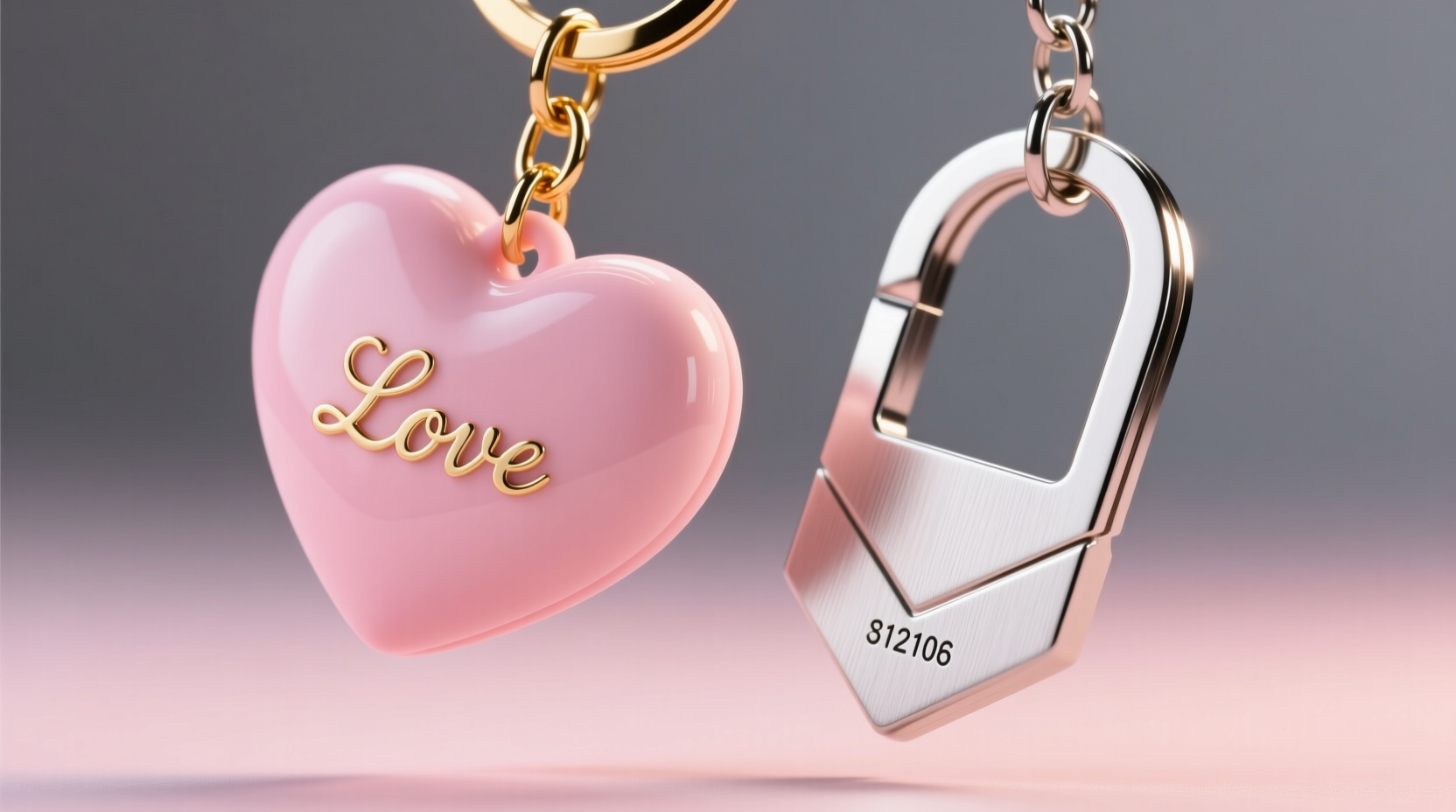
A heart keychain is typically defined by its symbolic shape—designed to represent love, affection, or personal connection. These come in various materials, including soft enamel, silicone, zinc alloy, stainless steel, or even fabric-covered metal. Their appeal lies in emotional resonance and visual charm, often used as gifts or keepsakes.
In contrast, a metal keychain refers broadly to any keyring made primarily from metal—such as stainless steel, brass, aluminum, or iron alloys. These are usually minimalist in design, prioritizing function over form, though many now feature engraved details, polished finishes, or sleek geometric shapes.
The core difference lies not only in appearance but in intent: heart keychains lean toward sentiment and aesthetics, while metal keychains emphasize resilience and utility. However, modern designs increasingly blur this line, combining emotional design with rugged construction.
Durability Showdown: Material Matters Most
Durability isn’t determined by shape alone—it hinges on material composition, manufacturing quality, and daily usage conditions. To compare fairly, we must examine common variants within each category.
| Type | Common Materials | Lifespan (Average) | Resistance to Wear | Vulnerabilities |
|---|---|---|---|---|
| Heart Keychain (Decorative) | Silicone-coated zinc, enamel, plastic core | 6–18 months | Moderate (scratches, fading) | Fading color, chipped coating, bent metal core |
| Heart Keychain (Solid Metal) | Stainless steel, brass, titanium | 3–5+ years | High | Weight, cost, limited flexibility |
| Metal Keychain (Standard) | Steel, aluminum, chrome-plated iron | 4–7+ years | Very high | Rust (if low-grade), denting under extreme force |
As shown, not all heart keychains are created equal. A flimsy, mass-produced souvenir-style heart pendant may degrade quickly when jostled in a pocket or bag. On the other hand, a solid stainless steel heart keychain can rival—even surpass—the longevity of basic metal rings.
That said, traditional metal keychains, especially those forged from hardened steel or anodized aluminum, generally offer superior resistance to bending, corrosion, and impact. They don’t rely on coatings or decorative layers that can peel or crack over time.
“Material integrity outweighs design flair when predicting lifespan. A well-made metal ring will outlast most novelty pieces—even if they’re shaped like hearts.” — Daniel Ruiz, Industrial Designer & Product Durability Analyst
Cuteness Factor: Emotional Appeal vs. Minimalist Elegance
While durability is measurable, cuteness is subjective—but not arbitrary. Consumer psychology shows that rounded shapes, symmetry, and symbolic meaning enhance perceived attractiveness. The heart shape scores highly across these criteria.
Heart keychains evoke warmth, nostalgia, and affection. They’re commonly chosen for romantic gifts, friendship tokens, or self-expression. Engraved initials, dual-tone finishes, or glow-in-the-dark elements amplify their charm without sacrificing too much strength.
Metal keychains, meanwhile, win points for sleekness and versatility. A brushed titanium ring or a finely machined brass fob exudes quiet sophistication. While not traditionally “cute,” some users find elegance inherently appealing—especially when paired with engraving or subtle detailing.
In blind preference tests conducted at lifestyle expos, approximately 68% of participants under age 35 rated heart-shaped keychains as “cuter,” citing emotional connection and visual softness. Older demographics showed a slight preference for minimalist metal designs, associating them with reliability and professionalism.
Real Example: A College Student’s Experience
Sophia, a university student, bought two keychains at the start of her freshman year: a rose-gold heart pendant with her best friend’s initial and a heavy-duty black oxide steel ring. After two years of constant use—tossed in backpacks, clipped to jeans, exposed to rain—the heart keychain retained its shine but developed minor scratches on the enamel surface. The metal ring remained nearly flawless, though she admitted forgetting it was there due to its lack of standout design.
When asked which she’d replace first, she said: “The heart one, instantly. It means something. But I’ll admit, the metal one has never let me down.”
How to Choose the Right One for You: A Practical Checklist
Your ideal keychain depends on how you value function versus emotion. Use this checklist to guide your decision:
- Do you prioritize sentimental value? → Lean toward a high-quality heart keychain.
- Will it be exposed to moisture or rough handling? → Opt for solid metal (stainless steel preferred).
- Are you gifting it to someone special? → A heart design adds emotional weight.
- Do you prefer understated, long-lasting accessories? → Choose a minimalist metal keychain.
- Is weight a concern? → Lightweight alloys or hollow-core hearts reduce bulk.
- Do you want customization? → Both types support engraving, but metal holds detail better over time.
Step-by-Step Guide to Maximizing Keychain Longevity
No matter which type you choose, proper care extends its life significantly. Follow these steps:
- Inspect monthly for loose parts, cracks, or signs of corrosion.
- Clean gently with a microfiber cloth and mild soapy water—avoid harsh chemicals.
- Dry thoroughly after cleaning or exposure to moisture to prevent rust.
- Store separately when not in use to avoid scratching against other metal objects.
- Replace worn keyrings (the split ring) before they snap and lose your keys.
- Apply a protective wax (like carnauba) to metal surfaces every 3–6 months for added shine and barrier protection.
Frequently Asked Questions
Can a heart keychain be as durable as a regular metal one?
Yes—if it’s made from solid stainless steel or titanium. Avoid models with thin plating or soft cores. High-end heart-shaped keychains from reputable brands often match or exceed the durability of generic metal rings.
Which material resists tarnishing best?
Stainless steel and titanium are top performers. Brass can develop a patina over time (which some people like), while chrome-plated or low-grade alloys may flake or corrode, especially in humid climates.
Are heart keychains only for romantic contexts?
No. While often associated with love, heart keychains are widely used among friends, family members, and even as self-affirmation symbols. Many brands market them as “friendship tokens” or motivational reminders (“carry your heart with you”).
Final Verdict: Balancing Cuteness and Strength
If forced to pick one based solely on durability, the standard metal keychain wins—especially when crafted from premium materials. Its structural simplicity gives it an edge in longevity, resistance to wear, and adaptability across environments.
However, declaring a winner in “cuteness” is no contest: the heart keychain triumphs in emotional appeal, visual softness, and symbolic meaning. And with advancements in materials, the durability gap is narrowing. Modern heart keychains made from hardened metals, scratch-resistant coatings, and precision casting now offer both charm and resilience.
The smart solution? Don’t choose between them. Carry a hybrid setup—a robust metal ring as the foundation, enhanced with a small, well-made heart charm. This way, you enjoy the best of both worlds: unbreakable functionality and heartfelt charm.




 浙公网安备
33010002000092号
浙公网安备
33010002000092号 浙B2-20120091-4
Comments
No comments yet. Why don't you start the discussion?