
Suddenly feeling a pulsing or thumping sensation in your leg—like a heartbeat—can be surprising, even alarming. While this phenomenon is often harmless, it can sometimes point to underlying circulatory or neurological conditions. Unlike chest palpitations, which are more commonly discussed, a rhythmic pulse in the leg is less familiar to most people and tends to provoke concern. Understanding the potential causes, associated symptoms, and warning signs can help you determine whether the sensation is normal or requires medical evaluation.
This article explores the physiology behind perceiving a heartbeat in the leg, identifies common and rare causes, outlines red-flag symptoms, and provides practical guidance on when to consult a healthcare provider.
Why You Might Feel a Heartbeat in Your Leg
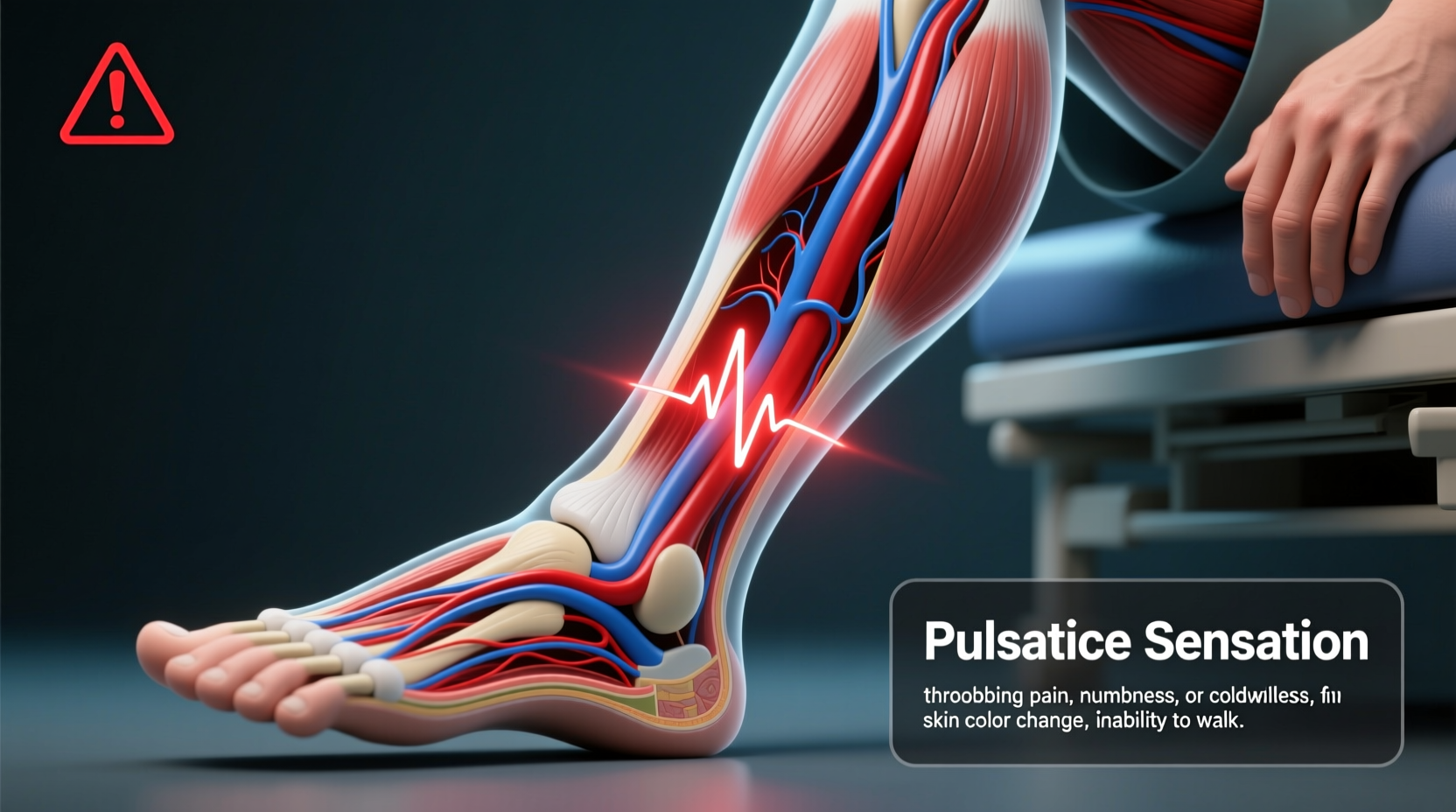
The sensation of a heartbeat in the leg typically stems from increased awareness of blood flow through major arteries. The femoral artery, which runs from the abdomen down through the thigh, is one of the largest vessels in the body and carries oxygenated blood from the heart to the lower limbs. Under certain conditions, you may become aware of its pulsation.
This perception doesn’t mean the artery is beating abnormally—it’s simply that your nervous system is registering the rhythmic expansion and contraction of the vessel wall with each heartbeat. Factors like heightened anxiety, fatigue, or lying in a position that increases pressure on the artery can amplify this sensation.
In most cases, occasional awareness of a pulse in the leg is benign. However, persistent or painful pulsations—especially when accompanied by swelling, discoloration, or weakness—warrant further investigation.
Common Causes of Pulsing Sensations in the Leg
- Muscle fatigue or exertion: After intense physical activity, blood flow increases to working muscles, making arterial pulses more noticeable.
- Anxiety or stress: Elevated adrenaline levels can increase heart rate and vascular sensitivity, leading to perceived pulsations.
- Pregnancy: Increased blood volume and cardiac output may make arterial pulses more prominent, especially in the pelvic and thigh regions.
- Tight clothing or posture: Sitting with crossed legs or wearing constrictive garments can compress arteries, altering blood flow and enhancing pulse perception.
- Varicose veins: Though typically associated with visible bulging veins, some individuals report throbbing sensations due to venous insufficiency.
These causes are usually temporary and resolve without intervention. However, they can mimic more serious conditions, so context matters.
When a Leg Pulse Signals a Medical Concern
While many instances of leg pulsation are harmless, certain patterns suggest an underlying pathology. Key conditions include:
- Peripheral Artery Disease (PAD): A narrowing of arteries due to plaque buildup, reducing blood flow. Symptoms include leg pain during walking (claudication), cold feet, weak pulses, and in advanced cases, non-healing sores.
- Aneurysm: An abnormal bulge in an artery wall—most dangerously in the abdominal aorta (AAA)—can create a strong, rhythmic pulse felt in the abdomen or upper thigh. A ruptured aneurysm is life-threatening.
- Arteriovenous Fistula (AVF): An abnormal connection between an artery and vein, often causing a continuous “whooshing” or vibrating sensation, detectable as a thrill on physical exam.
- Deep Vein Thrombosis (DVT): Although DVT typically presents with swelling and tenderness, some patients report unusual sensations, including warmth or throbbing, in the affected limb.
- Nerve Compression: Conditions like sciatica may cause tingling, numbness, or perceived pulsations due to irritated nerves mimicking vascular symptoms.
“Not all pulsatile sensations are vascular. We must differentiate between actual arterial flow and referred neural signals, especially in younger patients without cardiovascular risk factors.” — Dr. Lena Patel, Vascular Neurologist, Massachusetts General Hospital
Red Flags: When to Seek Immediate Medical Attention
Most people who feel a heartbeat in their leg do not have a serious condition. But certain symptoms should never be ignored. Use the following checklist to assess urgency:
- ✔️ New, persistent pulsing in the lower abdomen or groin
- ✔️ Severe, sudden leg pain or swelling
- ✔️ Pale, cool, or blue-tinged skin on the leg
- ✔️ Weak or absent pulse in the foot
- ✔️ Chest, back, or abdominal pain accompanying the leg sensation
- ✔️ Dizziness, shortness of breath, or fainting
If you experience any combination of these symptoms—especially severe pain with loss of pulse—seek emergency care immediately. These could indicate an arterial blockage, aneurysm rupture, or embolism.
Case Example: Recognizing an Abdominal Aortic Aneurysm
John, a 68-year-old man with a history of smoking and high blood pressure, began noticing a rhythmic pulsing just above his navel that extended into his left thigh. At first, he dismissed it as muscle twitching. Over several weeks, the sensation intensified, and he developed a dull ache in his lower back. During a routine check-up, his doctor detected an enlarged aorta on ultrasound. A CT scan confirmed a 5.2 cm abdominal aortic aneurysm. John underwent elective repair before rupture occurred—an outcome made possible by timely recognition of subtle symptoms.
This case illustrates how a seemingly minor sensation—a “heartbeat in the leg”—can be an early clue to a potentially fatal condition.
Diagnostic Steps and What to Expect
If your doctor suspects a vascular issue, they will likely perform a physical examination focusing on pulse strength, symmetry, and bruits (abnormal sounds heard with a stethoscope). Further testing may include:
| Test | Purpose | What It Involves |
|---|---|---|
| Ankle-Brachial Index (ABI) | Assesses for PAD | Blood pressure cuffs on arms and ankles to compare circulation |
| Doppler Ultrasound | Visualizes blood flow and detects blockages or aneurysms | Non-invasive imaging using sound waves |
| CT or MR Angiography | Detailed imaging of arteries | Contrast dye and scanning to map vascular structure |
| Physical Pulse Exam | Initial screening | Palpation of femoral, popliteal, and dorsalis pedis pulses |
Early diagnosis significantly improves outcomes, particularly for conditions like PAD or aneurysms, where interventions can prevent complications such as amputation or rupture.
Prevention and Long-Term Management
Reducing the risk of vascular problems involves managing lifestyle factors that contribute to arterial disease. Consider the following steps:
- Control blood pressure and cholesterol: Hypertension and hyperlipidemia accelerate atherosclerosis, increasing the risk of PAD and aneurysms.
- Quit smoking: Smoking damages blood vessels and is a major risk factor for aneurysm formation.
- Exercise regularly: Walking improves collateral circulation in PAD and supports overall vascular health.
- Maintain a healthy weight: Excess weight strains the circulatory system and exacerbates venous and arterial issues.
- Monitor symptoms: Keep track of new or worsening sensations, especially if you have diabetes or cardiovascular disease.
Frequently Asked Questions
Can anxiety really cause me to feel a heartbeat in my leg?
Yes. Anxiety triggers the release of stress hormones like adrenaline, which increase heart rate and blood pressure. This can make normal arterial pulsations more noticeable, especially in quiet environments or when lying down. The sensation is usually temporary and resolves as your body calms.
Is it normal to feel a pulse in my thigh when I’m lying down?
For some people, yes—particularly if you're thin or lying still. The femoral artery is close to the surface in the groin, and reduced external stimuli can heighten internal awareness. However, if the pulse feels unusually strong, expands visibly, or is painful, consult a doctor.
Could a heartbeat sensation in my leg be a blood clot?
While deep vein thrombosis (DVT) typically causes swelling, redness, and tenderness rather than a rhythmic pulse, some patients report throbbing discomfort. A true arterial pulse sensation is less likely to be DVT, but any unexplained leg symptom—especially with risk factors like immobility, recent surgery, or birth control use—should be evaluated.
Take Action Before It’s Too Late
Perceiving a heartbeat in your leg isn’t always a sign of trouble, but it shouldn’t be automatically dismissed. Your body often sends subtle warnings long before a crisis occurs. Whether it’s an early indicator of peripheral artery disease or a silent aneurysm, paying attention to unusual sensations can save your life.
If you’re over 50, have cardiovascular risk factors, or notice persistent or worsening symptoms, talk to your doctor. Simple, non-invasive tests can provide clarity and peace of mind—or catch a problem early, when treatment is most effective.




 浙公网安备
33010002000092号
浙公网安备
33010002000092号 浙B2-20120091-4
Comments
No comments yet. Why don't you start the discussion?