
At first glance, a pair of Hello Kitty running shoes might seem like the perfect blend of whimsy and function—a cheerful splash of nostalgia paired with athletic footwear. But when you lace them up for a morning jog or a gym session, do they deliver on performance, or are they simply designed to turn heads? As collaborations between lifestyle brands and sportswear giants grow more common, it's essential to separate marketing appeal from biomechanical reality. This article dives into the structural, functional, and practical differences between Hello Kitty-themed running shoes and traditional performance models to help you decide: are they made for running, or just for show?
Design and Aesthetics: The Power of Branding
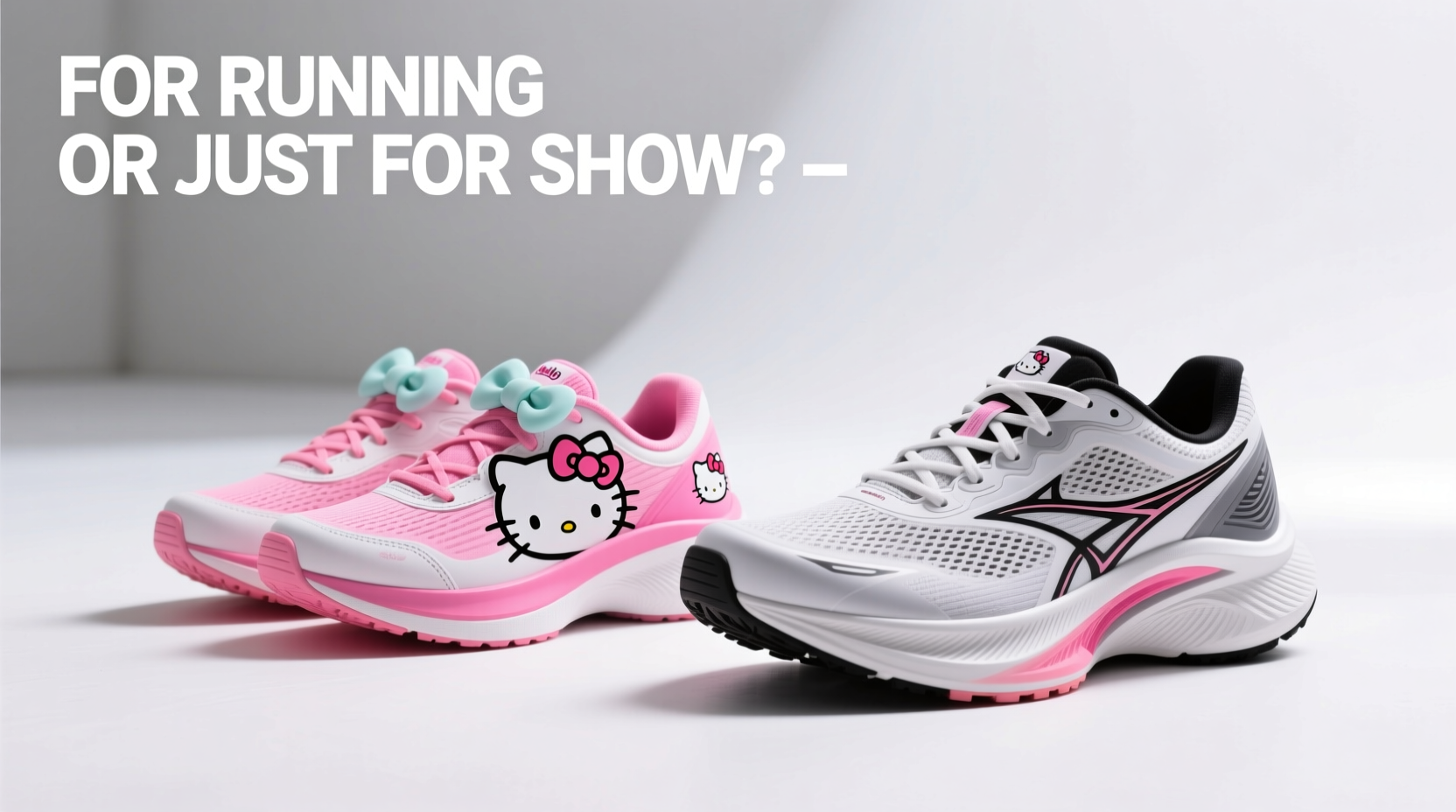
The visual appeal of Hello Kitty running shoes is undeniable. Bright pastels, embroidered Kitty faces, and signature red bows transform standard sneaker silhouettes into collectible fashion items. These designs often stem from partnerships between Sanrio and major athletic brands—such as Converse, Vans, or Puma—and while some models borrow technology from actual running lines, many prioritize appearance over athletic engineering.
Regular running shoes, by contrast, follow functional design principles. Colorways may be bold, but every element—from tread patterns to heel counters—serves a purpose. Breathable mesh uppers, reinforced midsoles, and ergonomic shapes are developed through extensive biomechanical testing. While aesthetics matter in both categories, only traditional running shoes are built around performance-first logic.
Construction and Performance Features
To assess whether Hello Kitty running shoes can handle actual running, we need to examine core components: cushioning, support, traction, and breathability.
Most officially branded Hello Kitty sneakers are not developed under the same R&D conditions as dedicated running shoes. They typically lack advanced technologies such as gel cushioning (like Asics), adaptive foam (like Nike React), or stability systems (like Brooks’ GuideRails). Instead, they use basic EVA foam midsoles and flat rubber outsoles—adequate for walking or light activity, but insufficient for high-impact workouts.
In contrast, performance running shoes undergo rigorous testing for shock absorption, energy return, and gait alignment. Features like heel-to-toe drop, arch support, and torsional rigidity are calibrated to reduce injury risk during prolonged use. Even entry-level running models today include responsive foams and engineered knit uppers that promote airflow and foot lockdown.
“Footwear marketed primarily on aesthetic collaboration rarely meets the biomechanical standards required for safe, efficient running.” — Dr. Lena Torres, Podiatrist & Sports Medicine Consultant
Comparison Table: Hello Kitty Shoes vs Regular Running Shoes
| Feature | Hello Kitty Running Shoes | Regular Running Shoes |
|---|---|---|
| Midsole Technology | Basic EVA foam, minimal cushioning | Advanced foams (e.g., Boost, DNA Loft, ZoomX) |
| Arch Support | Limited or none; flat insoles | Structured support based on foot type |
| Traction | Smooth or lightly grooved soles | Multi-directional lugs for grip |
| Breathability | Synthetic materials; poor airflow | Engineered mesh; moisture-wicking linings |
| Durability | Moderate; decorative elements wear quickly | High; abrasion-resistant rubber and overlays |
| Primary Use Case | Casual wear, fashion, short walks | Running, training, long-distance walking |
Real-World Scenario: Can You Run in Them Safely?
Consider Maya, a 28-year-old graphic designer and longtime Hello Kitty fan. She bought a limited-edition pair of Hello Kitty Pumas, drawn in by their soft pink finish and adorable bow details. Excited to wear them everywhere, she decided to test them on her usual 3-mile loop around the park.
By mile two, she noticed discomfort in her arches. The thin sole offered little protection against sidewalk cracks, and her feet felt hot due to the non-breathable upper. After finishing her run, she experienced mild plantar fascia tightness—an issue she’d never had in her regular Asics runners. Though the shoes looked great in photos, they failed to meet her body’s needs during sustained activity.
This case illustrates a growing trend: consumers wearing fashion-forward sneakers for purposes beyond their intended design. While occasional light walking poses minimal risk, repetitive running in unsupportive footwear increases the likelihood of strain, blisters, or long-term joint stress.
When Fashion Meets Function: Exceptions and Hybrids
It’s worth noting that not all character-themed shoes fall short. Some collaborative models integrate real performance features. For example, certain Puma x Hello Kitty releases have been built on actual running platforms, using ProForma cushioning and lightweight uppers. Similarly, select Adidas or New Balance collabs maintain structural integrity despite playful styling.
The key is research. Look beyond the branding. Check if the shoe shares its base model with a known performance line. Examine product descriptions for terms like “running chassis,” “energy-return midsole,” or “motion control.” If those appear, the shoe may offer genuine utility. If the description focuses solely on color, embroidery, or collectibility, treat it as casual wear.
Checklist: How to Determine If a Hello Kitty Shoe Is Suitable for Running
- ✅ Verify the shoe’s base model—is it derived from a known running series?
- ✅ Look for performance keywords: cushioning, support, breathable, responsive
- ✅ Check customer reviews for mentions of comfort during exercise
- ✅ Test the weight—lightweight shoes (under 10 oz) are better for running
- ✅ Assess the sole: deep treads and flex grooves suggest functional design
- ❌ Avoid if the primary materials are plastic, satin, or thick synthetics
- ❌ Skip if the heel is rigid or lacks padding for impact absorption
Frequently Asked Questions
Can I wear Hello Kitty shoes to the gym?
You can for light activities like stretching, yoga, or using machines. However, avoid high-impact cardio, HIIT, or treadmill running. The lack of lateral support and cushioning increases injury risk during dynamic movements.
Are there any Hello Kitty shoes that are actually good for running?
A few hybrid models exist, particularly from Puma and New Balance, where the collaboration uses a performance chassis. Always verify technical specs before assuming functionality. Most, however, are stylized versions of casual sneakers, not true runners.
Why do companies make Hello Kitty running shoes if they’re not meant for running?
These shoes target fans of the brand and collectors, not athletes. The term “running shoe” is often used loosely in marketing to describe any sneaker-style footwear. In reality, they’re fashion sneakers capitalizing on nostalgia and pop culture appeal.
Conclusion: Style Shouldn’t Come at the Cost of Safety
Hello Kitty running shoes serve an important cultural and emotional role—they bring joy, spark conversations, and celebrate individuality. There’s nothing wrong with wanting to express yourself through your footwear. But when it comes to physical performance, compromising on fit, support, and cushioning can lead to discomfort or injury.
If you love the look, wear them proudly—for brunch, shopping, or casual outings. But for running, stick to shoes engineered for the task. Your feet, knees, and long-term joint health will thank you. And if you must merge fandom with fitness, invest time in researching hybrid models that balance both form and function.




 浙公网安备
33010002000092号
浙公网安备
33010002000092号 浙B2-20120091-4
Comments
No comments yet. Why don't you start the discussion?