
Hiccups are a common bodily reflex most people experience at some point—often unexpectedly and sometimes inconveniently. While they're usually harmless, few things are as frustrating as getting the hiccups right after cracking open a cold soda. Many individuals report that fizzy drinks seem to trigger hiccups more than other beverages. But why? What is it about carbonated soft drinks that so often leads to that sudden, repetitive \"hic\" sound? The answer lies in the interplay between carbonation, stomach distension, and your nervous system.
Understanding the physiological mechanisms behind this phenomenon can help you manage or even prevent these post-soda hiccups. From the moment you take that first fizzy sip, a chain reaction begins in your digestive tract—one that may inadvertently signal your diaphragm to spasm. Let’s explore the science, contributing factors, and real-world strategies to keep those bubbles from turning into bothersome hiccups.
The Science Behind Hiccups
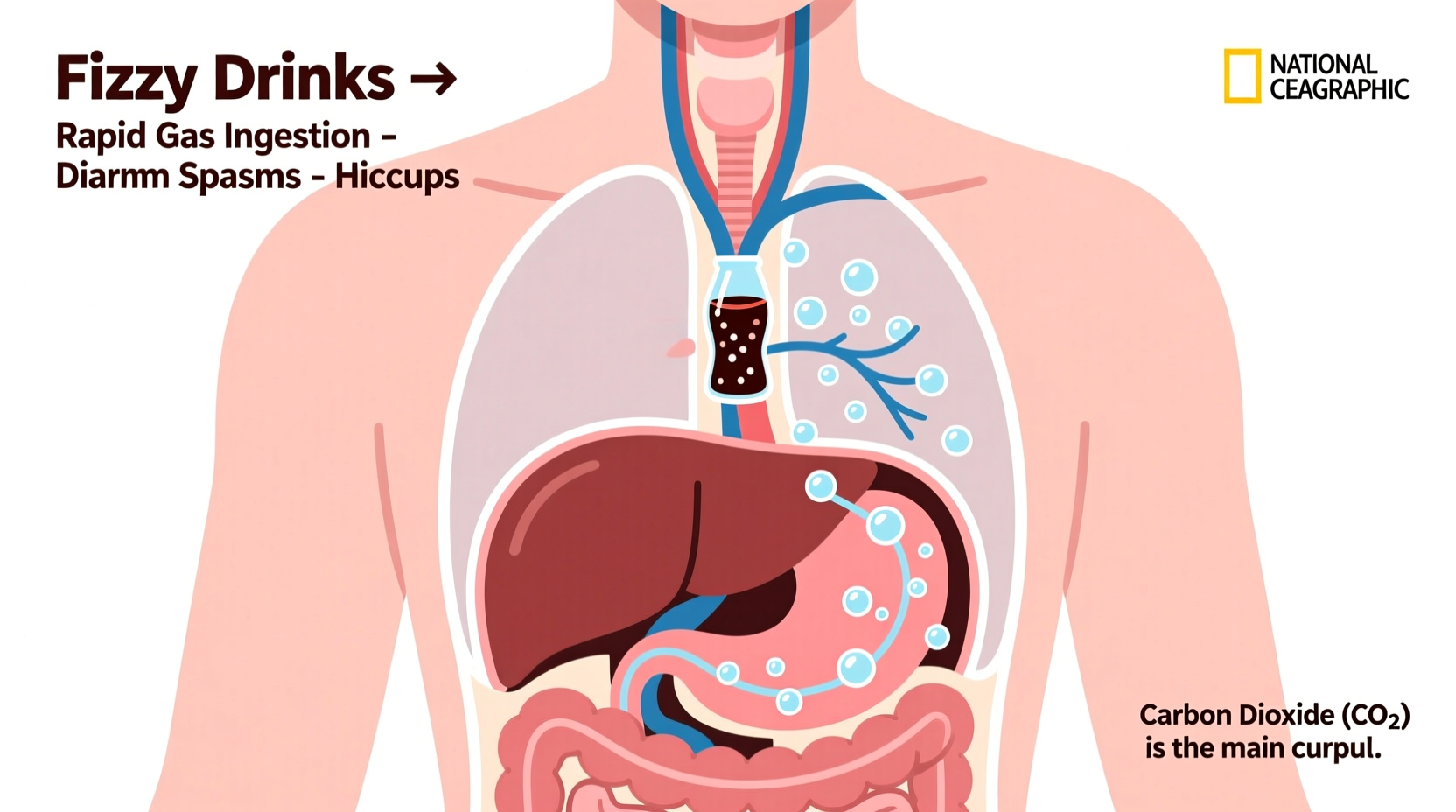
Hiccups occur when the diaphragm—the large muscle beneath your lungs responsible for breathing—contracts involuntarily. This contraction causes a quick intake of breath, which is abruptly halted by the closure of the vocal cords, producing the characteristic \"hic\" sound. The hiccup reflex arc involves three components: the phrenic and vagus nerves (which carry signals to the diaphragm), the brainstem (the control center), and the diaphragm itself.
Anything that irritates or stimulates the nerves controlling the diaphragm can set off hiccups. Common triggers include eating too quickly, consuming hot or spicy foods, emotional excitement, or swallowing air. In the case of soda, the primary culprits are carbonation and rapid consumption.
How Carbonation Triggers the Diaphragm
Soda contains dissolved carbon dioxide (CO₂), which forms bubbles when the pressure is released upon opening the can or bottle. When you drink a fizzy beverage, you’re not just consuming liquid—you’re also swallowing gas. As CO₂ builds up in your stomach, it increases intra-abdominal pressure, causing the stomach to expand.
This expansion can push against the diaphragm, irritating the phrenic nerve and triggering spasms. Additionally, some of the gas may rise into the esophagus, stimulating the vagus nerve along its path. Both nerves play key roles in the hiccup reflex, making them sensitive to mechanical or chemical disturbances caused by carbonation.
A 2020 review published in *The American Journal of Medicine* noted that gastric distension—particularly from carbonated beverages—is one of the most frequently reported dietary causes of acute hiccups. The study emphasized that individuals who consume soda rapidly are significantly more likely to experience hiccups than those who drink still water or non-carbonated alternatives.
“Carbonation doesn’t just add fizz—it adds volume. That extra gas in the stomach can mechanically stimulate the diaphragm and initiate hiccups, especially in sensitive individuals.” — Dr. Lena Patel, Gastroenterology Specialist
Other Contributing Factors in Soda Consumption
While carbonation is the main offender, several other elements in soda can exacerbate hiccup likelihood:
- Sugar and acidity: High sugar content and acidic ingredients (like phosphoric acid in colas) can contribute to gastroesophageal reflux, which irritates the esophagus and vagus nerve.
- Cold temperature: Icy sodas may cause sudden thermal stimulation in the esophagus, another potential trigger for nerve irritation.
- Drinking speed: Gulping down soda increases air swallowing (aerophagia), compounding gas buildup in the stomach.
- Straws and cans: Using straws or drinking directly from narrow cans can increase the amount of air consumed with each sip.
Children and adolescents appear particularly prone to soda-induced hiccups, possibly due to faster drinking habits and heightened sensitivity in their developing nervous systems.
Real Example: The Teenager’s Soda Challenge
In a documented case at a pediatric clinic, a 14-year-old boy experienced persistent hiccups lasting over two hours after participating in a “soda chugging” contest at school. He consumed a full 12-ounce can of cola in under 30 seconds. The rapid ingestion led to significant gastric distension and diaphragmatic irritation. Medical staff ruled out neurological or metabolic causes and concluded the episode was purely due to excessive air and CO₂ intake. After sitting upright, sipping water, and practicing slow breathing, his hiccups subsided within 20 minutes.
This scenario illustrates how behavior—especially speed of consumption—can turn a simple soda into a hiccup trigger, even in otherwise healthy individuals.
Effective Prevention and Relief Strategies
While you may not need medical intervention for typical soda-related hiccups, adopting preventive habits can reduce frequency and discomfort. Below is a checklist of actionable steps:
- Drink soda slowly—take small sips instead of gulping.
- Avoid using straws, which increase air intake.
- Let your soda sit for a minute after opening to release some initial fizz.
- Choose flat or low-carbonation alternatives if you're prone to hiccups.
- Sit upright while drinking to aid digestion and reduce pressure on the diaphragm.
- Wait before lying down or exercising after consuming carbonated drinks.
Step-by-Step Guide to Stopping Hiccups After Soda
- Stop drinking immediately. Continuing to ingest more gas will worsen the condition.
- Sit upright and remain still. This helps gas rise and dissipate without further irritating the diaphragm.
- Sip room-temperature water slowly. This can soothe the esophagus and help reset the vagus nerve.
- Hold your breath for 10–15 seconds. This increases CO₂ levels in the blood, which may calm diaphragmatic spasms.
- Gently press on your diaphragm. Place your fingers just below the ribcage and apply light upward pressure while exhaling.
- Repeat if necessary. Most episodes resolve within minutes using these methods.
When to Be Concerned: Chronic Hiccups and Underlying Conditions
Occasional hiccups after soda are normal and typically resolve within minutes. However, hiccups lasting more than 48 hours (called persistent hiccups) or those interfering with sleep, eating, or breathing may indicate an underlying issue such as:
- Gastroesophageal reflux disease (GERD)
- Central nervous system disorders
- Metabolic imbalances (e.g., kidney failure)
- Irritation of the vagus or phrenic nerves due to tumors or infections
If you frequently experience prolonged hiccups—even without soda consumption—it's advisable to consult a healthcare provider for evaluation.
Do’s and Don’ts: Managing Carbonated Drinks and Hiccups
| Do’s | Don’ts |
|---|---|
| Choose less carbonated beverages like sparkling water with mild fizz | Chug soda quickly or participate in drinking challenges |
| Drink from a wide glass instead of a can or straw | Lie down immediately after drinking carbonated beverages |
| Burp gently to release excess gas early | Ignore frequent or long-lasting hiccups |
| Stay hydrated with water between sodas | Consume multiple carbonated drinks in one sitting |
Frequently Asked Questions
Can diet soda cause hiccups too?
Yes. Even though diet sodas contain no sugar, they are still carbonated and introduce CO₂ into the stomach. Artificial sweeteners don’t directly cause hiccups, but the carbonation and acidity do. Some people report being more sensitive to certain additives, but the primary trigger remains gas buildup.
Why do some people never get hiccups from soda?
Individual variation plays a big role. Differences in diaphragm sensitivity, nerve responsiveness, stomach capacity, and drinking habits influence susceptibility. Some people naturally swallow less air or have more resilient vagus nerve regulation, making them less prone to hiccup triggers.
Is there a type of soda less likely to cause hiccups?
Sodas with lower carbonation levels—such as root beer or cream soda—are generally gentler on the stomach. Flat soda (left open for several minutes) poses far less risk, as most CO₂ has dissipated. Non-carbonated drinks like juice or tea eliminate the risk entirely.
Final Thoughts: Enjoy Fizz Without the Hic
There’s no need to give up soda entirely just because it occasionally brings on hiccups. By understanding the mechanics behind the fizz—and how it interacts with your body—you can make smarter choices about how and when you drink it. Simple changes in pace, posture, and portion size can go a long way toward preventing unnecessary discomfort.
The next time you reach for a cold can, remember: it’s not just the taste that matters, but how you enjoy it. Slowing down, choosing wisely, and listening to your body can help you savor the bubbles without the bother of hiccups.




 浙公网安备
33010002000092号
浙公网安备
33010002000092号 浙B2-20120091-4
Comments
No comments yet. Why don't you start the discussion?