
When it comes to headwear—whether athletic sweatbands, fashion-forward knits, or performance running gear—the debate between high crown and low profile headbands often centers on two key factors: comfort and aesthetics. While many assume that face shape alone determines which style works best, the reality is more nuanced. Crown height influences pressure distribution, breathability, and even how a headband stays in place during activity. Understanding both structural design and facial proportions helps make informed choices that balance function with personal style.
Understanding Crown Height: What It Really Means
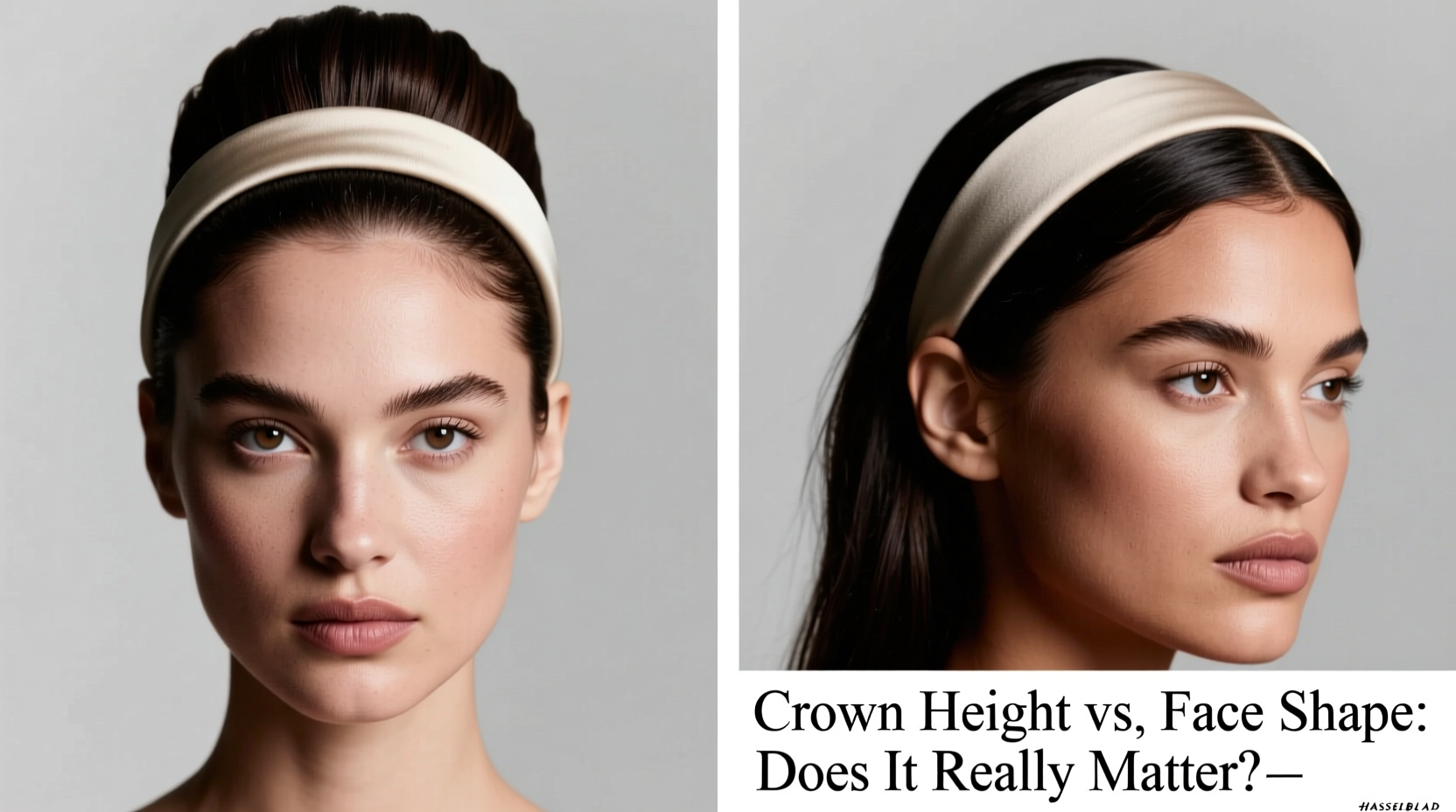
Crown height refers to the vertical depth of a headband from the top edge to where it meets the forehead. High crown headbands typically extend 3 to 4 inches upward, covering more of the scalp and offering greater coverage. Low profile styles sit closer to the hairline, usually measuring 1.5 to 2.5 inches in height. This distinction affects not only appearance but also functionality across different environments and activities.
High crown designs are commonly found in winter beanies, thermal headbands, and performance headwear designed for cold weather. Their increased surface area provides enhanced warmth by covering more of the head and ears. In contrast, low profile headbands dominate in athletic contexts—especially running, tennis, and yoga—where minimalism, breathability, and non-interference with eyewear or helmets take priority.
The Role of Face Shape in Headband Selection
Face shape plays a significant role in how a headband complements your features. However, it’s not the sole deciding factor. The interplay between facial structure and crown height can enhance or detract from overall balance.
- Oval faces: Naturally balanced proportions allow flexibility. Both high and low crown styles work well, though high crowns add subtle volume when desired.
- Square faces: Strong jawlines benefit from taller headbands that elongate the face visually. High crown options soften angularity.
- Rounded faces: Lower profiles help maintain vertical lines, preventing the look from appearing too wide. Avoid excessive bulk on top.
- Long or rectangular faces: Low profile bands prevent further lengthening. Opt for slightly wider styles that sit lower on the forehead to create horizontal balance.
- Heart-shaped faces: Wider at the forehead and narrow at the chin, these faces suit mid-to-low profile bands that don’t overwhelm the upper face.
“While face shape guides aesthetic harmony, crown height impacts practical performance just as much—if not more.” — Lena Patel, Textile Designer & Wearable Tech Consultant
Performance Differences: When Function Trumps Form
In active settings, crown height directly affects moisture management, stability, and aerodynamics. A runner sprinting through humid conditions doesn’t need extra fabric trapping heat. Here, low profile headbands made from moisture-wicking materials excel by staying lightweight and unobtrusive.
Conversely, outdoor enthusiasts in alpine or winter climates rely on high crown models for insulation. These often feature thermal linings, ear coverage, and wind-resistant fabrics. The added height creates an air-trapping layer that retains body heat without requiring tight tension against the head.
| Crown Type | Best For | Drawbacks |
|---|---|---|
| High Crown | Cold weather, full scalp coverage, fashion volume | Can overheat, may slip with glasses, bulkier under helmets |
| Low Profile | Running, gym workouts, warm climates, eyewear compatibility | Limited warmth, less sun protection, minimal ear coverage |
Mini Case Study: Trail Runner vs. Urban Commuter
Consider Sarah, a trail runner training for mountain races. She initially chose a high crown thermal band for early-morning runs, assuming more coverage meant better protection. Within minutes, she experienced overheating and sweat buildup around her temples. The band also interfered with her sports sunglasses, causing them to ride up. After switching to a low profile wicking band, she reported improved comfort, fewer adjustments mid-run, and better temperature regulation—even in cooler temperatures.
On the other hand, James, a cyclist commuting in northern Chicago winters, struggled with frostnip on his ears despite wearing a standard beanie. He switched to a high crown fleece headband with built-in ear flaps and noticed immediate improvement. The extended coverage blocked wind effectively while allowing him to layer under a helmet without compression discomfort.
Their experiences underscore a critical point: personal use case often outweighs aesthetic preferences. Functionality rooted in environmental demands and physical activity should inform the choice as much as face shape or fashion trends.
How to Choose: A Step-by-Step Decision Framework
Selecting the right headband isn't guesswork. Follow this logical process to match your needs with the ideal crown height:
- Assess your primary activity: Are you running, cycling, hiking, or using it for casual wear?
- Evaluate climate conditions: Do you need insulation, UV protection, or breathability?
- Check eyewear or helmet compatibility: Will glasses, goggles, or safety gear interact with the band?
- Determine desired coverage: Do you want full scalp warmth or just forehead sweat control?
- Test proportion with your face: Try both styles in a mirror. Does one disrupt facial symmetry or feel overwhelming?
- Feel the fit: Ensure no pinching at the temples or slippage at the back. Comfort trumps trend every time.
Checklist: Picking Your Ideal Headband
- ☑ Define your main use (sports, winter, fashion)
- ☑ Consider seasonal needs (heat retention vs. ventilation)
- ☑ Measure your head circumference if buying online
- ☑ Prioritize fabric type (cotton, merino wool, polyester blend)
- ☑ Evaluate stretch and recovery—does it hold shape after wear?
- ☑ Match crown height to face shape and accessory use
- ☑ Test for long-term comfort—wear it for 20+ minutes before committing
Frequently Asked Questions
Does a high crown headband make my head look bigger?
It can, depending on face shape and styling. On oval or square faces, the effect is usually neutral or flattering. On round or shorter faces, excessive height may create imbalance. Pairing with hairstyles that add height at the crown can mitigate this.
Can I wear a low profile headband in winter?
Yes, but only in mild conditions or as part of a layered system. For freezing temperatures, pair it with earmuffs or wear it under a hooded jacket. Standalone, it offers limited protection against wind and cold exposure.
Are there hybrid options between high and low crown?
Absolutely. Some brands offer “mid-crown” designs—around 2.5 to 3 inches tall—that blend moderate coverage with sleekness. These are ideal for transitional seasons and versatile enough for both gym sessions and city walks.
Conclusion: Balancing Science, Style, and Sensibility
Crown height matters—not because it follows rigid rules, but because it interacts dynamically with anatomy, environment, and intent. While face shape provides a useful starting point for aesthetic harmony, dismissing crown height as secondary overlooks its impact on comfort, performance, and usability. The best choice emerges from listening to your body, understanding your lifestyle, and respecting the engineering behind the design.
Whether you're battling winter winds or pushing pace on a summer trail, the right headband shouldn't require compromise. Take the time to assess your real-world needs, experiment with proportions, and prioritize function without sacrificing personal expression.




 浙公网安备
33010002000092号
浙公网安备
33010002000092号 浙B2-20120091-4
Comments
No comments yet. Why don't you start the discussion?