
In living rooms, bathrooms, and entryways, the humble tissue box is an everyday necessity. But while most people reach for a basic cardboard box or a no-frills plastic dispenser, a growing market offers luxury alternatives—crafted from marble, wood, metal, or designer ceramics. These high-end tissue boxes can cost anywhere from $50 to over $300, raising a simple but important question: Are they actually worth it?
The answer isn’t just about looks. It’s about function, longevity, hygiene, and how much value you place on small details that shape your daily experience. Let’s break down what separates a premium tissue holder from a standard one—and whether upgrading makes sense for your home.
Design and Aesthetic Appeal
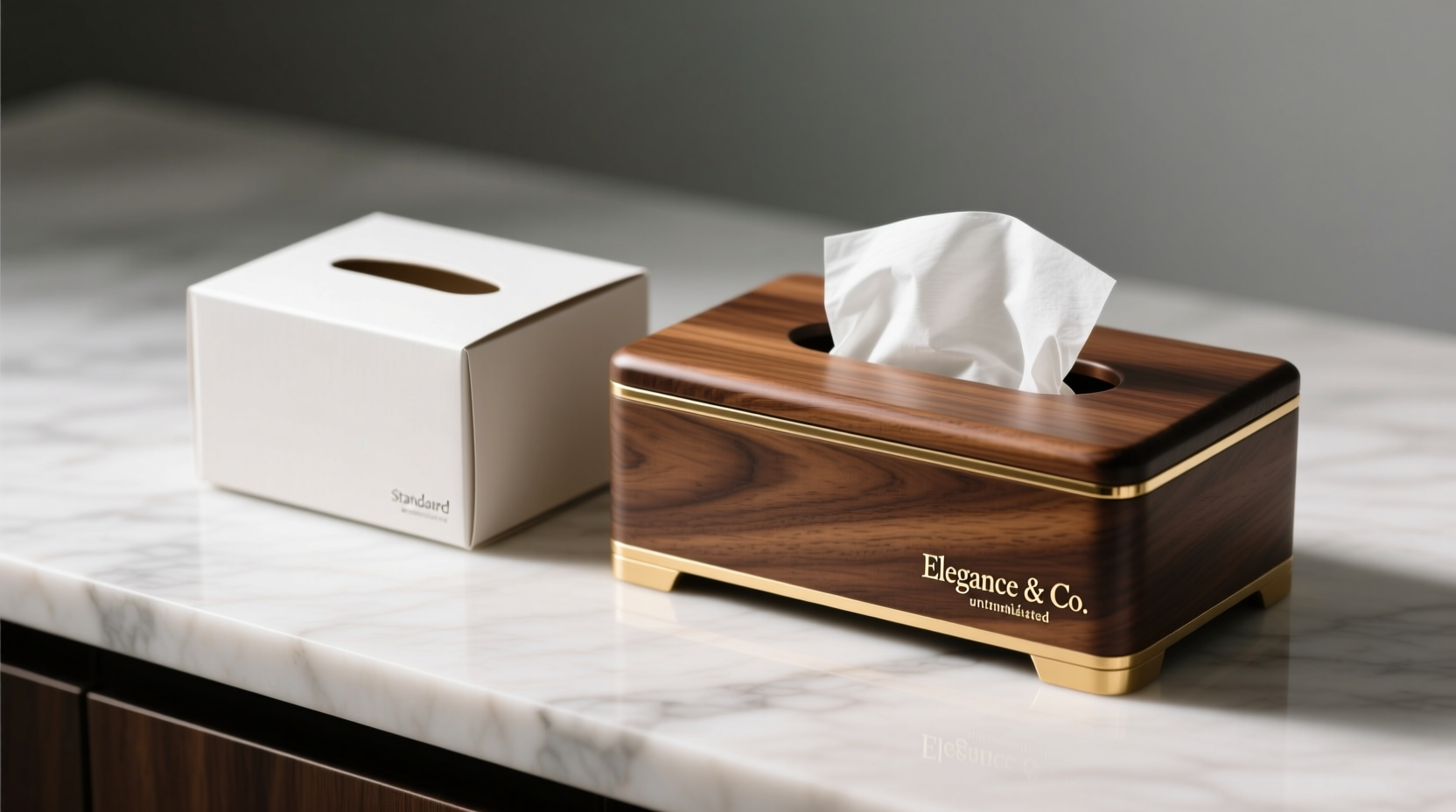
At first glance, the most obvious difference between high-end and standard tissue boxes is visual impact. Standard models—typically made of plastic or paperboard—are designed for utility, not beauty. They’re functional, disposable, and often hidden behind furniture or tucked into corners to avoid disrupting room decor.
Luxury tissue boxes, by contrast, are crafted as decorative objects. Materials like walnut, brushed brass, ceramic with hand-painted finishes, or even travertine stone turn a mundane item into a statement piece. Brands such as Umbra, Menu, and Georg Jensen treat tissue holders as interior accents, aligning them with modern, minimalist, or upscale aesthetics.
A well-designed high-end box doesn’t just hold tissues—it elevates the space. In a powder room with designer fixtures or a living room with curated decor, a sleek tissue holder can complete the look. For design-conscious homeowners, this aesthetic upgrade alone may justify the investment.
Durability and Longevity
Standard tissue boxes are temporary by nature. The plastic dispensers crack after months of use; paperboard versions degrade with moisture and handling. Most last less than a year before needing replacement.
Premium tissue holders are built differently. Solid wood frames resist warping. Powder-coated metals withstand daily use. Ceramic models are glazed for easy cleaning. Many come with replaceable liners or refillable mechanisms, meaning only internal parts need updating—not the entire unit.
“Durability in small accessories often gets overlooked, but consistently used items should be built to last. A well-made tissue box can serve a decade or more with minimal maintenance.” — Clara Mendez, Interior Product Designer
When viewed through a long-term lens, the upfront cost of a $120 walnut tissue box becomes more reasonable if it outlasts five $15 plastic models over ten years. That’s not just savings—it’s reduced waste and fewer replacements cluttering your shopping list.
Functionality and User Experience
It’s not just about looking good—premium tissue boxes often improve usability. Common issues with standard models include:
- Tissues tearing when pulled
- Boxes collapsing under pressure
- Difficult access due to tight openings
- No protection from dust or moisture
High-end designs address these problems with precision engineering. Magnetic lids open smoothly. Weighted bases prevent tipping. Some feature spring-loaded dispensers that regulate tissue flow, reducing jams and rips. Others have fully enclosed compartments that keep tissues clean and dry—especially useful in humid bathrooms.
For households with children or elderly individuals, ease of access matters. A soft-close lid prevents pinched fingers. A wide opening allows quick grabbing during sneezes or spills. These subtle improvements add up in real-world use.
Comparison: High-End vs Standard Tissue Boxes
| Feature | High-End Tissue Box | Standard Tissue Box |
|---|---|---|
| Material | Wood, metal, ceramic, stone | Plastic, paperboard |
| Lifespan | 5–15 years | 3 months – 2 years |
| Hygiene | Enclosed, dust-resistant, easy to wipe | Open-top, collects dust, hard to clean |
| Aesthetic Value | High—designed as decor | Low—often hidden |
| Price Range | $50 – $300+ | $3 – $20 |
Real-World Example: A Designer Bathroom Upgrade
Sarah L., an architect based in Portland, recently renovated her guest bathroom. She replaced the generic plastic tissue holder with a matte black metal box featuring a magnetic lid and integrated storage tray. “It was a $95 purchase,” she says, “but it completely changed the room’s feel. Guests comment on it all the time. More importantly, tissues don’t get damp anymore, and I’m not replacing cracked plastic every six months.”
Her experience highlights a key insight: high-end tissue boxes often deliver value beyond appearance. They solve practical problems while enhancing ambiance—a rare combination in household accessories.
Is It Worth It? A Practical Checklist
Before investing in a luxury tissue box, consider the following checklist to determine if it aligns with your needs:
- Do you care about cohesive interior design? If your home reflects intentional styling, a premium box may fit naturally.
- Is the location high-traffic or visible? Entryways, living rooms, and guest bathrooms benefit most from attractive dispensers.
- Do you replace cheap boxes frequently? If you go through multiple plastic models a year, a durable alternative could save money long-term.
- Are hygiene and moisture concerns present? Enclosed, wipeable models excel in humid or shared spaces.
- Do you appreciate thoughtful design in everyday objects? If yes, the enhanced user experience may be worth the cost.
Frequently Asked Questions
Can I use regular tissue boxes with high-end dispensers?
Yes, most premium tissue holders are designed to accommodate standard-sized tissue boxes (typically 4.5 x 4.5 x 5 inches). Some models include adjustable inserts to fit different brands.
Are luxury tissue boxes difficult to refill?
Not usually. Top-loading models with magnetic or hinged lids make refilling quick and simple. Side-access or slide-out trays are also common. The best designs balance elegance with ease of use.
Do expensive tissue boxes increase home value?
Indirectly, yes. While a single tissue holder won’t impact appraisal value, cohesive, high-quality finishes throughout a home contribute to perceived craftsmanship and attention to detail—important factors for buyers.
Making the Decision: When to Upgrade
The decision to invest in a high-end tissue box ultimately comes down to priorities. If you view your home as a reflection of personal taste and long-term comfort, the upgrade makes sense. It’s not about extravagance—it’s about intentionality.
Consider starting with one high-impact location: the guest bathroom, the console table in your foyer, or the side table next to your favorite armchair. Test how the design, durability, and functionality affect your daily experience. You might find that something so small can make a surprisingly large difference.
On the other hand, if you prioritize minimal spending on disposable items or live in a high-movement household where things get damaged quickly, a standard model remains perfectly valid. There’s no universal rule—only what works best for your lifestyle.
Final Thoughts: Small Details, Big Impact
High-end tissue boxes aren’t essential, but they exemplify a broader principle: thoughtful design in everyday objects improves quality of life. From smoother operation to lasting materials and better hygiene, the benefits accumulate quietly over time.
If you’ve ever tossed a warped plastic box or cringed at a dusty tissue stack, you’ve felt the limitations of the standard option. A luxury alternative isn’t just a container—it’s a solution disguised as decor.




 浙公网安备
33010002000092号
浙公网安备
33010002000092号 浙B2-20120091-4
Comments
No comments yet. Why don't you start the discussion?