
A resting heart rate above 100 beats per minute is medically defined as tachycardia. While occasional spikes in heart rate are normal during exercise or stress, a consistently elevated pulse at rest can signal underlying health issues. Understanding the causes, recognizing symptoms, and knowing when to seek medical help are essential for maintaining cardiovascular health. This guide explores the science behind high heart rates, identifies common triggers, and outlines warning signs that should never be ignored.
What Is a Normal Heart Rate?
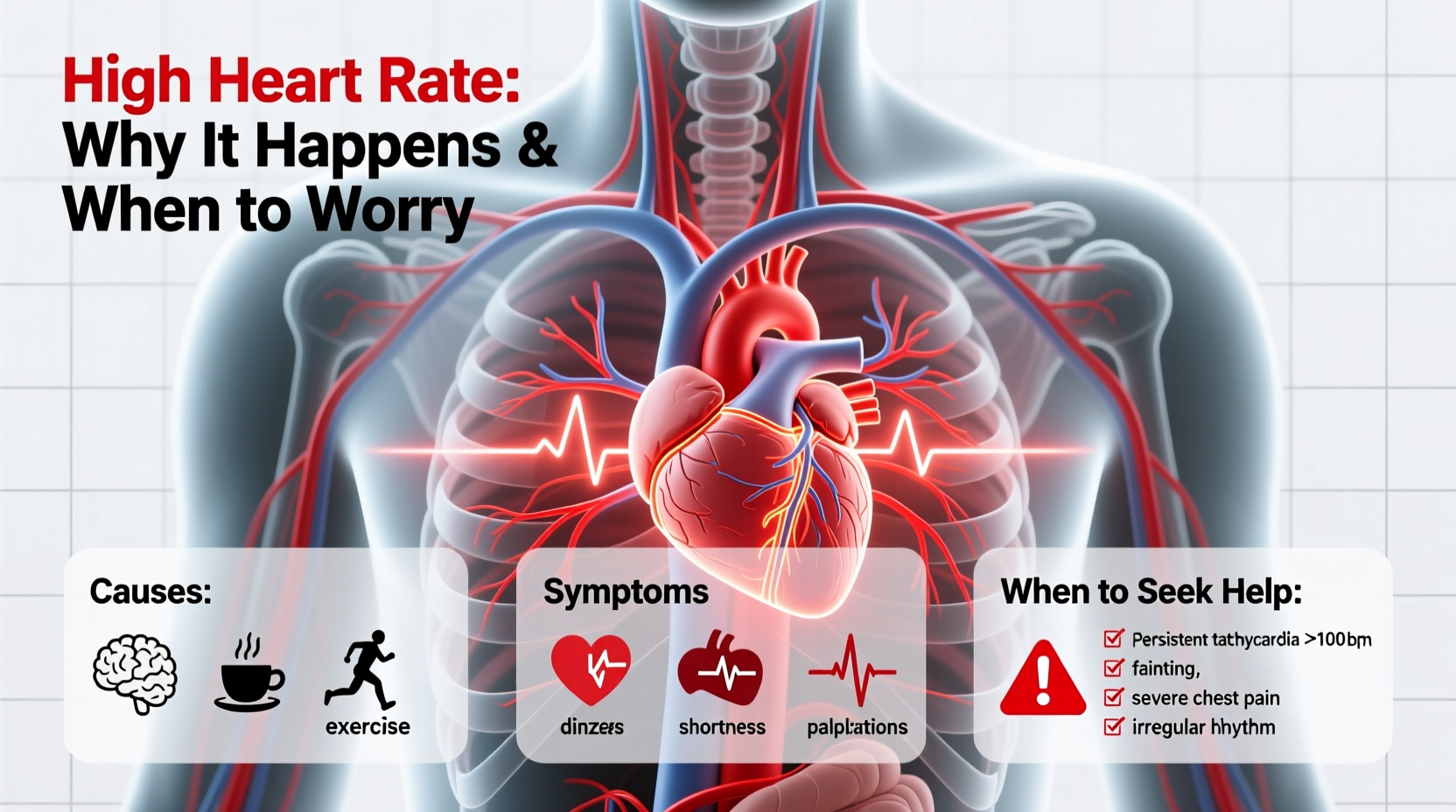
The average adult resting heart rate ranges between 60 and 100 beats per minute (bpm). Athletes or individuals with excellent cardiovascular fitness may have resting rates as low as 40–50 bpm, which is considered healthy due to stronger heart efficiency. However, anything consistently over 100 bpm at rest warrants attention.
Heart rate varies throughout the day based on activity level, emotional state, hydration, and even posture. A temporary increase after climbing stairs or receiving surprising news is expected. The concern arises when the heart races without cause—or fails to return to baseline after exertion.
Factors That Influence Resting Heart Rate
- Age and physical fitness
- Medications (e.g., asthma inhalers, decongestants)
- Caffeine, nicotine, and stimulant use
- Stress and anxiety levels
- Thyroid function
- Blood pressure and hydration status
Common Causes of High Heart Rate
Not all rapid heartbeats indicate serious illness. Many everyday factors can elevate your pulse temporarily. Recognizing these helps distinguish between benign fluctuations and potential red flags.
Physiological Triggers
Exercise, fever, pain, and strong emotions like fear or excitement naturally raise heart rate. These responses are controlled by the autonomic nervous system and typically resolve once the trigger passes.
Lifestyle Influences
Caffeine from coffee, energy drinks, or certain medications can stimulate the heart. Similarly, nicotine and recreational drugs like cocaine or amphetamines significantly increase cardiac output. Dehydration thickens blood and forces the heart to work harder, leading to higher rates.
Medical Conditions
Several health conditions contribute to sustained tachycardia:
- Anemia: Reduced oxygen-carrying capacity makes the heart pump faster to compensate.
- Hyperthyroidism: Excess thyroid hormone speeds up metabolism, including heart activity.
- Heart disease: Arrhythmias, heart failure, or prior heart attacks disrupt normal rhythm.
- Infections or sepsis: The body’s response to severe infection often includes rapid heart rate.
- Electrolyte imbalances: Low potassium or magnesium affect electrical signaling in the heart.
“Persistent tachycardia isn’t just a symptom—it can become a risk factor for stroke or heart failure if left untreated.” — Dr. Lena Patel, Cardiologist at Boston Heart Institute
When to Worry: Red Flags and Warning Signs
Occasional palpitations—feeling your heart flutter, skip, or race—are common and usually harmless. But certain symptoms suggest a more urgent issue requiring medical evaluation.
Symptoms That Demand Immediate Attention
- Chest pain or pressure lasting more than a few minutes
- Shortness of breath at rest or with minimal effort
- Dizziness, lightheadedness, or fainting
- Palpitations accompanied by sweating or nausea
- Heart rate exceeding 120–130 bpm at rest with no clear cause
If you experience any combination of these, especially if you have existing heart disease or diabetes, seek emergency care. Sustained rapid rhythms like atrial fibrillation or ventricular tachycardia can lead to clot formation, stroke, or sudden cardiac arrest.
| Situation | Normal Response? | Action Required |
|---|---|---|
| Heart rate of 110 after running | Yes | Monitor recovery; should normalize within 5–10 minutes |
| Resting heart rate of 115 with dizziness | No | Seek medical evaluation immediately |
| Occasional flutter after caffeine | Possibly | Reduce stimulants; monitor frequency |
| Frequent racing heart with fatigue | No | Consult doctor—possible arrhythmia or thyroid issue |
Real-Life Example: Sarah’s Experience with Undiagnosed Tachycardia
Sarah, a 38-year-old teacher, began noticing her heart racing during routine activities like grading papers or walking up one flight of stairs. She dismissed it as stress until she fainted during a parent-teacher meeting. At the ER, her heart rate was 142 bpm with no fever or obvious cause. Tests revealed hyperthyroidism—a condition where her overactive thyroid gland was driving her heart into chronic tachycardia. With medication and lifestyle adjustments, her heart rate stabilized within weeks. Her case underscores how non-cardiac conditions can manifest through heart symptoms and why early detection matters.
Step-by-Step Guide: What to Do If Your Heart Rate Is Too High
If you notice an unusually high heart rate, follow this sequence to assess and respond appropriately:
- Stay calm and sit down. Avoid standing or exertion to prevent worsening symptoms.
- Check your pulse. Use two fingers on your wrist or neck and count beats for 30 seconds, then multiply by 2.
- Note accompanying symptoms: Are you dizzy? Short of breath? In chest pain?
- Try vagal maneuvers: Gently cough, bear down as if having a bowel movement, or apply cold water to your face. These techniques may slow certain types of fast rhythms.
- Eliminate triggers: Stop caffeine, smoking, or intense activity. Hydrate if dehydrated.
- Seek help if: Heart rate remains above 100 after 15 minutes of rest, or if you feel unwell. Call a healthcare provider or go to the ER.
Prevention and Long-Term Management
Maintaining a healthy heart involves consistent habits. While some causes of tachycardia are unavoidable, many can be mitigated through proactive care.
Key Prevention Strategies
- Engage in regular aerobic exercise (e.g., brisk walking, swimming) to improve heart efficiency.
- Limit caffeine and avoid energy drinks or stimulant supplements.
- Practice stress-reduction techniques like deep breathing, meditation, or yoga.
- Stay well-hydrated, especially in hot weather or during illness.
- Take prescribed medications as directed, particularly for hypertension or thyroid disorders.
Checklist: Daily Habits for Heart Rate Stability
- ✅ Monitor morning resting heart rate weekly
- ✅ Limit caffeine to under 200 mg/day (~1–2 cups of coffee)
- ✅ Drink at least 6–8 glasses of water daily
- ✅ Practice 5 minutes of box breathing (inhale 4s, hold 4s, exhale 4s, pause 4s)
- ✅ Avoid alcohol binges and recreational drugs
- ✅ Schedule annual physical exams with ECG if recommended
Frequently Asked Questions
Can anxiety cause a high heart rate?
Yes. Anxiety activates the sympathetic nervous system, releasing adrenaline and increasing heart rate. Panic attacks often mimic heart attack symptoms, including rapid heartbeat, sweating, and shortness of breath. While not directly damaging the heart, chronic anxiety can strain cardiovascular function over time.
Is a high heart rate dangerous during pregnancy?
During pregnancy, heart rate can rise by 10–20 bpm due to increased blood volume and metabolic demands. This is generally safe. However, persistent rates above 100 bpm with dizziness or chest discomfort should be evaluated to rule out anemia, dehydration, or arrhythmias.
How is tachycardia diagnosed?
Doctors use tools like electrocardiograms (ECG), Holter monitors (24–48 hour wearable recorders), event monitors, and blood tests (for thyroid, electrolytes, or anemia). An echocardiogram may assess heart structure and function.
Conclusion: Listen to Your Heart—Literally
Your heart rate is a vital sign that reflects both physical and emotional well-being. While brief elevations are part of life, persistent or symptomatic tachycardia deserves attention. By understanding the causes, tracking patterns, and responding wisely, you protect not only your heart but your overall health. Don’t dismiss frequent palpitations as “just stress.” Early intervention can prevent complications and improve long-term outcomes.




 浙公网安备
33010002000092号
浙公网安备
33010002000092号 浙B2-20120091-4
Comments
No comments yet. Why don't you start the discussion?