
When you receive your complete blood count (CBC) report, one of the lesser-known but clinically significant values is the Mean Platelet Volume (MPV). While most people focus on red and white blood cells, platelets play a crucial role in clotting and inflammation. A high MPV indicates that your platelets are larger than average — and this can be an early signal of underlying health conditions. Understanding what this means empowers you to take informed action with your healthcare provider.
What Is MPV and Why Does It Matter?
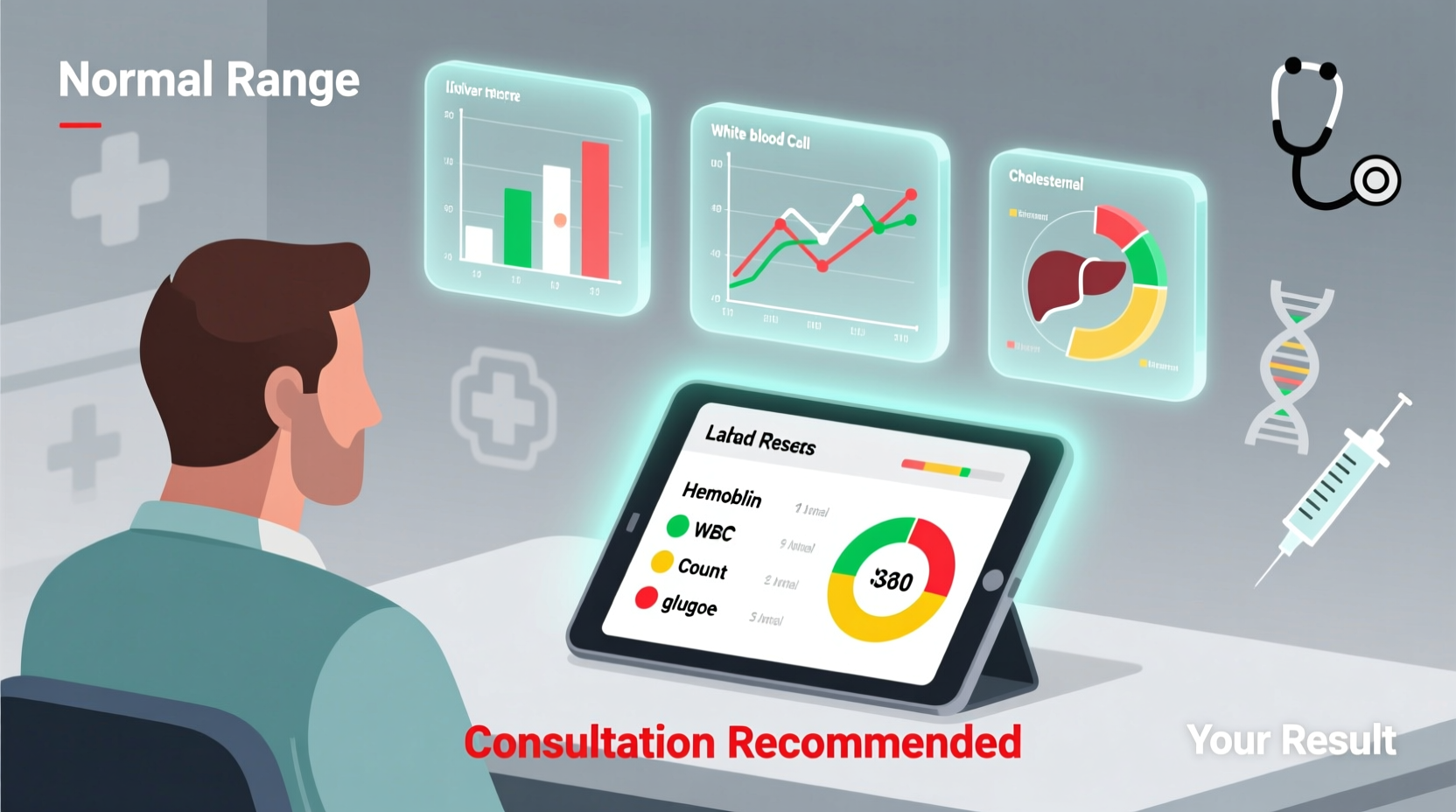
Mean Platelet Volume measures the average size of your platelets, expressed in femtoliters (fL). Larger platelets are generally younger and more active, indicating increased production in the bone marrow. Normal MPV ranges typically fall between 7.5 and 12.0 fL, though exact values may vary slightly depending on the lab.
A higher-than-normal MPV suggests that your body is producing more platelets, often in response to destruction, inflammation, or demand. Since larger platelets are more reactive and pro-thrombotic, elevated MPV has been linked to cardiovascular events, inflammatory diseases, and certain hematologic disorders.
“MPV is not just a number — it’s a dynamic marker of platelet activity and turnover. In clinical practice, we use it as a clue, especially when combined with platelet count and patient history.” — Dr. Alan Reyes, Hematology Specialist, Massachusetts General Hospital
Common Causes of High MPV
Elevated MPV rarely occurs in isolation. It usually appears alongside other CBC abnormalities or symptoms. Some of the most frequent causes include:
- Inflammation: Chronic conditions like rheumatoid arthritis, lupus, or inflammatory bowel disease can stimulate platelet production.
- Infections: Bacterial or viral infections increase platelet turnover, leading to larger, younger platelets.
- Bleeding or Hemolysis: After blood loss or red cell destruction, the bone marrow ramps up platelet production.
- Thyroid Disorders: Both hyperthyroidism and hypothyroidism have been associated with changes in MPV.
- Cardiovascular Disease: Studies show a correlation between high MPV and increased risk of heart attack or stroke due to heightened platelet reactivity.
- Essential Thrombocythemia: A rare bone marrow disorder causing overproduction of platelets, often with high MPV.
- Smoking and Obesity: Lifestyle factors that promote systemic inflammation and elevated MPV.
Interpreting MPV Alongside Platelet Count
The real diagnostic power of MPV comes from combining it with your platelet count. Here's how different combinations may point to specific conditions:
| Platelet Count | MPV Level | Possible Interpretation |
|---|---|---|
| Low | High | Increased platelet destruction (e.g., ITP, sepsis) |
| Normal or High | High | Increased production (e.g., recovery from infection, chronic inflammation) |
| High | Normal or High | Possible myeloproliferative disorder (e.g., essential thrombocythemia) |
| Low | Low or Normal | Decreased production (e.g., bone marrow suppression) |
This table illustrates why isolated MPV values should never be used for diagnosis. For example, a person recovering from dengue fever may show high MPV with low platelets — a sign of regenerating bone marrow. Conversely, someone with untreated celiac disease might have normal counts but persistently high MPV due to chronic gut inflammation.
Step-by-Step: What to Do If Your MPV Is High
Finding an elevated MPV on your blood test can be unsettling, but it doesn’t mean you have a serious illness. Follow this practical timeline to understand and address the result:
- Review the Full CBC: Check your platelet count, white blood cell levels, and hemoglobin. Are there other abnormalities?
- Assess Symptoms: Note any signs like easy bruising, prolonged bleeding, fatigue, joint pain, or recent infections.
- Consider Lifestyle Factors: Smoking, poor diet, sedentary habits, and obesity can all influence MPV.
- Repeat the Test: One abnormal result isn’t conclusive. Your doctor may order a repeat CBC in 4–6 weeks.
- Order Additional Tests: Depending on suspicion, tests may include CRP, ESR (inflammatory markers), thyroid panel, vitamin B12/folate, or iron studies.
- Consult a Specialist: If results remain abnormal or suggest a blood disorder, referral to a hematologist may be needed.
Real Example: Identifying Underlying Inflammation
Sarah, a 42-year-old teacher, had routine labs showing a platelet count of 150,000/μL (normal) but an MPV of 12.8 fL — above her lab’s reference range. She felt tired and had occasional joint stiffness but no major health issues. Her primary care physician ordered inflammatory markers, which revealed elevated CRP and ESR. Further testing confirmed rheumatoid arthritis in its early stages.
Because MPV was flagged, Sarah received an early diagnosis. Starting treatment before significant joint damage occurred improved her long-term prognosis. This case highlights how seemingly minor lab deviations can uncover serious conditions when interpreted thoughtfully.
Tips for Managing and Reducing High MPV
If your high MPV is linked to modifiable factors, lifestyle changes can help bring it into a healthier range:
- Quit smoking: Smoking increases platelet activation and MPV within weeks of use.
- Adopt an anti-inflammatory diet: Focus on whole grains, fatty fish, leafy greens, nuts, and berries. Limit processed foods and trans fats.
- Maintain a healthy weight: Adipose tissue produces inflammatory cytokines that affect platelet production.
- Control blood pressure and cholesterol: These factors contribute to endothelial damage and platelet activation.
- Manage stress: Chronic stress elevates cortisol and inflammatory markers, indirectly affecting MPV.
FAQ: Common Questions About High MPV
Can high MPV cause symptoms on its own?
No. Elevated MPV is a laboratory finding, not a condition. However, the underlying causes — such as inflammation or clotting disorders — may produce symptoms like fatigue, bruising, or chest pain.
Is high MPV dangerous?
Not necessarily. A mildly elevated MPV without other risk factors may pose minimal danger. However, consistently high MPV, especially with cardiovascular risk factors, may increase the likelihood of clotting events.
Can medications affect MPV?
Yes. Certain drugs like corticosteroids, anticonvulsants, and some antibiotics can influence platelet production and size. Always share your medication list with your doctor when reviewing blood work.
Conclusion: Take Control of Your Blood Health
Your blood test results are more than just numbers — they’re a snapshot of your body’s internal environment. A high MPV may seem minor, but it can be an early warning sign of inflammation, immune activity, or cardiovascular risk. By understanding what MPV means and how it interacts with other health markers, you position yourself to act early and prevent complications.
Don’t ignore subtle lab changes. Partner with your healthcare provider, ask questions, and advocate for follow-up when something stands out. Small insights today can lead to major health improvements tomorrow.




 浙公网安备
33010002000092号
浙公网安备
33010002000092号 浙B2-20120091-4
Comments
No comments yet. Why don't you start the discussion?