
When shopping for bed sheets, few numbers draw as much attention as thread count. Marketing campaigns have long pushed the idea that higher thread counts mean softer, more luxurious sleep — with some brands advertising counts exceeding 1,000. But is this number truly the best indicator of quality and comfort? Or are consumers being misled by a metric that often overshadows more important factors like fabric type, weave, and fiber integrity?
The truth is, while thread count plays a role in sheet performance, it’s far from the most critical factor when it comes to softness, durability, and overall feel. In fact, focusing solely on thread count can lead to poor purchasing decisions and overpaying for underperforming bedding. The real story lies in understanding how material type interacts with construction, and why cotton variety and finishing techniques often matter more than any number on the label.
Understanding Thread Count: What It Really Means
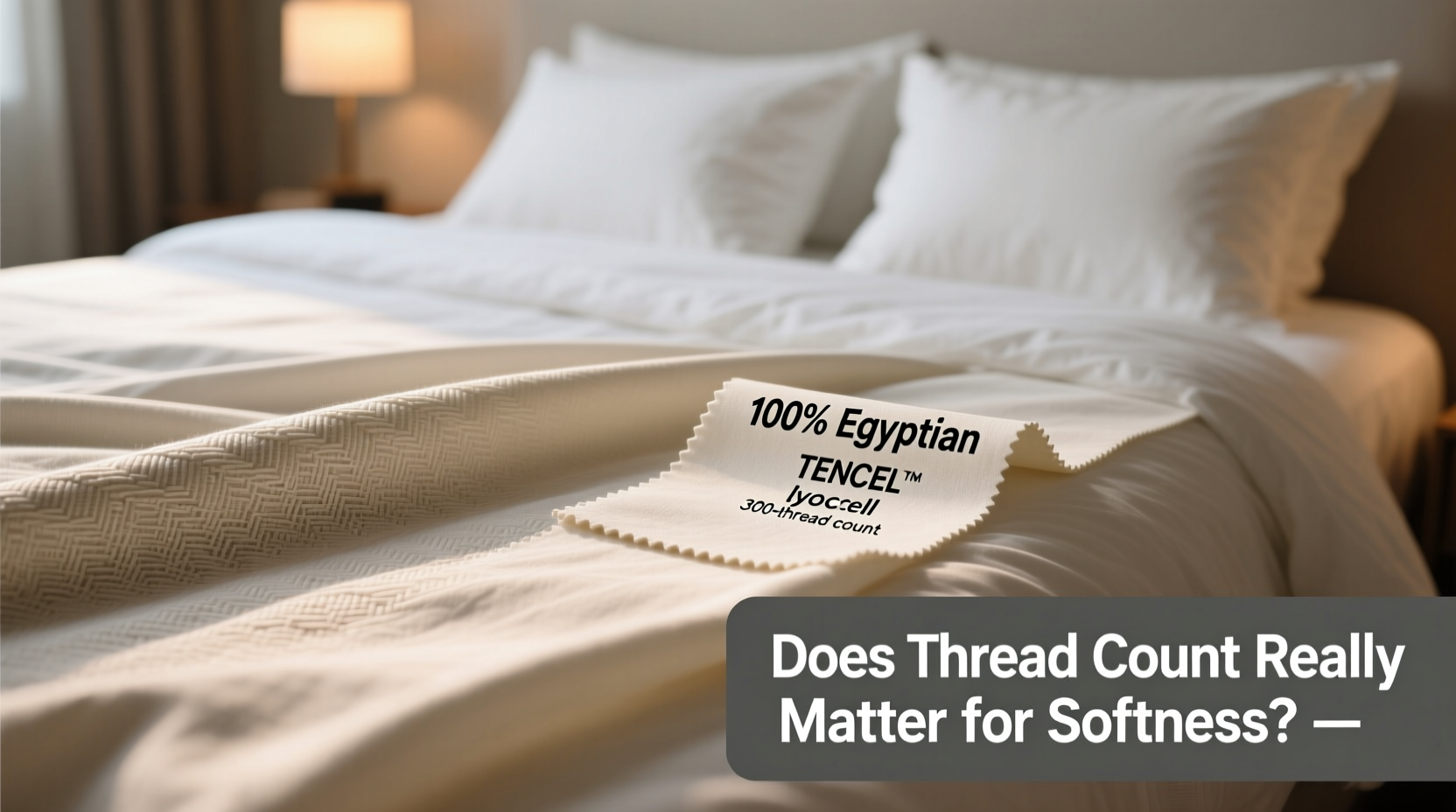
Thread count refers to the number of horizontal (weft) and vertical (warp) threads woven into one square inch of fabric. A sheet labeled as 300 thread count has 300 individual threads per square inch. On the surface, this seems straightforward — more threads should mean a tighter weave, greater softness, and improved durability.
However, the reality is more complex. Manufacturers can manipulate thread count in ways that don’t reflect true quality. For example, using multi-ply yarns — where multiple strands are twisted together to form a single thread — allows companies to inflate thread counts without improving softness or strength. A sheet made with 2-ply yarns at 500 thread count may actually perform worse than a 300-thread-count sheet made from high-quality single-ply fibers.
Moreover, there’s a physical limit to how many threads can be effectively woven into a square inch before the fabric becomes stiff and less breathable. Experts agree that beyond 400–500, additional thread count rarely improves comfort and may even degrade performance due to excessive density.
The Real Determinants of Softness: Material Type and Fiber Quality
If thread count isn’t the ultimate judge of softness, then what is? The answer lies primarily in the material used to make the sheets. Not all cotton is created equal — and some materials outperform others regardless of thread count.
Cotton Variety Matters: There are several types of cotton used in bedding, each with distinct characteristics:
- Combed Cotton: Standard quality; affordable but less soft and durable over time.
- Pima Cotton: Longer fibers (staples) result in smoother, stronger yarns. Resists pilling and feels significantly softer than regular cotton.
- Egyptian Cotton: Often considered the gold standard, especially when genuine. Known for its extra-long staple fibers, it produces silky, breathable, and highly durable fabric.
- Supima Cotton: A branded subset of Pima cotton grown in the U.S., certified for quality. Offers consistent softness and longevity.
Synthetic blends, such as polyester-cotton mixes, may feel soft initially but tend to trap heat, pill quickly, and lack breathability. Even if labeled with a high thread count, these sheets often fail to deliver long-term comfort.
“Thread count is just one piece of the puzzle. The type of cotton, how it’s spun, and how it’s woven are far more predictive of softness and durability.” — Dr. Laura Chen, Textile Scientist, University of Massachusetts Amherst
Comparing Materials vs. Thread Count: A Practical Breakdown
To illustrate how material often outweighs thread count, consider the following comparison of common sheet types under real-world conditions.
| Material Type | Typical Thread Count | Softness (Initial) | Softness (After 10 Washes) | Breathability | Durability |
|---|---|---|---|---|---|
| Regular Cotton Blend (Poly-Cotton) | 600–800 | Medium | Low (pills easily) | Poor | Fair |
| Combed Cotton | 300–400 | Good | Medium | Good | Good |
| Pima Cotton | 300–400 | Excellent | Excellent | Excellent | Very Good |
| Egyptian Cotton | 400 | Exceptional | Exceptional | Exceptional | Excellent |
| Bamboo Viscose | 300–400 | Very Soft | Good (may weaken over time) | Very Good | Fair |
This table reveals a crucial insight: a 400-thread-count Egyptian cotton sheet consistently outperforms an 800-thread-count poly-cotton blend in every category, including softness, breathability, and durability. The premium fiber quality compensates for — and often exceeds — the benefits of inflated thread counts.
Weave and Finishing: Hidden Factors That Influence Feel
Beyond material and thread count, the way sheets are woven and finished plays a major role in their softness and performance. Two of the most common weaves are percale and sateen — each offering a different tactile experience.
- Percale Weave: A one-over, one-under pattern that creates a crisp, cool, matte finish. Percale sheets are lightweight and breathable, ideal for hot sleepers. They tend to soften gradually with washing.
- Sateen Weave: A four-over, one-under structure that produces a smooth, lustrous surface with a silky hand-feel. Sateen feels richer and warmer, though it may be slightly less durable than percale due to increased friction on exposed yarns.
Finishing processes also affect softness. Some manufacturers use chemical softeners or silicon-based coatings to give sheets an instant plush feel. While this can be appealing at first, these treatments often wash out after a few cycles, leaving behind rougher fabric. Natural softening through repeated washing — especially with high-quality long-staple cotton — tends to produce longer-lasting comfort.
A Real-World Example: Sarah’s Sheet Upgrade
Sarah, a nurse working night shifts, struggled to sleep due to overheating and scratchy sheets. She bought a set of “luxury” 800-thread-count microfiber sheets on sale, expecting hotel-level comfort. Within weeks, the sheets felt clammy and began to pill. After researching alternatives, she switched to 400-thread-count Supima cotton percale sheets.
Though the thread count was lower, the difference was immediate. The new sheets were cool, breathable, and became noticeably softer after three washes. “I didn’t realize how much the material mattered,” Sarah said. “Now I sleep through the night without waking up sweaty. The texture is smooth but not slippery — exactly what I needed.”
Her experience reflects a broader trend: consumers who prioritize material over marketing numbers often report greater satisfaction and longer product life.
How to Choose the Right Sheets: A Step-by-Step Guide
Selecting the best sheets doesn’t require memorizing technical specs. Follow this practical approach to make an informed decision based on real comfort, not hype.
- Start with fiber type. Prioritize long-staple cotton (Pima, Supima, Egyptian), bamboo, or linen. Avoid synthetic blends unless budget is extremely tight.
- Check the ply. Opt for single-ply yarns when possible. Multi-ply threads inflate thread count without adding softness.
- Look at actual thread count. Ideal range: 300–500. Anything above 600 is likely misleading or uses multi-ply tricks.
- Choose the right weave. Pick percale for cool, crisp sheets; sateen for silky, warm ones.
- Read reviews with photos. Look for feedback after several months of use. Do they stay soft? Do they pill?
- Wash before use. High-quality cotton sheets soften significantly after the first wash. Don’t judge initial stiffness too harshly.
Quick Checklist: What to Look for on the Label
- ✅ 100% long-staple cotton (Pima, Supima, Egyptian)
- ✅ Thread count between 300–500
- ✅ Single-ply construction (if specified)
- ✅ Percale or sateen weave (based on preference)
- ❌ \"Microfiber,\" \"polyester blend,\" or vague terms like \"luxury cotton\"
- ❌ Thread counts above 600 without explanation
Frequently Asked Questions
Does thread count affect breathability?
Yes, but only up to a point. Extremely high thread counts (above 600) can create dense fabrics that restrict airflow, making sheets hotter and less comfortable, especially for warm sleepers. A moderate thread count with high-quality fibers and an open weave (like percale) offers the best breathability.
Are 1000-thread-count sheets worth it?
Almost never. Thread counts above 600 are often achieved using multi-ply yarns or deceptive counting methods. These sheets may feel heavy or stiff and offer no real advantage over well-made 400-thread-count sheets. In many cases, they perform worse due to reduced softness and breathability.
Do sheets get softer over time?
High-quality cotton sheets, especially those made from long-staple fibers, typically soften with each wash. Chemical finishes on cheaper sheets may wear off, revealing rougher fabric underneath. Natural fibers improve with proper care, while synthetics degrade faster.
Conclusion: Prioritize Material Over Marketing Hype
The obsession with thread count has obscured a simple truth: the softness and comfort of your sheets depend far more on what they’re made of than how many threads are woven into each square inch. A well-constructed 400-thread-count Egyptian cotton percale sheet will outperform a chemically treated, multi-ply 800-thread-count blend in every meaningful way — from touch and temperature regulation to longevity and sustainability.
As consumers become more informed, the market is slowly shifting toward transparency. Reputable brands now emphasize fiber origin, ethical sourcing, and weave quality instead of inflating numbers. By focusing on material, weave, and craftsmanship, you can make smarter choices that lead to deeper, more restful sleep — night after night.




 浙公网安备
33010002000092号
浙公网安备
33010002000092号 浙B2-20120091-4
Comments
No comments yet. Why don't you start the discussion?