
In the world of streetwear, terminology often blurs. \"Hip hop jacket\" and \"urban style jacket\" are used interchangeably in retail spaces, fashion blogs, and social media. But beneath the surface, are these labels describing distinct garments, or are they simply tools of branding designed to appeal to different consumer identities? The truth lies somewhere in between—rooted in history, shaped by culture, and amplified by marketing.
To understand the distinction—or lack thereof—it’s essential to trace the evolution of both terms, examine their design language, and recognize how global fashion has absorbed and redefined street culture. What began as a grassroots expression of identity in 1980s New York now influences runways from Paris to Seoul. And within that transformation, the lines between hip hop and urban style have become increasingly porous.
The Origins: Hip Hop Jackets as Cultural Armor
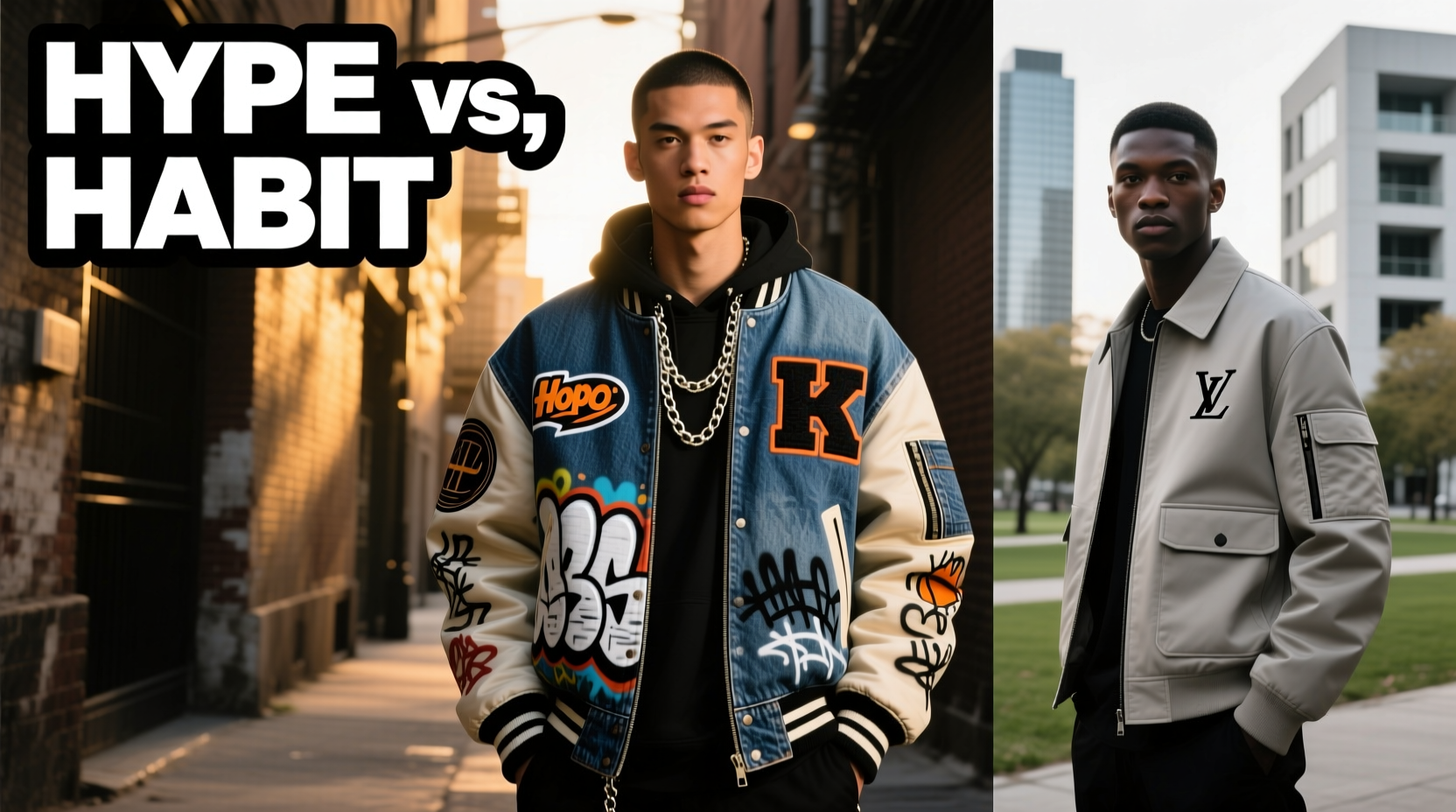
Hip hop jackets emerged not from fashion houses but from necessity and self-expression. In the late 1970s and early 1980s, young people in the Bronx and Brooklyn adopted oversized silhouettes, bold colors, and durable materials—parkas, bomber jackets, varsity letters, and track jackets—not because they were trendy, but because they served practical and symbolic purposes.
These garments offered protection from cold winters, space for layering, and room to carry essentials. More importantly, they became canvases for identity. Logos, team names, and hand-painted designs turned jackets into declarations of neighborhood pride, crew affiliation, or personal flair. A red Raiders jacket wasn’t just outerwear; it was allegiance. A custom-painted denim piece wasn’t merely clothing—it was art.
As hip hop culture spread globally through music, dance, and graffiti, so did its wardrobe. Brands like Fila, Adidas, and Pelle Pelle capitalized on this visibility, creating pieces specifically tailored to hip hop artists and fans. These weren’t “urban” yet—they were hip hop.
Urban Style: The Commercial Rebranding of Street Culture
By the late 1990s and early 2000s, retailers and marketers began using the term “urban” to describe clothing inspired by Black and Latino youth cultures. On the surface, it seemed inclusive—a way to categorize streetwear, sneakers, and relaxed fits under one umbrella. But critics argued the label was often a euphemism, distancing mainstream brands from the racial and socioeconomic roots of the styles they profited from.
An “urban style jacket” typically refers to any casual, functional outerwear with street-inspired aesthetics: hoodies with oversized pockets, water-resistant parkas, utility vests, or minimalist puffer jackets. Unlike the loud, logo-heavy designs of classic hip hop wear, urban style often leans toward muted tones, clean lines, and modular functionality—think Carhartt WIP or A.P.C. rather than LL Cool J in a gold-accented leather coat.
The shift reflects a broader trend: as streetwear gained legitimacy in high fashion, its most radical edges were smoothed for mass consumption. What was once rebellious became wearable in corporate environments—if styled subtly enough.
“Calling something ‘urban’ can erase its origin. When you sell a hoodie worn by rappers in the South Bronx as ‘urban minimalism’ in a downtown boutique, you’re repackaging culture without context.” — Marcus Bell, Cultural Historian & Streetwear Archivist
Design Comparison: Do They Even Look Different?
Visually, the differences between a hip hop jacket and an urban style jacket are often subtle—and sometimes nonexistent. Consider the following comparison:
| Feature | Hip Hop Jacket | Urban Style Jacket |
|---|---|---|
| Silhouette | Oversized, boxy, exaggerated proportions | Slim to relaxed fit, more tailored |
| Color Palette | Bold: red, yellow, black, metallics | Neutral: gray, beige, navy, black |
| Branding | Visible logos, patches, embroidery | Minimal branding, discreet labels |
| Materials | Leather, satin, nylon, vinyl | Cotton blends, technical fabrics, wool |
| Functionality | Style-first, expressive | Utility-focused, weather-resistant |
| Cultural Signifiers | Graffiti tags, team names, rap references | Absent or abstracted |
The table reveals a clear contrast in intent. Hip hop jackets are performative—meant to be seen, recognized, and remembered. Urban style jackets prioritize integration—designed to blend into city life without drawing attention. Yet in practice, a black oversized puffer with a small embroidered logo could be labeled either way, depending on the brand, price point, and marketing strategy.
Real Example: Two Jackets, One City
In 2023, two jackets appeared simultaneously on the streets of Chicago. One was a vintage 1995 Cross Colours denim jacket with bold red-and-yellow geometric patterns and the slogan “Clothes That Reflect Our Culture” stitched on the back. It belonged to a local DJ who wore it to performances and community events. The other was a black, quilted nylon jacket from a Scandinavian streetwear brand, marketed as “urban performance outerwear” with windproof seams and hidden pockets.
Both were functional. Both were stylish. But only one carried a direct lineage to hip hop’s legacy. The first was celebrated in a local museum exhibit on Black fashion. The second sold out online within hours, praised for its “minimalist urban aesthetic.”
This isn’t to say one is superior—but it highlights how marketing shapes perception. The same city, the same weather, the same need for warmth, yet vastly different narratives attached to similar garments.
Are the Differences Real or Just Marketing?
The answer is both. There are genuine historical and stylistic distinctions between traditional hip hop jackets and modern urban style interpretations. However, the fashion industry often exploits these differences—or invents them—to segment markets and justify premium pricing.
For example, a luxury brand may release a “limited urban collection” featuring oversized hoodies and bomber jackets that borrow heavily from 90s hip hop silhouettes, yet avoid any direct reference to the culture. Meanwhile, heritage hip hop brands struggle for shelf space in mainstream department stores, despite pioneering the looks now deemed “trendy.”
This selective appropriation underscores a larger issue: when cultural innovation becomes commercial product, authenticity gets diluted. The term “urban” acts as a catch-all that can honor diversity—or erase specificity.
Checklist: How to Identify the True Roots of Your Jacket
- Research the brand’s origins: Was it founded within hip hop communities or later inspired by them?
- Look for cultural references: Graffiti fonts, music tributes, or activist slogans suggest deeper connection.
- Assess the fit: Oversized, bold cuts often signal hip hop influence; streamlined fits lean toward urban minimalism.
- Check the marketing: Does the brand credit its inspirations, or treat the style as a neutral trend?
- Consider the price: High markup on culturally rooted designs without community investment raises ethical questions.
Frequently Asked Questions
Can a jacket be both hip hop and urban style?
Yes. Many modern jackets blend elements of both. A puffer with subtle branding and a slightly oversized cut might satisfy fans of hip hop aesthetics while fitting the urban style mold. The key is intention: does the design honor its roots, or merely mimic them?
Is “urban” still an appropriate term in fashion?
The term is increasingly criticized for being vague and racially coded. Many designers and retailers now prefer specific descriptors like “streetwear,” “workwear,” or “city-ready” to avoid reducing diverse cultures to a single label.
Do hip hop jackets have to be flashy?
No. While boldness is a hallmark of classic hip hop fashion, many wearers today opt for understated pieces that still reflect the culture—such as a simple tracksuit or vintage band jacket. Authenticity comes from context and connection, not volume.
Conclusion: Wear With Awareness
The divide between hip hop jackets and urban style jackets isn’t purely imaginary—but it’s also not absolute. One grows from lived experience and cultural resistance; the other often emerges from trend forecasting and market research. Recognizing this difference empowers consumers to make informed choices.
Whether you're drawn to the bold energy of hip hop outerwear or the sleek utility of urban design, consider the story behind the garment. Support brands that credit their influences, invest in communities, and respect the history behind the style. Fashion evolves, but memory matters.




 浙公网安备
33010002000092号
浙公网安备
33010002000092号 浙B2-20120091-4
Comments
No comments yet. Why don't you start the discussion?