
Keychains are more than just functional tools—they’re personal statements. Whether clipped to a bag, looped through a belt, or jingling in a pocket, they reflect taste, loyalty, or sentiment. Among the most popular styles today are horse-themed keychains and enamel keychains. But when comparing a classic horse-shaped metal keychain to a colorful enamel design, a critical question arises: Are enamel keychains actually more durable, or is their popularity driven purely by aesthetics?
This article breaks down the materials, construction methods, wear resistance, and long-term performance of both types. The answer isn’t as straightforward as “metal lasts longer”—because durability depends on how you use your keychain, what it’s made of, and how it’s finished.
Understanding the Basics: What Defines Each Keychain Type?
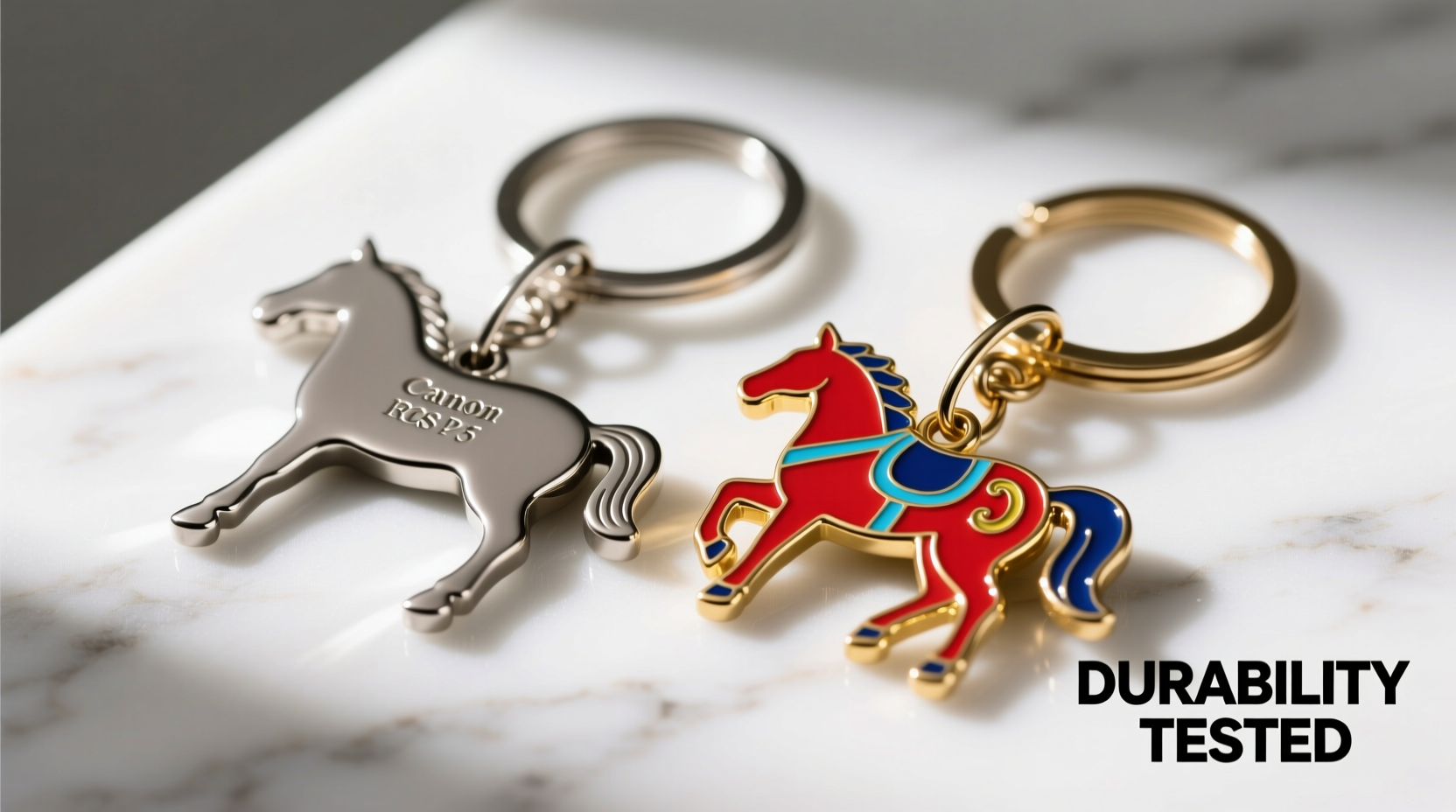
Horse keychains typically refer to figurine-style metal charms shaped like horses, often crafted from zinc alloy, stainless steel, or brass. These are usually polished, plated (e.g., gold, silver, or antique finishes), and sometimes hand-painted for detail. They appeal to equestrian enthusiasts, gift-givers, or those drawn to symbolic animal motifs.
Enamel keychains, on the other hand, feature a base metal (commonly iron, copper, or zinc alloy) with colored enamel—essentially powdered glass fused at high heat—filled into engraved areas. This gives them vibrant hues and crisp lines, making them ideal for logos, flags, or artistic designs. While not all enamel keychains depict horses, many combine equine themes with colorful detailing.
The key difference lies in surface composition: solid metal versus metal with a glass-based coating. That distinction shapes everything from scratch resistance to weather resilience.
Durability Face-Off: Material Strength vs. Surface Vulnerability
At first glance, a solid metal horse keychain seems inherently tougher. No coating to chip, no fill to fade. But real-world durability involves more than brute strength—it includes resistance to corrosion, scratching, fading, and structural fatigue.
Let’s examine each factor:
- Scratch Resistance: Solid metal keychains resist light abrasion better than enamel ones. Enamel, though hard, can chip if struck sharply against concrete or keys. A drop onto tile might leave a tiny flake missing from an enamel edge.
- Corrosion & Tarnish: Stainless steel horse keychains resist rust well. Zinc alloy versions may tarnish over time, especially in humid climates. Enamel provides a protective seal over its base metal, shielding it from moisture—so ironically, a well-made enamel piece may outlast a bare alloy horse charm in damp environments.
- Fade Resistance: Painted details on horse keychains can fade under UV exposure or friction. Enamel, being fired glass, doesn’t fade. Its colors remain vivid even after years of sun or pocket carry.
- Impact Resistance: Repeated knocks can dent soft metals, but enamel is brittle. If dropped frequently on hard surfaces, an enamel keychain may develop hairline cracks or corner chips.
Construction Quality Matters More Than Material
It’s tempting to generalize: “enamel = fragile,” “solid metal = tough.” But manufacturing quality overrides material assumptions. A poorly cast horse keychain with thin plating will degrade faster than a premium cloisonné enamel piece.
Consider these variables:
| Factor | Horse Keychain Risk | Enamel Keychain Risk |
|---|---|---|
| Poor Metal Alloy | Tarnishes quickly; may cause skin discoloration | Base corrodes if enamel cracks |
| Thin Plating | Wears off within months, revealing base metal | Less relevant—color is in enamel, not plating |
| Weak Joining (Ring/Split Ring) | Can snap under stress | Same risk—depends on ring quality, not charm type |
| Surface Finish | Paint chips easily if not sealed | Soft enamel scratches; hard enamel resists wear |
High-end enamel keychains use “hard enamel,” which is sanded flush with the metal border, creating a smooth, durable surface. “Soft enamel” has recessed color and a textured feel—more prone to dirt buildup and minor scuffing.
“Durability isn’t about the material alone—it’s about craftsmanship. I’ve seen $3 enamel pins last five years on a backpack, while a cheap horse charm turned green in six months.” — Daniel Ruiz, Industrial Designer & Accessory Consultant
Real-World Example: Two Keychains, One Year Later
Sophie, a college student and equestrian club member, carried two keychains daily: a brushed nickel horse charm and a custom enamel pin shaped like her team’s logo (a galloping horse with blue and gold enamel). Both were attached to her backpack zipper.
After one year:
- The horse keychain showed visible wear: the finish had dulled, minor scratches ran along the mane, and the bottom hoof developed a greenish tinge from moisture exposure during rainy commutes.
- The enamel keychain retained its color brilliance. One small chip appeared near the edge after being pried against a locker door, but the overall design remained intact and vibrant.
In this case, the enamel piece performed better in appearance retention despite minor physical damage. The solid metal piece aged faster due to inferior plating and lack of protective coating.
How to Choose Based on Your Lifestyle
Your daily routine should guide your choice. Durability needs vary depending on usage intensity, environment, and handling habits.
Here’s a quick checklist to help decide:
Choose a Horse Keychain If You:
- Prefer minimalist, solid-metal aesthetics
- Want a weighty, substantial feel
- Keep keys in a protected pocket or pouch
- Select high-grade stainless steel or brass versions
Choose an Enamel Keychain If You:
- Value color, detail, and artistic expression
- Live in a humid or coastal climate (enamel seals the metal)
- Want long-term vibrancy without fading
- Can accept minor chipping as part of character over time
Maintenance Tips to Extend Lifespan of Either Type
No keychain is indestructible, but proper care dramatically extends its life. Follow this simple maintenance routine:
- Monthly Cleaning: Wipe with a dry microfiber cloth. For grime, use a cotton swab dipped in rubbing alcohol (avoid soaking).
- Avoid Moisture Soak: Don’t leave in wet bags or washers. Dry immediately if exposed to rain or spills.
- Limit Sun Exposure: Prolonged UV rays can degrade adhesives and dull certain paints (though enamel remains stable).
- Inspect the Split Ring: Replace if bent or loose to prevent loss.
- Rotate Usage: Alternate between keychains to reduce constant wear on one piece.
FAQ: Common Questions About Keychain Longevity
Do enamel keychains chip easily?
High-quality enamel keychains resist chipping under normal use. However, sharp impacts—like dropping on tile or striking against metal—can cause edge flakes. Hard enamel is significantly more resilient than soft enamel.
Are horse keychains outdated or just niche?
They’re not outdated—they’ve evolved. Modern horse keychains come in sleek, minimalist designs favored by fashion-forward users, while traditional figurines remain popular in gift markets and equestrian circles.
Which lasts longer: enamel or metal-only keychains?
There’s no universal winner. A well-made stainless steel horse keychain can last decades with minimal care. A premium enamel piece with hard enamel and protective backing will also endure long-term use—especially in corrosive environments. The deciding factors are quality, care, and usage context.
Final Thoughts: Style and Substance Can Coexist
The debate between horse keychains and enamel keychains isn’t truly about durability versus style—it’s about understanding trade-offs. Enamel keychains aren’t just trendy novelties; their fused-glass finish offers real protection against fading and corrosion. Meanwhile, solid metal horse charms deliver timeless appeal and heft, but only maintain their look if made from quality alloys and properly cared for.
Ultimately, the most durable keychain is the one that fits your lifestyle, is built with care, and receives basic maintenance. Whether you choose a lustrous horse figurine or a vivid enamel emblem, prioritize craftsmanship over material myths.




 浙公网安备
33010002000092号
浙公网安备
33010002000092号 浙B2-20120091-4
Comments
No comments yet. Why don't you start the discussion?