
There’s a reason you wake up from a hotel stay feeling more rested — and it often has little to do with the bed itself. The pillow beneath your head plays a crucial role in comfort, support, and sleep quality. If you’ve ever noticed how effortlessly fluffy and supportive hotel pillows feel compared to your own at home, you’re not imagining things. The difference lies in material selection, construction, maintenance, and strategic design choices made by hospitality brands to ensure guest satisfaction.
This isn’t just about luxury for luxury’s sake. Hotel pillows are engineered to deliver consistent comfort across thousands of guests with different sleeping preferences. Understanding what sets them apart can help you upgrade your own sleep experience without booking a five-star suite.
The Anatomy of a Hotel Pillow: What Makes It So Fluffy?
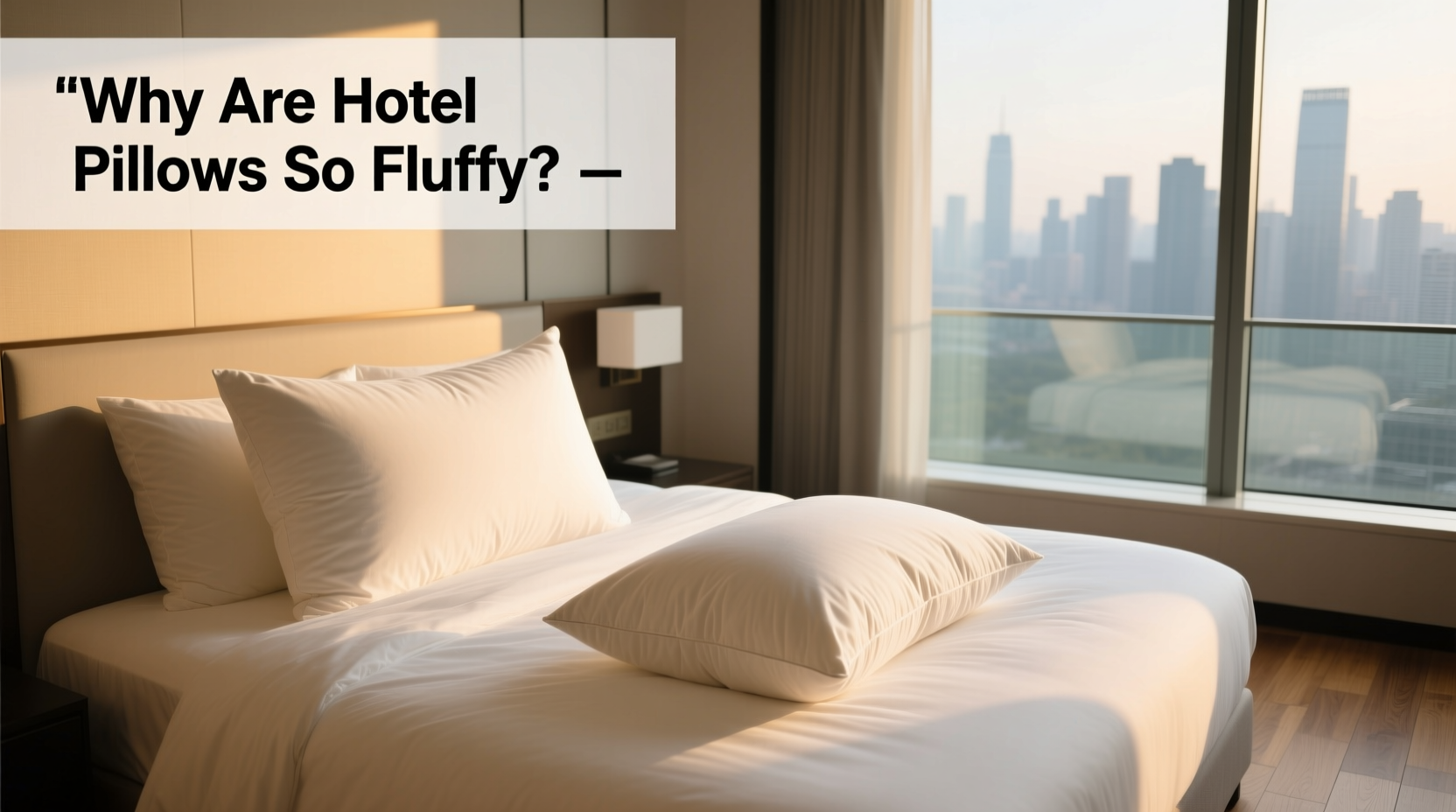
Hotel pillows are designed to create an immediate impression of plushness and comfort. But their fluffiness isn't accidental — it's the result of deliberate decisions in fill type, shell fabric, density, and layering.
Most high-end hotels use one of three primary fill types: down, down alternative (synthetic), or a hybrid blend. Down clusters — the soft underplumage of ducks or geese — are naturally lofty and resilient. They trap air efficiently, creating that signature cloud-like feel while still offering gentle support. Unlike feathers, which are flat and stiff, down expands and molds to the shape of your head and neck.
The outer shell also contributes significantly. Many hotel pillows use high-thread-count cotton casings with a tight weave that prevents leakage while allowing breathability. This combination keeps the filling evenly distributed and maximizes loft retention over time.
Why Regular Home Pillows Fall Short
Standard retail pillows sold in department stores often prioritize cost-efficiency over long-term comfort. While some premium options exist, many mass-market pillows use lower-grade synthetic fibers or low-fill-power down (measured in cubic inches per ounce). Fill power is critical: higher numbers mean greater loft and resilience.
A typical home pillow might have a fill power of 400–500, whereas luxury hotel pillows often exceed 700. That difference translates directly into how full and buoyant the pillow feels when you first lay down.
Additionally, home pillows are frequently compressed during shipping and packaging. Vacuum-sealed bags reduce volume but crush the delicate structure of down or memory foam, leading to prolonged recovery time — if full recovery happens at all.
Another factor is replacement frequency. Hotels rotate and replace pillows on strict schedules, often every six to twelve months depending on usage. At home, people tend to keep pillows for years, well beyond their functional lifespan. Over time, compression, moisture absorption, and dust accumulation degrade both hygiene and loft.
Material Comparison: Hotel vs. Home Pillows
| Feature | Hotel-Grade Pillows | Typical Home Pillows |
|---|---|---|
| Fill Type | High-fill-power down, down alternative, or hybrid | Polyester fiberfill, low-grade down, or basic memory foam |
| Fill Power | 650–900+ | 400–550 |
| Construction | Baffle box or double-stitched gusset | Sewn-through box or simple envelope closure |
| Fabric Quality | 230+ thread count cotton or cotton-blend sateen | Lower thread count polyester blends |
| Lifespan | Replaced annually or semi-annually | Kept 2–5 years on average |
| Maintenance | Regular professional laundering and fluffing | Infrequent washing, minimal fluffing |
The table illustrates key disparities that explain the sensory gap between hotel and home pillows. It's not just about initial quality — ongoing care amplifies the performance of hotel pillows over time.
How Hotels Maintain Pillow Freshness and Loft
Hotels don’t just buy expensive pillows and expect them to last. They implement rigorous care protocols that most households overlook. After each guest departure, linens and pillows go through industrial laundering processes using mild detergents and low-heat drying with large tennis balls or dryer balls to restore loft.
Drying is particularly important. Proper airflow during tumble drying helps re-expand compressed down clusters. Many home dryers lack the capacity or settings to achieve this effectively, especially when multiple items are dried together, restricting movement.
Some upscale properties even steam-treat pillows between uses to sanitize and refresh them without full washing, preserving fiber integrity. This level of attention ensures that every guest experiences the same \"just-fluffed\" sensation.
“Hospitality-grade pillows are maintained like fine upholstery — cleaned regularly, rotated systematically, and retired before performance declines.” — Daniel Ruiz, Textile Consultant for Luxury Resorts
How to Recreate the Hotel Pillow Experience at Home
You don’t need a housekeeping staff or commercial laundry equipment to enjoy plush, supportive pillows every night. With the right approach, you can closely mimic — or even surpass — the hotel standard.
Step-by-Step Guide to Achieving Hotel-Level Pillow Fluffiness
- Choose the Right Fill: Opt for high-fill-power down (700+) or a premium down alternative with resilient hollow fibers. Avoid cheap polyester fills that flatten quickly.
- Select Baffle Box Construction: This design uses internal fabric walls to maintain vertical structure, preventing fill from migrating and ensuring uniform loft.
- Use Breathable, High-Quality Shells: Cotton or cotton-sateen covers with a thread count above 230 enhance softness and durability while minimizing allergen retention.
- Fluff Daily: Shake and pat your pillow each morning to redistribute fill and reinflate compressed areas.
- Dry Monthly: Tumble dry on low heat with clean tennis balls or wool dryer balls for 20–30 minutes to restore volume and eliminate moisture buildup.
- Replace Proactively: Change pillows every 12–18 months, even if they appear intact. Performance degrades long before visible wear sets in.
Checklist: Building Your Ideal Sleep Stack
- ☐ Invest in two pillows: one firmer for support, one softer for fluff
- ☐ Use pillow protectors to reduce direct exposure to oils and sweat
- ☐ Wash pillowcases weekly; deep-clean pillows quarterly
- ☐ Store spare pillows in breathable cotton bags, not plastic
- ☐ Test different firmness levels to match your sleep position (side, back, stomach)
Real Example: Transforming a Guest Bedroom into a Mini Retreat
Sarah, a frequent traveler from Portland, noticed her guests consistently commented on how comfortable her guest room felt. She hadn’t spent extravagantly — instead, she applied insights from her stays at boutique hotels. She replaced her old polyester pillows with two medium-loft baffle-box down alternatives (one slightly firmer for back sleepers, one plusher for side sleepers), added hypoallergenic pillow protectors, and established a monthly fluff-and-dry routine.
She also placed a small card on the nightstand: “Pillows refreshed daily. For extra fluff, give them a quick shake!” The gesture, combined with genuinely plush bedding, made visitors feel cared for. Within months, friends began asking where she bought her pillows — proof that small upgrades yield noticeable results.
Frequently Asked Questions
Can I make my current pillows fluffier without buying new ones?
Yes, to an extent. Deep-clean them (if washable), then dry thoroughly with dryer balls. Sun-drying for a few hours can also help revive fibers. However, if your pillows are over two years old or don’t regain shape after fluffing, replacement is likely necessary.
Are down alternative pillows as good as real down in hotels?
Modern high-end down alternatives — especially those made with siliconized hollow polyester fibers — can closely mimic the softness and loft of real down. They’re ideal for allergy sufferers or those avoiding animal products. Just ensure they’re labeled “high-loft” and have reinforced stitching to prevent clumping.
Why do hotel pillows feel light yet supportive?
This balance comes from high fill power and proper construction. Premium down traps air efficiently, making the pillow feel weightless while still providing adaptive support. Sewn-through boxes compress fill too much, eliminating this effect. Baffle box designs preserve volume and responsiveness.
Final Thoughts: Elevate Your Sleep, One Pillow at a Time
The fluffiness of hotel pillows isn’t magic — it’s method. From superior materials to disciplined maintenance, every element is optimized for comfort and consistency. You don’t need a concierge to enjoy the same benefits. By upgrading your pillow selection, adopting better care habits, and replacing them on schedule, you can transform your bedroom into a sanctuary of restful sleep.
Start small: replace one pillow, establish a fluffing routine, and notice the difference. Once you experience true, lasting loft, you’ll wonder why you waited so long.




 浙公网安备
33010002000092号
浙公网安备
33010002000092号 浙B2-20120091-4
Comments
No comments yet. Why don't you start the discussion?