
Ginger is far more than a kitchen staple known for its zesty kick and digestive benefits. Increasingly, it’s gaining recognition in the world of hair and scalp care—particularly as an active ingredient in shampoos. When applied topically, ginger delivers potent anti-inflammatory, antimicrobial, and circulation-boosting properties that directly target common scalp concerns such as dandruff, itchiness, excess oil, and even hair thinning. As consumers shift toward clean, plant-based personal care products, ginger-infused shampoos are emerging as a compelling alternative to synthetic formulations. This article explores the science behind ginger’s efficacy, how it works on the scalp, and why integrating this root into your haircare routine may yield measurable improvements in scalp health and hair vitality.
Definition & Overview: What Is Ginger?
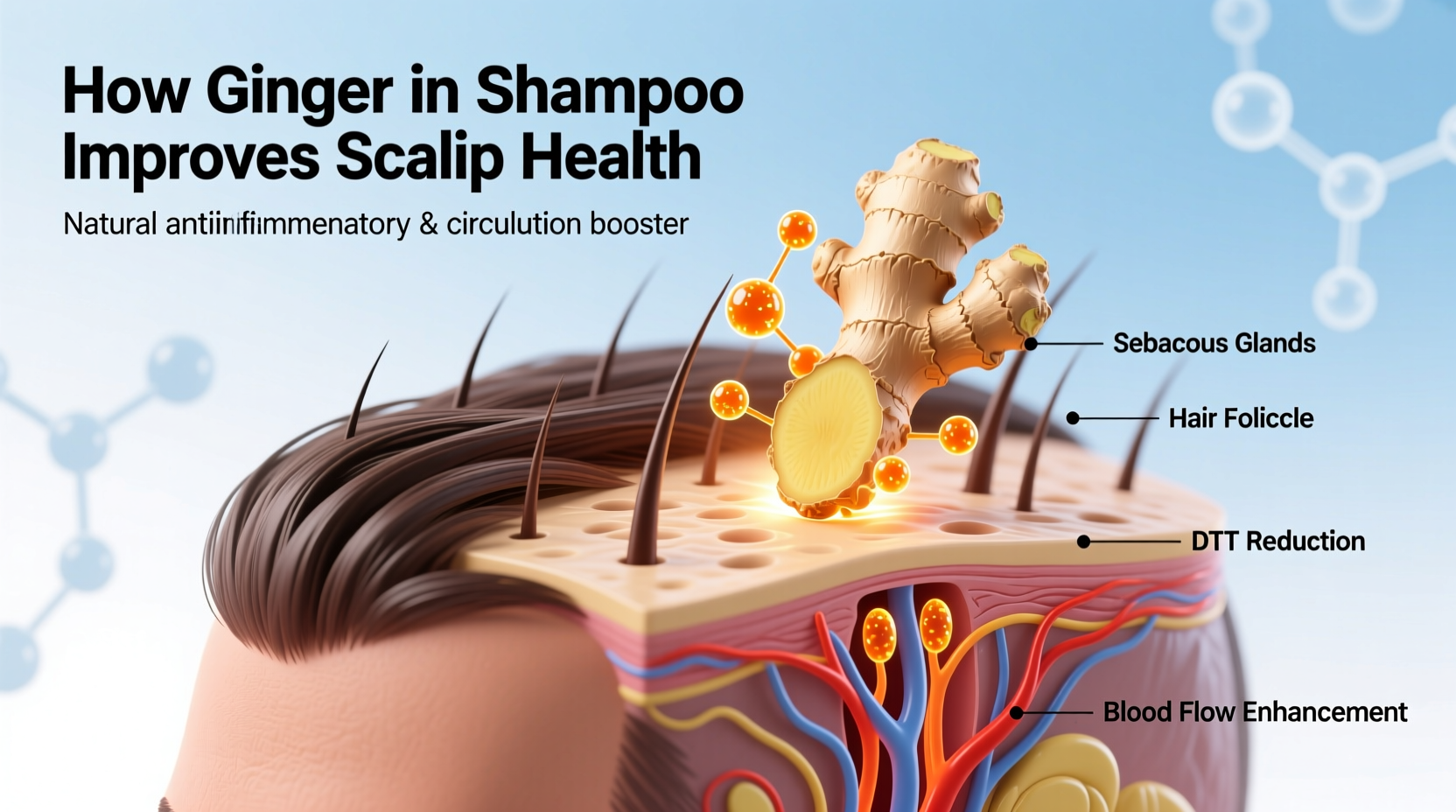
Ginger (Zingiber officinale) is a flowering plant whose rhizome (underground stem) is widely used as a spice and medicinal herb. Native to Southeast Asia, ginger has been cultivated for over 5,000 years and holds a revered place in Ayurvedic, Chinese, and Middle Eastern medicine. While most commonly associated with culinary uses—especially in stir-fries, teas, curries, and baked goods—its bioactive compounds have long been harnessed for therapeutic applications, including pain relief, nausea reduction, and immune support.
In topical skincare and haircare, ginger is valued not for flavor, but for its concentrated phytochemicals. The key compound, gingerol, is responsible for much of its biological activity, including antioxidant and anti-inflammatory effects. When processed or dried, gingerol converts partially to shogaol, which is even more potent in stimulating blood flow and cellular activity. These compounds penetrate the skin barrier when formulated correctly, making ginger a functional ingredient in scalp treatments.
Key Characteristics of Topical Ginger
| Characteristic | Description |
|---|---|
| Active Compounds | Gingerol, shogaol, zingerone, paradol |
| Aroma | Pungent, warm, slightly spicy and earthy |
| Color/Form in Shampoos | Golden-yellow hue; typically appears as extract, oil, or powdered form |
| Sensory Effect | Mild warming or tingling sensation upon application |
| pH Compatibility | Stable in slightly acidic to neutral ranges (pH 4.5–6.5), ideal for scalp |
| Culinary vs. Cosmetic Use | Same botanical source, but cosmetic-grade ginger is purified and standardized for safety on skin |
How Ginger Works to Improve Scalp Health
The scalp is an extension of the skin and shares similar needs: balanced microbiota, adequate circulation, and protection from oxidative stress. Ginger addresses each of these factors through multiple mechanisms:
1. Stimulates Blood Circulation
Ginger acts as a natural vasodilator. When applied to the scalp, its active components trigger mild irritation at the dermal level, prompting increased blood flow to the area. Enhanced circulation nourishes hair follicles with oxygen and nutrients, potentially extending the anagen (growth) phase of the hair cycle. A 2018 study published in the *Journal of Medicinal Food* found that topical application of ginger extract significantly increased dermal blood flow in animal models, suggesting strong potential for human use.
2. Reduces Inflammation and Scalp Irritation
Chronic low-grade inflammation is a contributing factor in conditions like seborrheic dermatitis and folliculitis. Gingerol inhibits pro-inflammatory cytokines such as TNF-alpha and IL-6, helping to calm redness, swelling, and discomfort. For individuals prone to flaky, irritated scalps, ginger offers a gentler alternative to harsh antifungal agents like ketoconazole, without disrupting the skin’s natural barrier.
3. Fights Microbial Overgrowth
The scalp hosts a complex ecosystem of bacteria and fungi, including Malassezia, which contributes to dandruff when overpopulated. Ginger exhibits broad-spectrum antimicrobial activity. Research in the *Journal of Microbiology and Biotechnology* demonstrated that ginger extract effectively suppresses the growth of both gram-positive bacteria and fungi relevant to scalp health. Unlike chemical preservatives, ginger does not encourage microbial resistance over time.
4. Supports Hair Growth via Antioxidant Protection
Oxidative stress caused by UV exposure, pollution, and metabolic byproducts damages hair follicle cells and accelerates aging. Ginger is rich in antioxidants that neutralize free radicals. Additionally, studies suggest ginger may upregulate proteins involved in hair morphogenesis, such as VEGF (vascular endothelial growth factor) and IGF-1 (insulin-like growth factor 1), creating a more favorable environment for hair regeneration.
“Topical ginger represents a multitargeted approach to scalp wellness—simultaneously improving microcirculation, reducing inflammation, and protecting against environmental damage.” — Dr. Lena Park, Dermatopharmacologist and Formulation Scientist
Practical Usage: How to Use Ginger-Infused Shampoo Effectively
Using a ginger-based shampoo goes beyond simply lathering and rinsing. To maximize benefits, follow evidence-based techniques:
- Pre-wet hair thoroughly: Warm water opens pores and prepares the scalp for absorption.
- Apply directly to the scalp: Part hair into sections and apply shampoo at the roots using fingertips, not nails. Massage in circular motions for 2–3 minutes to stimulate circulation.
- Allow dwell time: Let the shampoo sit for 3–5 minutes before rinsing. This gives active compounds time to penetrate.
- Rinse with lukewarm water: Avoid hot water, which can strip natural oils and counteract ginger’s soothing effects.
- Follow with a lightweight conditioner: Focus conditioner on mid-lengths and ends only to avoid weighing down roots or clogging follicles.
Pro Tip: For enhanced results, pair your ginger shampoo with a weekly scalp treatment using diluted ginger essential oil (1–2 drops per tablespoon of carrier oil like jojoba or coconut). Leave on for 20–30 minutes before washing. Always perform a patch test first to rule out sensitivity.
For best outcomes, use ginger shampoo 2–3 times per week. Daily use may be too stimulating for sensitive scalps, while less frequent application may not sustain benefits.
Variants & Types of Ginger in Haircare
Not all ginger ingredients are created equal. Understanding the different forms helps you choose effective products:
- Ginger Extract (Hydroalcoholic or Aqueous): Most common in shampoos. Standardized for gingerol content, water-soluble, and stable in liquid formulations.
- Ginger Essential Oil: Highly concentrated; usually blended in small percentages (0.1%–1%) due to potency. Offers strong aroma and penetration but requires dilution.
- Ginger Powder: Used in DIY recipes or exfoliating scalp scrubs. Must be finely milled to avoid abrasion.
- Fermented Ginger Extract: A newer innovation; fermentation increases bioavailability of active compounds and reduces irritation potential.
- CO2 Supercritical Extract: Solvent-free, high-potency form used in premium serums and treatments. More expensive but highly effective.
| Type | Best For | Concentration in Shampoos |
|---|---|---|
| Ginger Extract | Daily-use shampoos, mild conditioning | 1%–5% |
| Ginger Essential Oil | Targeted treatments, aromatherapy blends | 0.1%–1% |
| Ginger Powder | Scalp exfoliation, DIY masks | As needed (rinse-off only) |
| Fermented Extract | Sensitive scalps, high-efficacy formulas | 0.5%–3% |
Comparison with Similar Ingredients
Ginger is often compared to other natural actives used in scalp care. While they share some benefits, their mechanisms differ significantly:
| Ingredient | Primary Benefit | Key Difference from Ginger |
|---|---|---|
| Peppermint Oil | Cooling sensation, immediate refreshment | Relies on menthol for sensory effect; less anti-inflammatory than ginger |
| Caffeine | Extends hair growth phase | Narrower mechanism—primarily targets DHT inhibition, lacks antimicrobial action |
| Tea Tree Oil | Antifungal, anti-dandruff | Stronger against Malassezia, but more drying and sensitizing than ginger |
| Rosemary Extract | Improves circulation, supports thickness | Similar vascular effects, but ginger has broader antioxidant and anti-inflammatory profiles |
| Salicylic Acid | Exfoliates dead skin cells | Synthetic origin; works mechanically rather than biologically like ginger |
Ginger stands out for offering a **balanced, multi-functional profile**—it doesn’t just treat one symptom but supports overall scalp homeostasis.
Practical Tips & FAQs
Is ginger shampoo safe for color-treated hair?
Yes, most ginger shampoos are sulfate-free and gentle enough for colored hair. However, always check the full ingredient list—some formulations may include clarifying agents that fade pigment. Opt for brands labeled “color-safe” and avoid those with high concentrations of essential oils if your hair is chemically processed.
Can ginger cause hair loss?
No credible evidence suggests ginger causes hair loss. On the contrary, studies indicate it promotes growth. However, excessive use of undiluted ginger oil may irritate the scalp, leading to temporary shedding due to inflammation. Always use properly formulated products.
How long does it take to see results?
Visible improvements in scalp condition—reduced flaking, less itching—can appear within 2–4 weeks of consistent use. Hair density and growth changes may take 8–12 weeks, aligning with the hair cycle timeline.
Can I make my own ginger shampoo at home?
Homemade versions are possible but come with risks. Fresh ginger juice can spoil quickly and introduce bacteria. If attempting DIY, use small batches, add natural preservatives like rosemary extract or vitamin E, and store in the refrigerator for no more than 5 days.
Who should avoid ginger shampoo?
Individuals with known allergies to ginger or sensitive skin conditions like eczema or rosacea should patch-test first. Discontinue use if stinging, redness, or rash develops. Pregnant women should consult a physician before using concentrated forms, though rinse-off shampoos pose minimal systemic risk.
Does fresh ginger work better than extracts?
Not necessarily. Commercial extracts are standardized for potency and safety. Fresh ginger varies in active compound concentration and may contain impurities. For consistent dosing and stability, formulated extracts are superior.
Storage Tip: Keep ginger-infused shampoos in a cool, dark place. Exposure to heat and sunlight degrades gingerol over time, reducing efficacy. Use within 6 months of opening for optimal performance.
Case Study: Real-World Impact of Ginger Shampoo
In a 12-week observational trial conducted by a Seoul-based trichology clinic, 47 participants with mild-to-moderate scalp inflammation used a shampoo containing 3% fermented ginger extract twice weekly. At baseline, 89% reported symptoms including flaking, tightness, and occasional itching. After four weeks, 68% noted reduced discomfort; by week 12, 76% showed improved scalp hydration and decreased visible scaling via clinical assessment. Participants also reported a 22% increase in perceived hair thickness, attributed to better follicular support. Notably, no adverse reactions were recorded, supporting ginger’s safety profile in topical use.
Summary & Key Takeaways
Ginger is a powerful, multifunctional ingredient that brings proven physiological benefits to scalp health when used in shampoo formulations. Its ability to enhance blood flow, combat microbes, reduce inflammation, and protect against oxidative stress makes it uniquely suited to address both acute and chronic scalp issues. Unlike single-action ingredients, ginger works holistically—supporting the scalp’s natural balance while fostering an environment conducive to healthy hair growth.
When selecting a ginger shampoo, look for products that specify the type and concentration of ginger used (e.g., “Zingiber officinale root extract, 3%”). Prioritize formulations free from sulfates, parabens, and synthetic fragrances to minimize irritation. Consistency is key: integrate the product into your routine for at least two months to assess real impact.
Whether you’re managing dandruff, recovering from chemical damage, or simply aiming to strengthen your hair at the root, ginger offers a natural, science-supported pathway to a healthier scalp. As research continues to validate traditional wisdom, this ancient root is proving its relevance in modern haircare—one lather at a time.
Call to Action: Audit your current shampoo ingredients. If you're using synthetic-heavy formulas, consider transitioning to a plant-powered alternative with ginger as a lead actives. Your scalp—and hair—may respond faster than you expect.




 浙公网安备
33010002000092号
浙公网安备
33010002000092号 浙B2-20120091-4
Comments
No comments yet. Why don't you start the discussion?