
While many home cooks reach for lime juice when seeking a burst of citrus, few realize that the true powerhouse of flavor lies just beneath the surface—the zest. The outermost colored layer of the lime peel contains highly concentrated essential oils that deliver an intense, aromatic punch unmatched by juice alone. When used intentionally, lime zest can transform ordinary dishes into bright, complex culinary experiences. From enhancing savory curries to elevating delicate pastries, this overlooked ingredient adds depth, fragrance, and a clean acidity that balances richness and cuts through fat. Understanding how to harness its potential is not only simple but revolutionary for everyday cooking.
Definition & Overview
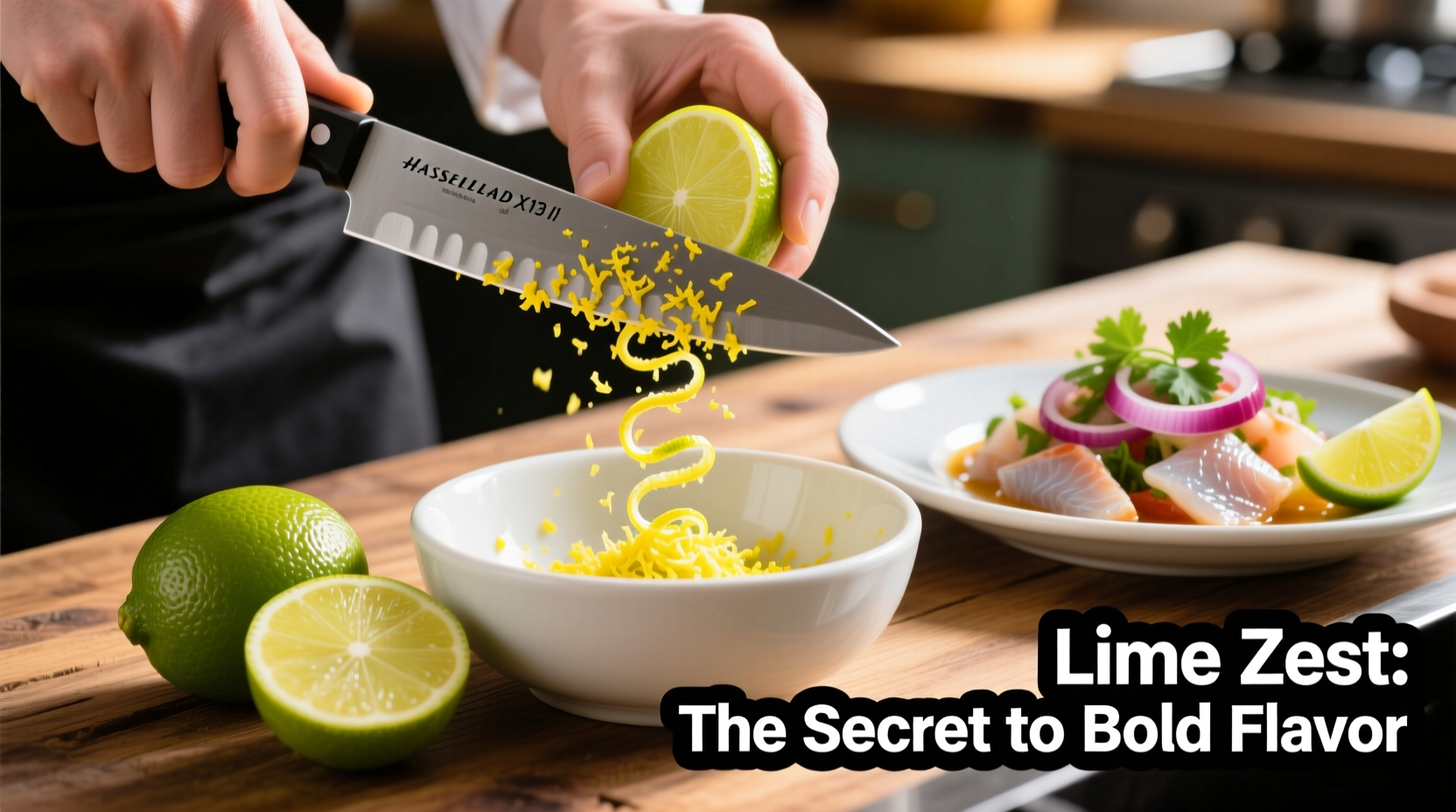
Lime zest refers to the thin, pigmented outer layer of the lime’s skin—technically called the flavedo—which houses volatile citrus oils responsible for most of the fruit’s aroma and flavor. Unlike the bitter white pith underneath (the albedo), the zest is intensely fragrant, tangy, and slightly floral, with sharp green-citrus notes and subtle herbal undertones. It is distinct from lime juice, which contributes acidity and liquid volume but lacks the aromatic complexity of the oils in the peel.
Limes—primarily Persian or Key limes—are tropical citrus fruits native to Southeast Asia, now cultivated globally in warm climates. While both types are used in cooking, Persian limes (larger, seedless, less acidic) are more common in supermarkets and yield more zest. The zest is typically removed using a microplane, fine grater, or zester before the fruit is juiced or discarded. Because it contains no water, zest integrates seamlessly into dry rubs, batters, spice blends, and sauces without altering texture or diluting flavors.
Key Characteristics
| Characteristic | Description |
|---|---|
| Flavor Profile | Bright, tangy, floral, with sharp citrus and faintly grassy notes; more aromatic than acidic. |
| Aroma | Potent citrus fragrance with hints of pine, green tea, and tropical fruit; dissipates quickly when exposed to heat or air. |
| Color/Form | Green to yellow-green fine shreds or powder; should never include white pith. |
| Culinary Function | Flavor enhancer, aromatic booster, natural preservative in spice mixes, emulsifier in dressings. |
| Shelf Life (Fresh) | Up to 3 days refrigerated in an airtight container; best used immediately. |
| Shelf Life (Dried/Frozen) | Dried: up to 6 months in dark glass; frozen: up to 1 year in sealed bag. |
Practical Usage: How to Use Lime Zest in Cooking
Lime zest functions as a finishing agent, seasoning base, or aromatic foundation depending on application. Its potency means small amounts go far—typically one teaspoon of zest per medium lime is sufficient for most recipes. Because the essential oils degrade with prolonged heat, timing and method matter significantly.
Savory Applications
In savory dishes, lime zest amplifies umami and brightens heavy ingredients. It works exceptionally well in:
- Marinades and Rubs: Combine 1 tsp lime zest with cumin, coriander, garlic, and chili powder for grilled fish or chicken. The oils penetrate proteins faster than juice, imparting deeper flavor.
- Ceviche and Cured Fish: Fold finely grated zest into raw seafood preparations after citrus \"cooking\" is complete to preserve freshness and add top-note brightness.
- Grain Bowls and Salads: Stir into cooked rice, quinoa, or couscous just before serving. Pairs especially well with black beans, avocado, and cilantro.
- Sauces and Dressings: Whisk into vinaigrettes, crema, or tahini sauces. The oil helps stabilize emulsions while adding zing.
- Curries and Stews: Add at the end of cooking to lift rich coconut-based dishes like Thai green curry or Yucatecan cochinita pibil.
Sweet Applications
In baking and desserts, lime zest provides balance without excessive sourness. It enhances sweetness rather than masking it.
- Cakes and Muffins: Cream zest into butter and sugar before adding eggs—a technique that captures oils in fat for even distribution.
- Custards and Curds: Infuse warm milk or cream with zest for key lime pie filling or crème brûlée. Strain before cooling.
- Frostings and Glazes: Mix into buttercream or powdered sugar glaze for citrus cookies or bundt cakes.
- Sorbets and Granitas: Blend into syrup base before freezing to maintain aromatic intensity.
Pro Tip: To maximize oil extraction, press the lime firmly against a microplane and rotate as you grate. Avoid the pith by stopping once white appears. For larger quantities, freeze whole limes and zest directly from frozen—this reduces moisture release and prevents clumping.
Variants & Types of Lime Zest
Not all lime zest is created equal. The type of lime affects flavor intensity, oil concentration, and culinary suitability.
| Type | Source Lime | Flavor Notes | Best Uses |
|---|---|---|---|
| Fresh Grated | Persian or Key lime | Bright, clean, immediate aroma | All applications where peak freshness matters |
| Dried Zest | Dehydrated peel (often commercial) | Muted, earthier, slightly woody | Spice blends, long-cooked stews, rubs |
| Lime Powder | Spray-dried juice + zest | Acid-forward, less aromatic | Tacos, snacks, seasoning salts |
| Candied Zest | Preserved in sugar syrup | Sweet-tart, chewy, floral | Desserts, garnishes, confections |
| Lime Oil (Essential) | Cold-pressed zest | Extremely potent, perfumed | Pastry, cocktails, aromatherapy (use sparingly) |
For daily cooking, fresh grated zest remains the gold standard. Dried versions are convenient but lose up to 70% of volatile compounds during dehydration. Lime oil, while powerful, must be food-grade and used in drops—one drop equals approximately 1/4 tsp of fresh zest.
Comparison with Similar Ingredients
Lime zest is often confused with other citrus components or substitutes. Understanding the differences ensures accurate use.
| Ingredient | Difference from Lime Zest | When to Substitute |
|---|---|---|
| Lime Juice | Provides acidity and liquid; lacks aromatic oils | Never interchangeable—use together for full flavor |
| Lemon Zest | More tart, less floral, sharper acidity | Acceptable in emergencies, but alters profile |
| Grapefruit Zest | Bitter, bold, lower in citric oil | Only in robust dishes like grilled meats |
| Lemongrass | Grassy, perfumed, fibrous; requires mincing | Asian dishes where herbal note dominates |
| Citric Acid Powder | Chemical sourness only; zero aroma | Preservation or pH adjustment, not flavoring |
“Zest isn’t just flavor—it’s memory. That first whiff of freshly grated lime brings people back to summer nights, street food markets, oceanside meals. It’s emotional seasoning.” — Chef Elena Torres, Culinary Director, Coastal Institute
Practical Tips & FAQs
How much zest does one lime yield?
A medium Persian lime yields about 1 teaspoon of finely grated zest. Larger limes may give up to 1.5 tsp. Always zest before juicing to avoid slippery hands.
Can I use organic limes only?
Strongly recommended. Conventional limes are often waxed and treated with pesticides. Organic peels are safer for consumption and typically have thinner rinds, making them easier to zest.
What if I don’t have a microplane?
A box grater (using the finest side) works, but risks removing too much pith. A vegetable peeler can remove strips, which should then be finely minced. Avoid blenders or food processors—they crush instead of grate.
How do I store leftover zest?
Place in an airtight container and refrigerate for up to 3 days. For longer storage, spread on parchment and freeze for 1 hour, then transfer to a sealed bag and keep for up to 12 months. Do not thaw before use.
Is lime zest safe for everyone?
Yes, in culinary amounts. However, lime oil contains furocoumarins, which can cause phytophotodermatitis (skin sensitivity to sunlight) in extreme cases—relevant mainly for bartenders or chefs handling large volumes daily.
Can I substitute bottled lime juice with zest?
No. They serve different purposes. Bottled juice lacks freshness and aroma; zest cannot replace acidity or liquid. Use fresh-squeezed juice and zest together whenever possible.
Does cooking destroy lime zest flavor?
Prolonged heat evaporates volatile oils. For maximum impact, add zest at the end of cooking or fold in just before serving. In baked goods, incorporate early to allow dispersion but accept some aroma loss.
Which dishes benefit most from lime zest?
Top performers include:
- Seafood tacos with cabbage slaw
- Creamy polenta with shrimp
- Thai basil chicken
- Coconut rice pudding
- Lime bars or meringue pies
- Avocado toast with radish
- Margaritas (rub rim with zest before salting)
Mini Case Study – Restaurant Technique: At Mesa Verde, a farm-to-table restaurant in Oaxaca, chefs infuse clarified butter with lime zest over low heat for 10 minutes, then strain. This \"limonada butter\" is drizzled over grilled octopus and roasted squash, delivering intense citrus aroma without bitterness. The technique preserves oils while avoiding pith contamination.
Summary & Key Takeaways
Lime zest is a transformative ingredient that unlocks layers of flavor inaccessible through juice alone. Its concentrated citrus oils provide aromatic brilliance, cutting richness and enhancing both sweet and savory dishes. Used correctly, it elevates everything from marinades to desserts with minimal effort.
- Lime zest is the colored outer peel containing essential oils—distinct from juice or pith.
- It delivers intense, floral-citrus flavor and should be added late in cooking to preserve aroma.
- Fresh grated zest from organic limes is ideal; dried or frozen forms offer convenience with trade-offs.
- Never substitute juice for zest—they perform different roles in flavor development.
- Store properly to extend shelf life: freeze for long-term use, refrigerate short-term.
- Pair with fats, herbs, seafood, tropical fruits, and spices like cumin and chili for balanced profiles.
Integrating lime zest into regular cooking habits represents a small change with outsized rewards. By treating the peel as a primary ingredient—not waste—home cooks gain access to professional-level depth and vibrancy. The next time you reach for a lime, remember: the real magic starts on the outside.
Start small—one dish, one teaspoon—and taste the transformation.




 浙公网安备
33010002000092号
浙公网安备
33010002000092号 浙B2-20120091-4
Comments
No comments yet. Why don't you start the discussion?