
Cocaine is a powerful stimulant derived from the coca plant, known for its short-lived euphoric effects and high potential for abuse. While the high may last only 15 to 30 minutes, the drug’s metabolites can linger in the body far longer—long enough to be detected by various drug tests. Understanding how long cocaine stays in your system is critical for individuals facing employment screenings, legal requirements, or personal health monitoring. Detection time depends on multiple variables, including the type of test used, frequency of use, metabolism, and overall health.
Detection Windows by Test Type
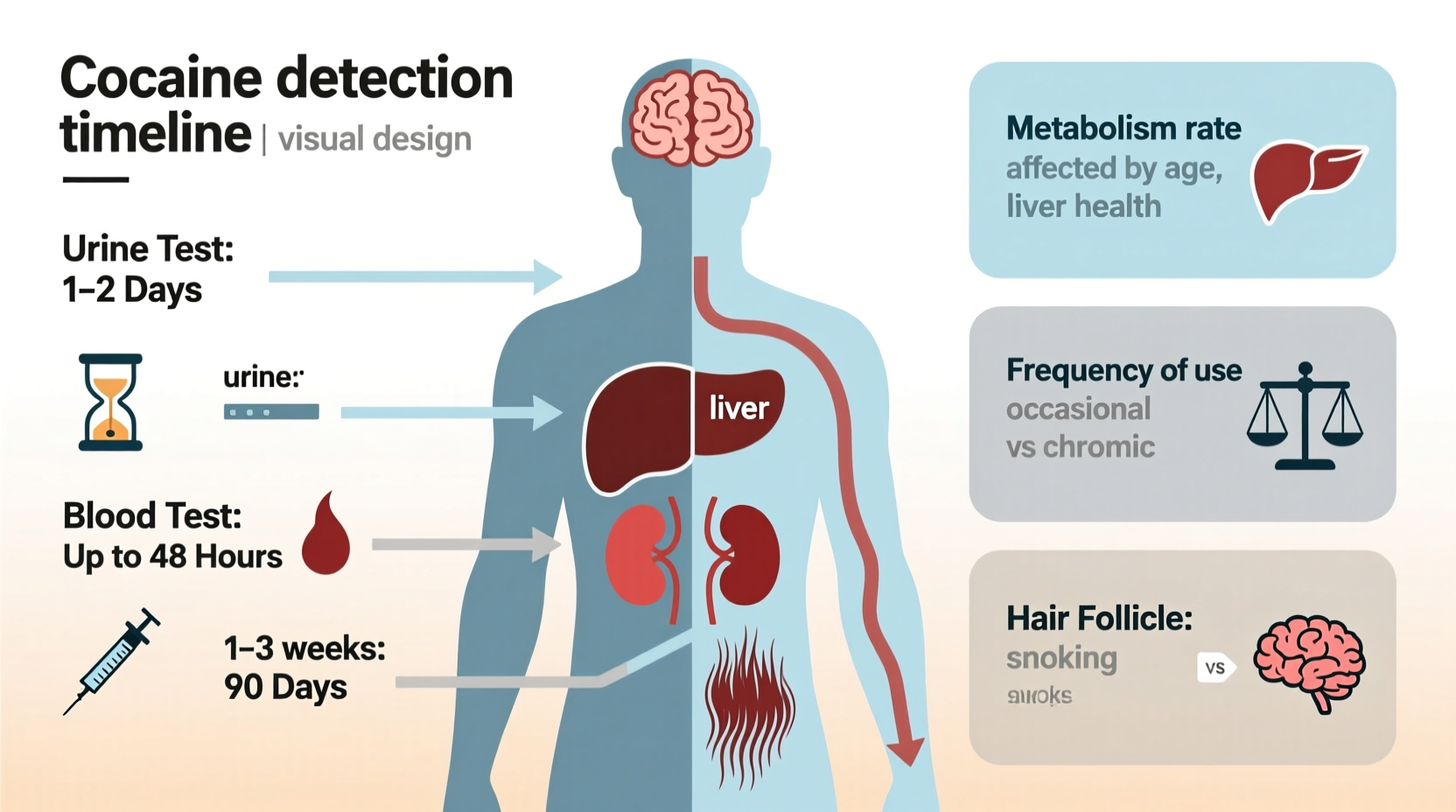
Different testing methods detect cocaine and its primary metabolite, benzoylecgonine, at varying intervals after use. Each method has unique sensitivity, accuracy, and detection window.
| Test Type | Typical Detection Window | Notes |
|---|---|---|
| Urine Test | 2–4 days (occasionally up to 2 weeks) | Most common; detects benzoylecgonine |
| Blood Test | 12 hours to 2 days | Short window; used in acute medical cases |
| Saliva Test | 1–2 days | Non-invasive; reflects recent use |
| Hair Follicle Test | Up to 90 days | Detects long-term patterns; not for immediate use |
Urine testing remains the standard for most workplace and legal drug screenings due to its cost-effectiveness and reliability. Cocaine metabolites typically appear in urine within 2–4 hours of use and may remain detectable for several days. Chronic users often test positive for up to two weeks due to metabolite accumulation.
How the Body Processes Cocaine
After ingestion, cocaine is rapidly absorbed into the bloodstream. The liver metabolizes about 70% of the drug into inactive compounds, primarily benzoylecgonine and ecgonine methyl ester. These metabolites are more stable than cocaine itself and are what most drug tests target.
The half-life of cocaine is approximately 1 hour, meaning it takes about an hour for half of the ingested dose to be eliminated. However, benzoylecgonine has a much longer half-life—up to 6 hours—and can persist in urine significantly longer. Complete clearance depends on individual physiological factors and usage patterns.
“Even occasional use can result in detectable levels for several days. For heavy users, metabolites may accumulate in fat tissues and release slowly over time.” — Dr. Alan Peterson, Clinical Toxicologist
Factors That Influence Detection Time
No single timeline applies universally. Several biological and behavioral factors affect how long cocaine remains detectable:
- Frequency of Use: Occasional users may clear the drug in 2–4 days, while chronic users can test positive for 10–14 days or longer.
- Dose and Purity: Higher doses and purer forms increase metabolite concentration and extend detection windows.
- Metabolism: Individuals with faster metabolic rates tend to eliminate substances more quickly.
- Body Mass and Fat Content: Cocaine metabolites can bind to fatty tissues, leading to slower release and prolonged detection, especially in individuals with higher body fat.
- Liver and Kidney Function: Impaired organ function slows detoxification and excretion.
- Hydration and Urine pH: Acidic urine accelerates elimination, while alkaline urine prolongs detection. Overhydration may dilute urine but can trigger retesting.
Real-Life Example: A Case of Unexpected Positive Result
James, a 32-year-old office worker, used cocaine recreationally at a friend’s wedding—a single instance after more than a year of abstinence. He believed he’d be clean by his scheduled pre-employment drug test one week later. However, his urine test came back positive. Despite infrequent use, his body mass and moderate hydration levels contributed to a slower-than-expected clearance. The lab confirmed benzoylecgonine levels above the 150 ng/mL cutoff. This case underscores that even isolated use can lead to detectable results beyond the typical 4-day window, particularly in individuals with slower metabolic profiles.
Step-by-Step: What Happens After Using Cocaine?
Understanding the timeline of cocaine processing helps contextualize detection periods:
- 0–30 minutes: Peak effects—elevated mood, energy, alertness. Cocaine concentration in blood is highest.
- 1–2 hours: Drug effects diminish. Initial metabolism begins in the liver.
- 2–4 hours: Metabolites appear in urine. First opportunity for detection via urine test.
- 12–24 hours: Cocaine is mostly gone from blood, but benzoylecgonine levels peak in urine.
- Day 2–4: Most occasional users will test negative by day 4 if no further use occurs.
- Day 5–14: Chronic users may still show positive results due to metabolite buildup.
- Up to 90 days: Hair tests can identify use patterns through segmental analysis of hair shafts.
Common Misconceptions and Myths
Many people rely on myths when trying to beat a drug test. These strategies are unreliable and potentially dangerous:
- Drinking vinegar or lemon juice: No scientific evidence supports altering urine pH safely or effectively without detection.
- Using niacin (vitamin B3): Claimed to “flush” toxins, but studies show it doesn’t impact cocaine metabolite clearance and can cause liver damage.
- Substituting urine: Most modern tests include temperature checks and adulteration panels, making this risky and easily detectable.
Frequently Asked Questions
Can secondhand exposure to cocaine cause a positive test?
In rare cases, passive inhalation in enclosed spaces with heavy use might produce trace amounts, but these are typically below standard cutoff levels (e.g., 150 ng/mL for benzoylecgonine). Confirmed positives require direct use.
Does exercise help clear cocaine faster?
Exercise may temporarily increase metabolite release from fat stores, potentially raising urine concentrations. While physical activity supports overall metabolism, it does not reliably shorten detection time and could backfire before a test.
Are home drug tests accurate?
Home tests can provide preliminary results but vary in sensitivity. False negatives occur, especially if timing or concentration is borderline. Confirmatory lab testing (GC/MS) is required for definitive results.
Checklist: Preparing for a Drug Test After Cocaine Use
- Assess your last use date and frequency of consumption.
- Determine the likely test type (urine, saliva, hair).
- Allow at least 72 hours for occasional use; up to two weeks for regular use.
- Maintain normal hydration—avoid excessive water intake.
- Do not attempt unproven detox products or adulterants.
- Consult a healthcare provider if concerned about health impacts or test outcomes.
Conclusion
The detectability of cocaine in the body varies widely based on biological, behavioral, and methodological factors. While urine tests typically catch use within 2–4 days, hair testing can reveal patterns spanning months. There is no guaranteed way to speed up elimination, and attempts to cheat tests carry serious risks. The most reliable strategy is informed awareness and responsible decision-making. If you're navigating recovery, employment screening, or personal accountability, understanding these timelines empowers better choices.




 浙公网安备
33010002000092号
浙公网安备
33010002000092号 浙B2-20120091-4
Comments
No comments yet. Why don't you start the discussion?