
Losing facial fat is one of the most commonly sought-after aesthetic goals—especially for those aiming for sharper jawlines, more defined cheekbones, or a slimmer overall facial profile. But unlike spot-reducing fat from other areas of the body, you can't simply \"work out\" your face to shed fat in that region. Facial fat loss is tied directly to overall body composition, lifestyle habits, and genetics. So, how long does it actually take to see visible changes? The answer varies, but understanding the process can help set realistic expectations and guide effective strategies.
The Science Behind Facial Fat Loss
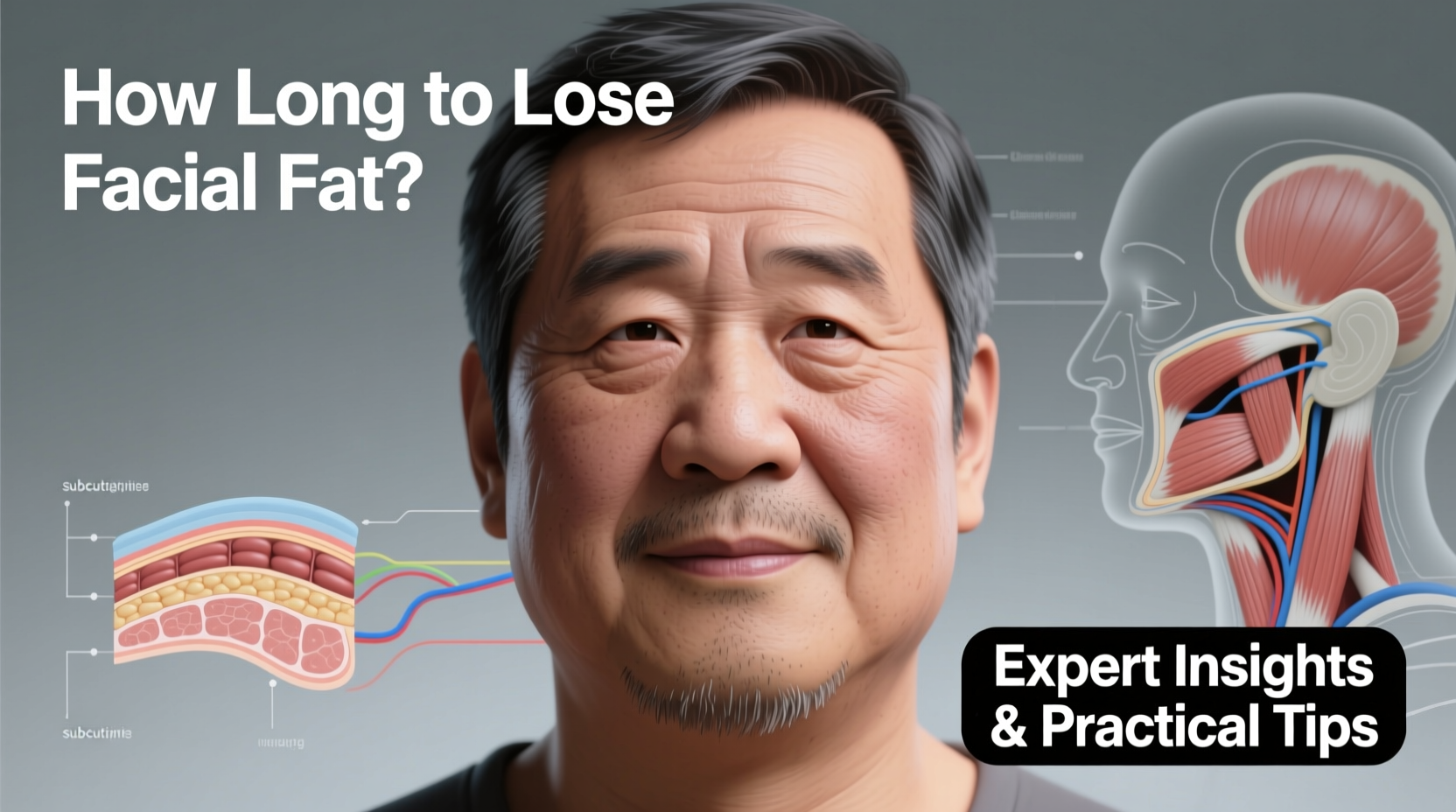
Fat distribution across the body—including the face—is influenced by hormones, age, genetics, and total body fat percentage. Subcutaneous fat in the cheeks, jowls, and under the chin responds to systemic fat loss, not isolated exercises. This means no amount of facial crunches or chewing gum will eliminate double chins if overall body fat remains high.
According to Dr. Lena Patel, board-certified endocrinologist and metabolic health specialist:
“Facial fat tends to be among the last areas to slim down during weight loss. It’s often one of the first places people notice puffiness when gaining weight, but paradoxically, it's usually the last to show improvement when losing it.” — Dr. Lena Patel, MD
On average, individuals may begin noticing subtle changes in facial fullness after losing 3–5% of their total body weight. For someone weighing 160 lbs (72.5 kg), this equates to 4.8–8 lbs (2.2–3.6 kg) of weight loss. With a safe and sustainable deficit of 500 calories per day, this typically takes about **4 to 8 weeks**.
Realistic Timeline: What to Expect When Losing Facial Fat
While results vary, most people experience the following progression when pursuing consistent fat loss:
- Weeks 1–2: Water weight drops quickly, especially if sodium intake was high. Some temporary facial slimming may occur due to reduced bloating.
- Weeks 3–6: As body fat begins to decrease, facial contours start becoming more defined. The cheeks may appear less rounded, and the jawline slightly sharper.
- Weeks 7–12: Visible fat loss in the face becomes noticeable to others. Under-chin fullness reduces, and cheekbones become more prominent.
- After 12+ weeks: With continued effort, significant definition emerges—especially when combined with muscle tone and skin health practices.
Proven Strategies to Accelerate Facial Slimming
Since you can't target facial fat directly, the key lies in reducing overall body fat while optimizing factors that influence facial appearance. Here are evidence-based methods to support the process:
1. Maintain a Calorie Deficit
To lose fat anywhere, including the face, you must burn more calories than you consume. A moderate deficit of 300–500 calories per day promotes steady fat loss without triggering muscle loss or metabolic slowdown.
2. Prioritize Protein Intake
Consuming adequate protein (about 0.8–1 gram per pound of body weight) helps preserve lean mass during weight loss. Muscle retention supports facial structure, preventing the \"sunken\" look sometimes associated with rapid weight loss.
3. Reduce Refined Carbs and Sodium
High-sugar diets increase insulin levels, promoting fat storage. Excess sodium causes water retention, leading to puffier cheeks and under-eye bags. Cutting back on processed foods often leads to faster facial definition.
4. Stay Hydrated
Drinking enough water flushes out excess sodium and reduces bloating. Dehydration can make the face look puffy or dull. Aim for at least 2–3 liters daily, more if active.
5. Incorporate Strength Training and Cardio
Combining resistance training with moderate cardio enhances fat oxidation and boosts metabolism. High-intensity interval training (HIIT) has been shown to accelerate visceral and subcutaneous fat loss more effectively than steady-state cardio alone.
Common Myths About Facial Fat Reduction
Misinformation abounds when it comes to facial slimming. Understanding what doesn’t work is just as important as knowing what does.
| Myth | Reality |
|---|---|
| You can spot-reduce fat with facial exercises. | No scientific evidence supports targeted fat loss. Facial exercises may strengthen muscles but won’t burn fat. |
| Chewing gum gives you a chiseled jawline. | It may build masseter muscles, creating a wider lower face—not always desirable. |
| Detox teas rapidly melt facial fat. | Most cause temporary water loss, not actual fat reduction. Long-term use can disrupt electrolyte balance. |
| Cooling tools or gua sha “sculpt” your face. | May improve circulation and reduce fluid retention temporarily, but effects are short-lived. |
Case Study: Realistic Facial Transformation in 10 Weeks
James, a 34-year-old software engineer, wanted to reduce his double chin and achieve a more defined jawline. At 185 lbs (84 kg) with an estimated body fat of 24%, he began a structured plan:
- Diet: Reduced processed snacks, increased vegetables and lean proteins; maintained ~400-calorie daily deficit.
- Exercise: Three full-body strength sessions and two 30-minute HIIT workouts weekly.
- Habits: Drank 3L of water daily, limited alcohol to weekends, slept 7+ hours nightly.
By week 10, James lost 9 lbs (4.1 kg), bringing his body fat down to ~20%. His coworkers noticed his “sharper look,” and photos showed a visibly leaner face, particularly around the jaw and neck. He didn’t use any facial gadgets or extreme measures—just consistency in foundational habits.
Action Plan: Your 12-Week Facial Slimming Checklist
Follow this step-by-step checklist to maximize your chances of achieving a leaner facial appearance within 3 months:
- ✅ Calculate your maintenance calories and create a 300–500 calorie deficit
- ✅ Eat at least 20–30g of protein per meal to support satiety and muscle retention
- ✅ Eliminate sugary drinks and ultra-processed snacks
- ✅ Drink 2–3 liters of water daily; limit salty packaged foods
- ✅ Perform strength training 3x/week and cardio 2–3x/week
- ✅ Get 7–8 hours of quality sleep each night
- ✅ Track progress with bi-weekly photos and measurements
- ✅ Avoid alcohol binges and late-night eating, which contribute to facial puffiness
- ✅ Be patient—focus on health gains, not just aesthetics
Frequently Asked Questions
Can you lose facial fat without losing weight?
No. Since facial fat is part of your overall body fat, significant changes require systemic fat loss. However, reducing water retention through diet and hydration can create a temporarily slimmer appearance.
Why do some people lose facial fat faster than others?
Genetics play a major role in fat distribution. Age, hormone levels (like cortisol and insulin), and baseline body composition also affect how quickly facial changes appear. Younger individuals with higher muscle mass often see faster results.
Does aging affect facial fat loss?
Yes. As we age, we naturally lose facial fat—particularly in the cheeks—which can lead to sagging or hollowing. While younger people aim to reduce excess facial fullness, older adults may focus on preserving volume through skincare and nutrition.
Final Thoughts: Patience and Consistency Win
There’s no magic shortcut to losing facial fat. The process is inherently tied to your overall health and body composition. While some influencers promise dramatic results in days, real change unfolds gradually—usually within 6 to 12 weeks of consistent effort. What matters most isn’t speed, but sustainability. Building habits that support long-term wellness will not only refine your facial contours but also improve energy, confidence, and metabolic health.




 浙公网安备
33010002000092号
浙公网安备
33010002000092号 浙B2-20120091-4
Comments
No comments yet. Why don't you start the discussion?