
Celery is a staple in kitchens across North America and beyond—its crisp texture and subtle, earthy flavor make it indispensable in soups, stocks, salads, and mirepoix. For home cooks and budget-conscious shoppers, understanding the average cost of celery is essential for effective grocery planning. Prices fluctuate based on season, region, form (whole stalks vs. pre-cut), and retailer. As of 2024, the average price of a single bunch of fresh celery in the United States ranges from $1.50 to $3.50, with organic options typically at the higher end. This article breaks down the real-world economics of buying celery, examines the variables that influence its price, and provides actionable guidance for maximizing value without sacrificing quality.
Definition & Overview
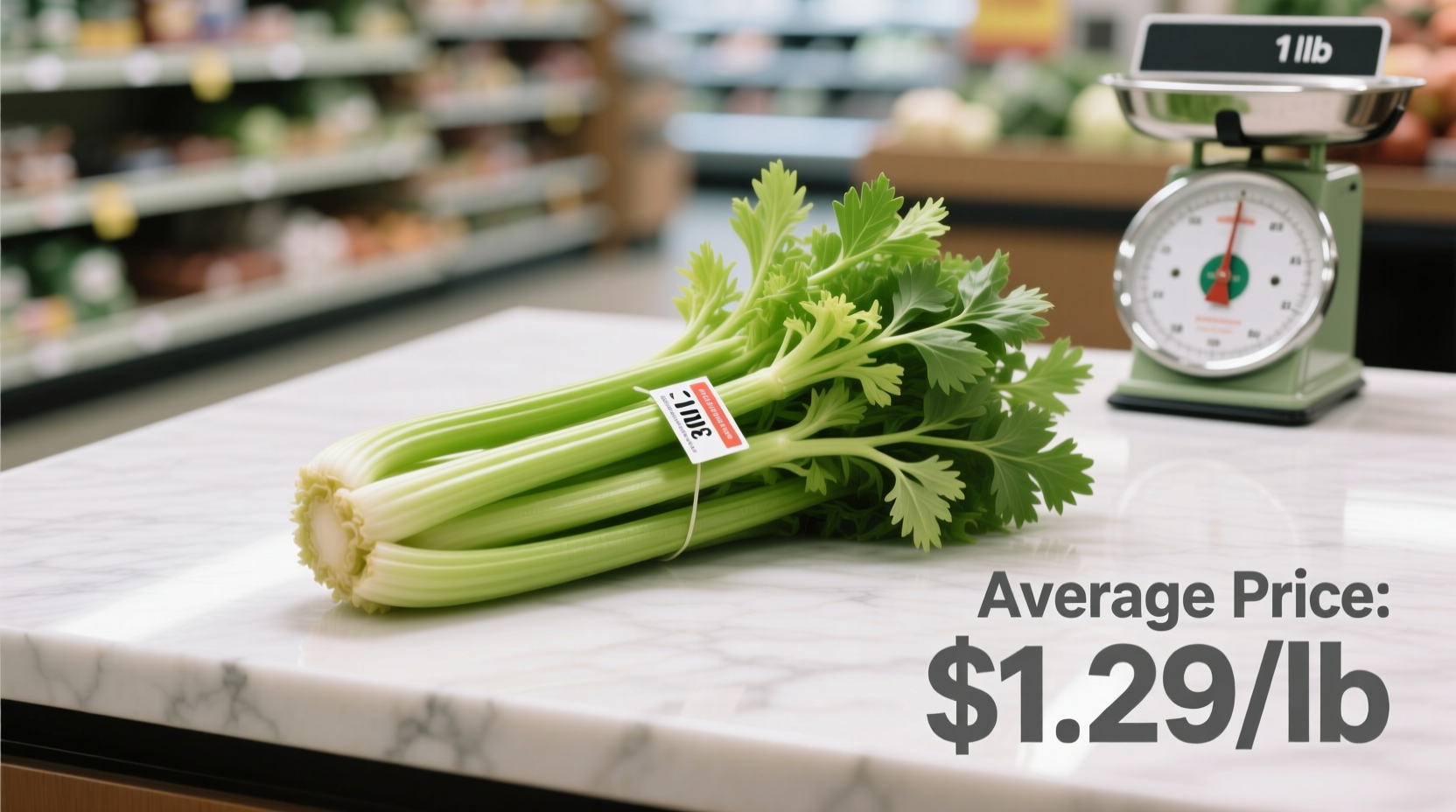
Celery (Apium graveolens) is a marshland plant species in the family Apiaceae, cultivated as a vegetable for its edible leaf stalks (petioles) and occasionally its seeds and roots. The most common variety consumed globally is Pascal celery—tall, firm, green stalks with a high water content and a mildly bitter, aromatic flavor profile. Native to the Mediterranean, celery has been used since antiquity both medicinally and culinarily. Today, it’s a foundational ingredient in French mirepoix (alongside carrots and onions), Italian soffritto, and Cajun holy trinity.
Beyond its culinary role, celery is prized for its low-calorie density and nutrient content, including vitamin K, potassium, and antioxidants like apigenin. Its fibrous structure makes it ideal for adding crunch to raw dishes or slowly releasing flavor into long-simmered broths. While often overlooked due to its ubiquity, celery plays an outsized role in flavor layering—a quiet architect of depth in countless savory preparations.
Key Characteristics
| Attribute | Description |
|---|---|
| Flavor Profile | Mildly bitter, slightly salty, with herbal and vegetal notes; becomes sweeter when cooked. |
| Aroma | Fresh, green, slightly peppery; more pronounced when crushed or chopped. |
| Color & Form | Vibrant pale to deep green stalks; tightly packed ribs forming a \"bunch\" or \"head.\" |
| Texture | Crisp and juicy when fresh; stringy if not peeled or overcooked. |
| Culinary Function | Aromatic base ingredient, textural component, garnish, thickener (when puréed). |
| Shelf Life (Refrigerated) | 10–14 days uncut; up to 7 days once cut or washed. |
| Common Weight per Bunch | 12–16 oz (340–450 g), depending on variety and growing conditions. |
Practical Usage
In professional and home kitchens alike, celery is rarely the star—but it’s almost always part of the supporting cast that defines a dish’s character. A classic application is in mirepoix, where equal parts onion, carrot, and celery are finely diced and sautéed in fat to build flavor foundations for stews, sauces, and braises. The standard ratio is 2:1:1 (onion:carrot:celery by weight), though this varies by cuisine and chef preference.
For soup stocks, celery contributes a clean, vegetal backbone. Simmered for hours with bones and aromatics, it imparts subtle complexity without overpowering. When roasting whole chickens or turkeys, stuffing the cavity with halved celery stalks, onion, and herbs infuses moisture and fragrance directly into the meat.
Raw applications are equally important. Thinly sliced celery adds crunch to tuna, chicken, or egg salads. Paired with creamy dressings or nut butters, its bitterness balances richness. In Asian cuisines, particularly Chinese and Thai, celery is stir-fried quickly with garlic, chili, and oyster sauce, transforming its texture into tender-crisp perfection.
When using celery in cooked dishes, consider timing: early addition allows full flavor integration, while late addition preserves texture. For maximum efficiency, trim only the leafy tops and bottom root end—reserve the leaves for seasoning; they’re more aromatic than the stalks.
Pro Tip: To extend shelf life, store celery upright in a container of water in the refrigerator, or wrap it tightly in aluminum foil. This reduces moisture loss and prevents limpness. Pre-cut sticks can be submerged in water with a squeeze of lemon to maintain crispness for up to five days.
Variants & Types
While Pascal celery dominates supermarket shelves, several other forms exist—each suited to different uses and budgets.
- Green Pascal Celery: The standard commercial type, known for tall, juicy ribs and strong flavor. Most widely available and affordable.
- Golden or Blanched Celery: Grown covered from sunlight to reduce chlorophyll, resulting in pale yellow stalks with a milder, less fibrous taste. Often found in specialty grocers; priced 20–40% higher than green varieties.
- Red or Ruby Celery: Features pink-tinged stalks and a slightly more intense aroma. Used primarily for visual appeal in salads and crudité platters.
- Celeriac (Celery Root): A different cultivar grown for its bulbous root rather than stalks. Earthier and denser, used in purees, roasts, and slaws. Not interchangeable with stalk celery but shares flavor DNA.
- Celery Hearts: Innermost ribs of the bunch, stripped of outer strings. More tender and convenient but significantly more expensive—often double the price per ounce due to labor-intensive preparation.
- Pre-Cut & Snack Packs: Diced, sliced, or stick-cut celery packaged for convenience. Ideal for lunchboxes or quick recipes but cost up to three times more per pound than whole bunches.
- Dried Celery Flakes & Powder: Dehydrated forms used as seasoning. Less nuanced than fresh but useful for rubs, soups, and long-term storage.
- Celery Seed: Small, brown seeds harvested from mature plants. Intensely flavored—used in pickling, spice blends (e.g., Old Bay), and breads. One teaspoon of seeds ≈ one stalk of celery in flavor impact.
For everyday cooking, whole green bunches offer the best balance of cost and utility. Reserve hearts and pre-cut versions for entertaining or time-sensitive meals.
Comparison with Similar Ingredients
Celery is sometimes substituted due to availability or dietary needs, but alternatives vary significantly in flavor and function.
| Ingredient | Similarities | Differences | Best Substitution Ratio |
|---|---|---|---|
| Fennel Bulb | Crisp texture, similar shape when sliced. | Pronounced licorice/anise flavor; less bitter, more aromatic. Cooks faster. | 1:1 raw; use half amount when cooking to avoid overpowering. |
| Bok Choy | Watery crunch, green stalks with leafy tops. | Milder, cabbage-like flavor; thinner stalks cook very quickly. | 1:1 in stir-fries; not ideal for mirepoix. |
| Green Bell Pepper | Adds freshness and color to raw dishes. | Sweeter, less earthy; lacks aromatic bitterness crucial to savory bases. | Use sparingly—½ pepper per stalk as accent, not replacement. |
| Celeriac | Same species; shares core flavor compounds. | More concentrated, earthy, and starchy. Requires peeling and longer cooking. | ⅔ celeriac = 1 cup chopped celery in soups or stews. |
| Celery Salt | Derived from ground celery seed and salt. | No texture; salty; much stronger flavor. Lacks fresh juiciness. | ¼ tsp celery salt = 1 stalk fresh (adjust for sodium content). |
No substitute fully replicates fresh celery’s combination of moisture, fiber, and aromatic subtlety. However, in emergencies, a blend of fennel and a pinch of celery seed can approximate its role in cooked dishes.
Practical Tips & FAQs
What affects the price of celery?
Multiple factors influence celery pricing. Seasonality is key: peak harvest in late fall through winter (especially November–February) brings lower prices due to abundant supply. Summer months, particularly during heatwaves or droughts in California—the leading U.S. producer—can trigger shortages and drive prices upward. Transportation costs, labor, and water usage also contribute. Organic celery commands a premium due to stricter farming standards and lower yields.
Where is the cheapest place to buy celery?
Warehouse clubs (e.g., Costco, Sam’s Club) and ethnic markets often offer better per-pound rates than conventional supermarkets. Farmers’ markets may provide competitive pricing during local harvest seasons, especially when bought in bulk. Online grocery services like Walmart+, Amazon Fresh, or Instacart frequently run digital coupons or promotions on produce, including celery.
Is organic celery worth the extra cost?
The Environmental Working Group consistently lists celery among the “Clean Fifteen”—produce with the lowest pesticide residues. Conventional celery is generally safe to consume without organic certification. However, if you eat large quantities regularly or prioritize sustainable agriculture, organic may be preferable despite the 30–60% higher price tag.
Can I freeze celery?
Yes, but with caveats. Freezing changes celery’s texture—it becomes limp upon thawing, making it unsuitable for raw applications. However, frozen celery works well in soups, stews, and stocks. Chop into desired sizes, blanch for 2 minutes, cool, and freeze in airtight bags for up to 12 months. Label clearly to avoid accidental misuse.
How many stalks are in a typical bunch?
A standard bunch contains 8–12 stalks, weighing approximately 1 pound (16 oz). Recipes usually call for “1 stalk,” meaning one individual rib. Always measure by volume or weight if precision matters—for example, 1 cup diced celery weighs about 4 ounces.
Are celery leaves usable?
Absolutely. The feathery green leaves are more flavorful than the stalks, with a concentrated herbal punch. Use them as a garnish, chop finely into salads, or add to herb blends. They dry well and can be stored in a jar for seasoning soups and gravies.
Why does celery sometimes taste bitter?
Bitterness intensifies when celery is stressed during growth (drought, extreme heat) or stored improperly (exposed to air, warm temperatures). Fresher, well-hydrated stalks are sweeter and crisper. If bitterness persists, try peeling the outer strings or soaking in cold water for 10–15 minutes before use.
Storage Checklist:
✔ Store whole bunches unwashed in crisper drawer.
✔ Wrap in foil to retain moisture (extends life by 4–7 days).
✔ Cut only what you need; delay washing until use.
✔ Freeze for cooking applications only.
✔ Dry leaves thoroughly before storing to prevent mold.
“In my 20 years running a farm-to-table kitchen, I’ve learned that the cheapest ingredient can be the most valuable. Celery isn’t flashy, but skip it, and your stock loses soul.” — Chef Elena Rodriguez, James Beard Nominee
Summary & Key Takeaways
Celery is a low-cost, high-impact ingredient central to global cuisine. On average, a bunch costs between $1.50 and $3.50 in U.S. retail outlets, with organic and pre-prepared versions commanding higher prices. Understanding the variables—season, form, retailer, and geography—empowers smarter purchasing decisions. Whole green Pascal celery offers the best value for daily cooking, while specialty types like golden or heart celery serve niche purposes.
Its unique combination of mild bitterness, aromatic depth, and textural versatility makes celery difficult to replace authentically. Though substitutes exist, none fully replicate its role in building foundational flavors. Proper storage extends usability, reducing waste and improving cost-efficiency. Whether you're crafting a Sunday gravy, packing school lunches, or simmering bone broth, knowing how much celery costs—and how to use it wisely—enhances both economy and culinary results.




 浙公网安备
33010002000092号
浙公网安备
33010002000092号 浙B2-20120091-4
Comments
No comments yet. Why don't you start the discussion?