
Many home cooks assume tomato sauce is a simple, wholesome ingredient—just tomatoes simmered into a rich base for pasta, pizza, or stews. But a quick glance at the nutrition label often reveals a surprising truth: most commercial tomato sauces contain added sugar. For those managing blood sugar, following low-carb diets, or simply aiming for cleaner eating, understanding how much sugar is in tomato sauce—and why it’s there—is essential. The amount varies dramatically between brands, types, and even preparation methods, ranging from zero to over 10 grams per half-cup serving. This article breaks down the facts, explores the role of sugar in flavor balance, compares popular products, and offers practical guidance for selecting or making truly low-sugar tomato sauce.
Definition & Overview
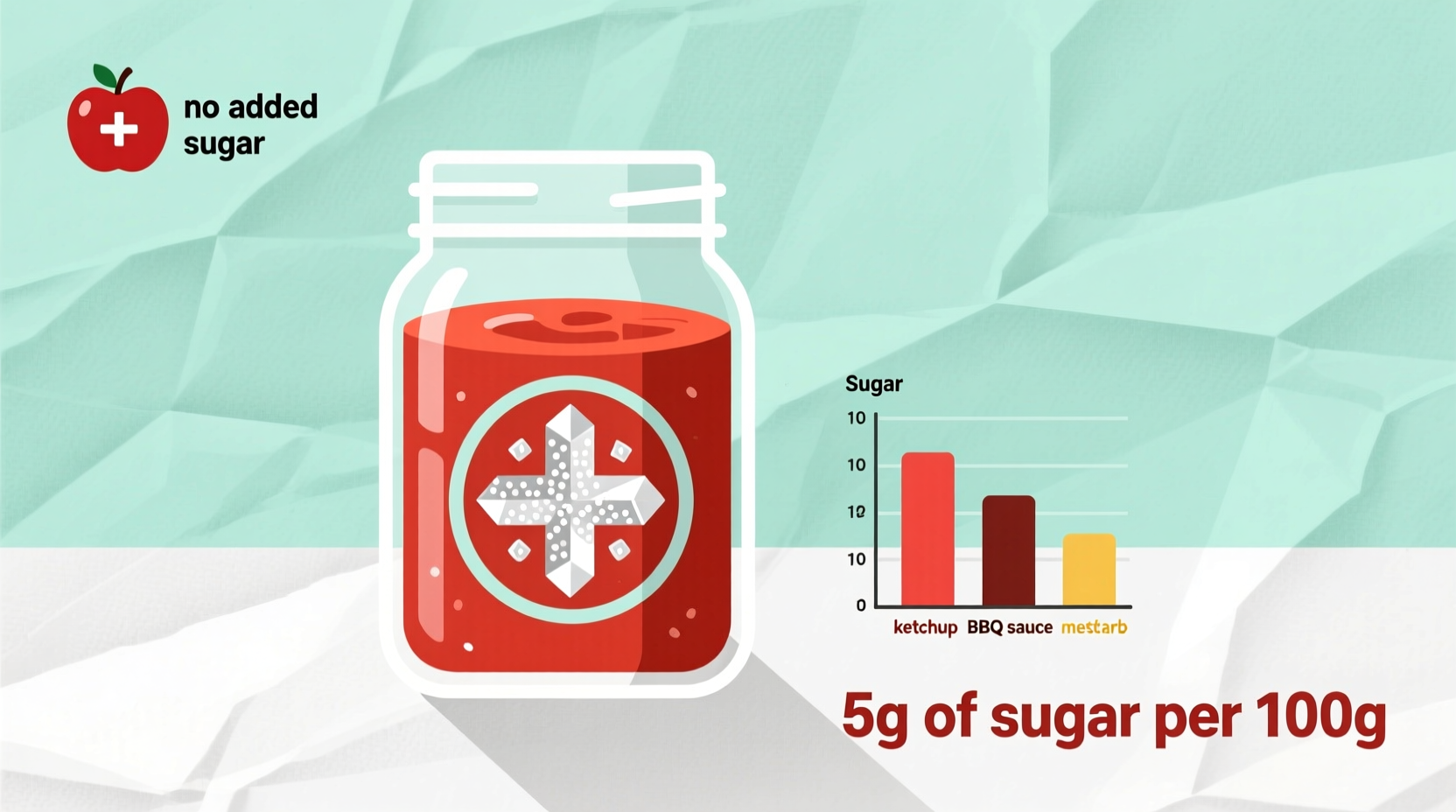
Tomato sauce is a culinary staple made primarily from cooked tomatoes, often seasoned with herbs, garlic, onions, and spices. In American grocery stores, \"tomato sauce\" typically refers to a smooth, pourable product used as a base in Italian-American dishes like lasagna, spaghetti, and meatballs. It differs from crushed tomatoes (chunkier) and tomato paste (thicker, more concentrated). While fresh or homemade versions rely solely on the natural sweetness of ripe tomatoes, many mass-produced versions include added sugars to counteract acidity and enhance palatability.
The inclusion of sugar is not arbitrary—it serves a functional purpose in balancing flavor, especially when using lower-acid-stable tomato varieties that are common in canned goods. However, modern food processing has led to widespread overuse, with some brands adding multiple forms of sweeteners, including high-fructose corn syrup, cane sugar, and fruit concentrates. Understanding this context helps consumers make informed choices without sacrificing taste.
Key Characteristics of Tomato Sauce
- Flavor profile: Savory, tangy, slightly sweet; depth increases with slow cooking and added aromatics.
- Aroma: Earthy and herbal, especially when seasoned with basil, oregano, or garlic.
- Color: Deep red to maroon, depending on tomato variety and processing method.
- Texture: Smooth and pourable, though some styles retain light body or fine pulp.
- Acidity level: Naturally acidic (pH ~4.0–4.5), which contributes to preservation but can require balancing.
- Culinary function: Base for pasta dishes, pizzas, braises, soups, and casseroles.
- Shelf life: Unopened canned or jarred sauce lasts 12–18 months; refrigerated after opening for up to one week.
- Sugar content: Varies widely—from 0g to 12g per ½ cup (120ml)—depending on brand and formulation.
Pro Tip: Natural tomato sweetness depends on ripeness and cultivar. San Marzano and heirloom varieties tend to be sweeter and less acidic than standard field tomatoes, reducing the need for added sugar.
Why Is Sugar Added to Tomato Sauce?
Tomatoes naturally contain sugars—primarily glucose and fructose—but also significant citric and malic acids. When cooked down, these acids become more concentrated, sometimes resulting in a sharp, mouth-puckering taste. A small amount of sugar neutralizes this bitterness and rounds out the flavor, creating a more balanced profile. This principle is rooted in classic French cuisine, where a pinch of sugar is traditionally added to tomato-based dishes for equilibrium.
However, what begins as a subtle correction in home kitchens often becomes excess in industrial production. Manufacturers use sugar not only for taste but also as a tool to appeal to consumer preferences shaped by processed foods. Studies show that sweetness enhances perceived richness and “mouthfeel,” making products seem more indulgent—even when nutritionally identical.
Moreover, sugar acts as a preservative and browning agent, extending shelf stability and improving color development during reheating. These functional benefits explain its prevalence, but they don’t justify excessive amounts, particularly in products marketed as “healthy” or “natural.”
Variants & Types of Tomato Sauce
Not all tomato sauces are created equal. The type you choose directly affects sugar content, texture, and suitability for different recipes. Below is a breakdown of common variants:
| Type | Description | Avg. Sugar (per ½ cup) | Best Uses |
|---|---|---|---|
| Plain Tomato Sauce | Basic cooked and strained tomatoes, minimal seasoning | 3–6g (often with added sugar) | General-purpose cooking, custom seasoning |
| No-Sugar-Added Tomato Sauce | Only tomatoes and seasonings—no sweeteners | 0–2g (all from natural sources) | Keto, diabetic, low-carb diets |
| Marinara Sauce | Herb-forward, garlic-rich, usually faster-cooked | 4–8g (many brands add sugar) | Pasta, dipping, quick meals |
| Arrabbiata Sauce | Spicy version with chili peppers | 3–7g (sugar masks heat sometimes) | Heat lovers, bold-flavor dishes |
| Tomato Basil Sauce | Infused with fresh or dried basil | 5–10g (often higher due to market positioning) | Pizza, caprese-inspired dishes |
| Organic Tomato Sauce | Certified organic ingredients, fewer additives | 2–6g (may use organic cane sugar) | Clean-label cooking |
| Homemade Tomato Sauce | Fresh or canned tomatoes cooked with aromatics | 2–4g (naturally occurring only) | Full control over ingredients |
When shopping, always check labels under “Total Sugars” and review the ingredient list. Be aware that terms like “evaporated cane juice,” “fruit concentrate,” “barley malt,” or “brown rice syrup” are still forms of added sugar, even if they sound natural.
Comparison with Similar Ingredients
Tomato sauce is frequently confused with other tomato-based products. While they may look similar, their composition—and sugar content—can differ significantly.
| Product | Sugar (per ½ cup) | Texture | Key Differences |
|---|---|---|---|
| Tomato Sauce | 0–10g | Smooth, thin | Ready-to-use base; often seasoned and sweetened |
| Crushed Tomatoes | 3–5g (usually no added sugar) | Chunky, pulpy | Less processed; ideal for rustic dishes |
| Tomato Paste | 6–8g (concentrated natural sugars) | Thick, dense | Used in small amounts to deepen flavor |
| Tomato Puree | 3–5g (varies by brand) | Medium thickness | Between sauce and paste; sometimes unsalted |
| Pizza Sauce | 5–12g (often heavily sweetened) | Smooth, zesty | Formulated for high-heat baking; may include sweeteners |
“In professional kitchens, we never rely on store-bought sauce for critical dishes. The sugar levels are unpredictable. We build flavor from scratch using quality canned tomatoes and adjust sweetness only if needed—with a tiny pinch of sugar or a grated carrot.” — Chef Elena Torres, Culinary Instructor, Institute of Artisanal Cooking
Practical Usage: How to Use Low-Sugar Tomato Sauce
Using low-sugar tomato sauce doesn’t mean sacrificing flavor. In fact, it gives you greater control over the final dish. Here’s how to incorporate it effectively in everyday cooking:
1. Choose the Right Base
Start with a certified “No Sugar Added” product. Trusted brands include Muir Glen, Eden Foods, and Pomi. These use only tomatoes, salt, and herbs—nothing else. Read the ingredient list carefully: it should say “organic tomatoes, onion powder, basil, salt”—not “cane sugar” or “natural flavors” (which may hide sweeteners).
2. Adjust Acidity Naturally
If your sauce tastes too sharp, avoid reaching for sugar. Instead, try:
- Sautéing a finely grated carrot with onions at the start—its natural sugars caramelize and mellow acidity.
- Adding a splash of heavy cream or grated Parmesan for richness.
- Simmering with a small piece of kombu seaweed, which softens harshness (remove before serving).
- Using a pinch of baking soda (1/8 tsp per cup) to neutralize acid chemically—use sparingly to avoid soapy taste.
3. Enhance Depth Without Sweetness
Build complexity through umami and aroma:
- Sauté garlic, onions, and celery in olive oil until golden.
- Add a tablespoon of tomato paste and cook for 2 minutes to develop flavor.
- Stir in your no-sugar-added tomato sauce and simmer 20–30 minutes.
- Finish with fresh herbs, black pepper, and a drizzle of extra virgin olive oil.
4. Make Your Own Batch
Homemade sauce ensures full transparency. Try this simple recipe:
Simple No-Sugar-Added Tomato Sauce (Yields 4 cups)
- 2 tbsp olive oil
- 1 medium onion, diced
- 3 cloves garlic, minced
- 2 (28-oz) cans whole peeled tomatoes (preferably San Marzano)
- 1 tsp dried oregano
- 1/2 tsp salt
- 1/4 tsp black pepper
- 1 small carrot, grated (optional, for natural sweetness)
- 2–3 fresh basil leaves
Directions: Heat oil in a large pot. Sauté onion until translucent, add garlic and carrot, cook 5 minutes. Crush tomatoes by hand or blend briefly. Add all ingredients, bring to a simmer, and cook uncovered for 30–45 minutes, stirring occasionally. Remove basil, adjust seasoning, and cool. Store in fridge for up to 5 days or freeze in portions.
Practical Tips & FAQs
Q: Is the sugar in tomato sauce natural or added?
A: Both. Tomatoes naturally contain about 3–4 grams of sugar per half-cup. Any amount above that likely comes from added sweeteners. Check the ingredient list: if “sugar,” “corn syrup,” or “fruit concentrate” appears, it’s been added.
Q: Can I eat tomato sauce on a keto diet?
A: Yes—but only if it’s labeled “no sugar added.” Standard marinara can exceed 8g net carbs per serving, pushing you over daily limits. Stick to verified low-carb options or make your own.
Q: Does “organic” mean no sugar?
A: No. Organic sauces can still contain organic cane sugar. “Organic” refers to farming practices, not sugar content. Always verify the nutrition panel.
Q: How can I tell if a sauce has hidden sugars?
A: Scan the ingredient list for aliases: dextrose, maltose, agave nectar, molasses, barley malt syrup, fruit juice concentrate, evaporated cane juice, and brown rice syrup are all forms of added sugar.
Q: What’s the healthiest tomato sauce option?
A: Look for products with:
- Zero added sugars
- Short ingredient list (tomatoes, herbs, salt, maybe olive oil)
- BPA-free packaging (especially important for canned goods)
- Certifications like USDA Organic, Non-GMO Project Verified
Q: Does cooking reduce sugar content?
A: No. Sugar does not break down significantly during cooking. While water evaporates and flavors concentrate, the total sugar remains the same—or increases proportionally as volume reduces.
Q: Are flavored sauces worse for sugar?
A: Often, yes. “Roasted Garlic,” “Tomato Basil,” and “Spicy Arrabbiata” versions frequently contain more sugar than plain sauces to balance stronger flavors. Always compare labels.
Storage, Shelf Life & Substitutions
Storage: Keep unopened jars or cans in a cool, dark pantry. Once opened, transfer to an airtight container and refrigerate for up to 7 days. For longer storage, freeze in ice cube trays or portion-sized containers for up to 6 months.
Substitutions:
- For low-sugar needs: Use no-sugar-added crushed tomatoes blended briefly for smoothness.
- For richer texture: Mix tomato paste with water (1:3 ratio) and season yourself.
- For fresh flavor: Simmer chopped ripe tomatoes with herbs for 20 minutes as a seasonal alternative.
Shelf life guide:
| Form | Unopened | Opened (Refrigerated) | Freezer |
|---|---|---|---|
| Canned Sauce | 12–18 months | 5–7 days | 6 months |
| Jarred Sauce | 12 months | 7 days | 6 months |
| Homemade Sauce | Not applicable | 5 days | 6 months |
Summary & Key Takeaways
The amount of sugar in tomato sauce varies widely—from zero to over 10 grams per serving—depending on brand, type, and processing. While a small amount of sugar can balance acidity, many commercial products add excessive sweeteners that undermine nutritional goals. Consumers seeking healthier options should prioritize “no sugar added” labels, read ingredient lists carefully, and consider making their own sauce for complete control.
Understanding the difference between natural tomato sugars and added sweeteners empowers smarter choices. Whether you're managing diabetes, following a low-carb lifestyle, or simply cooking more mindfully, choosing or preparing a clean tomato sauce enhances both flavor and wellness.
Next Step: Audit your pantry. Pull out every jar and can of tomato sauce, check the sugar content, and replace high-sugar versions with transparent, no-additive alternatives. Your taste buds—and body—will thank you.




 浙公网安备
33010002000092号
浙公网安备
33010002000092号 浙B2-20120091-4
Comments
No comments yet. Why don't you start the discussion?