
Every year, music lovers eagerly await a personalized recap of their listening habits. While Spotify Wrapped has dominated the conversation for years, Apple Music now offers its own compelling feature: Apple Music Replay. This annual summary reveals your most-played tracks, favorite artists, top genres, and total listening time — all wrapped in an elegant, shareable format. But unlike Spotify, Apple’s approach is more subtle, and many users miss out simply because they don’t know where to look or how to interpret the data.
Understanding your Apple Music Replay isn’t just about nostalgia; it’s a window into your musical identity. Whether you're a casual listener or a dedicated audiophile, these insights can help you rediscover forgotten favorites, validate your taste, or even inspire new playlists. Here’s everything you need to know to find, navigate, and make the most of your Apple Music Replay experience.
What Is Apple Music Replay?
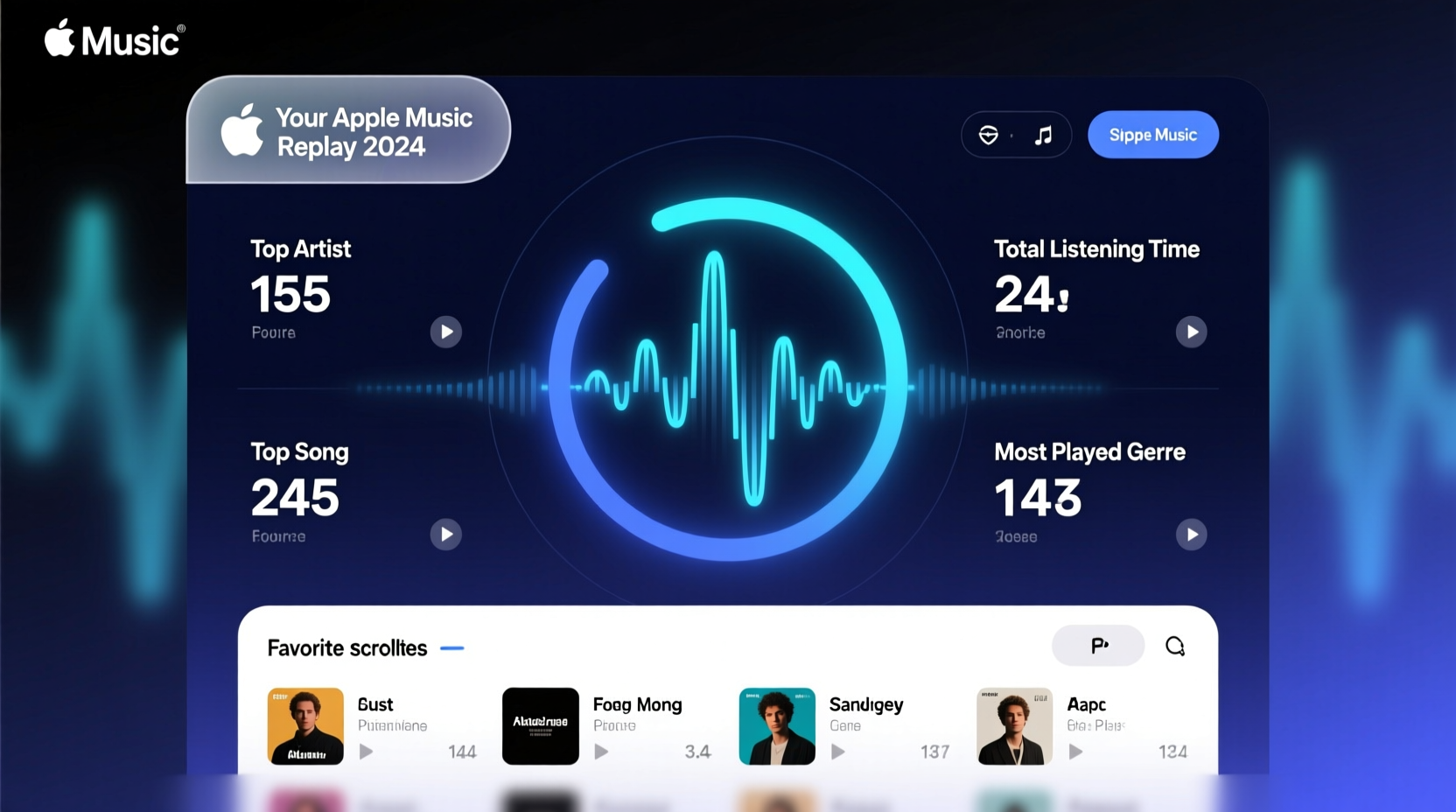
Apple Music Replay is an annual feature that compiles your listening history from January 1 to December 31 into a dynamic, interactive summary. Available each December, it highlights key metrics such as:
- Your top 25, 50, or 100 songs of the year
- Your most-listened-to artists
- Your top albums
- Total minutes or hours spent listening
- Listening milestones (e.g., “You discovered 47 new artists this year”)
Unlike real-time analytics, Replay is retrospective and only becomes available toward the end of the calendar year. It’s designed to celebrate your personal soundtrack and encourage sharing across social platforms.
“Music is memory made audible. Apple Music Replay turns your year into a sonic timeline.” — Lena Patel, Digital Music Archivist
How to Access Your Apple Music Replay: Step-by-Step Guide
Finding your Replay stats requires navigating within the Apple Music app. The feature doesn’t appear automatically on all devices, so timing and region settings matter. Follow these steps to ensure you don’t miss it.
- Open the Apple Music app on your iPhone, iPad, or Android device (if you have the Apple Music app installed).
- Navigate to the Browse tab at the bottom of the screen.
- Scroll through featured playlists and collections until you see a section titled “Your Year in Review” or “Replay 2024” (year varies).
- Tap on the Replay banner or card to enter your personalized summary.
- Explore your stats by swiping through categories like Top Songs, Favorite Artists, and Listening Time.
- Tap individual tracks to play them instantly or add them to a playlist.
- Share your Replay story via Messages, Instagram, or other platforms using the built-in share button.
Understanding Your Apple Music Replay Data
Once inside your Replay, you’ll encounter several types of data. Knowing what each metric means helps you appreciate the full picture of your listening behavior.
Top Songs
This list ranks tracks by total play count. A song might not be one you love lyrically, but if it played during workouts, commutes, or background noise, it could rank high. Pay attention to surprises — sometimes a guilty pleasure or a viral TikTok hit sneaks in.
Favorite Artists
Calculated based on total streams across all songs by an artist, this ranking reflects consistency rather than peak popularity. An artist with five moderately popular tracks may outrank one with a single chart-topper.
Total Listening Time
Displayed in hours and minutes, this figure shows your overall engagement. Some users log over 100,000 minutes annually — that’s nearly 70 full days of music. Compare this to previous years to track changes in your habits.
Discovery Rate
Apple often includes notes like “You played 32 songs for the first time this week.” This metric encourages exploration and rewards curiosity. High discovery rates suggest diverse tastes and openness to new genres.
Monthly Trends
A visual timeline may show when certain songs or artists peaked in your rotation. You might notice seasonal patterns — upbeat pop in summer, introspective indie in winter — revealing emotional or environmental influences on your choices.
| Metric | What It Measures | Why It Matters |
|---|---|---|
| Top 25 Songs | Most-played tracks of the year | Identifies your go-to anthems and mood setters |
| Top Artists | Streams per artist | Shows long-term loyalty vs. fleeting trends |
| Listening Hours | Total playback duration | Indicates depth of engagement with music |
| New Music Played | First-time listens | Measures openness to fresh sounds |
| Genre Distribution | Percentage breakdown by genre | Highlights dominant styles in your library |
Real Example: How Sarah Rediscovered Her Musical Roots
Sarah, a 29-year-old graphic designer from Portland, had assumed her 2023 was dominated by lo-fi study beats and K-pop. When she opened her Apple Music Replay, she was surprised to see classic rock making up 38% of her top plays. “I didn’t realize I’d been playing Fleetwood Mac every Sunday morning while making coffee,” she said. “Seeing ‘Landslide’ at #3 made me reconnect with music I hadn’t thought about since college.”
The experience prompted her to create a “Sunday Soundtrack” playlist blending nostalgic rock with modern folk. She now uses her Replay insights to curate intentional listening moments instead of relying solely on algorithms.
Tips for Getting the Most Out of Apple Music Replay
- Review it early and often: Don’t wait until New Year’s Eve. Open your Replay as soon as it appears to reflect on the year while memories are fresh.
- Create a “Replay Favorites” playlist: Save your top 10 songs to revisit throughout the next year.
- Compare across years: If you’ve used Apple Music for multiple years, note shifts in taste. Did a life event change your preferences?
- Use it to reset your library: Let your Replay guide spring cleaning — remove songs you no longer relate to and add missing gems.
- Share thoughtfully: Instead of just posting the default video, share a personal reflection like, “This song got me through my job search.”
FAQ
Why can’t I see my Apple Music Replay?
You may not see Replay if it’s before mid-December, your region isn’t supported, your subscription is inactive, or iCloud Music Library is disabled. Ensure your device is updated and connected to the internet.
Does Apple Music Replay include offline listening?
Yes, as long as iCloud Music Library is enabled and your device syncs playback history. Offline plays are counted once the device reconnects to the internet.
Can I view someone else’s Apple Music Replay?
No, Replay is private by default. Users must choose to share their summary via social media or messaging apps. There’s no public directory or search function.
Final Thoughts: Make Your Music History Meaningful
Your Apple Music Replay is more than a vanity metric — it’s a digital diary written in melodies and rhythms. By accessing it deliberately and interpreting it thoughtfully, you gain insight into your emotional landscape, routines, and evolving identity. Whether you’re amazed by your consistency or shocked by unexpected entries, the data invites reflection.
This year, don’t just scroll and share. Pause. Listen to your top song again. Remember where you were when it played. Ask yourself: What did this music give me? Then carry those lessons forward — maybe by exploring deeper cuts from your favorite artists, revisiting underplayed tracks, or setting a goal to diversify your 2025 playlist.




 浙公网安备
33010002000092号
浙公网安备
33010002000092号 浙B2-20120091-4
Comments
No comments yet. Why don't you start the discussion?