
Funko Pop figures have evolved from simple novelties into serious collectibles, with rare variants commanding hundreds or even thousands of dollars. Among them, \"The Thing\" — based on John Carpenter’s 1982 cult classic — stands out as a fan favorite. But determining its true worth isn’t just about checking an online listing. Accurate valuation requires understanding multiple factors: condition, rarity, packaging, and market demand. Whether you're looking to sell, insure, or simply appreciate your collection, knowing how to evaluate your Funko Pop The Thing properly is essential.
Understanding the Basics: What Makes a Funko Pop Valuable?
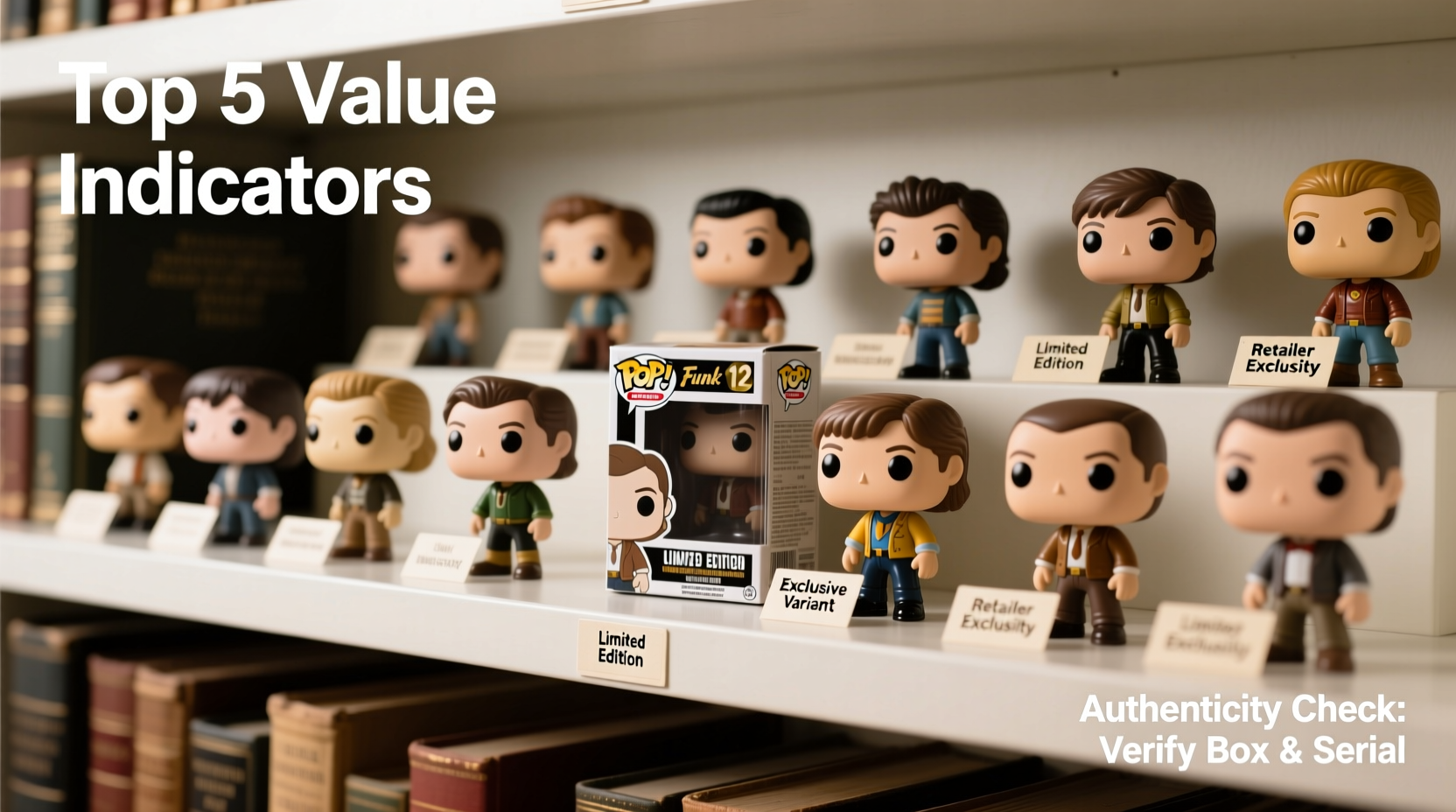
Not all Funko Pops are created equal. While most retail for $10–$15, secondary market values can vary dramatically. Key determinants include:
- Rarity: Limited editions, exclusives, and chase variants often fetch higher prices.
- Condition: Mint-in-box (MIB) items are worth significantly more than opened or damaged ones.
- Licensing: Figures tied to iconic films like *The Thing* benefit from enduring fan interest.
- Demand: Popularity spikes after anniversaries, re-releases, or cultural moments.
The original Funko Pop The Thing was released as part of the Universal Monsters line. It features the creature in its grotesque, multi-eyed form, making it both visually striking and highly sought after by horror collectors.
Step-by-Step Guide to Assessing Your Funko Pop The Thing’s Value
Follow this structured approach to get the most accurate estimate of your collectible’s worth.
- Identify the exact version. Look for unique identifiers such as the product number (usually printed on the box), release year, and whether it's a convention exclusive (e.g., SDCC), retailer exclusive (Hot Topic, Target), or standard release.
- Evaluate condition meticulously. Use a grading scale from 1 to 10 (10 being perfect). Check for dents, creases, fading, sticker damage, and whether the plastic window is intact.
- Verify authenticity. Counterfeits exist, especially for high-demand pops. Compare paint quality, font alignment, and logo placement with verified images online.
- Research recent sales. Platforms like eBay’s “Sold Listings” filter show what buyers actually paid—not just asking prices.
- Factor in market trends. Monitor collector forums, Reddit threads (like r/Funko), and price-tracking sites like Pop Price Guide.
This method ensures you’re not relying on outdated data or inflated wish-list prices.
Condition Matters: A Comparative Breakdown
A single Funko Pop can have vastly different values depending on its state. Below is a realistic comparison based on current market observations (as of late 2024).
| Condition | Description | Average Market Value (USD) |
|---|---|---|
| Mint-in-Box (MIB) | No visible flaws, sealed or unopened, no shelf wear | $75–$120 |
| Near-Mint (NM) | Minor shelf wear, no major dents or tears | $45–$65 |
| Good/Played With | Visible creasing, possible sticker lift, open box | $20–$35 |
| Poor/Damaged | Major dents, writing on box, broken plastic window | $5–$15 |
Note: Prices assume the standard Universal Monsters release (#476). Exclusives may start at $150+ in mint condition.
“Condition is everything in collectibles. A single crease on the top flap can knock 30% off the value of a high-demand Pop.” — Daniel Reyes, Vintage Toy Appraiser & Collector
Key Factors That Boost Value
Beyond general condition, specific attributes can elevate your Funko Pop The Thing from common to coveted:
- Chase Variant: Some waves include rare chase versions with alternate paint or features. For example, a glow-in-the-dark or flocked variant would be exceptionally valuable—if confirmed to exist for this model.
- First Edition Markings: Early production runs sometimes carry subtle differences appreciated by purists.
- Original Accessories: If your Pop came with a display stand or extra head, ensure they’re present and undamaged.
- Provenance: Ownership history matters. A Pop acquired directly from a convention booth or signed by a designer gains premium appeal.
One real-world case involved a collector who found a Hot Topic-exclusive The Thing Pop at a thrift store, still sealed. After verifying its authenticity and cross-referencing completed eBay auctions, they sold it for $180—a 400% return compared to typical retail pricing for similar exclusives.
Mini Case Study: From Garage Find to Profitable Sale
Jamie, a casual collector in Portland, inherited a box of Funko Pops from her brother’s estate. Among them was a Funko Pop The Thing in seemingly perfect condition. She followed these steps:
- Cleaned dust gently with a microfiber cloth.
- Checked the box code: HTX2018, indicating a Hot Topic exclusive.
- Searched eBay using “sold” filter; three identical MIB units had sold within the past month for between $110 and $135.
- Listed hers at $129.99 with detailed photos and a clear description.
It sold in two days. Her takeaway? “I almost listed it for $50 because I didn’t know exclusives were worth more. Research made all the difference.”
Common Mistakes to Avoid When Valuing Your Pop
Even experienced collectors make errors that undermine their assessments. Steer clear of these pitfalls:
- Relying solely on listing prices: Many sellers overprice hoping for a windfall. Focus on actual sale data instead.
- Ignoring minor damage: A bent corner or sticker wrinkle might seem trivial but devalues the item significantly.
- Storing improperly: Sunlight fades colors, heat warps boxes, and humidity causes mold—all irreversible.
- Not updating valuations: Markets shift. Reassess annually or after major pop culture events.
Frequently Asked Questions
How do I know if my Funko Pop The Thing is an exclusive?
Check the bottom of the box for logos like “Hot Topic,” “Target,” or “SDCC.” Exclusive versions often have unique numbering (e.g., “HTX” prefix) or special hang tags. You can also consult the official Funko database or collector wikis.
Does being sealed guarantee higher value?
Only if the seal is factory-original and undamaged. Resealed or tampered boxes lose credibility. Additionally, some ultra-rare Pops are valued even when opened—especially if displayed by notable collectors.
Can I clean a damaged box and still keep its value?
No. Any restoration attempt—tape, glue, marker touch-ups—is considered damaging. Grading services like PSA typically reject altered packaging. Preservation is always better than repair.
Final Checklist Before Selling or Insuring
Use this checklist to ensure your evaluation is thorough and accurate:
- ✅ Identified correct version and edition (standard, exclusive, chase)
- ✅ Assessed condition using a 10-point scale
- ✅ Verified authenticity through trusted sources
- ✅ Researched at least 3 recent sold comparables
- ✅ Documented with clear, well-lit photos (front, back, sides, base)
- ✅ Stored safely during assessment to prevent accidental damage
Conclusion: Turn Knowledge Into Confidence
Valuing your Funko Pop The Thing isn’t guesswork—it’s detective work grounded in observation, research, and market awareness. By understanding what drives collectible value, inspecting your piece with precision, and staying informed, you protect your investment and deepen your appreciation for the hobby. Whether you decide to hold, sell, or insure your Pop, doing so with confidence makes all the difference.




 浙公网安备
33010002000092号
浙公网安备
33010002000092号 浙B2-20120091-4
Comments
No comments yet. Why don't you start the discussion?