
Calcium is one of the most vital minerals in the human body, essential not only for strong bones and teeth but also for proper nerve function, muscle contraction, and blood clotting. While routine blood tests at a doctor’s office have long been the standard for measuring calcium levels, advancements in at-home health testing now allow individuals to monitor their levels privately and conveniently. However, accuracy depends on choosing the right method, following instructions precisely, and understanding what the numbers really mean.
This guide walks you through the entire process—from selecting a reliable test kit to interpreting your results and knowing when to consult a healthcare provider. Whether you're managing a chronic condition, adjusting your diet, or simply prioritizing preventive care, accurate at-home calcium monitoring can be a powerful tool.
Understanding Calcium and Why It Matters
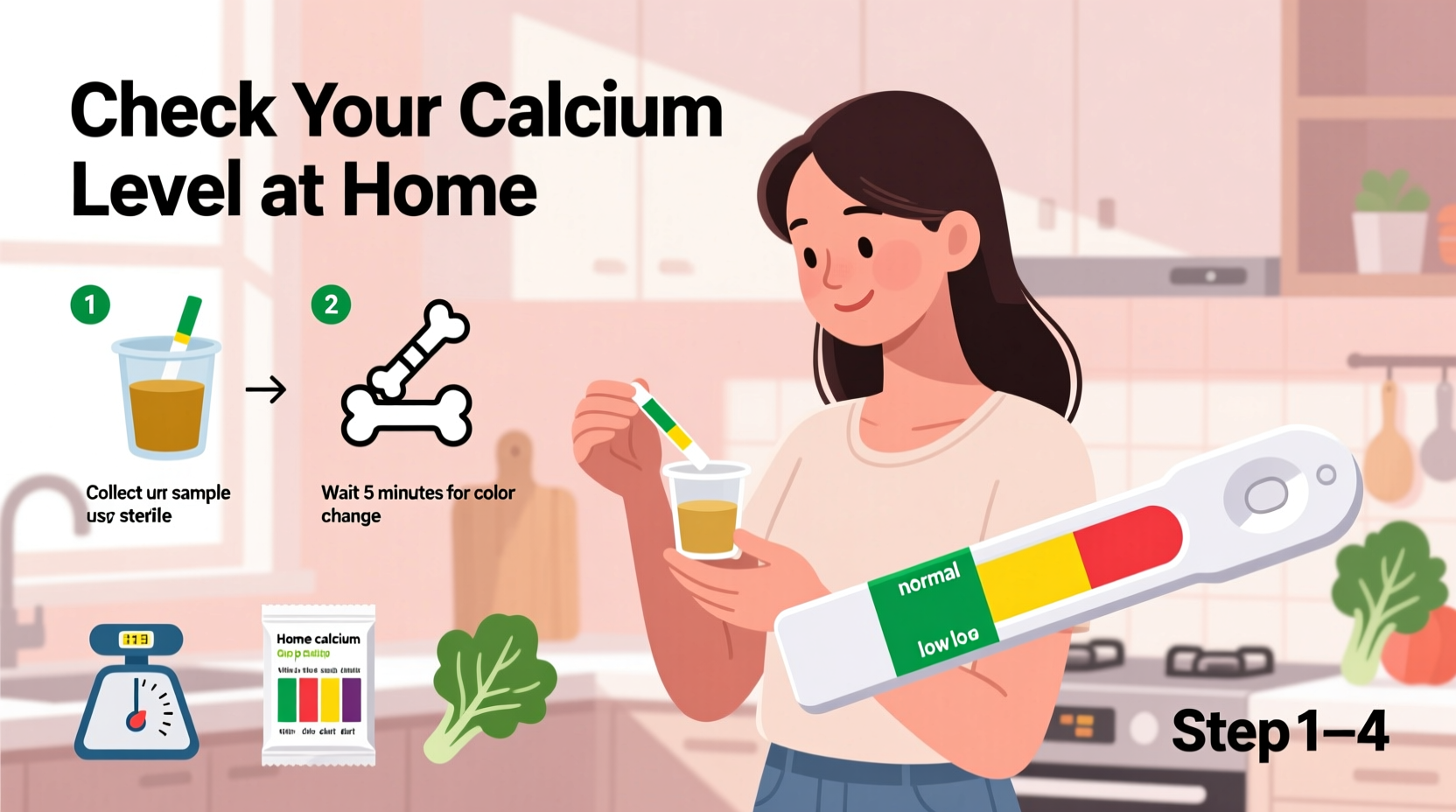
Over 99% of the body’s calcium is stored in bones and teeth, acting as a structural foundation. The remaining 1% circulates in the blood and plays critical roles in heart rhythm, cellular signaling, and hormone secretion. Blood calcium exists in two primary forms: ionized (free) calcium, which is biologically active, and total calcium, which includes both free calcium and calcium bound to proteins like albumin.
Abnormal levels—either too high (hypercalcemia) or too low (hypocalcemia)—can signal underlying health issues. Symptoms of imbalance may include muscle cramps, fatigue, brittle nails, confusion, or even cardiac arrhythmias. Because symptoms can be subtle or mimic other conditions, regular monitoring is especially important for individuals with kidney disease, thyroid disorders, or those taking medications that affect calcium metabolism.
“Home-based testing empowers patients to engage proactively with their health, but interpretation must be done carefully in context.” — Dr. Linda Reyes, Endocrinologist and Metabolic Health Specialist
Step-by-Step Guide to Testing Your Calcium Level at Home
While true at-home calcium measurement still relies on laboratory analysis, several FDA-cleared services enable you to collect a sample at home and send it to a certified lab. Here's how to do it accurately:
- Determine the type of calcium test needed: Most at-home kits measure total serum calcium. If you have liver or protein disorders, ionized calcium (measured via venous draw) may be more accurate—but this requires clinical handling. For general screening, total calcium is sufficient.
- Select a reputable at-home testing service: Choose providers that use CLIA-certified laboratories. Popular options include Everlywell, LetsGetChecked, and MyLab Box. Confirm that the kit explicitly includes a calcium test or is part of a comprehensive metabolic panel.
- Order your test online: Complete a brief health questionnaire if required. Kits typically cost between $40 and $90 and include pre-paid shipping.
- Prepare for sample collection: Fast for 10–12 hours before testing, as food intake can influence mineral levels. Avoid calcium supplements, antacids, or multivitamins for 24 hours prior unless instructed otherwise by a physician.
- Collect your blood sample: Most kits use a finger-prick method. Wash your hands with warm water to improve blood flow. Use the provided alcohol swab, lancet, and collection tube. Follow the instructions exactly—insufficient sample volume is a common cause of test failure.
- Ship your sample immediately: Use the prepaid envelope the same day. Delays can compromise sample integrity, leading to inaccurate results.
- Review your digital report: Results are usually available within 2–5 business days. Reports often include reference ranges and explanations of what high or low values might indicate.
Interpreting Your Results: What the Numbers Mean
Normal total blood calcium levels typically range from 8.5 to 10.2 mg/dL, though exact ranges vary slightly between labs. Ionized calcium normal values fall between 4.6 and 5.3 mg/dL. Understanding your result involves more than just comparing it to the reference range.
| Result Type | Low Level | Normal Range | High Level |
|---|---|---|---|
| Total Calcium | < 8.5 mg/dL | 8.5 – 10.2 mg/dL | > 10.2 mg/dL |
| Ionized Calcium | < 4.6 mg/dL | 4.6 – 5.3 mg/dL | > 5.3 mg/dL |
A result outside the normal range doesn’t automatically indicate disease. Transient fluctuations can occur due to dehydration, recent meals, or lab variability. Consistently abnormal results, especially when paired with symptoms, warrant further investigation. For example, persistently high calcium may point to hyperparathyroidism or certain cancers, while low levels could stem from vitamin D deficiency, kidney failure, or malabsorption.
Common Pitfalls and How to Avoid Them
Even with precise instructions, errors can occur during at-home testing. Awareness of common mistakes improves reliability:
- Inadequate fasting: Eating or drinking before the test can alter electrolyte balance and skew results.
- Poor sample quality: Squeezing the finger too hard can dilute blood with interstitial fluid, affecting accuracy.
- Delayed shipment: Warm temperatures or delays can degrade samples, particularly in summer months.
- Misinterpreting results: Self-diagnosis based on a single reading can lead to unnecessary anxiety or inappropriate actions.
“Patients often panic over a mildly elevated calcium level without considering hydration status or medication effects. Context is everything.” — Dr. Alan Zhou, Clinical Pathologist
Real-Life Example: Monitoring for Osteoporosis Risk
Sarah, a 58-year-old woman with a family history of osteoporosis, began experiencing occasional leg cramps and fatigue. Her doctor had previously recommended monitoring her bone health, but frequent lab visits were difficult due to work. She opted for an at-home comprehensive metabolic panel that included calcium, vitamin D, and kidney function markers.
After fasting overnight and carefully collecting her sample, Sarah received her results in three days. Her total calcium was 10.4 mg/dL—slightly above normal. Concerned, she consulted her physician, who ordered a follow-up test including parathyroid hormone (PTH) and vitamin D. It turned out her vitamin D was low, impairing calcium absorption and triggering secondary hyperparathyroidism. With supplementation and dietary changes, her levels normalized within eight weeks.
Sarah’s experience highlights how at-home testing, when combined with professional guidance, can detect early imbalances and support timely intervention.
Frequently Asked Questions
Can I test my calcium level at home without a blood sample?
No accurate non-blood methods currently exist. Urine calcium tests are available but reflect excretion rather than blood concentration and require 24-hour collection, making them less practical for routine home use.
How often should I check my calcium level at home?
For healthy adults without risk factors, annual testing as part of a metabolic panel is sufficient. Those with diagnosed deficiencies, kidney disease, or on calcium-affecting medications may need checks every 3–6 months under medical supervision.
Are at-home calcium tests as accurate as lab tests?
When using CLIA-certified labs and following protocols correctly, at-home tests offer comparable accuracy to in-clinic draws. However, venous blood analyzed in a hospital lab remains the gold standard, especially for ionized calcium.
Action Plan Checklist
Checklist: How to Accurately Check Your Calcium at Home
- ☑ Research and select a trusted at-home testing service with lab certification
- ☑ Order a test that includes total calcium or a full metabolic panel
- ☑ Fast for 10–12 hours before sample collection
- ☑ Avoid calcium supplements or antacids 24 hours prior
- ☑ Carefully perform the finger-prick using sterile tools
- ☑ Fill the collection tube to the indicated line without contamination
- ☑ Ship the sample the same day using the prepaid envelope
- ☑ Review results in context and consult a healthcare provider if abnormal
Take Control of Your Mineral Health
Monitoring your calcium level at home is no longer a futuristic concept—it's a realistic, accessible option for proactive health management. With careful preparation and responsible interpretation, these tests can provide valuable insights into your metabolic and skeletal health. But they are not a substitute for professional medical advice. Always share your results with a qualified provider, especially if you notice trends or symptoms.
Start today by evaluating your risk factors, ordering a reliable test, and committing to consistent follow-ups. Your bones, nerves, and heart will thank you.




 浙公网安备
33010002000092号
浙公网安备
33010002000092号 浙B2-20120091-4
Comments
No comments yet. Why don't you start the discussion?