
Gold-plated necklaces offer the luxurious look of real gold at a fraction of the cost. However, their popularity has led to an influx of counterfeit or misrepresented items in the market. Whether you're shopping online, browsing vintage stores, or evaluating inherited jewelry, knowing how to distinguish genuine gold plating from fake finishes is essential. Misidentification can lead to overpayment, disappointment, or even skin irritation from low-quality alloys. This guide delivers practical, field-tested methods to help you confidently verify whether a necklace is truly gold plated — no lab equipment required.
Understanding Gold Plating: What It Really Means
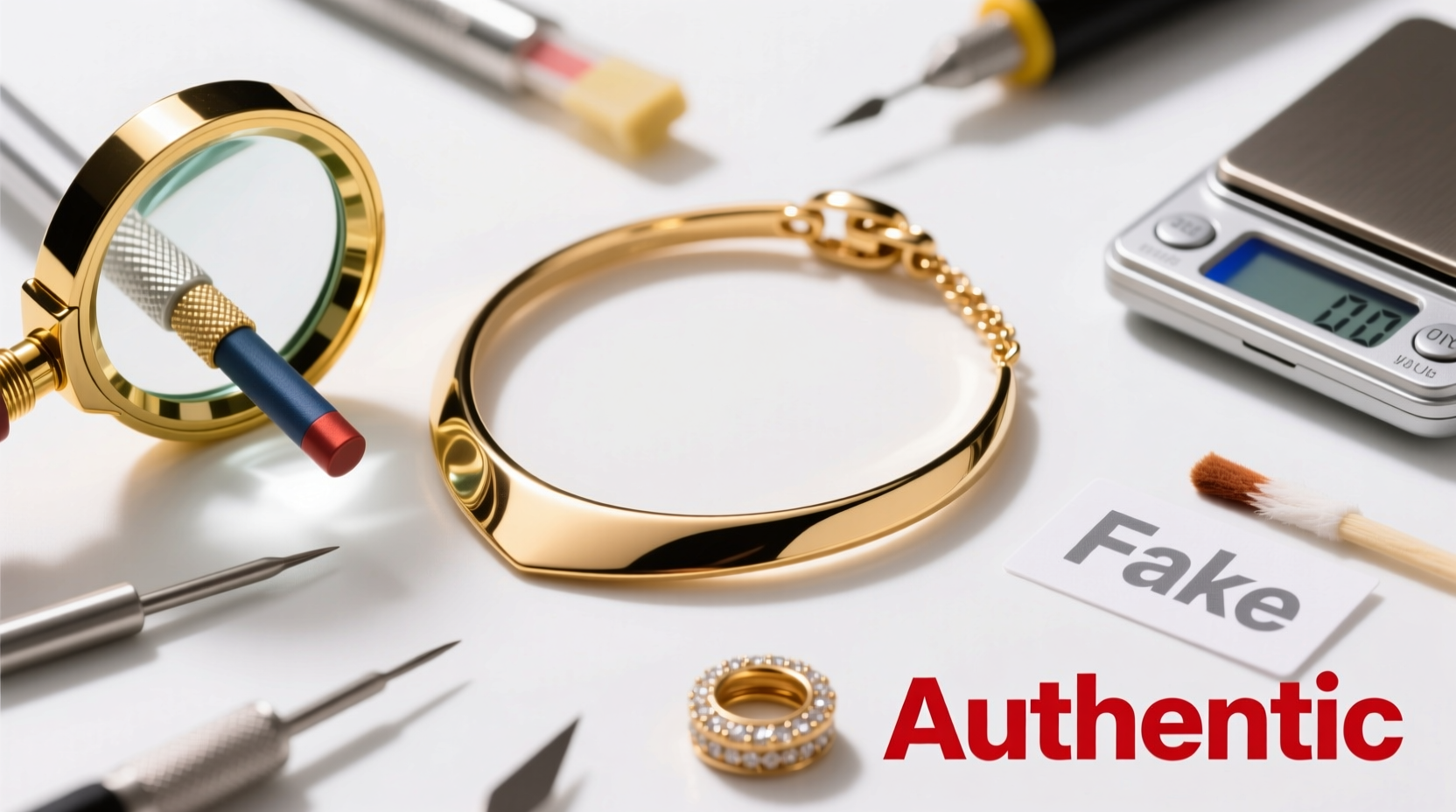
Gold plating involves bonding a thin layer of real gold (typically 10k to 24k) onto a base metal such as brass, copper, or stainless steel using electrochemical processes. The thickness of this layer varies and is often measured in microns or \"mils.\" While not as durable or valuable as solid gold, well-made gold-plated jewelry can last years with proper care.
It's crucial to differentiate between:
- Gold plated – A thin layer of gold over base metal (legally must be less than 0.5% of total weight).
- Vermeil – Thick gold plating over sterling silver (must meet FTC standards).
- Gold filled – Contains significantly more gold than plated; legally must have at least 5% gold by weight.
- Solid gold – Made entirely of gold alloy, usually marked with karat stamps like 14K or 18K.
Mislabeling is common. Some sellers use terms like “gold toned” or “golden finish” to imply quality without making legal claims. Always inspect beyond marketing language.
Step-by-Step Guide: How to Test a Gold Plated Necklace at Home
You don’t need expensive tools to begin assessing authenticity. Follow these five steps in order for best results:
- Inspect for Hallmarks: Use a jeweler’s loupe or magnifying glass to search for stamps such as “GP,” “G.P.,” “HGE” (heavy gold electroplate), “RGP” (rolled gold plate), or “vermeil.” These indicate plating. Absence doesn't mean it’s fake — older or imported pieces may lack markings.
- Check Color Consistency: Real gold plating maintains a uniform warm yellow tone. Look closely at edges, clasps, and chain links. If you see a silvery or brassy underlayer showing through, especially in high-wear areas, it may be peeling due to poor plating — or worse, just painted metal.
- Magnet Test: Hold a strong neodymium magnet near the necklace. Pure gold is non-magnetic. If the piece is attracted, it contains ferromagnetic metals like iron or nickel — a red flag for low-grade base materials. Note: Some base metals used in plating (like copper) are also non-magnetic, so no attraction doesn’t confirm gold content.
- Ceramic Scratch Test (Non-Destructive): Gently drag the necklace across an unglazed ceramic tile. Real gold leaves a golden streak. Fake gold or gold paint typically leaves a black or gray mark. Be cautious — only apply light pressure to avoid damaging delicate chains.
- Acid Test (Use with Caution): Apply a tiny drop of nitric acid to an inconspicuous area (e.g., clasp). If the spot turns green, the base metal is likely copper-based and not solid gold. If it bubbles and dissolves, there’s no protective gold layer. Always wear gloves and work in a ventilated space. This test can damage the item, so reserve it for questionable pieces you’re not planning to wear.
Expert Insight: Industry Standards and Consumer Protection
“Consumers have the right to know what they're buying. In the U.S., the FTC requires full disclosure when gold plating is present. Terms like ‘gold plated’ must be truthful and not misleading.” — James Reed, Certified Jewelry Appraiser & Member of the National Association of Jewelry Appraisers
The Federal Trade Commission (FTC) enforces strict guidelines on jewelry labeling. Legitimate sellers must disclose plating status clearly. Unfortunately, enforcement is inconsistent, especially on online marketplaces. When in doubt, request documentation or third-party verification before purchasing high-value plated items marketed as premium.
Comparison Table: Identifying Real vs. Fake Gold Plating
| Feature | Real Gold Plating | Fake or Poor-Quality Finish |
|---|---|---|
| Hallmark | Marked GP, HGE, RGP, or vermeil | No stamp or vague wording like “golden” |
| Color | Consistent warm yellow-gold hue | Brassy, orange, or dull over time |
| Magnet Reaction | No attraction | Attracted to magnet |
| Ceramic Test Result | Leaves golden line | Leaves dark or black line |
| Wear Over Time | May fade gradually but evenly | Rapid flaking, exposes base metal quickly |
Mini Case Study: Spotting a Counterfeit Online Purchase
Sophia purchased a “luxury gold-plated pendant necklace” from an online marketplace for $45. The photos looked elegant, and the seller claimed it was “high-quality vermeil.” After receiving it, she noticed the clasp had a slightly reddish tint. Using a magnifier, she found no hallmarks. She performed the ceramic scratch test — the chain left a black streak. Upon contacting the platform, she filed a dispute and received a refund. A local jeweler later confirmed the piece was coated brass with no actual gold content. Sophia’s diligence saved her from future embarrassment and financial loss.
Pro Tips for Buying and Preserving Gold Plated Necklaces
- Buy from reputable jewelers who provide material disclosures.
- Ask for product specifications including plating thickness (e.g., 0.5–2.5 microns is standard).
- Store separately in soft pouches to prevent scratching.
- Clean gently with a microfiber cloth after each wear.
- Avoid ultrasonic cleaners, which can strip thin plating layers.
FAQ: Common Questions About Gold Plated Necklaces
Can a gold plated necklace turn my skin green?
Yes. The base metal (often copper or brass) reacts with sweat and skin oils, causing discoloration. This isn’t harmful but indicates lower-quality construction. Coating the inside of pendants or choosing hypoallergenic bases like stainless steel reduces risk.
How long does gold plating last?
With daily wear, expect 6 months to 2 years depending on plating thickness and care. Occasional wear with proper storage can extend life up to 5 years. Replating services are available for favorite pieces.
Is gold plating worth it?
For fashion jewelry, yes — if purchased wisely. High-quality gold plating offers aesthetic value and durability suitable for short-to-medium term use. It’s ideal for trendy designs you don’t plan to keep long-term.
Final Checklist: Verify Before You Wear
- 🔍 Examine for legitimate gold plating stamps (GP, HGE, etc.)
- 🎨 Assess color uniformity, especially on clasps and joints
- 🧲 Perform the magnet test — should show no attraction
- 🪨 Conduct the ceramic scratch test in a discreet spot
- 🧴 Evaluate seller credibility and return policy when buying online
Conclusion: Confidence Starts with Knowledge
Identifying a real gold plated necklace isn’t about guesswork — it’s about applying consistent, informed techniques. From hallmark checks to simple home tests, the tools are accessible to everyone. Armed with this knowledge, you protect your investment, maintain your style integrity, and avoid deceptive products. Next time you consider a gold-toned necklace, take a moment to verify its truth beneath the shine. Your discernment will pay off in both beauty and value.




 浙公网安备
33010002000092号
浙公网安备
33010002000092号 浙B2-20120091-4
Comments
No comments yet. Why don't you start the discussion?