
Choosing the right skincare products begins with understanding what your skin truly needs. Many people apply serums, moisturizers, and cleansers based on trends or marketing claims, only to experience irritation, breakouts, or dryness. The root cause? Misidentifying their skin type. Accurately determining whether you have oily, dry, combination, sensitive, or normal skin is not just helpful—it’s essential for building an effective, customized routine that delivers real results.
Skin types aren’t always obvious. Environmental factors, hormonal shifts, and lifestyle habits can temporarily alter how your skin behaves, making it easy to mislabel your baseline condition. This guide walks through a precise, step-by-step process to assess your skin objectively, avoid common pitfalls, and create a foundation for long-term skin health.
The Five Primary Skin Types: A Clear Breakdown
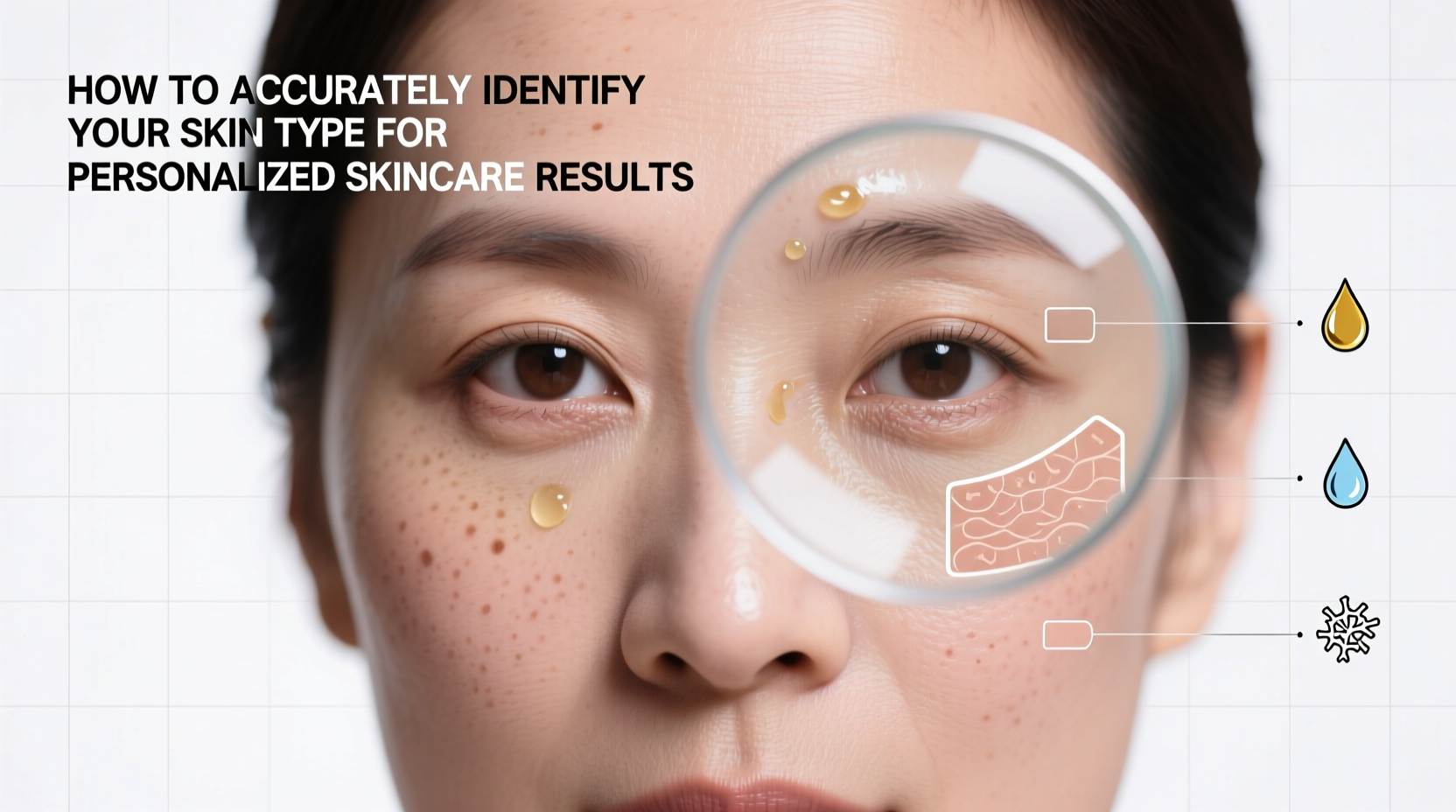
Skin classification typically falls into five categories, each with distinct characteristics:
- Oily Skin: Excess sebum production leads to a shiny appearance, enlarged pores, and a tendency toward acne and blackheads.
- Dry Skin: Lacks natural oils and moisture, often feeling tight, rough, or flaky. May show fine lines earlier than other types.
- Combination Skin: Oily in the T-zone (forehead, nose, chin) but normal or dry on the cheeks and jawline. Most common among adults.
- Normal Skin: Balanced oil and moisture levels, minimal visible pores, few imperfections. Rare but ideal baseline.
- Sensitive Skin: Prone to redness, stinging, or reactions when exposed to certain ingredients or environmental stressors. Can overlap with any other type.
It's important to note that sensitivity is not a skin type per se but a condition that can coexist with any of the above. Recognizing this distinction helps prevent over-treatment or unnecessary product layering.
Step-by-Step Guide to Identifying Your Skin Type
Self-diagnosis based on appearance alone is unreliable. Follow this structured method over a 24–48 hour window to get accurate insights:
- Cleanse thoroughly: Use a gentle, fragrance-free cleanser to remove makeup, sunscreen, and impurities. Rinse well and pat dry.
- Wait one hour: Do not apply any products. Observe how your skin feels and looks.
- Evaluate initial sensations: Is there tightness (dry), greasiness (oily), or comfort (normal)? Note areas of discomfort.
- Wait another 2–3 hours: Check for shine development, especially in the T-zone. Use blotting paper gently on different zones to absorb oil.
- Assess texture and tone: Look for redness, flakiness, congestion, or visible pores. Touch lightly to detect rough patches or excess oil.
- Repeat next morning: Wash face again and reassess before applying anything. Morning observations are often most revealing.
This method minimizes interference from external products and reveals your skin’s true behavior under neutral conditions.
Do’s and Don’ts When Assessing Your Skin
| Action | Do | Don't |
|---|---|---|
| Cleansing | Use lukewarm water and mild, non-stripping cleanser | Scrub aggressively or use hot water |
| Toners & Actives | Avoid during assessment phase | Apply acids or alcohol-based toners |
| Touching Face | Minimize contact; use clean hands if needed | Frequently touch or rub skin |
| Blotting | Use blotting papers to test oil zones | Wipe repeatedly and irritate skin |
| Environment | Stay indoors in climate-controlled space | Go outdoors in wind/sun immediately after cleansing |
Real Example: From Confusion to Clarity
Lena, a 29-year-old office worker, had been battling persistent midday shine and occasional cheek flakiness. She assumed she had oily skin and used mattifying products exclusively. After switching to a foaming cleanser and alcohol-heavy toner, her cheeks became irritated and red. Frustrated, she consulted a dermatologist who guided her through the 24-hour cleanse-and-wait method. Within two days, Lena realized she had combination skin: her forehead and nose produced oil by mid-morning, while her cheeks remained matte and slightly tight. By adjusting her routine—using a lightweight gel moisturizer on oily zones and a richer cream on dry areas—her skin balanced within three weeks.
Her story highlights a common error: treating symptoms without identifying root causes. Without proper evaluation, even well-intentioned routines can worsen imbalances.
“Many patients come in thinking they’re oily when they’re actually dehydrated. Over-cleansing strips the barrier, triggering rebound oil production.” — Dr. Rachel Nguyen, Board-Certified Dermatologist
Checklist: Confirm Your Skin Type Accurately
Before finalizing your skin type, go through this checklist to ensure accuracy:
- ✅ Cleansed skin with no products applied for at least 24 hours
- ✅ Observed both morning and evening conditions
- ✅ Used blotting paper to test oil distribution across zones
- ✅ Noted any redness, itching, or reactivity to touch
- ✅ Ruled out temporary influences like weather, stress, or diet spikes
- ✅ Repeated assessment over two consecutive days for consistency
If your observations vary significantly between days, consider external triggers such as lack of sleep, dairy intake, or pollution exposure before concluding your skin type.
FAQ: Common Questions About Skin Typing
Can my skin type change over time?
Yes. Age, hormones, climate, and lifestyle all influence skin behavior. Teenagers often have oily skin due to hormonal surges, while mature skin tends toward dryness as oil production declines. Seasonal shifts can also cause temporary changes—many with combination skin notice increased dryness in winter and more oil in summer.
What if my skin reacts to everything? Is it sensitive or dry?
Reactivity suggests sensitivity, which can accompany dry or compromised skin barriers. True sensitive skin shows signs like stinging, flushing, or rash-like responses to mild products. If you suspect sensitivity, patch-test new items behind the ear for 48 hours and prioritize fragrance-free, hypoallergenic formulas.
I have acne—does that mean I have oily skin?
Not necessarily. Acne can occur in dry, combination, or even sensitive skin due to clogged pores, bacteria, or inflammation—not just oil. Over-drying acne-prone skin can worsen breakouts by disrupting the barrier. Focus on gentle exfoliation and non-comedogenic hydration rather than aggressive oil control.
Building a Routine Based on Your True Skin Type
Once you’ve identified your skin type, customization becomes powerful. Here’s how to align key product choices:
- Oily: Opt for water-based moisturizers, salicylic acid cleansers, and oil-free sunscreens. Avoid heavy creams.
- Dry: Seek ceramides, hyaluronic acid, and occlusive agents like squalane. Use creamy cleansers and avoid sulfates.
- Combination: Layer products by zone or choose balanced formulas. Consider double moisturizing—lightweight on T-zone, richer on cheeks.
- Normal: Maintain balance with gentle maintenance routines. Introduce actives like vitamin C cautiously.
- Sensitive: Stick to minimal ingredient lists, avoid alcohol and synthetic fragrances, and introduce one new product at a time.
Remember, your skin’s needs may shift. Reassess every season or major life transition—such as moving cities, pregnancy, or starting a new medication.
Conclusion: Take Control of Your Skincare Journey
Accurate skin typing isn’t a one-time label—it’s an ongoing practice of observation and adjustment. Investing time in understanding your skin’s unique behavior pays dividends in clarity, confidence, and long-term health. Skip the guesswork, avoid reactive purchasing, and build a regimen rooted in knowledge, not marketing hype.




 浙公网安备
33010002000092号
浙公网安备
33010002000092号 浙B2-20120091-4
Comments
No comments yet. Why don't you start the discussion?