
Monitoring long-term blood sugar control is essential for managing diabetes effectively. The hemoglobin A1C test—often referred to simply as A1C—provides a three-month average of blood glucose levels, offering insights that daily fingersticks alone cannot. While traditionally performed in clinics, home A1C testing has become increasingly accessible and accurate. Understanding how to use these devices properly and interpret the results empowers individuals to make informed decisions about diet, medication, and lifestyle.
Understanding the A1C Test: What It Measures
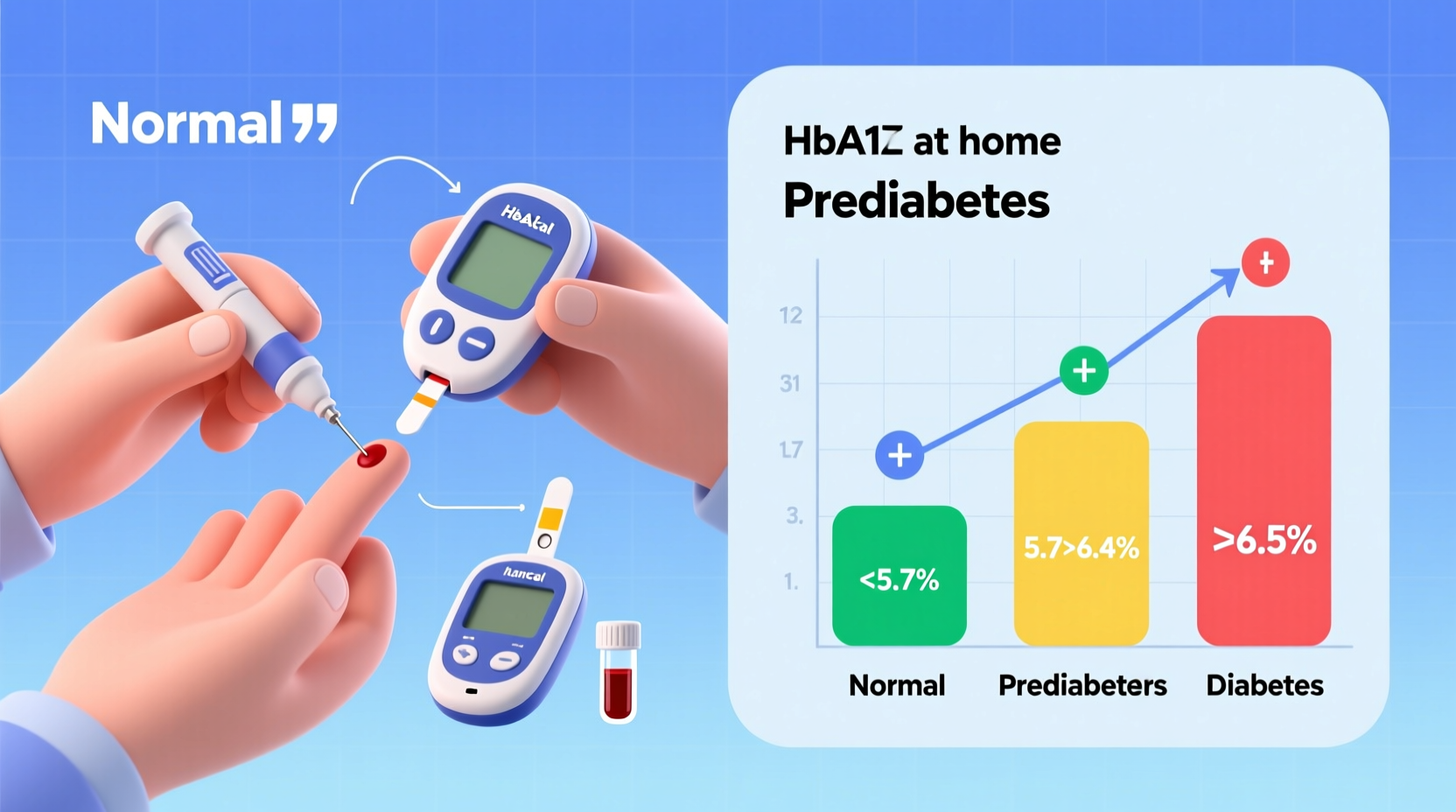
A1C reflects the percentage of hemoglobin in red blood cells that has glucose attached to it. Since red blood cells live for about 2–3 months, the A1C level gives a broad picture of average blood sugar over that period. Unlike fasting or post-meal glucose readings, which capture momentary spikes or dips, A1C offers a stable benchmark for assessing overall glycemic control.
The American Diabetes Association (ADA) categorizes A1C levels as follows:
| A1C Level (%) | Interpretation | Estimated Average Glucose (eAG) mg/dL |
|---|---|---|
| <5.7% | Normal | <117 |
| 5.7% – 6.4% | Prediabetes | 117–137 |
| ≥6.5% | Diabetes | ≥140 |
For people with diagnosed diabetes, the ADA generally recommends an A1C target below 7%, though individual goals may vary based on age, health status, and risk of hypoglycemia.
Choosing the Right Home A1C Testing Device
Several FDA-approved home A1C kits are available, including models from brands like Bayer A1CNow+, PTS Health, and Metronic. These devices typically require a small blood sample obtained via fingerstick and deliver results in 5–10 minutes.
When selecting a device, consider the following factors:
- Accuracy: Look for devices with clinical validation studies showing alignment with lab-based methods (within ±0.5% of lab results).
- Certification: Ensure the product is FDA-cleared and meets CLIA-waived standards.
- Ease of Use: Clear instructions, minimal steps, and readable displays improve reliability.
- Data Storage: Some devices store previous results, helping track trends over time.
- Calibration Requirements: Check whether the device requires periodic calibration or code entry before testing.
“Home A1C tests can be highly reliable when used correctly. They offer patients greater autonomy and more frequent insight into their metabolic health.” — Dr. Lena Patel, Endocrinologist, Johns Hopkins Medicine
Step-by-Step Guide to Measuring A1C at Home
To ensure accuracy, follow a consistent process each time you test. Here’s a proven sequence:
- Gather Supplies: Wash hands thoroughly with warm water and dry completely. Collect the test kit, lancet device, test strip, and alcohol swab (if required by the model).
- Prepare the Device: Insert the control solution chip or code key if needed. Turn on the meter and confirm it's ready.
- Obtain Blood Sample: Use the lancet to prick the side of your fingertip (less sensitive than the center). Gently squeeze to form a hanging drop of blood—do not milk excessively.
- Apply Blood to Strip: Touch the edge of the test strip to the blood drop. The strip will automatically draw in the correct amount.
- Wait for Results: Most devices display results within 5 minutes. Avoid moving the device during processing.
- Record the Result: Note the date, time, and A1C value in a logbook or digital app for future reference.
- Dispose Safely: Discard the lancet and strip in a sharps container.
Interpreting Your A1C Results Accurately
A single A1C reading doesn’t tell the whole story. Context matters. For example, someone with frequent highs and lows might have the same A1C as someone with stable glucose levels—yet their risks and management needs differ significantly.
Consider these key points when interpreting results:
- A rising A1C trend over consecutive tests suggests suboptimal control and may warrant adjustments in medication, diet, or physical activity.
- A sudden drop could indicate increased hypoglycemia risk, especially if insulin or sulfonylureas are used.
- Conditions like anemia, kidney disease, or certain hemoglobin variants can falsely elevate or lower A1C values.
If your home result surprises you, don’t panic. Repeat the test with a new strip and compare it with a lab test during your next medical visit to verify consistency.
Common Interpretation Pitfalls
| Mistake | Why It Happens | How to Avoid |
|---|---|---|
| Taking one result as definitive | Natural biological variation and minor testing errors occur | Track results over time and look for patterns |
| Ignoring symptoms despite \"good\" A1C | A1C doesn’t show glucose variability | Combine A1C with daily monitoring or CGM data |
| Not accounting for interfering conditions | Anemia or hemoglobinopathies skew results | Discuss concerns with your doctor; consider alternative tests like fructosamine if needed |
Real-Life Example: Maria’s Experience with Home Monitoring
Maria, a 52-year-old with type 2 diabetes, had been relying solely on quarterly lab tests to monitor her A1C. Her most recent result was 7.8%, but she often felt fatigued and noticed blurred vision after meals. After purchasing a home A1C kit, she tested monthly and discovered her levels fluctuated between 7.6% and 8.3%. This prompted her to consult her endocrinologist, who adjusted her medication and recommended continuous glucose monitoring (CGM). Within two months, her A1C stabilized at 6.9%, and her energy improved significantly.
Maria’s case illustrates how home testing enables earlier detection of trends and faster intervention—before complications arise.
Frequently Asked Questions
How often should I test my A1C at home?
Most people benefit from testing every 3 months, aligning with standard clinical intervals. However, if you're adjusting medications, starting a new diet, or experiencing instability, testing every 4–6 weeks can provide timely feedback.
Are home A1C tests as accurate as lab tests?
Yes, when used correctly, FDA-approved home tests are clinically accurate, typically within 0.5% of lab results. However, user error—such as improper blood application or expired strips—can compromise accuracy.
Can I use home A1C results for diagnosis?
No. While home tests are excellent for monitoring, they should not be used to diagnose diabetes or prediabetes. Diagnosis must be confirmed through standardized laboratory testing under medical supervision.
Essential Checklist for Reliable Home A1C Testing
- ✔️ Wash and dry hands before testing
- ✔️ Use only manufacturer-approved test strips
- ✔️ Check expiration dates on strips and controls
- ✔️ Store supplies at room temperature away from moisture
- ✔️ Run control solution tests periodically to verify device function
- ✔️ Record all results with dates for trend analysis
- ✔️ Share results with your healthcare provider regularly
Take Control of Your Health Journey
Accurate home A1C measurement is more than a convenience—it’s a tool for empowerment. With proper technique and thoughtful interpretation, you gain deeper insight into your long-term glucose control and can respond proactively to changes. Pairing home testing with regular medical check-ins ensures a balanced, informed approach to diabetes management. Start today: invest in a reliable device, establish a consistent routine, and take ownership of your metabolic health.




 浙公网安备
33010002000092号
浙公网安备
33010002000092号 浙B2-20120091-4
Comments
No comments yet. Why don't you start the discussion?