
Finding the right running shoe isn’t just about brand preference or cushioning style—it starts with fit. A poorly sized shoe can lead to blisters, black toenails, plantar fasciitis, or even long-term joint strain. Many runners wear shoes that are too small or narrow, assuming discomfort is normal. It’s not. The difference between a good run and a painful one often comes down to accurate sizing. Understanding how to measure your feet correctly and select the ideal shoe dimensions ensures lasting comfort, better performance, and reduced risk of injury.
Why Shoe Size Isn’t Just a Number
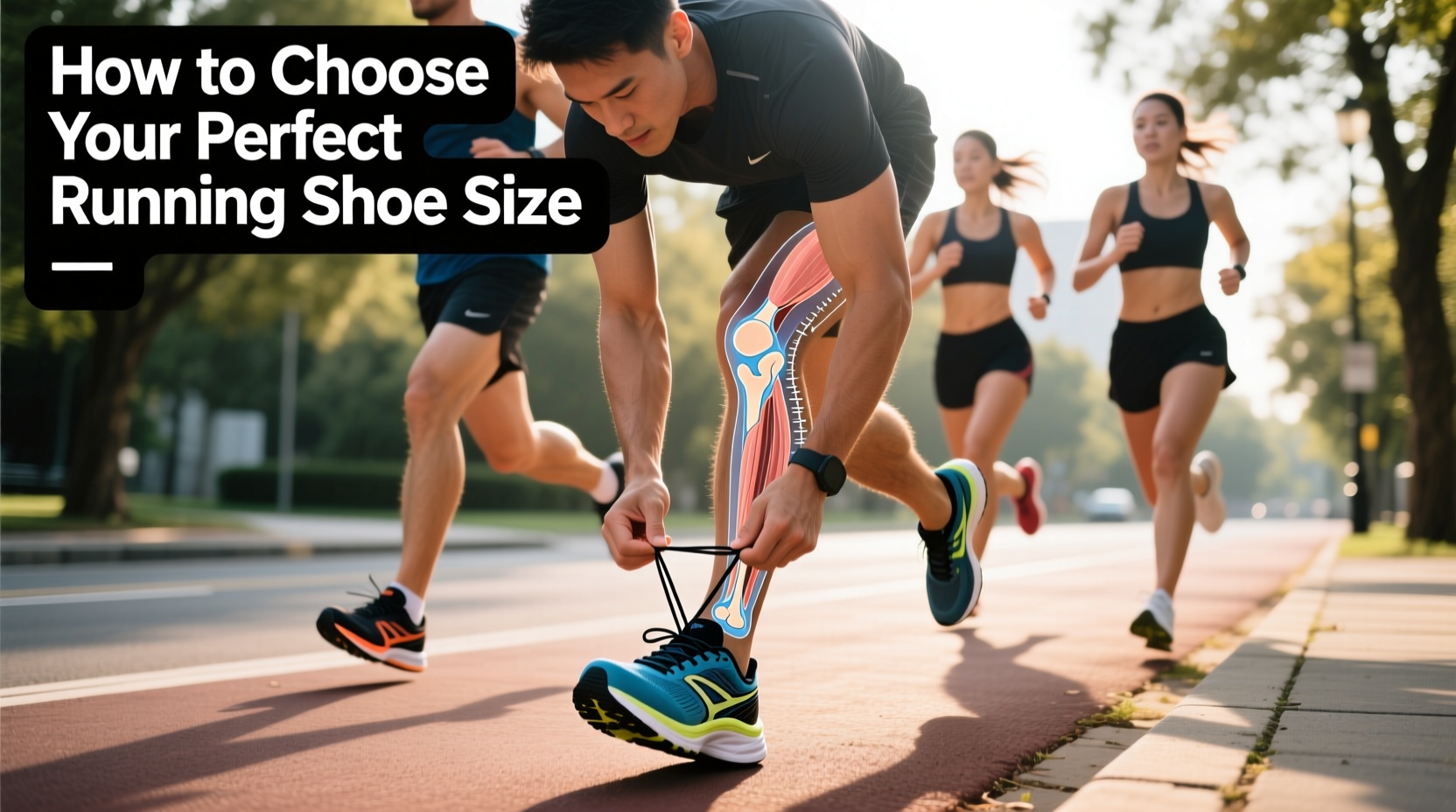
Most people rely on their standard shoe size from memory or years past, but feet change over time. Weight gain, aging, pregnancy, and activity level all affect foot length, width, and arch structure. Additionally, sizing varies significantly between brands and even models within the same brand. A size 10 in Brand A may fit like a size 9.5 in Brand B. This inconsistency makes relying solely on numerical size unreliable.
The goal isn't to match a number—it's to achieve optimal foot containment: enough room in the toe box for natural splay, secure heel lockdown, and proper arch alignment without pressure points. Running places three to five times your body weight in impact forces on each stride, so precision matters.
“Over 60% of runners we see in gait analysis are wearing the wrong size, usually too narrow or too short. That mismatch is often the root cause of recurring foot pain.” — Dr. Lena Reyes, Podiatrist & Sports Medicine Specialist
Step-by-Step Guide to Measuring Your Feet at Home
You don’t need professional tools to get accurate measurements. Follow this timeline-style process to assess both feet precisely:
- Late Afternoon Measurement: Feet swell throughout the day. Measure them in the evening when they’re at their largest.
- Wear Running Socks: Use the same type of socks you’ll wear while running to simulate real conditions.
- Trace Your Foot: Place a blank sheet of paper on a hard floor. Stand on it with your full weight. Trace the outline of both feet with a pencil held vertically.
- Measure Length: Use a ruler to measure from the heel to the longest toe (often the second toe). Repeat for both feet—use the longer measurement.
- Measure Width: At the widest part (ball of the foot), measure across the trace. Compare to standard width charts (e.g., B for women, D for men is standard; wider is 2E, 4E, etc.).
- Check Arch Height: Perform the “wet test”: wet your sole, step on cardboard. A full imprint suggests flat feet; little contact indicates high arches.
Key Fit Factors Beyond Length
Length is only one dimension. A shoe must accommodate volume, width, heel shape, and toe box geometry. Here’s what to evaluate:
- Toe Box Space: There should be a thumb’s width (about 0.5–0.7 inches) between your longest toe and the end of the shoe.
- Width Comfort: No pinching on the sides. You should be able to wiggle toes freely.
- Heel Lockdown: The heel should sit snugly without slipping up and down.
- Midfoot Hug: The shoe should cradle the arch and midfoot without constricting.
- Volume Clearance: High instep? Look for shoes with taller profiles or adjustable lacing.
Do’s and Don’ts When Trying On Running Shoes
| Do | Don’t |
|---|---|
| Try on both shoes and walk or jog in them | Assume both feet are the same size |
| Test on an incline treadmill if available | Ignore pressure points—they won’t “break in” |
| Bring your orthotics if you use them | Buy shoes that feel tight hoping they’ll stretch |
| Re-measure every 1–2 years | Shop early in the morning when feet are smaller |
Real Example: From Chronic Blisters to Pain-Free Runs
Jamal, a recreational marathoner, struggled with recurring blisters and numb toes despite rotating premium running shoes. He visited a specialty running store for a gait analysis and foot scan. The results showed his right foot was half a size longer than his left and he had moderate overpronation. He’d been buying one size based on his left foot and ignoring the width needs of his forefoot.
After switching to a size-up model with a wider toe box and using a heel-lock lacing technique, his issues disappeared. “I didn’t realize I’d been squeezing my feet for years,” he said. “Now my long runs feel effortless.”
How to Choose the Right Size When Buying Online
With the rise of e-commerce, many runners buy shoes without trying them first. While convenient, this increases the risk of poor fit. Mitigate it with these strategies:
- Use Brand-Specific Sizing Charts: Nike, Brooks, Hoka, and others provide detailed length-to-size conversions and width guides.
- Read Return Policies: Only order from retailers offering free returns and at least 30-day trial periods.
- Check Reviews for Fit Notes: Look for phrases like “runs narrow,” “generous toe box,” or “true to size.”
- Compare to a Known Well-Fitting Pair: If you have a current shoe that fits perfectly, compare its specs to new models.
Checklist: How to Ensure Perfect Running Shoe Fit
- ✅ Measure both feet in the evening
- ✅ Use running socks during measurement and fitting
- ✅ Allow 0.5–0.7 inches of space in the toe box
- ✅ Confirm no heel slippage during movement
- ✅ Check for pressure on bunions or hammertoes
- ✅ Verify compatibility with orthotics (if used)
- ✅ Walk or jog on a treadmill before finalizing purchase
- ✅ Reassess size annually or after major life changes (pregnancy, weight shift)
Frequently Asked Questions
Should running shoes feel tight at first?
No. Running shoes should feel secure but never tight. Any discomfort—especially pinching, rubbing, or numbness—will worsen with mileage. They should require minimal break-in period. If a shoe feels restrictive out of the box, it’s likely too small or narrow.
Why do my toenails bruise after long runs?
Bruised or lost toenails are typically caused by shoes that are too short or too loose. In a short shoe, toes repeatedly hit the front. In a loose shoe, your foot slides forward on downhill sections. Both create microtrauma. Ensure adequate toe box clearance and consider going up half a size for long-distance or trail running.
Can I use my street shoe size for running shoes?
Sometimes—but not always. Many people wear different sizes for athletic versus casual footwear. Running shoes often require more length and volume due to foot swelling during exercise. Always fit running shoes separately, ideally in-store with expert help or through a trusted online return policy.
Final Steps to Lasting Comfort
Accurate sizing is the foundation of comfortable running. It protects your feet, enhances efficiency, and supports long-term joint health. Don’t assume your size is static. Re-evaluate regularly, especially if you increase mileage, change terrain, or notice discomfort. Whether shopping in person or online, prioritize precise fit over aesthetics or brand loyalty. The best shoe is the one that disappears on your foot—where you forget you’re wearing it because it moves with you, not against you.




 浙公网安备
33010002000092号
浙公网安备
33010002000092号 浙B2-20120091-4
Comments
No comments yet. Why don't you start the discussion?